 Search


- ACME Group signs investment agreement for the second and third phases of the Oman Dukum Green Hydrogen Project
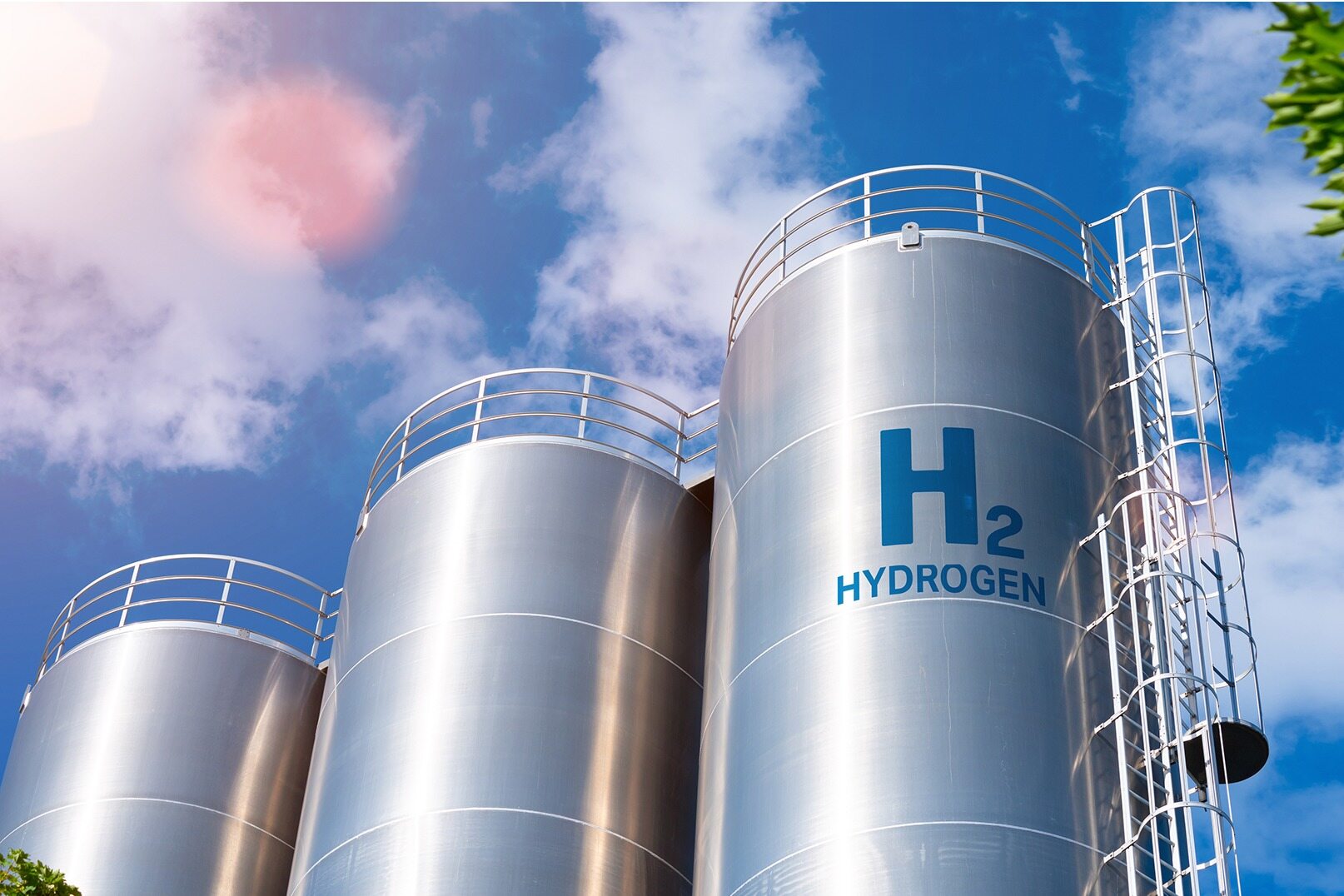
Dukum on the east coast of Oman is transforming from a fishing town to a new coordinate on the global energy map. ACME Group has just signed investment agreements for the second and third phases of its green hydrogen project. This approximately $4.2 billion expansion plan covers about 10 square kilometers of land, adding another heavyweight to the recently announced package of investment agreements for the Dukum Economic Zone.

Capacity and pace
According to the plan, the second and third phases will each achieve the goal of producing 71000 tons of green hydrogen and 400000 tons of green ammonia annually. The second phase is scheduled to start production in 2030, while the third phase will be postponed to 2033. After the superposition of two stages, the total annual production capacity of green hydrogen in the project will exceed 210000 tons, and the annual production capacity of green ammonia will exceed 1.2 million tons, which is sufficient to supply the green fuel demand of multiple major shipping corridors.
Land settled, hub formed
ACME has officially obtained land allocation approval, which is not only a key milestone in the project's progress, but also reserves planning space for supporting infrastructure such as pipelines and storage for hydrogen energy and green ammonia in the future. The Omani government has long positioned Dukum as a global hub for green fuels, with the goal of achieving 25GW of renewable energy installed capacity by 2040. The implementation of the ACME project has moved this vision from policy texts to construction drawings.
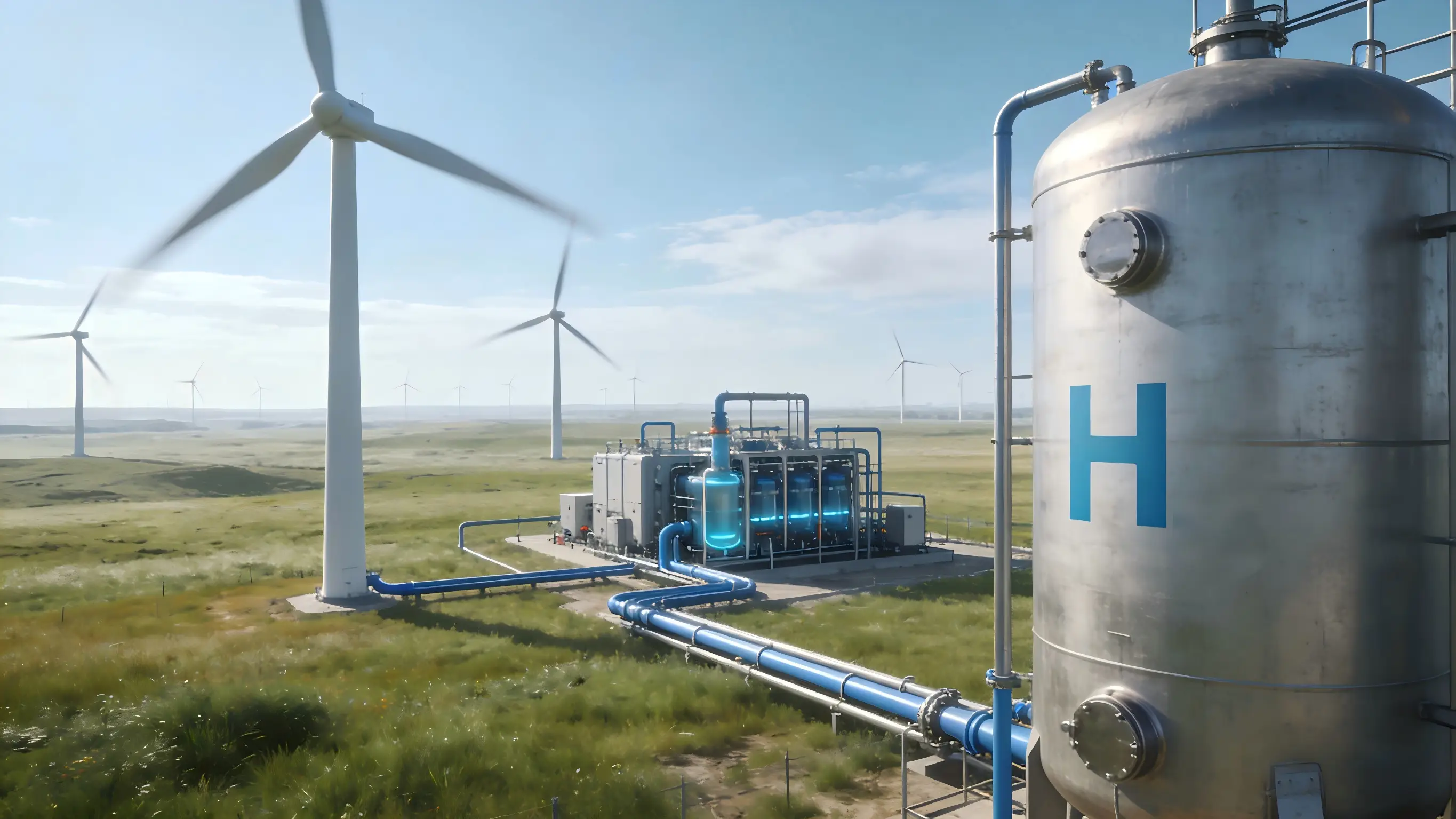
Under the dual drive of the European Carbon Border Adjustment Mechanism and the International Maritime Organization's emission reduction regulations, green ammonia is moving from a concept to a necessity. And Dukum, with its geographical advantage of being close to the Strait of Hormuz, is expected to become a key springboard connecting low-cost photovoltaics in the Middle East with the global green fuel market. This once quiet port city is rewriting its fate with electrolytic cells.Editor/Cheng Liting
Comment


 Praise
 Collect
 Comment

 Share
Share


Write something~