 Search


- Qatar's LNG production capacity is expected to recover by 80% within two months
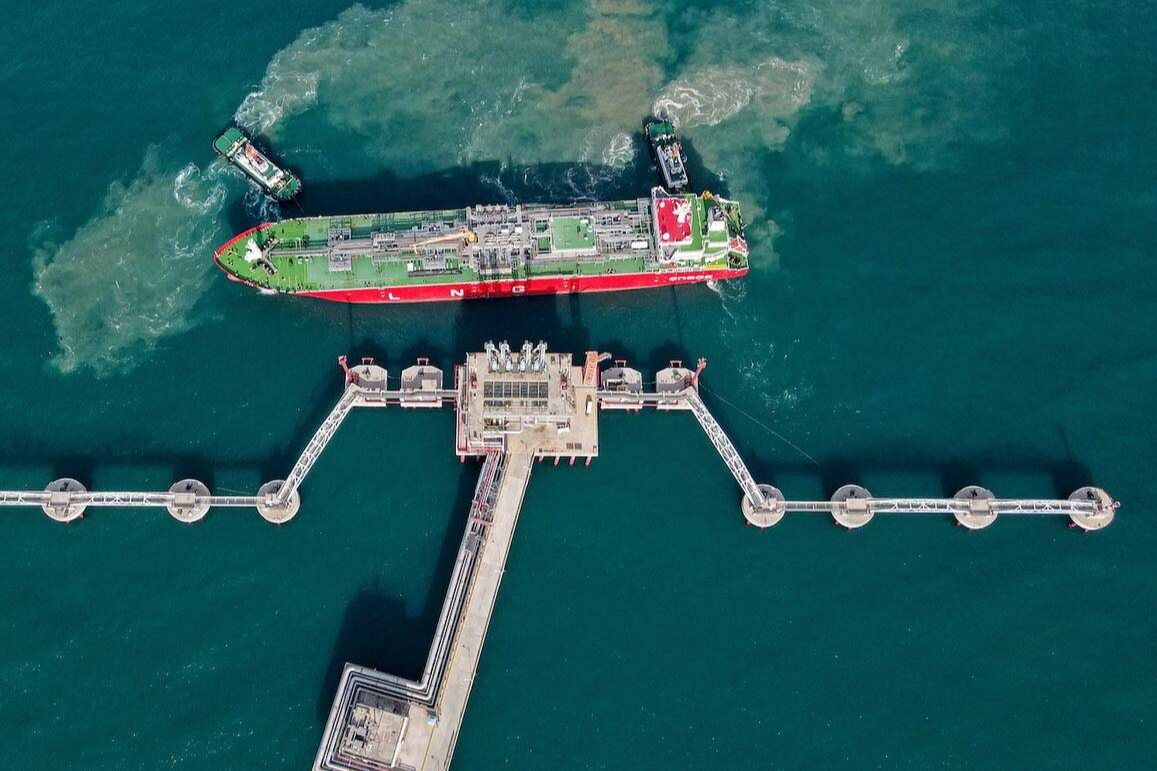
The hourly blockade of the Strait of Hormuz is reshaping the pricing logic of the global natural gas market. The Qatar National Energy Company is preparing to quickly restart liquefied natural gas production after the global energy throat is reopened, but the real question is not how much can be restored, but how the irreparable part will rewrite the energy trade pattern for the next five years.
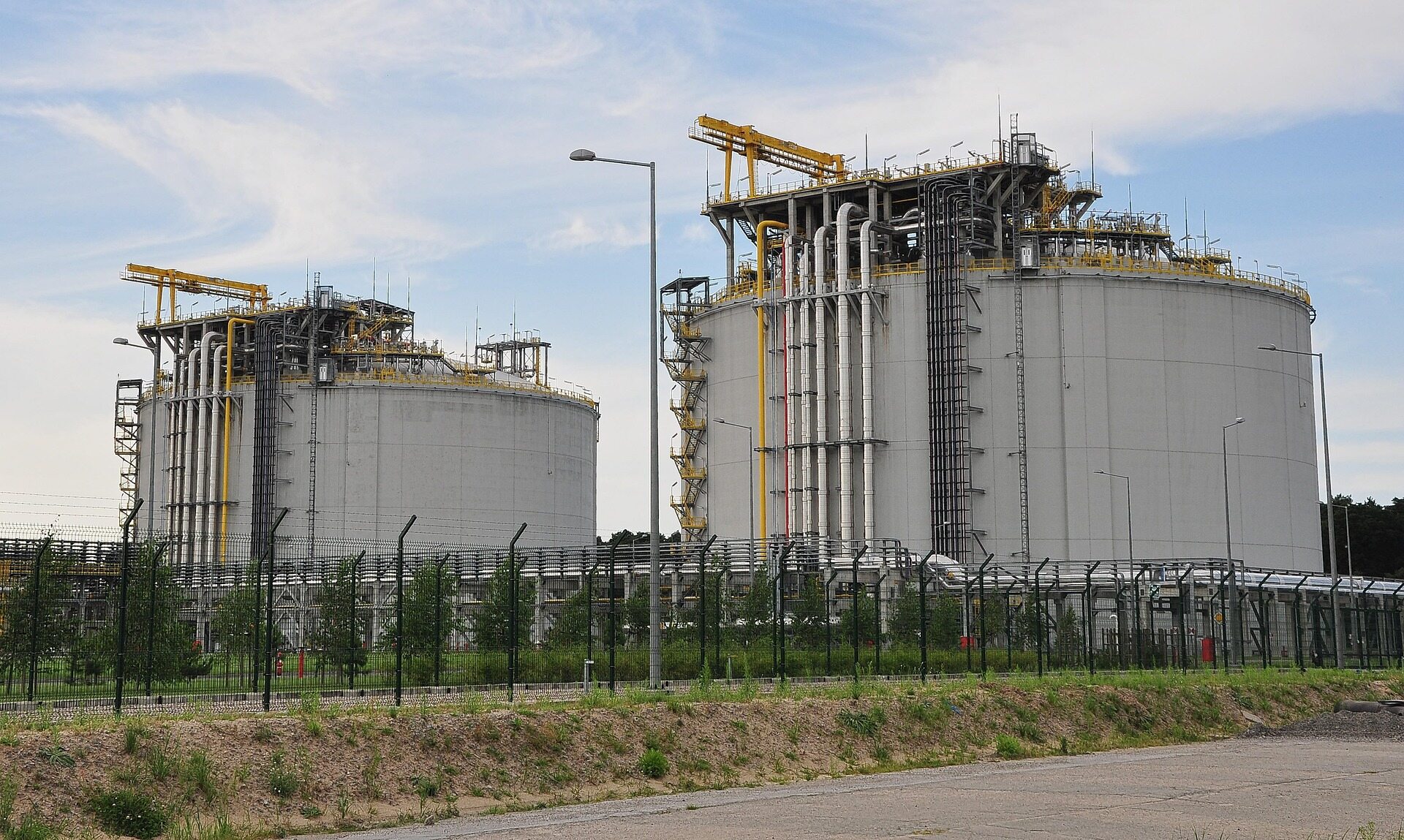
Timetable and ceiling for capacity recovery
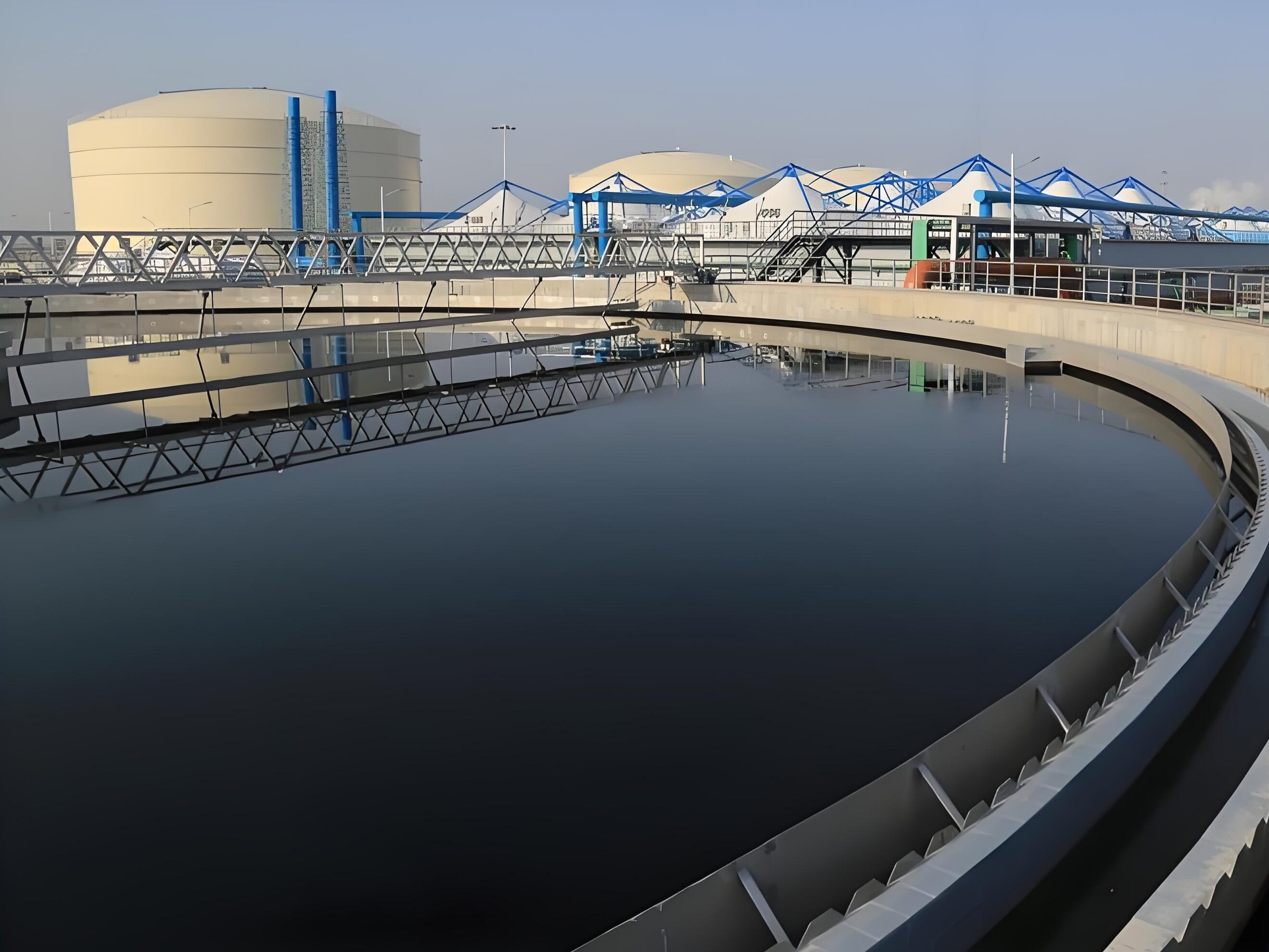
In early March, Qatar Energy proactively reduced its liquefied natural gas production to address geopolitical risks. Subsequently, its core facilities were hit by Iranian missiles in mid March, causing severe damage to the world's largest single liquefied natural gas production facility located in Ras Laffan. The company has informed customers that after the resumption of safe navigation in the Strait of Hormuz, approximately 50% of production capacity can be restored within one month, and it is expected to reach 80% within two months. But the remaining 20% of production capacity repair will take up to five years, corresponding to an annual revenue gap of approximately $20 billion. The company has declared force majeure on some long-term contracts, with a maximum term of five years, which means that a group of buyers will face the reality of contract breach in the coming years.
Low season price increases and the respite brought by agreements
Even in the traditional off-season after winter and before the peak of summer consumption, benchmark natural gas prices in Asia and Europe have risen sharply in the past three months, and the impact of supply shortages in the Middle East has fully covered seasonal patterns. The announcement of the US Iran agreement quickly turned market sentiment, with European benchmark gas prices plummeting 6% on Monday, hitting a five week low. But this decline reflects more of an expected recovery rather than a substantial improvement in supply. Keywords: natural gas, energy
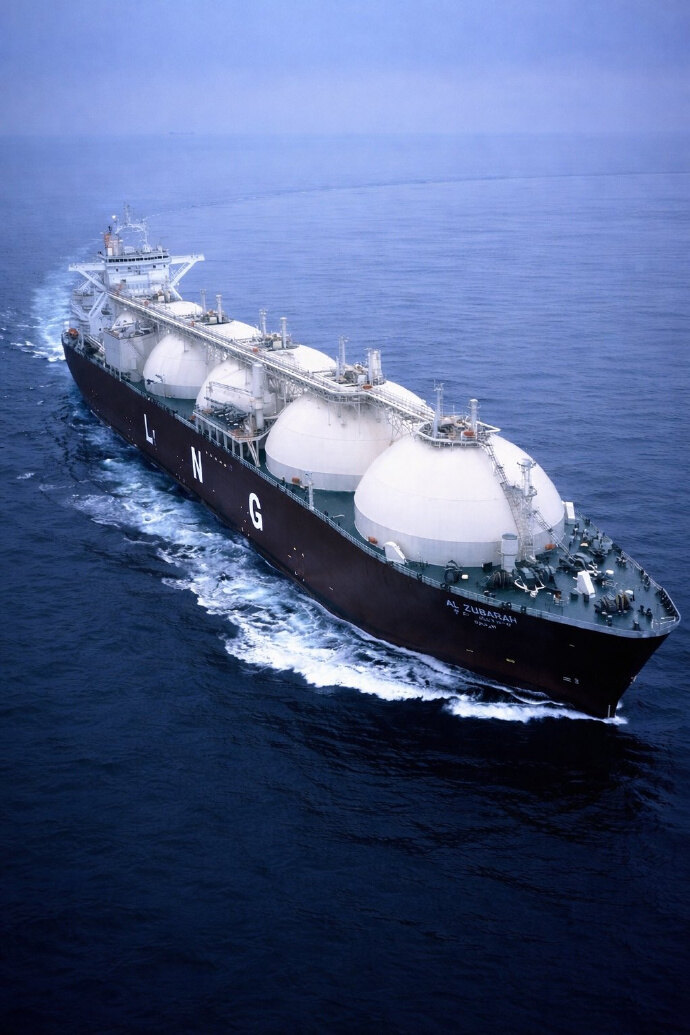
The story of Qatar reveals the deep fragility of the global liquefied natural gas market: the opening and closing of a strait can turn a low season into a high season, causing prices to deviate from fundamentals. Buyers who have signed force majeure clauses are now forced to search for gas at high prices in the spot market, and Qatar's remaining 20% capacity gap will continue to stir up the global energy landscape in the coming years.Editor/Cheng Liting
Comment

 Praise
 Collect
 Comment

 Share
Share


Write something~