 Search


- China's photovoltaic industry chain is deeply implemented, continuously empowering Iraq's energy transformation
- The localization of photovoltaics in the Middle East is accelerating, reshaping the division of labor in the global photovoltaic industry chain
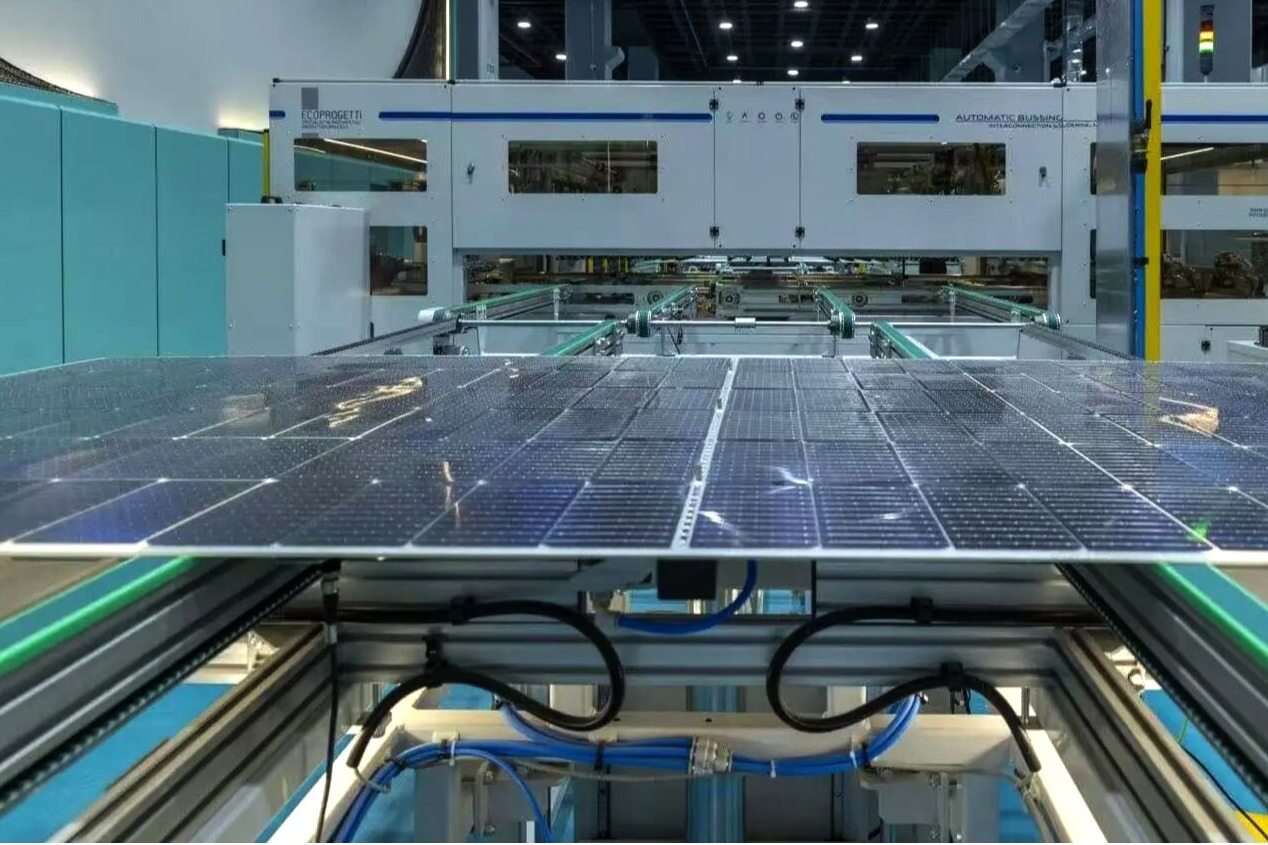
Iraq, which has abundant oil resources, has long been plagued by power shortages, and a large number of photovoltaic equipment can only rely on overseas imports. Now the local area has achieved a major breakthrough in energy transformation, and the Karbala Province Bright Photovoltaic Factory has been successfully put into operation. The country finally has its first photovoltaic module production line. This local factory carries Iraq's hope of getting rid of its external energy dependence, and also writes a new chapter for the localization and development of new energy in the Middle East.
Local photovoltaic plant officially landed
On June 16, 2026, the Karbala Bright Photovoltaic Plant in Iraq was put into operation, marking the birth of the country's first local photovoltaic manufacturing base and ending the situation of complete module imports. This will promote the independent development of the country's photovoltaic industry chain and reshape the new energy landscape in the Middle East.
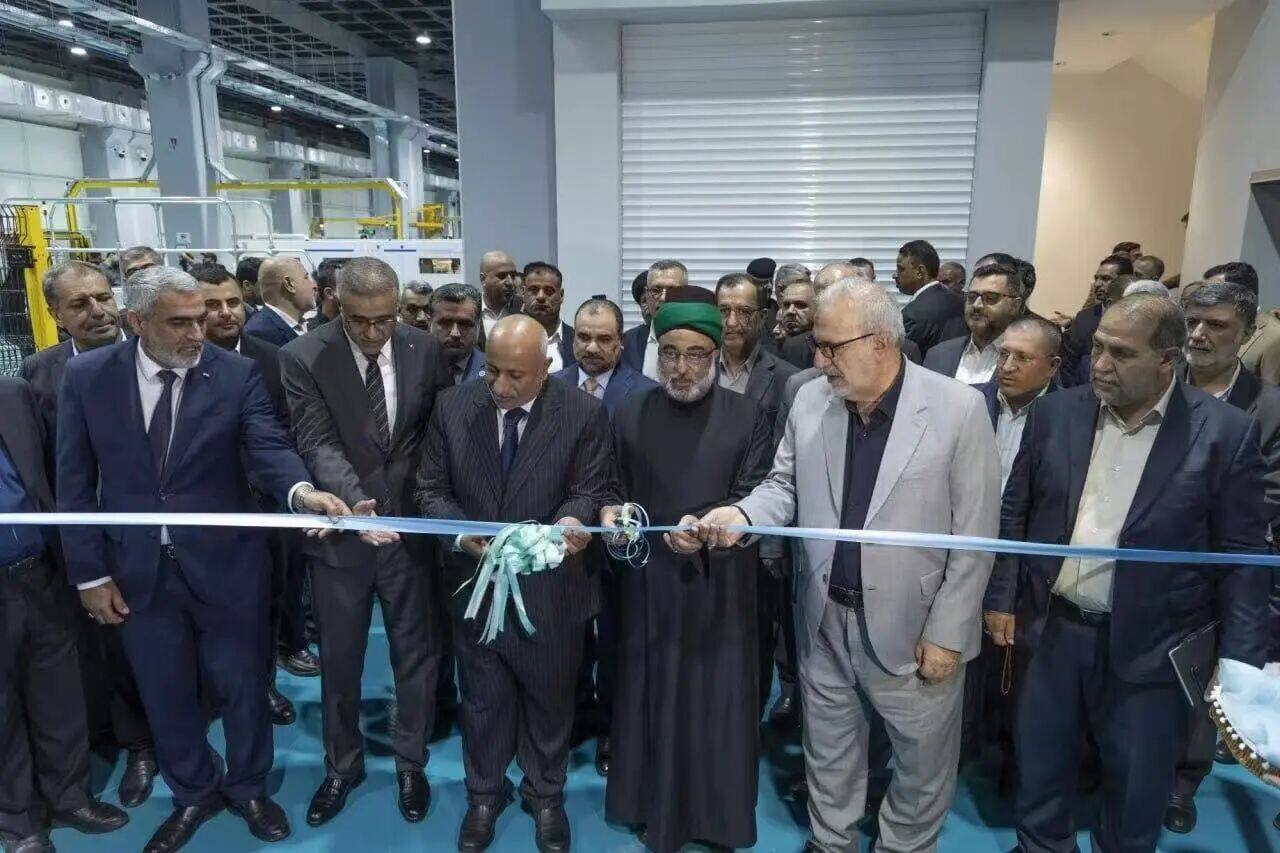
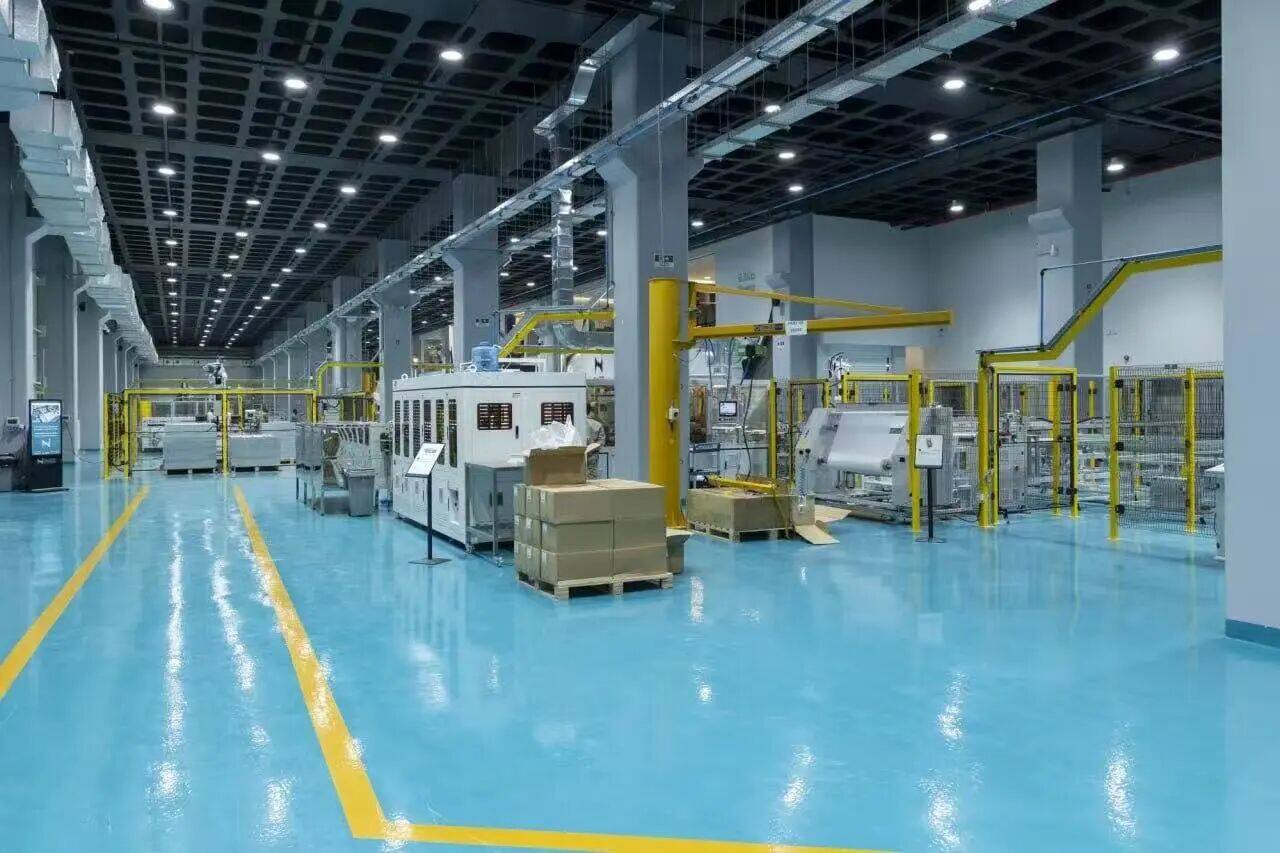
The factory is fully invested and operated by local enterprises, with a designed annual production capacity of 100MW and an annual output of approximately 120000 photovoltaic modules, suitable for various photovoltaic application scenarios. The production line has introduced Italian intelligent automation equipment and has multiple authoritative qualification certifications. The entire production and testing process is intelligent. The project provides over 300 job opportunities and cultivates local photovoltaic technology talents. The factory has sufficient lighting resources, convenient supply, and lower transportation costs. Senior officials from multiple departments in the country attended the production ceremony, highlighting the strategic position of the project's energy transformation.
Reasons for Building a Factory and Current Status of Cooperation with Chinese Enterprises
Iraq has abundant oil and gas resources but suffers from perennial power shortages, with thermal power accounting for over 90% of the total. The power grid is outdated and experiences prolonged power outages during the summer, with imported fuel adding to the financial burden. In the past, all photovoltaic equipment was purchased externally. The local government has introduced the 2030 New Energy Plan, which plans to install 12.5GW of photovoltaic capacity. Local factories are the key to achieving energy independence.
This factory construction did not involve Chinese participation, but Chinese enterprises are already core partners of Iraqi photovoltaics. China Energy Engineering Corporation, CNOOC, and Suzhou Zhongcai have landed multiple large-scale photovoltaic power stations in the local area; Large quantities of domestically produced photovoltaic equipment such as Longi and Tianhe have been exported locally and widely recognized. Iraq plans a 750MW large-scale component plant and is expected to introduce Chinese production lines and technology in the future. The local government continues to welcome Chinese companies to participate in energy construction.
Industry trends and long-term development plans
Saudi Arabia, the United Arab Emirates, and other countries have already established local photovoltaic production capacity, while new factories in Iraq are filling the gaps in manufacturing in West Asia. Middle Eastern countries are accelerating the localization of photovoltaics to reduce supply chain dependence, relying on high-quality sunlight to become the core incremental market for global photovoltaic installation, forming a new pattern of Chinese manufacturing+local supporting industries. Prioritize the supply of short-term factory products to the domestic market and reduce foreign exchange consumption; In the medium to long term, a 750MW large factory will be established to achieve self-sufficiency and radiate to neighboring Middle Eastern countries. The local supporting policies of tax exemption and low interest loans continue to activate the photovoltaic market. Keywords: Middle East, photovoltaics, new energy
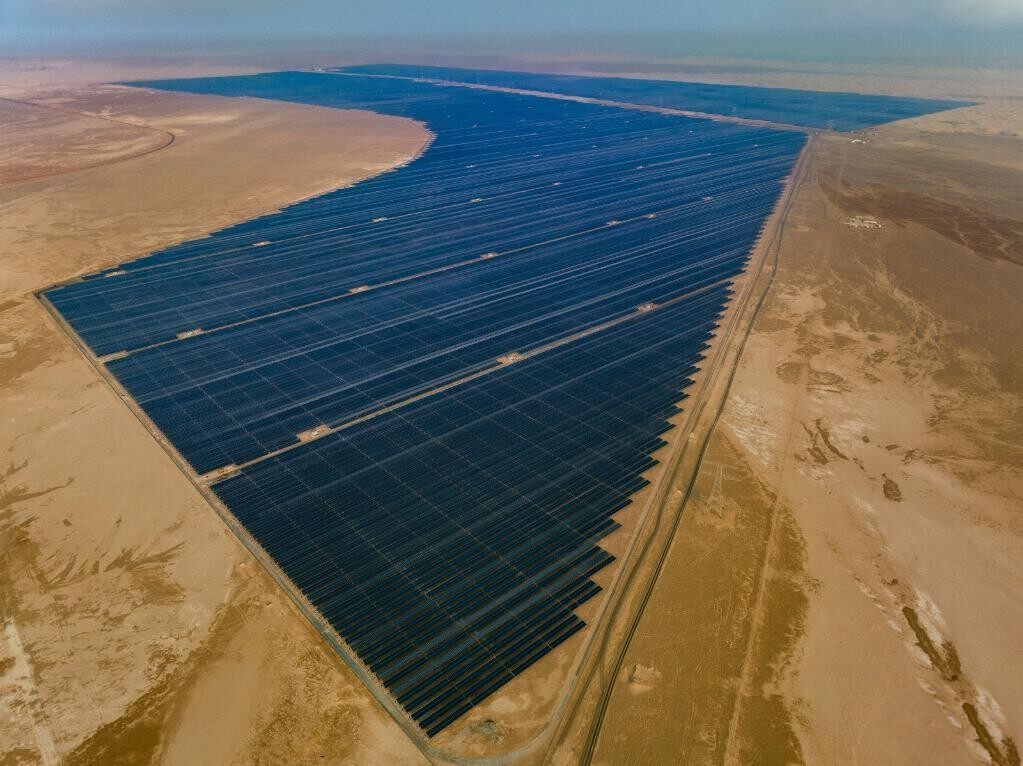
The 100 MW factory is an important milestone in Iraq's transition to a green economy. Although there was no Chinese participation in this production line, the complete and cost-effective Chinese photovoltaic industry chain deeply supports local energy transformation. With the wave of localization of new energy in the Middle East, the prospects for China's photovoltaic to go global are broad.Editor/Gong Ziwei
Comment


 Praise
 Collect
 Comment

 Share
Share


Write something~