 Search


- A natural gas artery from the Soviet era was activated in reverse thirty years later. Russia, Kazakhstan, and Ukraine join
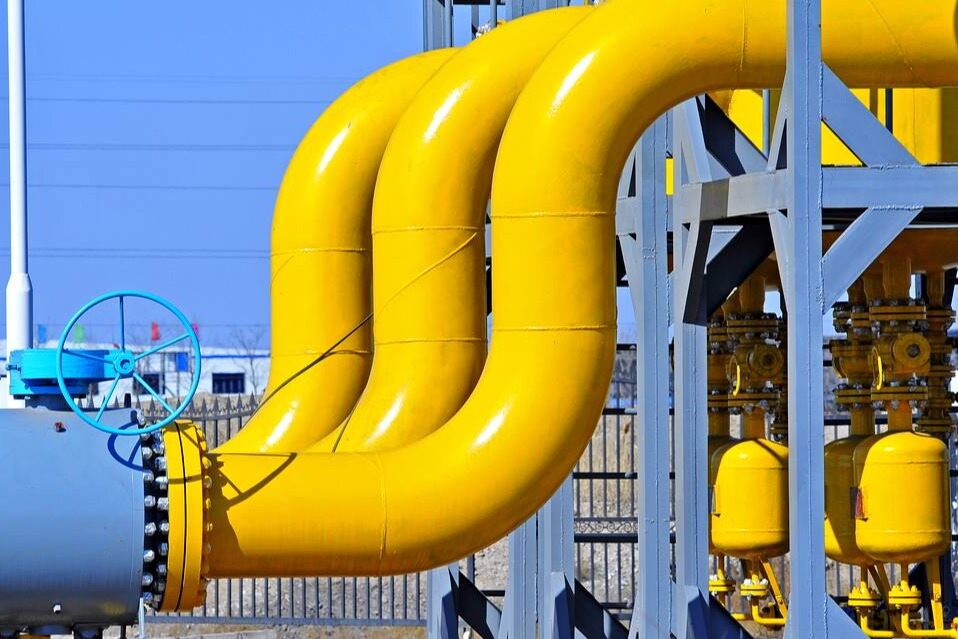
A Soviet natural gas artery built in the 1960s is being revitalized after thirty years of silence. In June 2026, the Minister of Energy of Kazakhstan confirmed at the St. Petersburg International Economic Forum that all pipeline renovation facilities in Kazakhstan have been completed and are ready to undertake Russian gas transit expansion at any time, with a target volume of 11 billion cubic meters per year. This number is nearly four times higher than the initial contract volume at the start of the project in 2023. The Central Asia Central Pipeline system, with a total length of about 2700 kilometers, is reconstructing the energy map of Central Asia in a reverse flow manner, transporting gas from the south to the north and then to the north and south.
From Soviet heritage to regional lifeline
During the Soviet era, the Central Asia Central Pipeline transported natural gas from Turkmenistan and Uzbekistan to the European part of Russia, with an annual designed capacity of 80 billion cubic meters. After the dissolution of the Soviet Union, the pipeline network was segmented and controlled by various countries, with aging facilities and lack of scheduling. Central Asian countries have become importing countries from exporting countries. Uzbekistan's natural gas production has dropped from 61.59 billion cubic meters in 2018 to 44.6 billion cubic meters in 2024, and 75% of its electricity still relies on natural gas for power generation, facing gas outages every winter. In 2023, the three countries of Russia, Kazakhstan, and Ukraine decided to reverse the use of this old pipeline and transform it into a combined gas transmission channel with a total length of 823 kilometers using two parallel lines, namely the САЦ -4 and САЦ -5. In October of that year, the heads of state of the three countries put the pipeline into operation, and this Central Asian energy artery, which was 30 years ago, was reborn in reverse.
From 2.8 billion to 11 billion
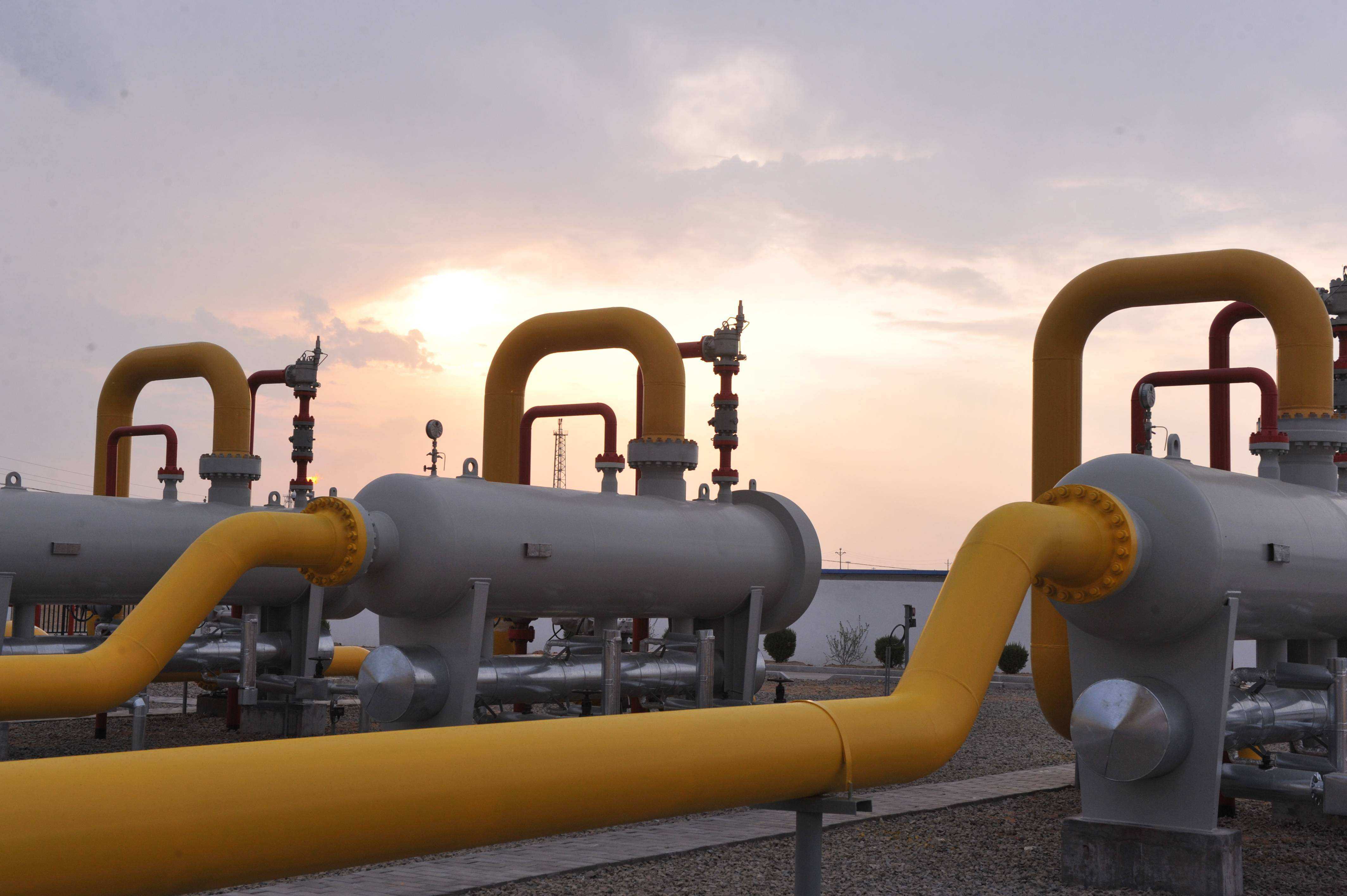
Since the start of the project, the gas transmission volume has been increasing year by year. From October to December 2023, it will transport 1.28 billion cubic meters in just three months of operation; By 2024, the total volume will reach 5.6 billion cubic meters, doubling the initial contract amount; By 2025, it will reach 6.48 billion cubic meters, a year-on-year increase of 14.89%; The long-term target is 11 billion cubic meters, which is about four times the initial contract volume. The initial contract was signed in June 2023, with an agreed annual gas supply of 2.8 billion cubic meters and a contract period of two years. In actual implementation, the delivery volume in 2024 will reach 20 times the contracted amount. In June 2024, Gazprom signed a 15 year transit transportation contract with Kazakhstan National Gas Company, valid until the end of 2040. At present, the daily gas transmission capacity is 18 million cubic meters, and the next stage goal is 11 billion cubic meters per year.
All parties' calculations and unsolved mysteries
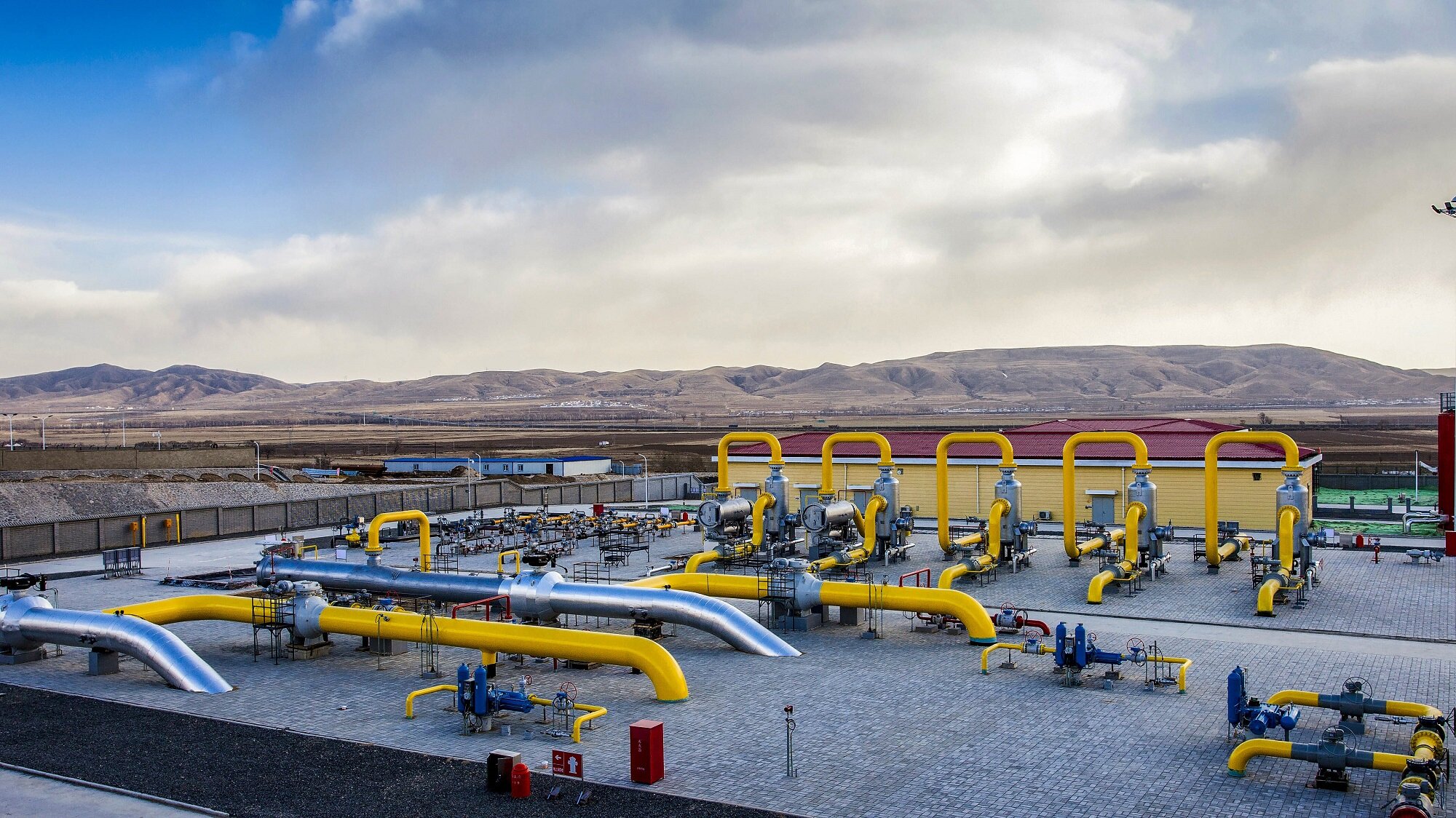
Due to European sanctions, Russia's exports have sharply decreased, and Central Asia has become a core incremental market for natural gas to shift eastward. Uzbekistan purchases gas at a price of about $160 per thousand cubic meters, relying on the Soviet Union's old pipelines for extremely low infrastructure costs. Kazakhstan charges transit fees and achieves two-way flow of pipelines, and its northern gas shortage can also be supplied by Gazprom. Uzbekistan aims to address the winter gas shortage for people's livelihoods and industry, with a total expenditure of 1.65 billion US dollars on imported natural gas by 2025. However, the key suspense remains unresolved: the long-term gas supply contract between Russia and Ukraine has not yet been signed, the original contract has expired, and the final gas supply volume and price depend on bilateral negotiations. Uzbekistan's natural gas production continues to decline - a year-on-year decrease of 4.5% in 2024 and another 3.1% in the first half of 2025, with increasing dependence on imports. The pipeline has been repaired and the gas is flowing, but the game of control over Central Asian natural gas has just begun. This is not only energy trade, but also the deepest reconstruction of the geopolitical and economic landscape in Central Asia in the past thirty years. Editor/Yang Beihua
Comment


 Praise
 Collect
 Comment

 Share
Share


Write something~