 Search


- A country that relies on hydropower for 85% of its electricity finally turns to sunshine for electricity
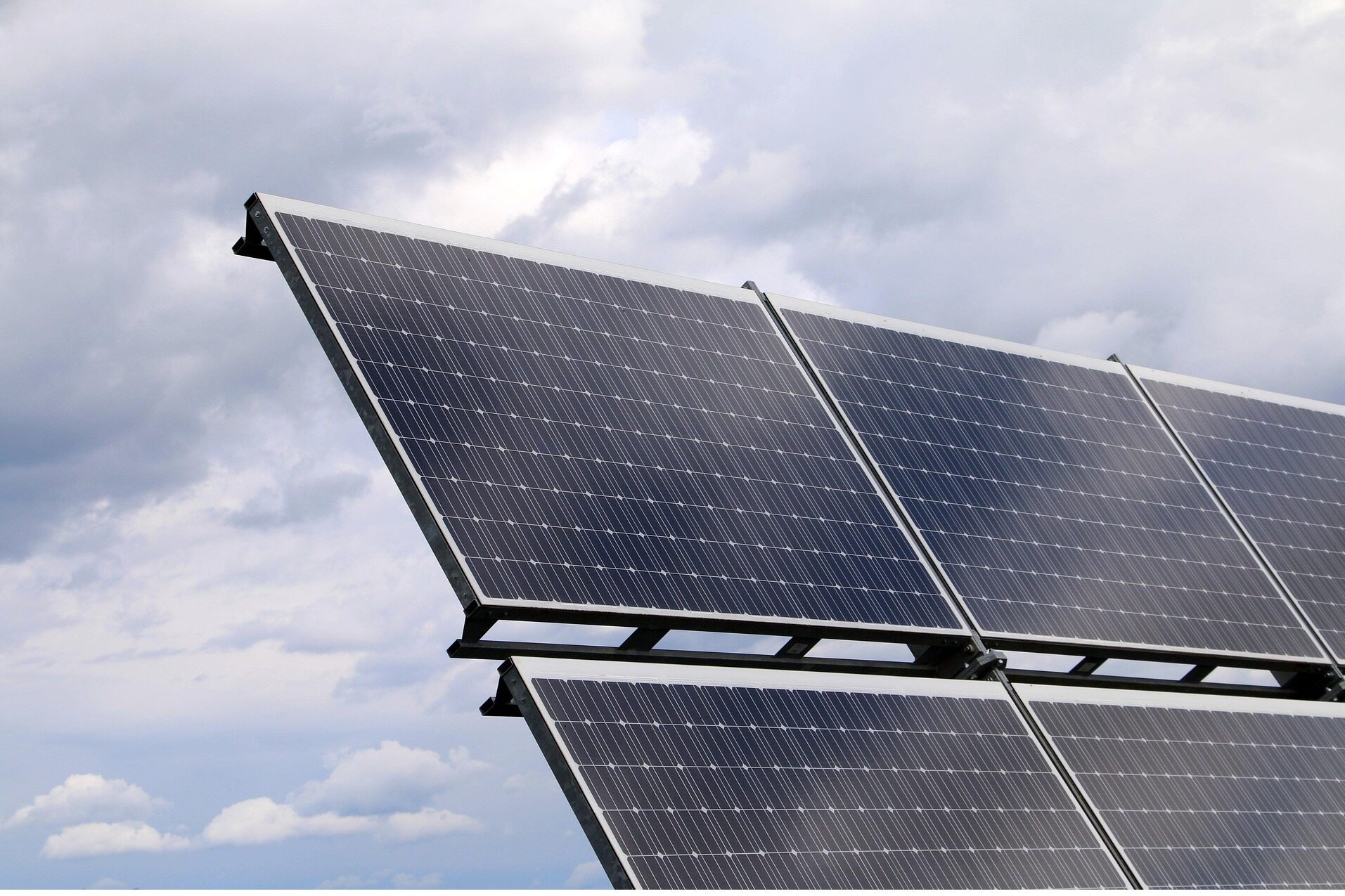
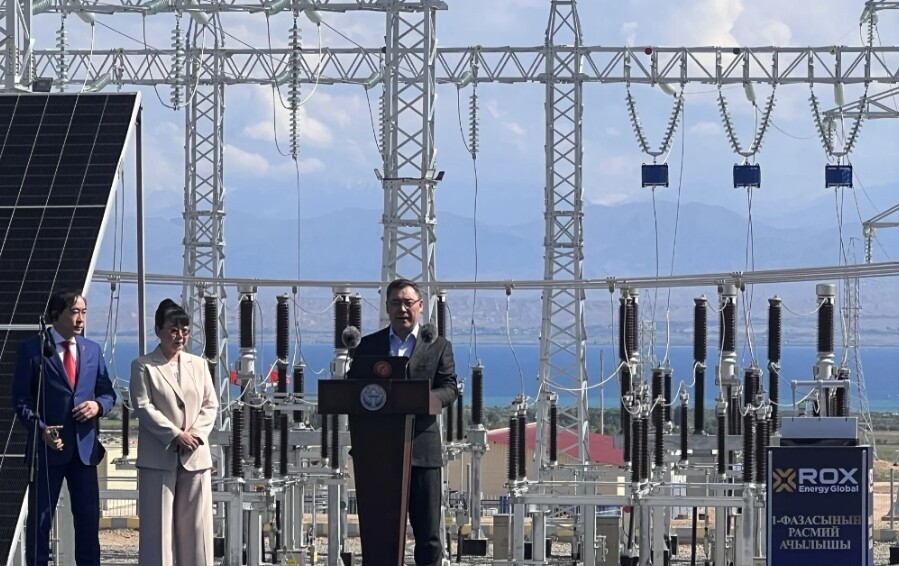
Kyrgyzstan's President Zaparov personally cut the ribbon for the largest photovoltaic power plant in Central Asia. The commissioning of the 175 MW Phase I is just an appetizer, and the 1900 MW plate behind it is the real signal. This landlocked country in Central Asia is using a power station to tell the market that hydropower cannot sustain it anymore, and photovoltaics must be installed.
Compulsory allocation of storage and bidding for land acquisition
The new Renewable Energy Law will be implemented in April 2026, with three changes to the rules: photovoltaic projects must be equipped with at least 30% capacity battery storage, electricity prices will be determined through bidding and will no longer be fixed, and land will be reclaimed by the state free of charge if it is not started for two years. But the discounts still exist, with imported equipment tax-free, land that can be used for up to 49 years, and a commitment from the power grid to purchase within 15 to 25 years.
85% of the electricity in Kyrgyzstan relies on hydropower, with a winter power shortage of about 4.2 billion kWh. Lake Issyk Kul receives over 3000 hours of sunshine per year, and its resource conditions are limited. Without photovoltaic power, it would be a waste. The first phase of 175 MW invested 130 million US dollars, generating nearly 200 million kilowatt hours of green electricity annually, and the presidential platform itself is the strongest endorsement.
The power grid and currency are two obstacles
There are almost no large-scale photovoltaic projects in Kyrgyzstan, and dozens of GW level projects are waiting to be built in the next few years. There is space for selling components, doing operation and maintenance, and rooftop photovoltaics in parks. Green electricity can also be exported to neighboring countries to obtain higher electricity prices. But the pit is also real: the power grid is old, and many substations have been in operation for more than 20 years, so the problem of electricity generation not being able to be transmitted is a reality. The local currency is unstable, although there are foreign currency lock up clauses, the finance of State Grid Corporation of China is average. It is recommended to seek guarantees from the Green Energy Fund. Policies can change at will, and we must be particularly vigilant before and after elections. Keywords: new energy projects, photovoltaics
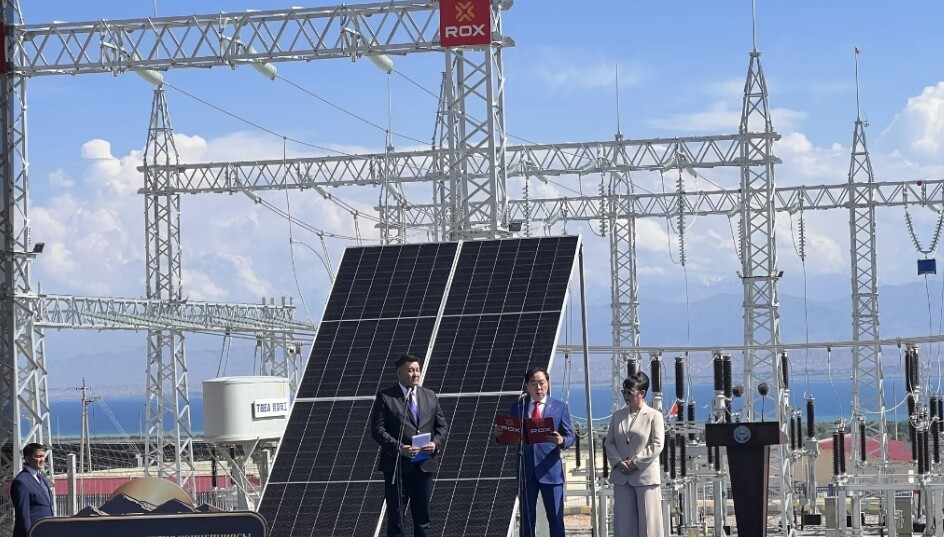
The commissioning of ROX Lake marks the official entry of Kyrgyzstan into the era of large-scale new energy. Mandatory storage allocation and bidding for land have indeed raised the entry threshold, but there is still a shortage of electricity, long-term power purchase contracts have been obtained, and the policy framework is still friendly to foreign investment. For Chinese companies with technological and financial strength, opportunities are not gone, but they have shifted from picking up loopholes to relying on their abilities to make a living. This market is not lacking in demand, what is lacking are players who can withstand system risks.Editor/Cheng Liting
Comment

 Praise
 Collect
 Comment

 Share
Share


Write something~