 Search


- The project helps the Philippines to connect infrastructure and deepen the Belt and Road cooperation

Recently, the Director of the Philippine Mindanao Development Agency confirmed to the outside world that the agency has recently held several rounds of talks with Chinese enterprises, focusing on the cooperation of the Mindanao railway project. Three years ago, it was the Philippines' unilateral abandonment of China's financing plan that caused the 1544 kilometer railway artery to come to a standstill. Now, the Philippines has taken the initiative to restart contacts, marking the turning point of this important connectivity project under the Belt and Road Initiative.

After being put on hold for three years, we will re engage with the Chinese side
In 2023, the Philippines rejected China's financing plan due to differences in loan conditions and subsequently turned to the Japan International Cooperation Agency for support, but to no avail. In 2026, as the project did not receive national budget funding, the Philippine Ministry of Transport plans to update the 2018 version of the feasibility study and re evaluate passenger flow forecasts and cost estimates. The Mindanao Development Agency actively invites Chinese enterprises to participate in consultations, covering cooperation in multiple fields such as railways, bridges, ports, and airports.
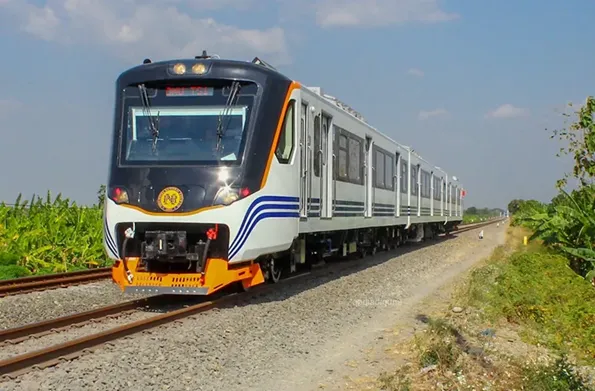
Prioritize the promotion of the Tagum Digos section
The Tagum Digos section of Mindanao Railway Phase I Project is about 100km long, with 8 stations, and construction will be started first. This section connects economic centers such as Davao and General Santos, and is the backbone of north-south transportation in Mindanao. The Philippines is studying the dual track financing model of official development assistance and public-private partnerships to create conditions for project implementation. Keywords: the Belt and Road news, railway infrastructure
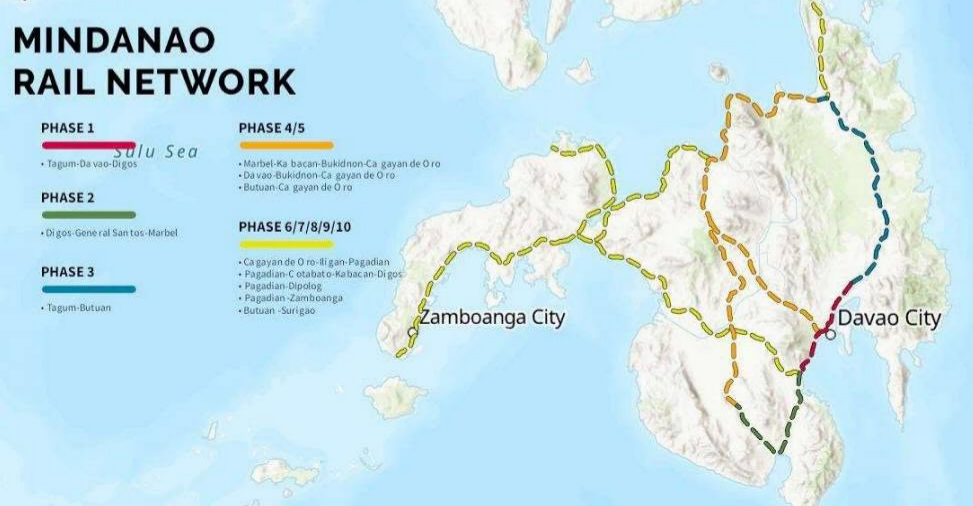
Feasibility Study on Accelerating Phase III Project
The third phase of the project connects Cagayan de Oro city, Larkin Dinan International Airport, and Mindanao Container Port, with a total length of 61 kilometers and an estimated total investment of 100.64 billion pesos. It is planned to be promoted through a public-private partnership model. The Philippine Ministry of Transport stated that the feasibility study for Phase III is being accelerated to attract new development partners to participate in the construction.Editor/Gao Xue
Comment


 Praise
 Collect
 Comment

 Share
Share


Write something~