 Search


- Coordinate the joint scheduling of irrigation season and heating season
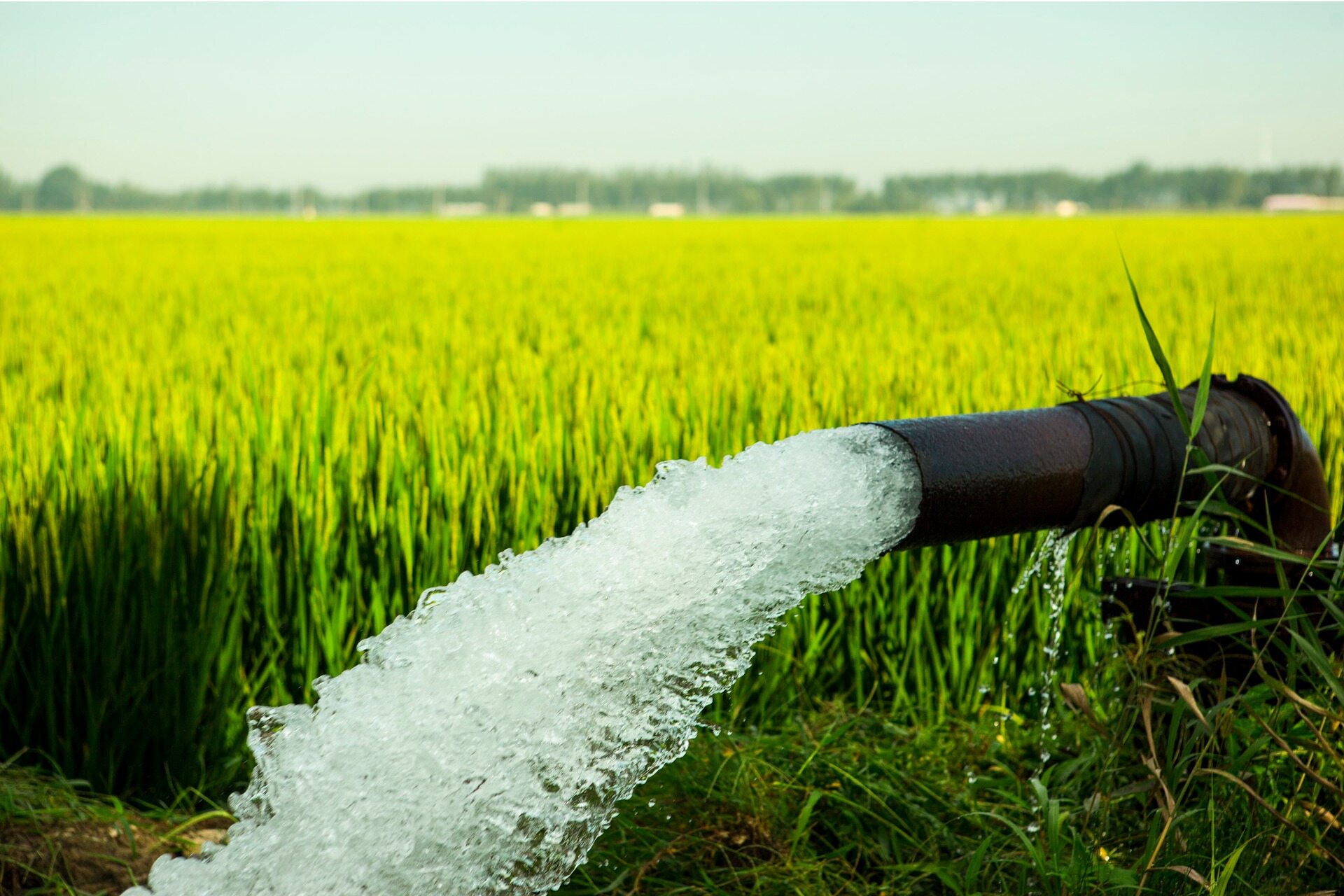
On an early summer afternoon in Bishkek, Kazakhstan's Deputy Minister of Energy, Sanzar Zarkshov, sat around a conference table with heads of water resources and energy authorities from Kyrgyzstan and Uzbekistan. On the table, there is a scheduling plan related to agricultural irrigation and winter heating for the Three Kingdoms in the coming year. The land of Central Asia has always been dependent on water, with Kyrgyzstan upstream having the key water hub of the Toktogur Reservoir, while the vast farmland in southern Kazakhstan and Uzbekistan downstream relies on its summer water release; On the other hand, when there is a shortage of electricity in the upstream during winter, it is necessary for the downstream two countries to provide reverse power supply in order to release less water and store more water. After several hours of negotiations, the three parties finally signed a water energy cooperation agreement - this is not a simple diplomatic document, but a joint action framework that includes the concept of "water energy exchange".
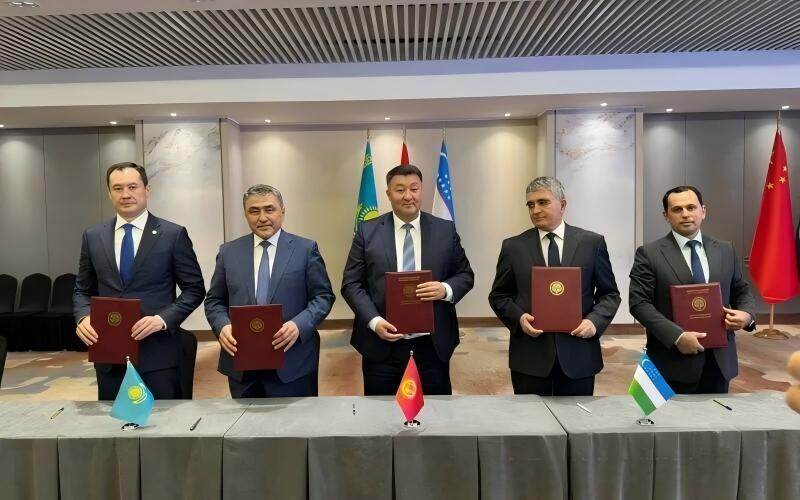
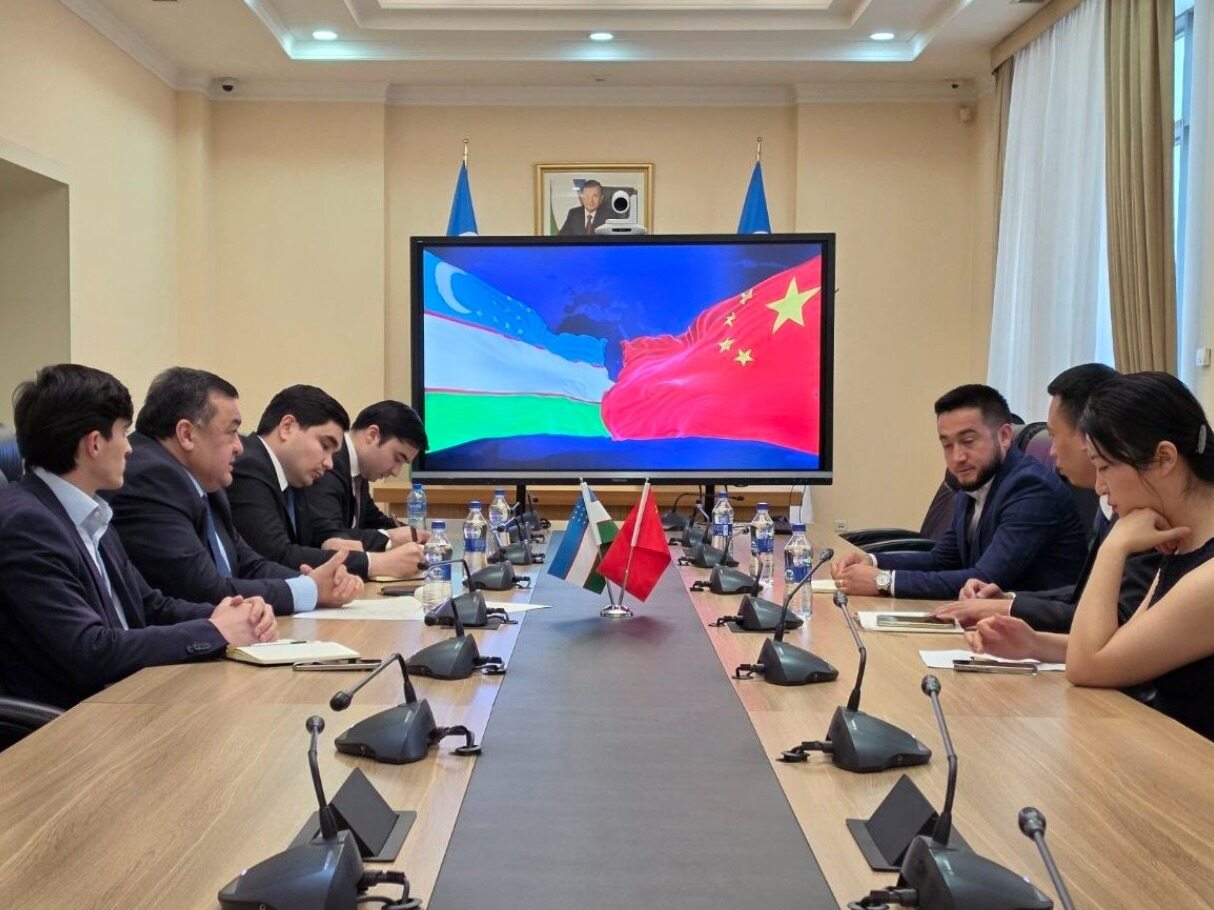
Three party meeting to agree on joint scheduling
The heads of the water resources and energy authorities of the three countries held a trilateral meeting in Bishkek, and the Kazakhstan delegation was personally led by Deputy Minister of Energy Sanzar Zarkshov. The focus of the talks will be on ensuring the stable operation of the regional energy system, rational utilization of cross-border water resources, and coordinating the upcoming irrigation season and joint actions in autumn and winter for in-depth exchanges. All parties unanimously agree that maintaining regular constructive dialogue and deepening pragmatic cooperation are prerequisites for strengthening energy security and promoting regional sustainable development.
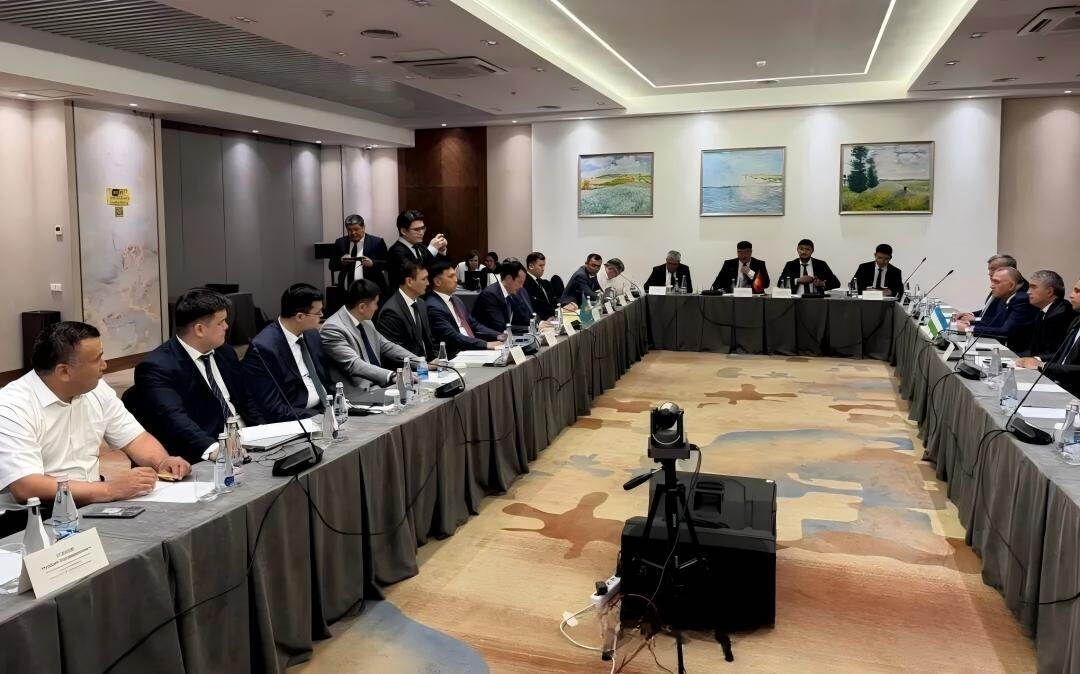
Replacing power supply with water storage to solve the contradiction between water and energy
The core logic of this agreement continues the classic "water energy complementarity" model in Central Asia: Kazakhstan and Uzbekistan supply electricity to Kyrgyzstan in the autumn and winter seasons, reducing the winter power generation of the Toktogur hydropower station to accumulate water; The stored water will be released downstream during the irrigation season of the following year, ensuring water supply for the southern agricultural areas of Kazakhstan and Ukraine. In addition, the three parties also clarified the technical conditions for the transit of Russian electricity through the Kazakhstan power grid to Kyrgyzstan, and agreed that Ukraine will supply approximately 900 million kilowatt hours of electricity to Kazakhstan from March to December 2026 to make up for the maintenance period gap of the power station in southern Kazakhstan. This off-season complementarity is seen as the optimal solution that balances the interests of the three countries.
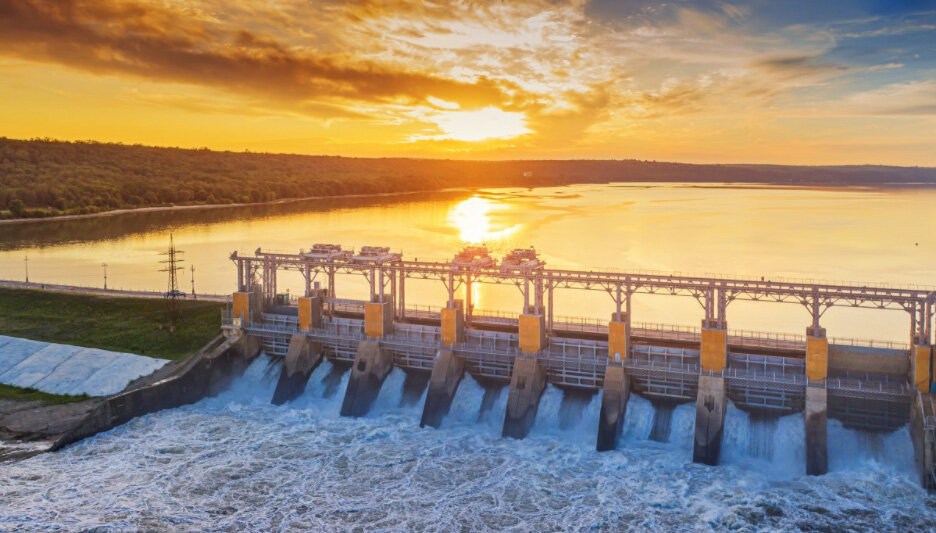
The protocol specifies the direction of cooperation for the next stage
The water energy cooperation agreement officially signed based on the results of the talks has clarified the direction and specific working mechanism for the next stage of cooperation, aiming to strengthen regional partnerships, improve the efficiency of water energy cooperation, and promote the sustainable development of the Central Asian water energy complex. The three countries reiterated their commitment to continue promoting mutually beneficial cooperation in areas such as power supply interconnection, stable operation of energy systems, and coordination of water energy dispatch. The attending representatives emphasized that efficient cooperation in water and energy can help consolidate good neighborly and friendly relations, and enable Central Asian countries to truly work together in the face of climate change and resource constraints.Editor/Yang Meiling
Comment





 Praise
 Collect
 Comment

 Share
Share


Write something~