 Search


- In June 2026, the reform of low altitude airspace in 12 cities will come to an end, and the UOM platform will be fully operational

In June 2026, the 12 pilot cities in China will complete the classification and management reform of 0-300 meter low altitude airspace, and Shenzhen, Chengdu, Guangzhou and other places will achieve second level approval of normal flight permits. The national level UOM platform and USS navigation service system have been fully launched, and the real name registration and activation of drones are mandatory to land according to national standards. The airspace has been transformed from a no fly zone to a navigable network. 75% of the urban area has achieved Class W opening, and flights below 120 meters do not require approval, only platform reporting is required, and institutional barriers have been completely eliminated.

Scene scale implementation
Low altitude economy bids farewell to pilot programs and enters the period of commercial harvesting. DJI, Fengyi Technology, Daotong Intelligence and other enterprises have completed the full chain automation deployment of power inspection, traffic law enforcement, urban governance and other scenarios. A single airport can manage dozens of drones, and the accuracy of AI defect recognition exceeds 98%. Cross Bohai Hongyan drone route achieves a 2-hour direct delivery, reconstructing the logistics spatiotemporal logic; Kunming has launched a direct flight route to wild mushroom production areas, and Liangping, Chongqing has built a low altitude, agricultural, and logistics demonstration zone, forming a comprehensive commercial closed loop.
Restructuring of Talent Structure
By 2026, the employment rate of graduates majoring in low altitude technology and engineering will exceed 95%, with an average starting salary of 24000 yuan/month, which is 40% higher than traditional engineering majors; The first graduate of Low altitude Economics and Management at the University of Chinese Academy of Social Sciences has been highly sought after by central enterprises, local governments, and top platform enterprises, with positions covering high-end functions such as project coordination, scenario operation, compliance and risk control. According to data from Liepin, the recruitment volume for low altitude infrastructure and information service positions has surged by 155% year-on-year, and the talent gap continues to widen, with salary premiums remaining stable at over 30%.
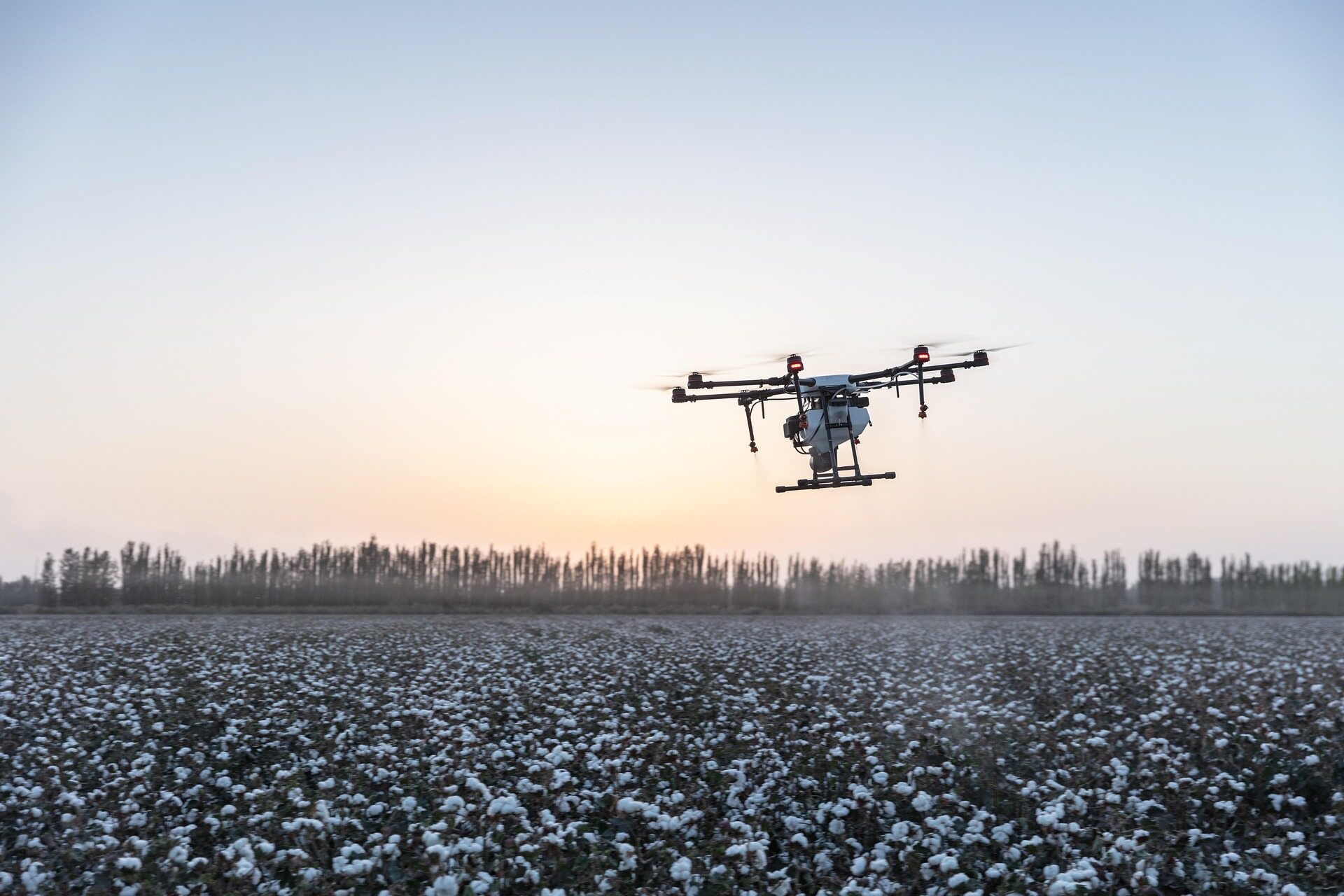
Kunming and Chongqing become new growth poles
Seven low altitude key projects will be implemented in Kunming in 2026, with a total investment of 677 million yuan, covering flight testing, whole machine manufacturing, wild mushroom logistics, government aviation, and cultural tourism experience, and building a manufacturing operation service loop. Keywords: low altitude economy, low altitude technology
Chongqing relies on the West China International Fair platform to promote local enterprises such as Lankong and Zongheng Kunlun to form a low altitude+emergency+agricultural characteristic ecology, becoming the core pivot of the low altitude economy in the western region. Although Zhangye in Gansu Province has not been included in the first batch of pilot projects, the regional collaborative network adjacent to Qinghai and Ningxia is accelerating and is expected to undertake the function of a low altitude logistics node in the northwest in the future.Editor/Cheng Liting
Comment


 Praise
 Collect
 Comment

 Share
Share


Write something~