 Search


- Expected to enter mass production in 2028, it will fill the gap of high-power rotary engines in China
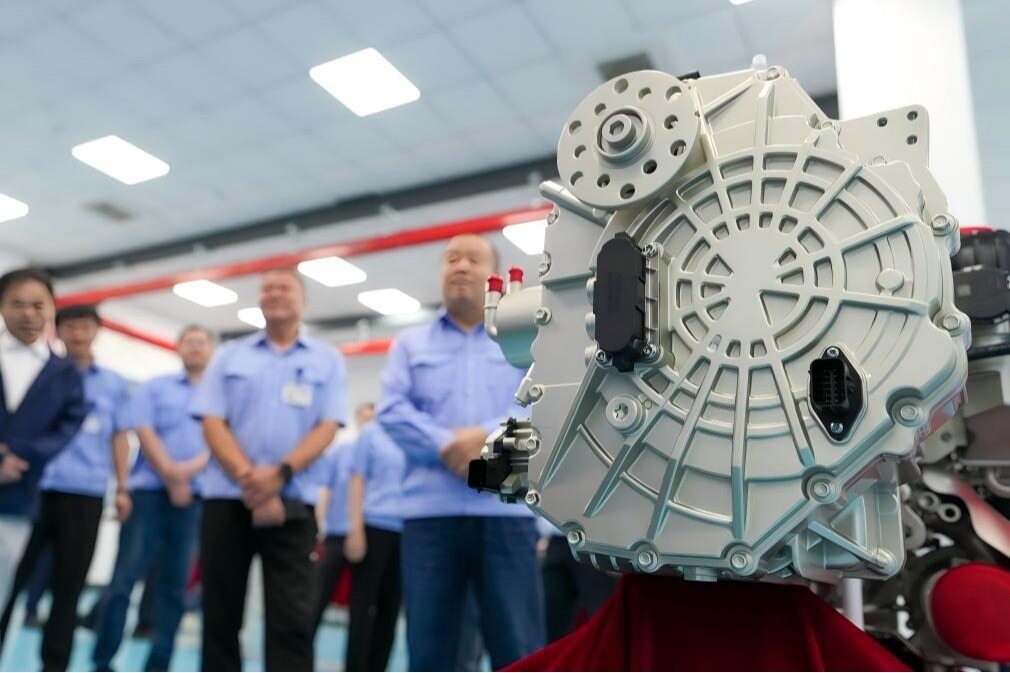
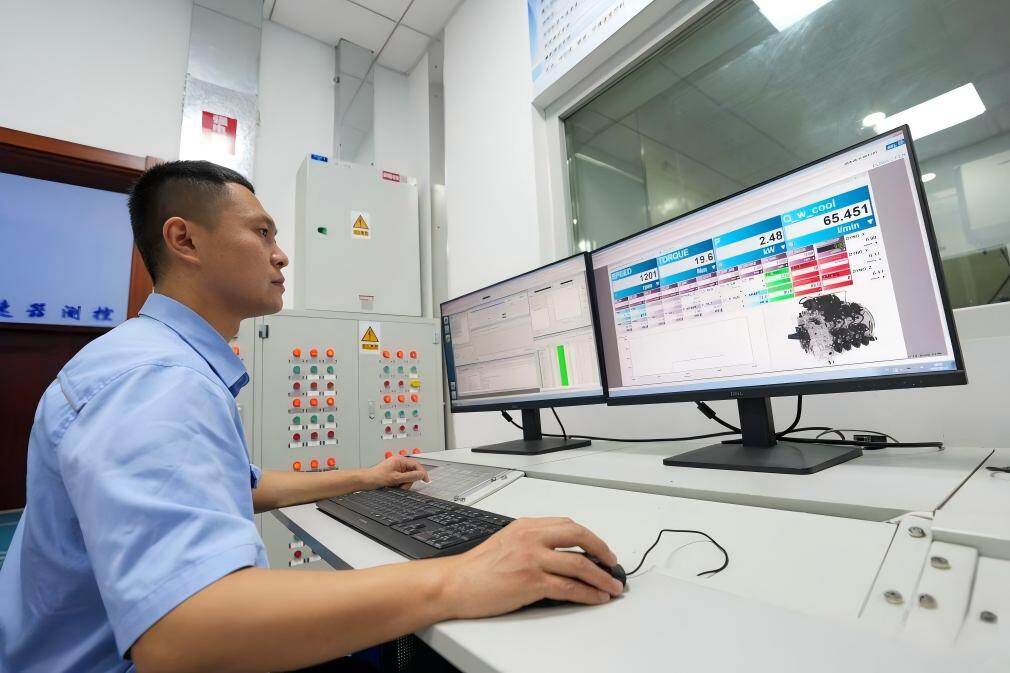
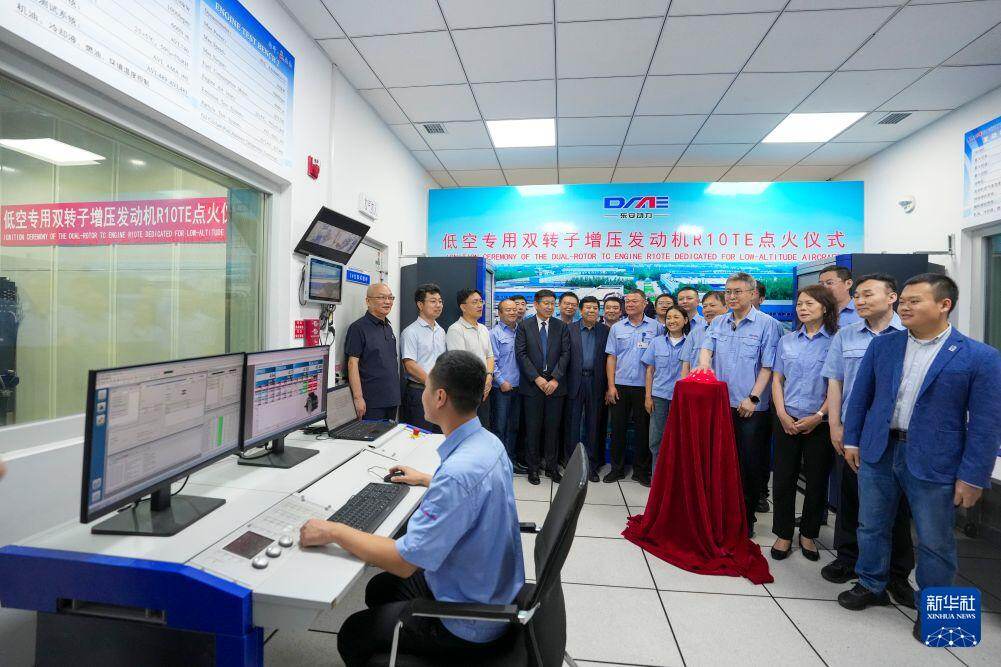
On June 17th, at the Harbin Dong'an Power Advanced Power System Research Institute, with a crisp roar breaking through the tranquility of the laboratory, a twin rotor turbocharged engine codenamed R10TE was instantly ignited. This is not only a successful ignition test, but also the first beating of a strong "heart" in China's low altitude economy.
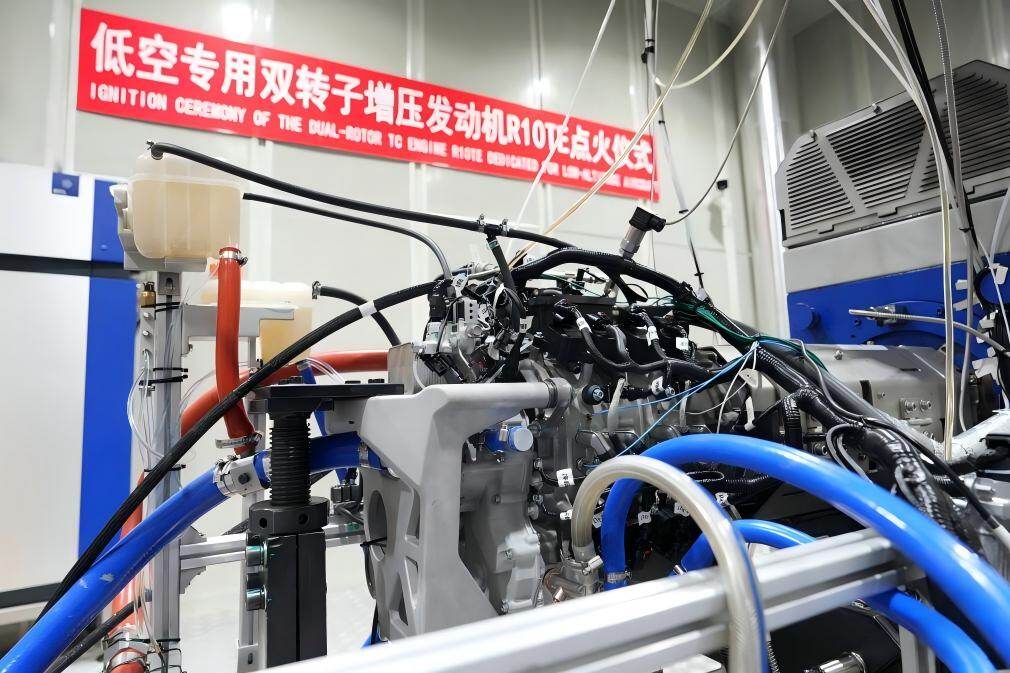
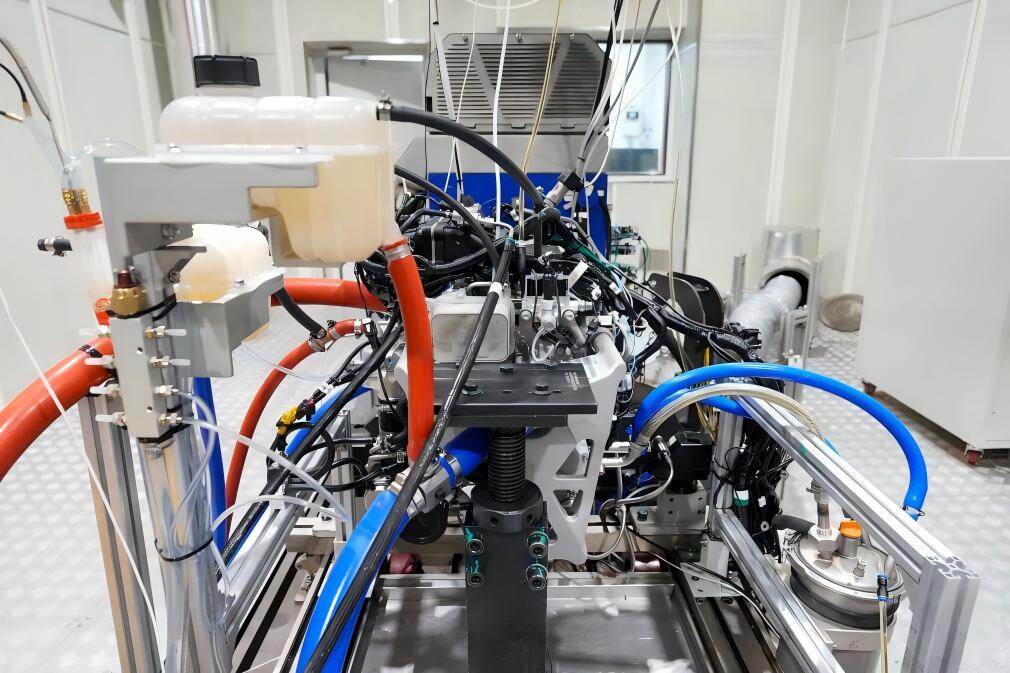
This engine, jointly developed by Dong'an Power and Liszt Technology Center (Shanghai) Co., Ltd., has evolved from the mature single rotor engine R05E. It adopts a 1.0-liter dual rotor and turbocharged infrastructure, with an output power of over 120 kilowatts at a rated speed of 5500 revolutions per minute. This means that after piston engines, China has made a key breakthrough in another path of power technology.
Ultimate lightweighting
In order to gain an advantage in fierce low altitude competition, R10TE has achieved the ultimate goal of "reducing weight and increasing efficiency". This model adopts the verified independent circuit dual ignition system and precision sand casting technology of the previous generation products, ensuring the reliability of the foundation.
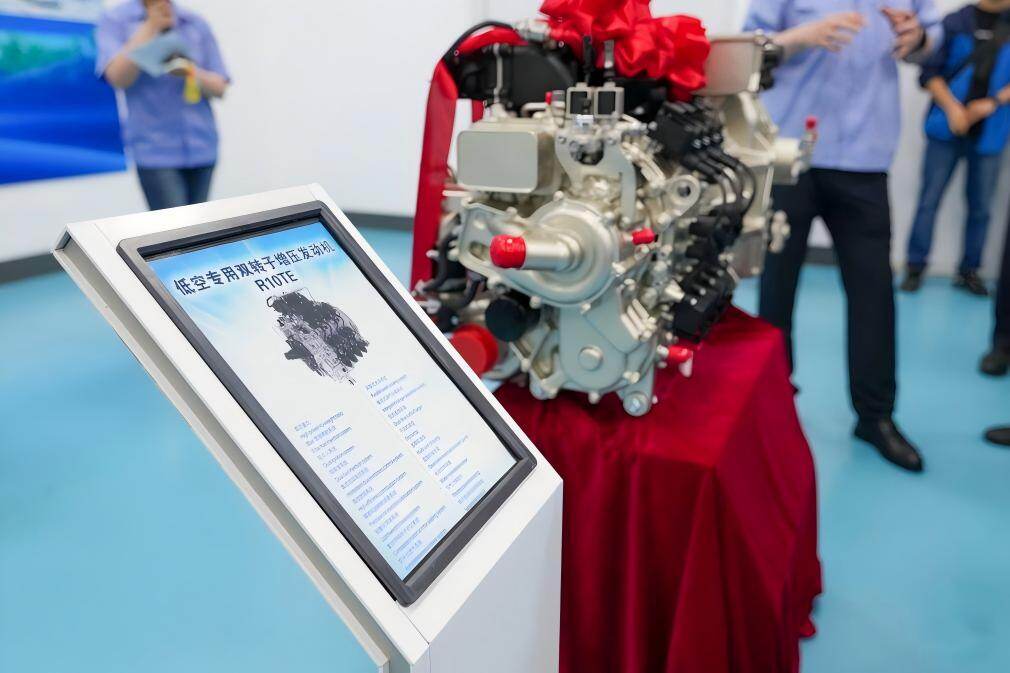
On the innovation level, the R&D team has equipped it with a compression ratio of up to 11.5 and a dual channel supercharger, combined with advanced composite material sealing system and lightweight aluminum alloy shell, making the power to weight ratio of the whole machine reach an astonishing 1.8 or above. This high power density characteristic is the key to solving the pain point of "difficult load capacity" for aircraft.
The essential need for low altitude economy
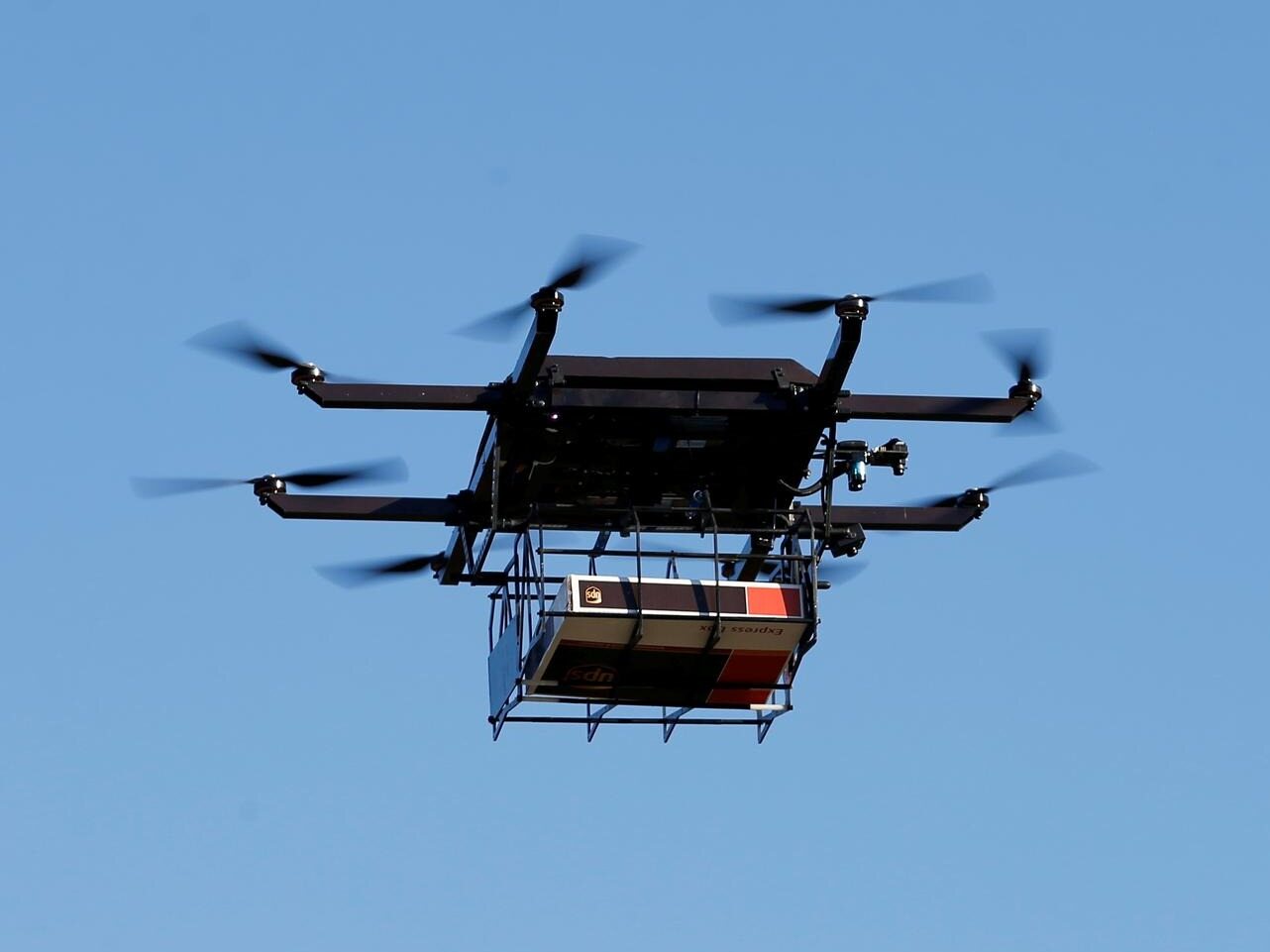
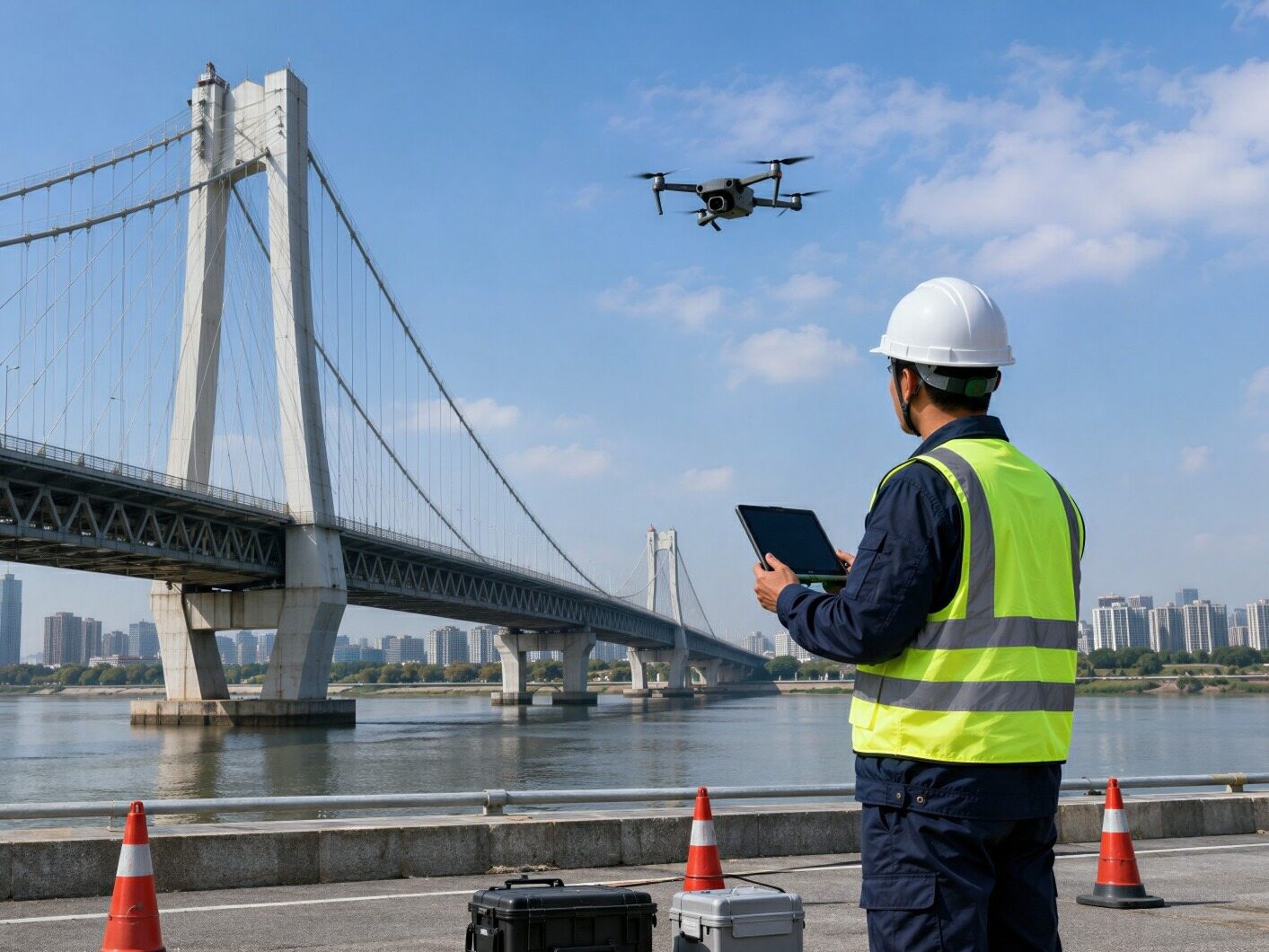
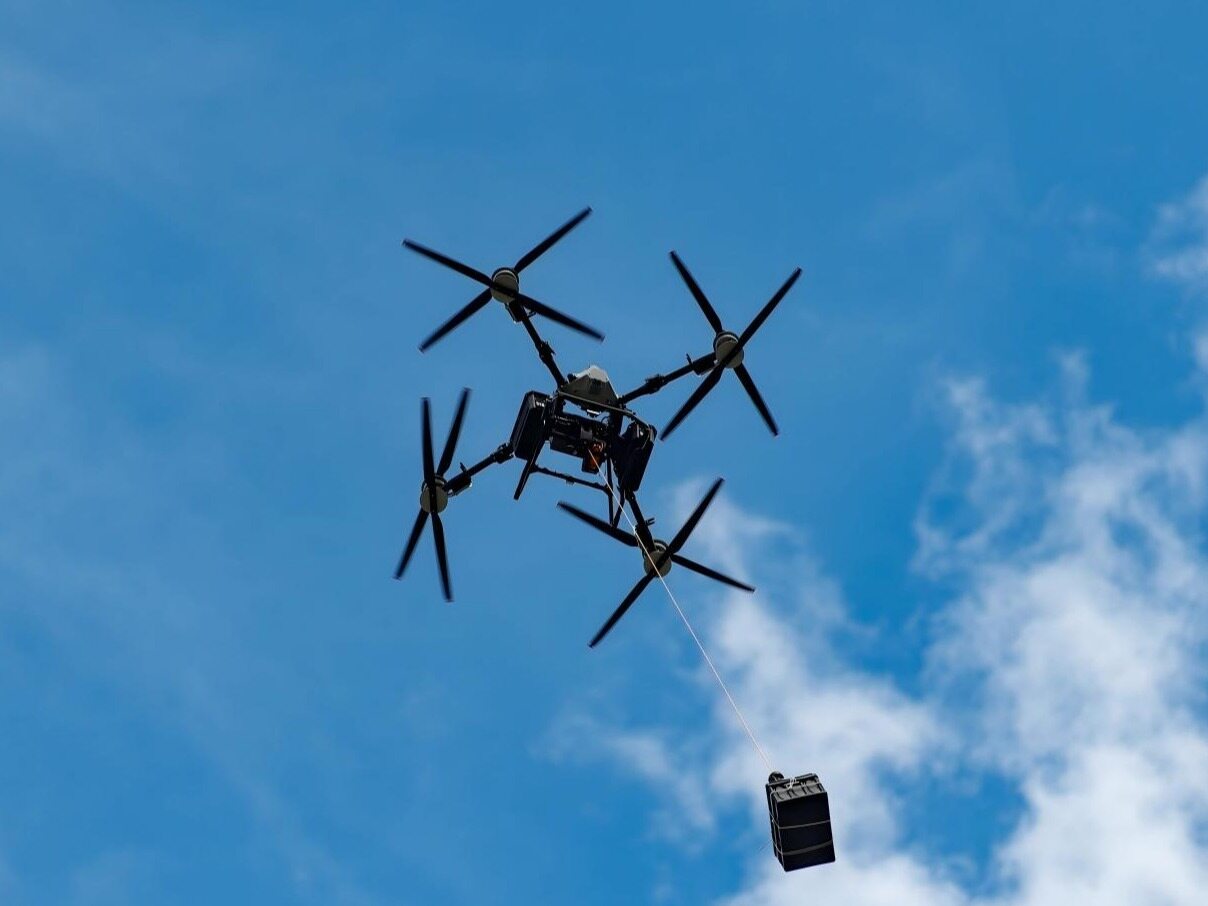
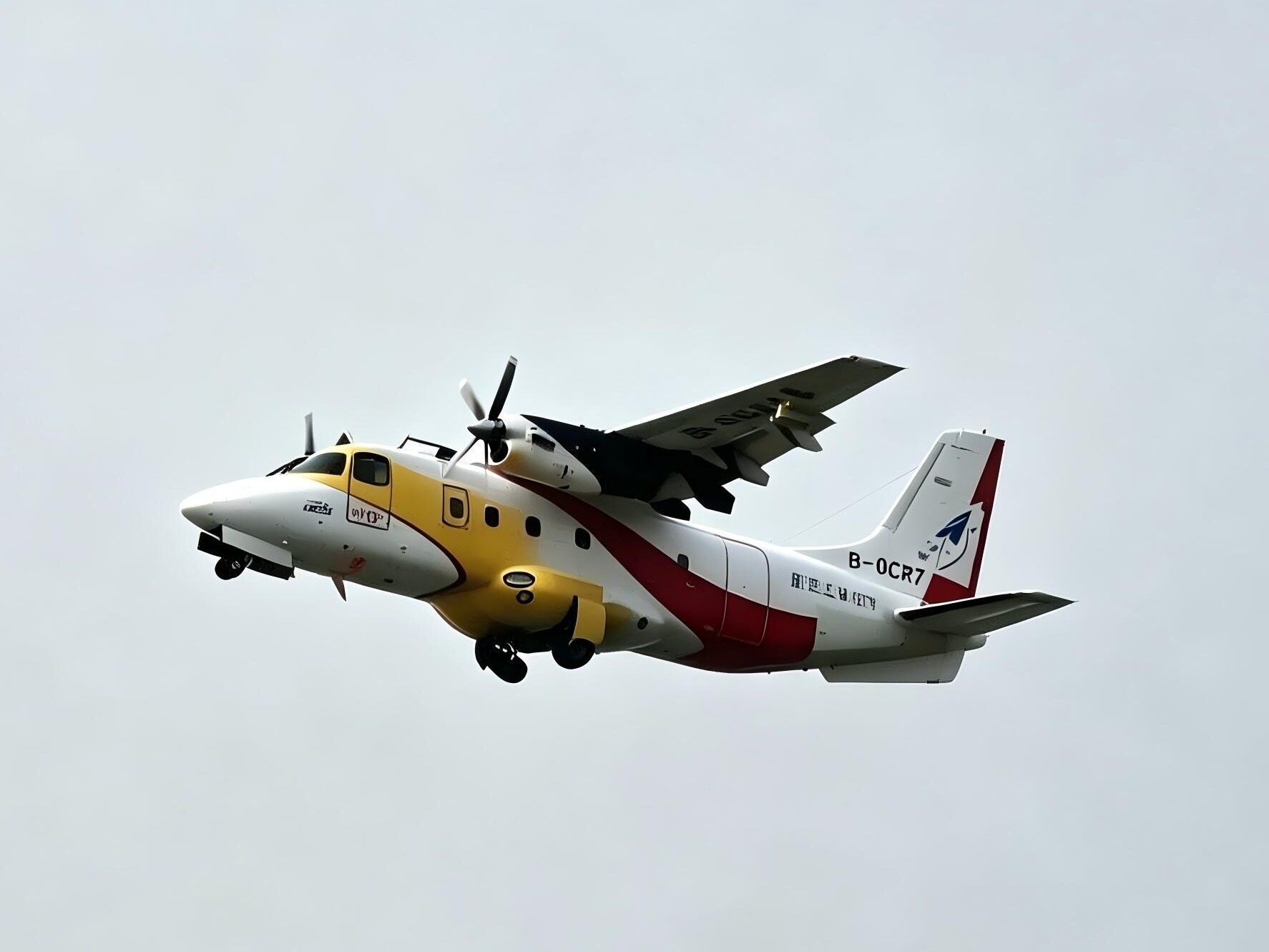
Low altitude economy, as a representative of new quality productivity, is becoming a strategic highland for global competition. Whether it is urban air traffic (UAM), medium to long range logistics distribution, or air tourism projects, strict requirements are placed on the power system: small size, low noise, and smooth operation.
The rotary engine, with its natural high power density and excellent NVH (noise, vibration, and harshness) performance, perfectly meets this market demand. The successful development of R10TE is aimed at precisely addressing the power gaps in these emerging fields.keywords:low-altitude economy
Fill the gap in domestic production
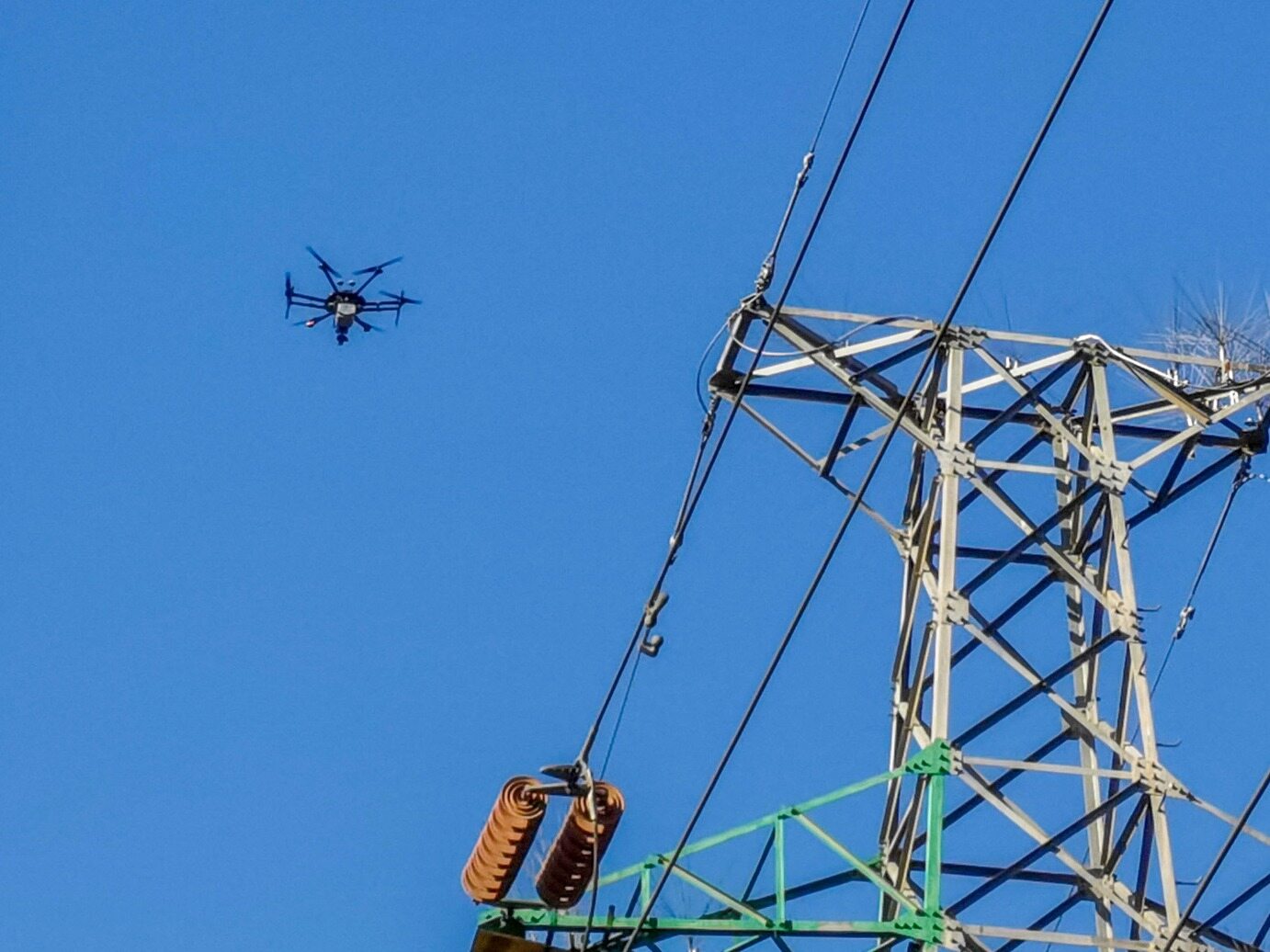
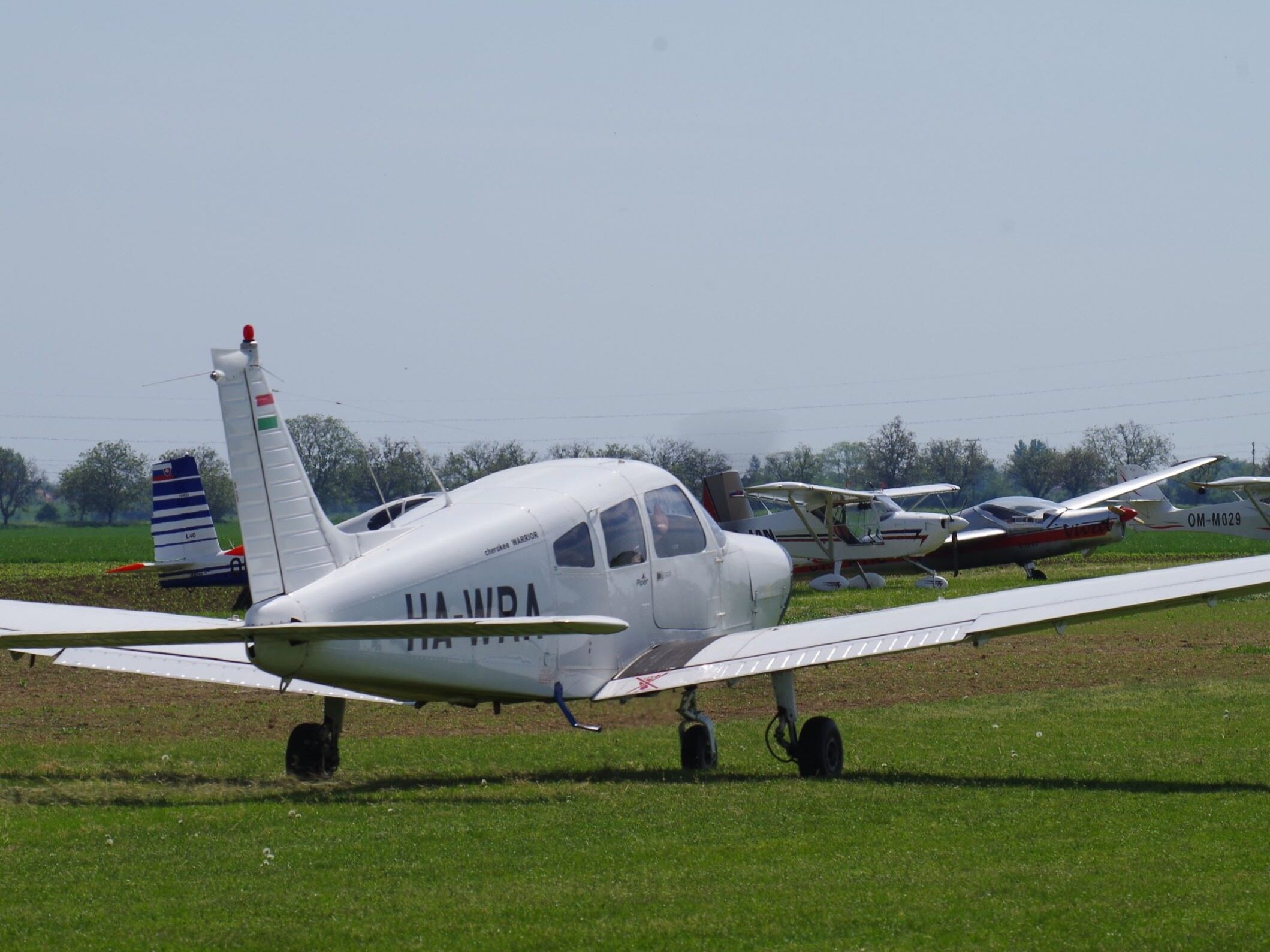
For a long time, high-power rotary engine technology has been a weakness in China's aviation power field. The emergence of R10TE not only breaks the technological monopoly of foreign countries in this field, but also provides more diverse power options for domestically produced electric vertical takeoff and landing aircraft (eVTOL) and drones.
According to the plan, this engine is expected to officially achieve mass production in 2028. At that time, this strong 'Chinese heart' will help more domestically produced aircraft soar into the sky, accelerating the commercialization process of low altitude economy.Editor/Yang Meiling
Comment

 Praise
 Collect
 Comment

 Share
Share


Write something~