 Search


- Guterres points out that clean energy is the only way out, calls for a just transition and global climate cooperation
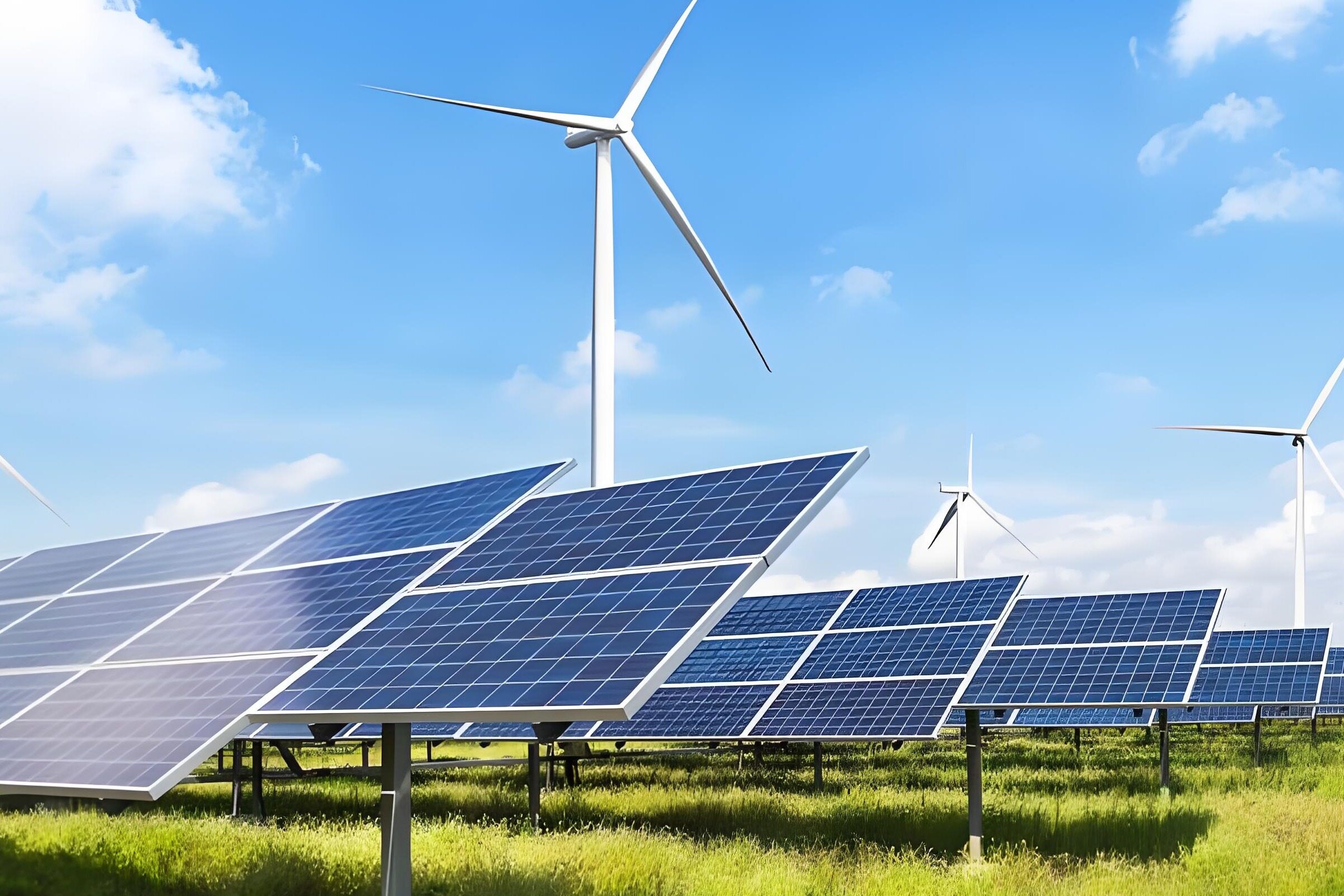
On June 23, 2026, at the venue of London Climate Action Week, UN Secretary General Guterres made a cautionary analogy to a global audience: the critical point of Earth's climate is like an object in a car rearview mirror - it may seem far away, but it is actually within reach. In the context of Dickens' "best and worst of times", he bluntly stated that the world is deeply mired in a "dual crisis" of climate and energy, and the same force that has dragged humanity into danger and provided the only way out is fossil fuels. This speech is not only a questioning of the current situation, but also the final mobilization of global transformation determination.
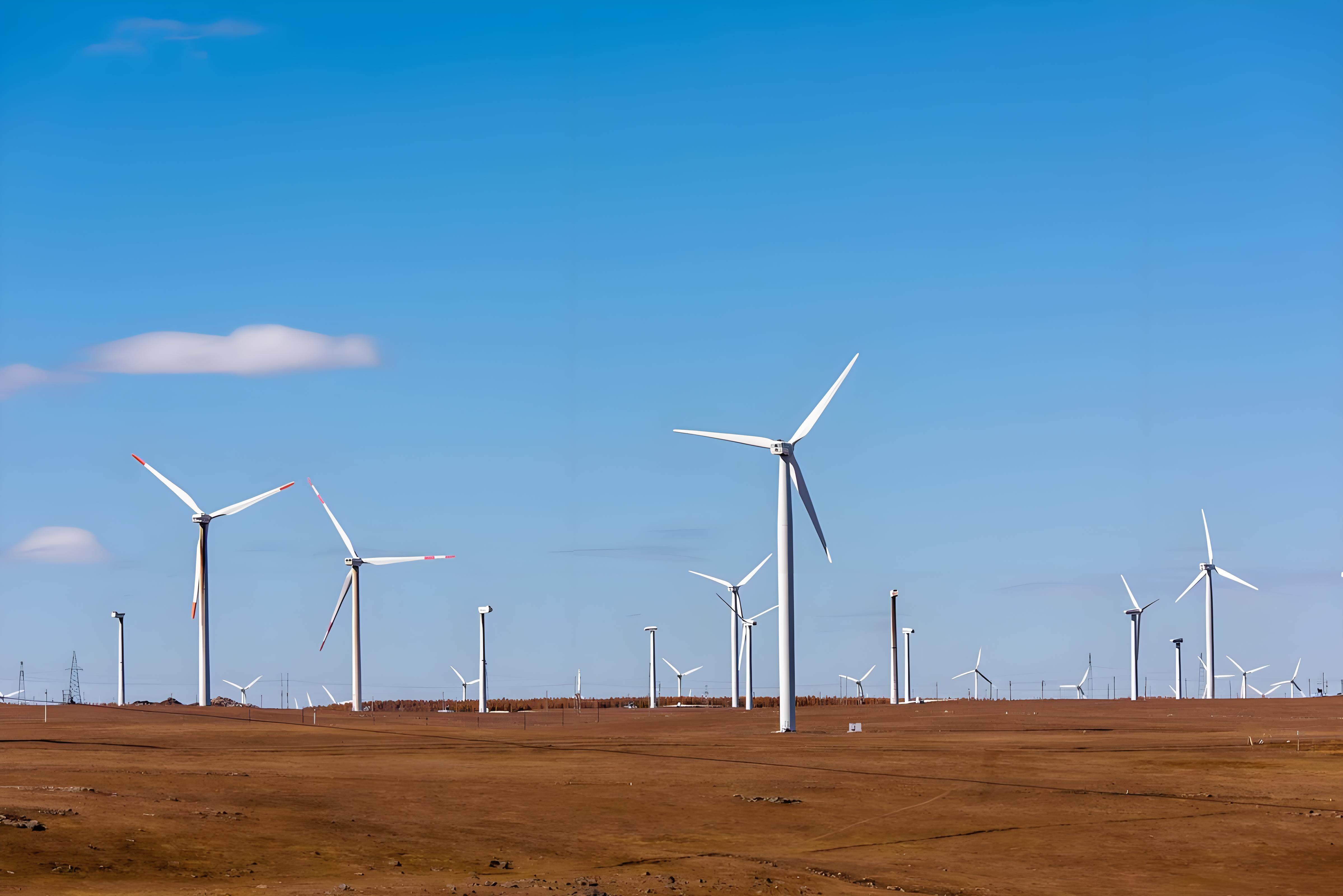
The climate red line is frequently in urgent need
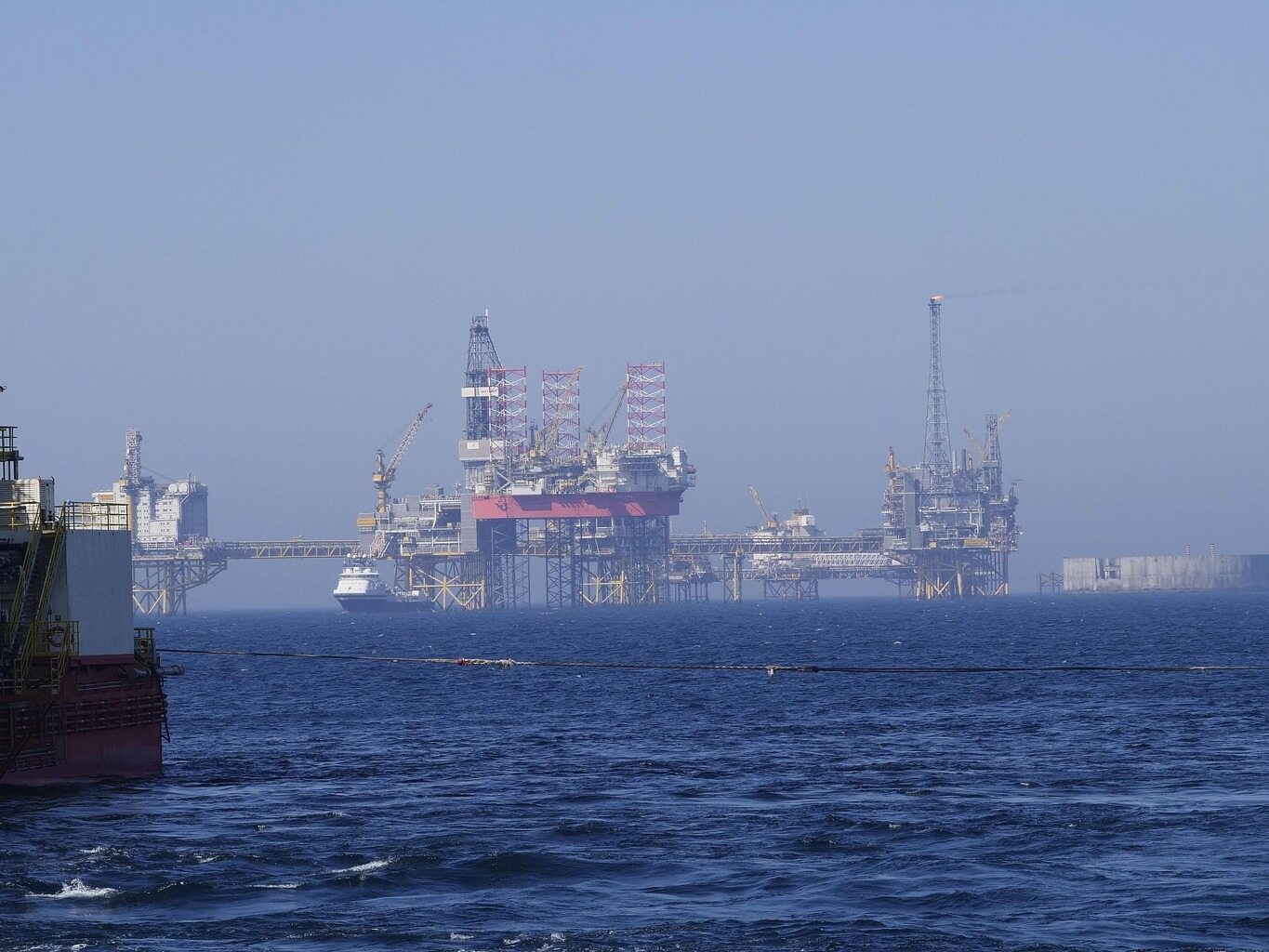
Guterres, citing the latest report from the United Nations Scientific Advisory Committee, painted a shocking picture: the world is experiencing its hottest eleven years on record in 2026, and the probability of a temperature rise exceeding the 1.5 degree Celsius threshold of the Paris Agreement in the coming years is rapidly increasing. Once the critical point is crossed, the collapse of the Greenland ice sheet and the degradation of the Amazon rainforest will be irreversible. He emphasized that the energy shock caused by the current Middle East conflict is comparable in scale to the oil crisis of the 1970s, which completely exposes the vulnerability of dependence on hydrocarbons. For developing countries, this is not only an energy crisis, but also a complex impact of debt, food, and development.
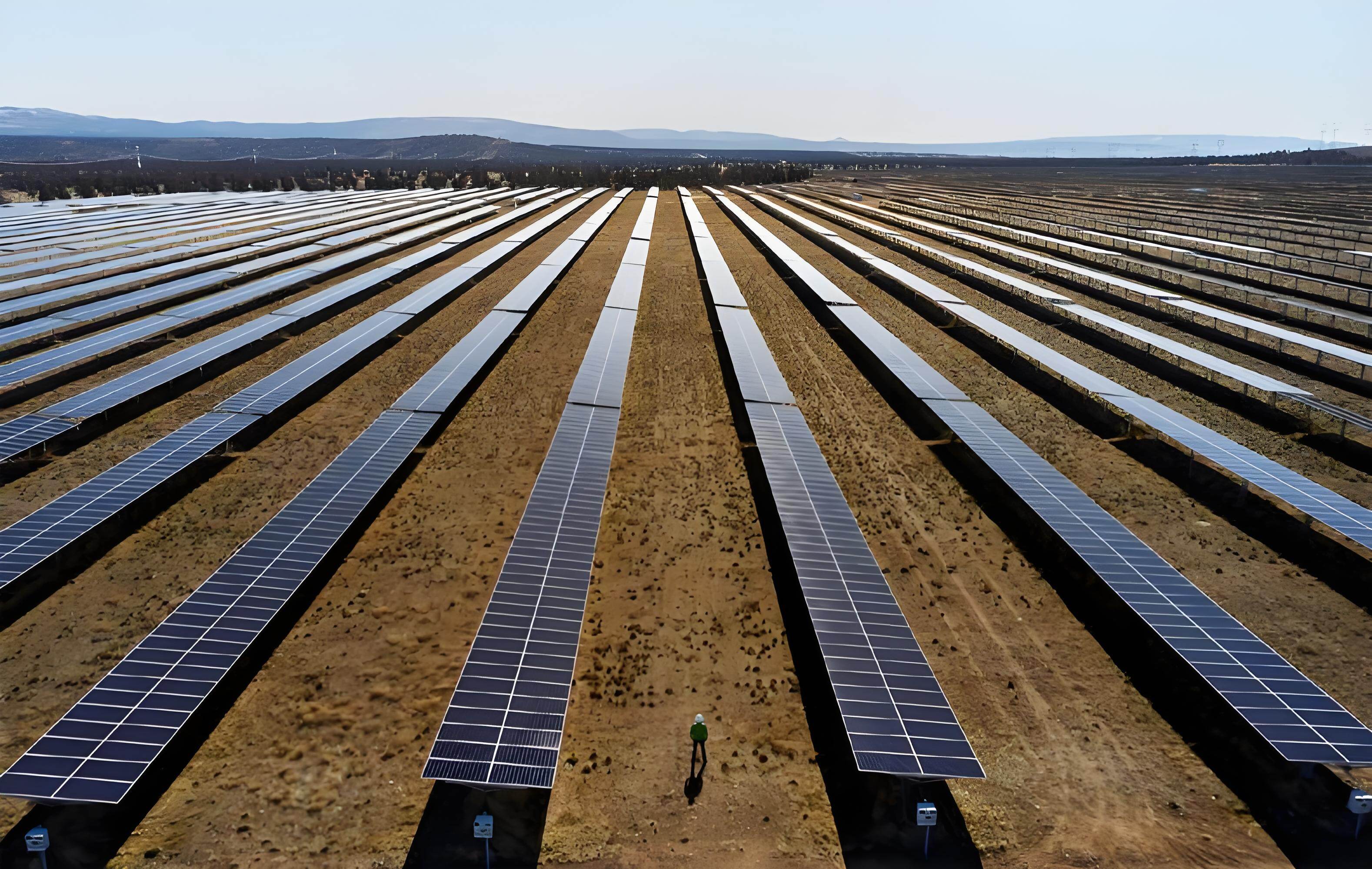
Clean energy has become a foregone conclusion
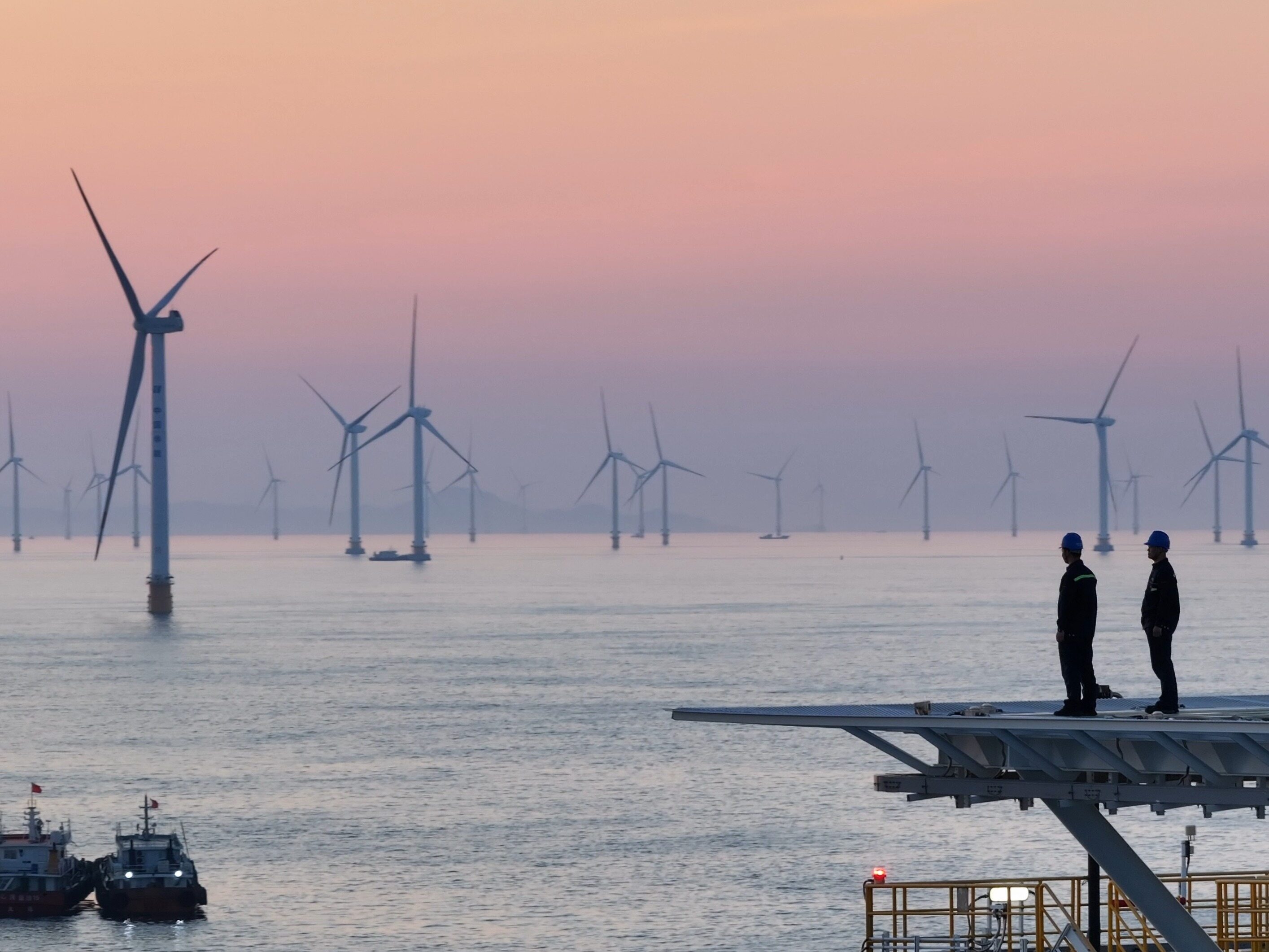
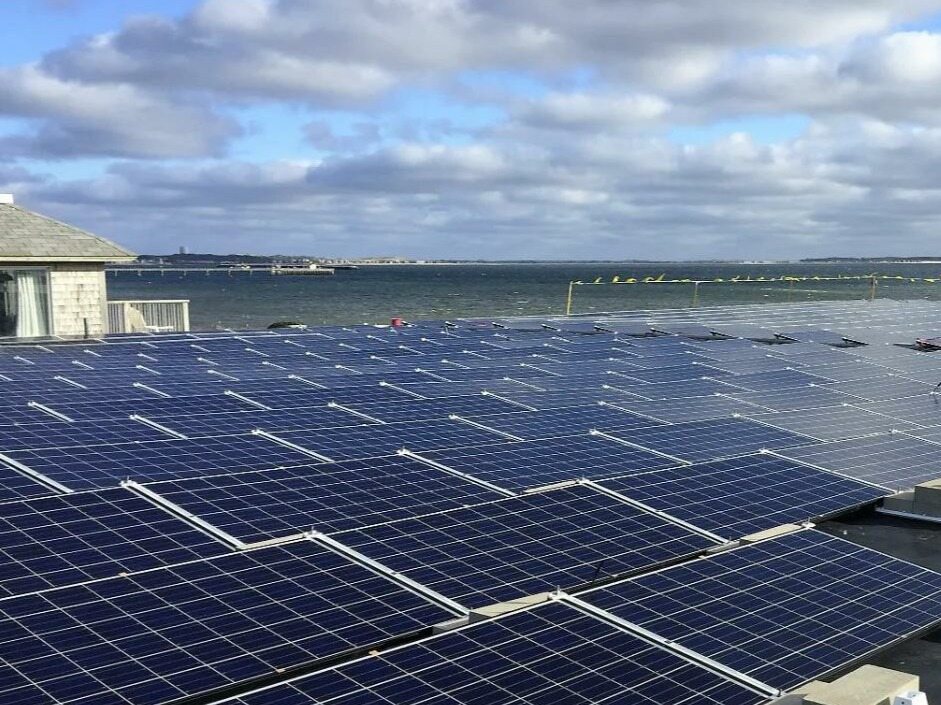
Unlike previous pessimistic views, Guterres emphasized the maturity of "solutions" this time. Data shows that since 2010, the cost of battery energy storage has plummeted by 95%, and solar and wind energy have become the lowest cost and fastest deployed sources of electricity in most parts of the world. By 2025, renewable energy alone will save the global economy $480 billion in fossil fuel expenses. He pointed out that the eight largest fossil fuel companies had generated a staggering $6.5 billion in excess profits in the first quarter of 2026 alone, and therefore called on governments around the world to tax such profits and redirect funds towards clean energy infrastructure construction, resolutely avoiding locking in new fossil fuel dependence. Keywords: social commentary, news and information, clean energy
Global action is urgently needed
In order to turn the tide, Guterres proposed an action roadmap covering seven major areas. In addition to urging the G20 to take the lead in reducing emissions, he also launched the "Methane Action Call" and "Artificial Intelligence Environmental Transparency Initiative" for the first time, targeting methane leaks in the oil and gas industry and the astonishing energy and water consumption of AI data centers. At the financing level, he strongly calls for reforming the global financial system, implementing an annual climate funding commitment of $300 billion, and enhancing the lending capacity of multilateral development banks. He emphasized that the transformation must be fair, and a special conference should be held in September 2026 to ensure that workers and fragile countries are not left behind by energy change, ultimately rewriting the narrative of the "dual crisis" into a victory about fairness and progress.Editor/Gao Xue
Comment


 Praise
 Collect
 Comment

 Share
Share


Write something~