 Search


- This project sets an engineering model for Chinese enterprises in European infrastructure construction

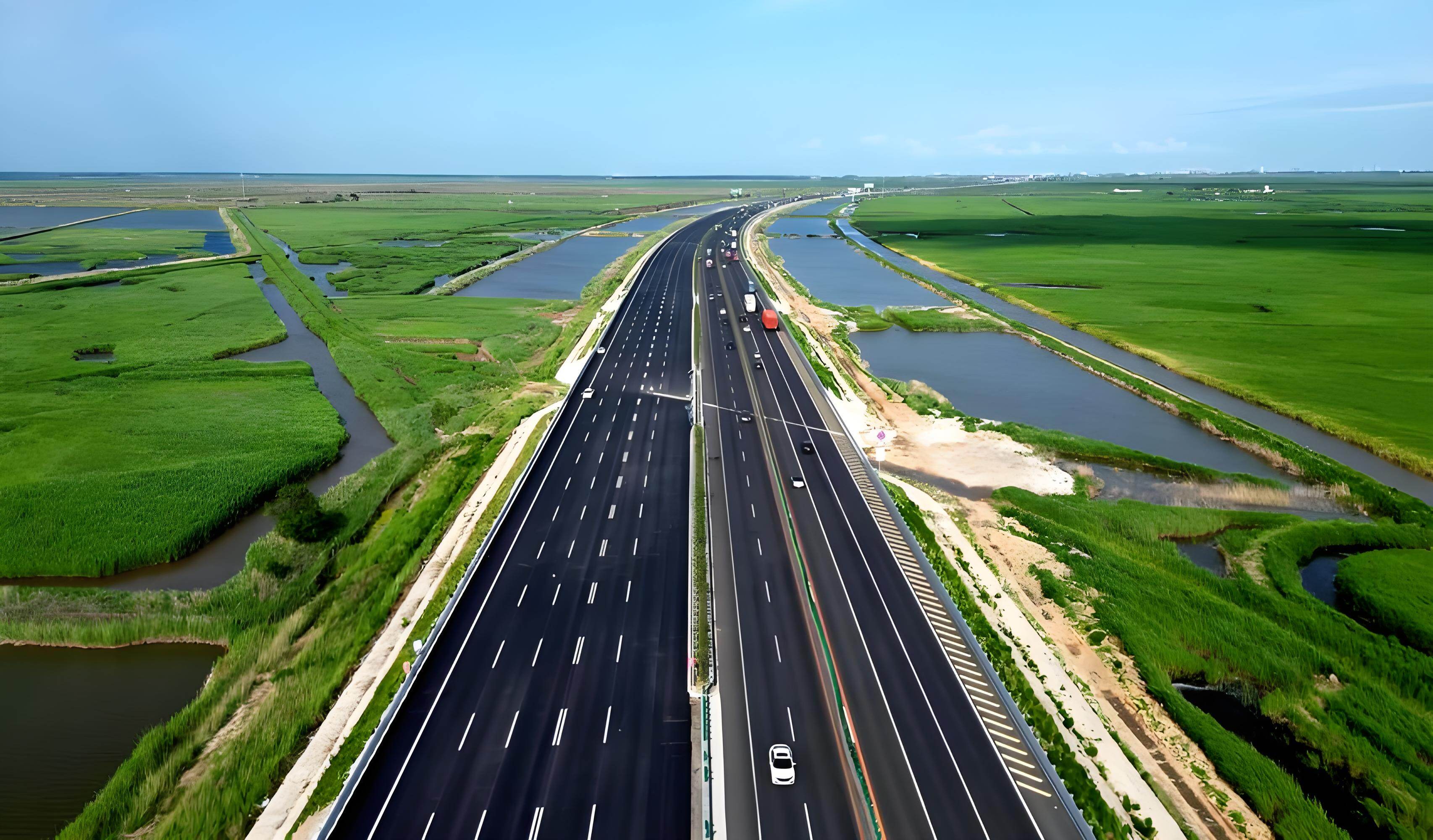
At dawn, a truck departed from the Serbian capital Belgrade and arrived at the southern border in less than 4 hours. In the driver's cabin, Milos was filled with emotions: in the past, this section of road had to be bumpy on winding mountain roads for most of the day, but now with the full completion of the E763 highway, this "economic artery" that had been blocked for half a century has finally been completely unblocked. As the first highway constructed by a Chinese enterprise in Europe, E763 is not only a super project, but also a crucial battle for Serbia to break the geographical blockade and reshape the regional pattern.
Overcoming complex geological challenges
The E763 highway has a total length of approximately 303 kilometers and passes through the hinterland of Serbia, with extremely complex geological conditions along the way.
The project crosses multiple geological fault zones such as the Shimart Mountain, with a high bridge tunnel ratio and construction difficulty comparable to drilling holes in tofu. Chinese builders have innovatively adopted advanced geological prediction and wet spraying mechanical craftsmanship to tackle world-class problems such as large deformation of soft rocks and sudden mud and water influx in the face of fractured surrounding rocks and water rich strata. Especially in the construction of the nearly kilometer long tunnel, the Zhongsai team used BIM technology to simulate the construction process and controlled the error within centimeters, ensuring the structural safety and durability of this century long project, demonstrating the hardcore strength of China's infrastructure in complex environments.
Reshaping the Regional Road Grid Bureau
This highway connects Hungary to the north and the port of Bar in Montenegro to the south, and happens to be stuck at the throat of the "Corridor 11" of the China Europe Land Sea Express.
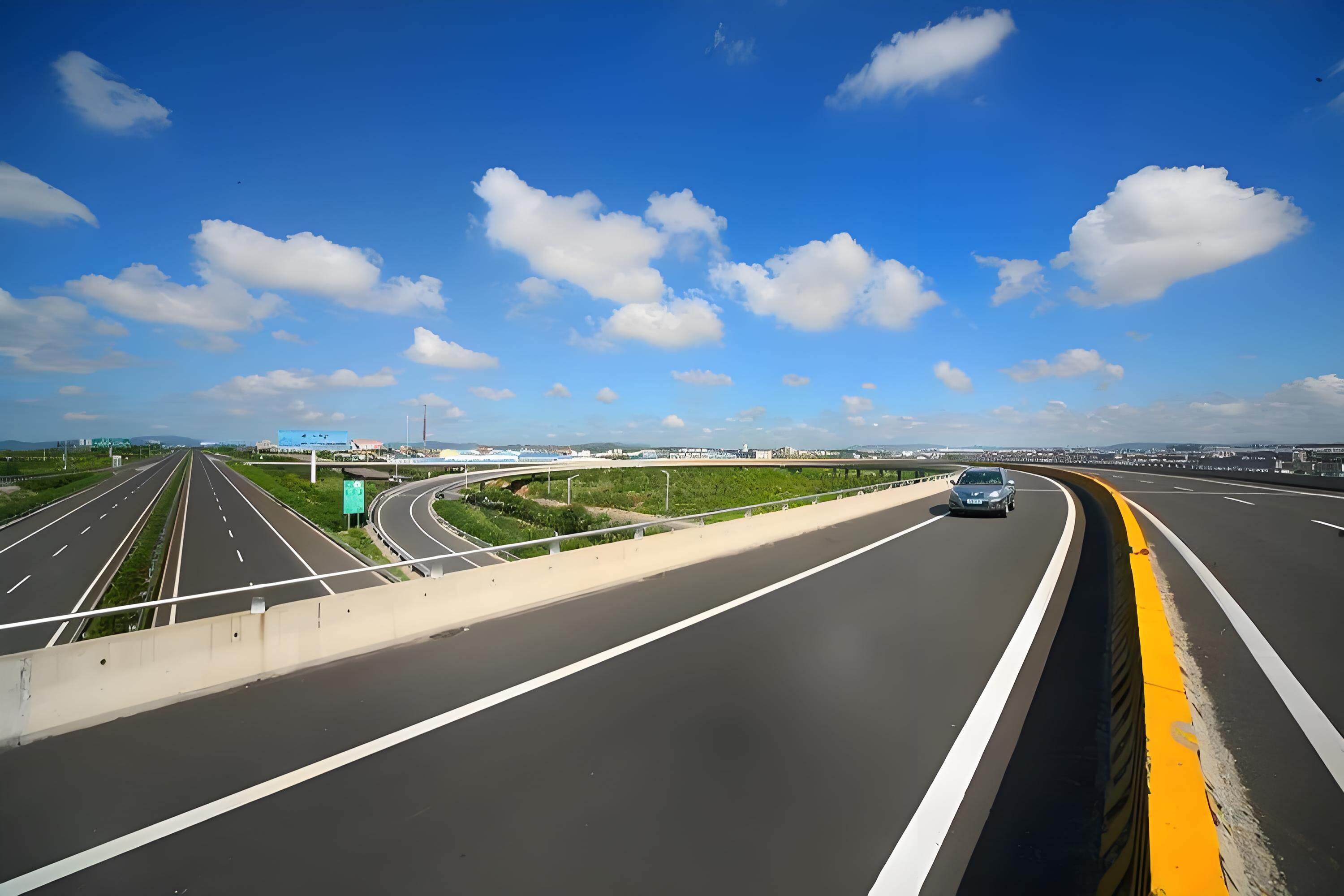
In the past, although Serbia was known as a crossroads in Europe, it lacked connectivity, and the disruption of the north-south road network resulted in high logistics costs. The integration of E763 has completely changed this predicament. It not only reduces the travel time from Belgrade to Montenegro by half, but also tightly weaves central and southern Serbia into the European trunk network. With the opening of this road, Serbia has officially transformed from an inland depression into a transportation hub connecting Central and Southern Europe, securing a valuable entry ticket for the country to participate in the pan European market competition.
Activate 4 million livelihood dividends
For over 4 million residents along the route, the significance of this road goes far beyond transportation convenience itself. In southern cities such as Kraljevo and Chachak, with the breaking of logistics bottlenecks, industrial parks that were previously dormant due to high transportation costs have regained vitality. Keywords: the Belt and Road news, expressway
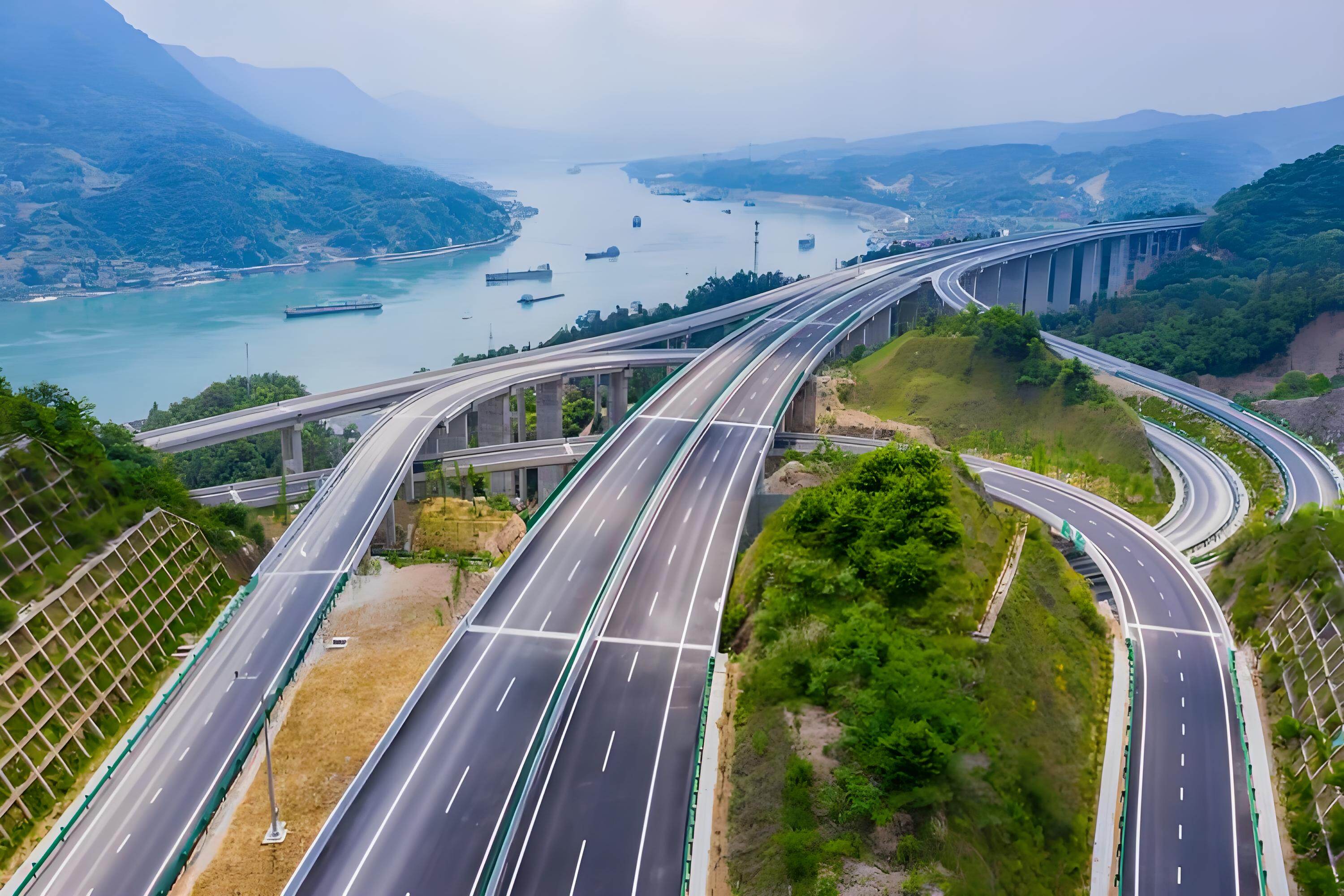
Young people returning to their hometowns for employment is no longer just a slogan, and the prices of fresh produce in supermarkets have fallen sharply due to reduced transportation losses. This road not only breaks down physical barriers, but also psychological barriers. Although remote mountainous areas still require supporting branch road construction, E763, as a livelihood avenue, has effectively transformed the abundant labor and land resources in southern Serbia into practical advantages for undertaking industrial transfer, injecting lasting development momentum into this inland country.Editor/Gao Xue
Comment




 Praise
 Collect
 Comment

 Share
Share


Write something~