 Search


- The annual freight capacity of the Trans Afghan Railway is about 20 million tons
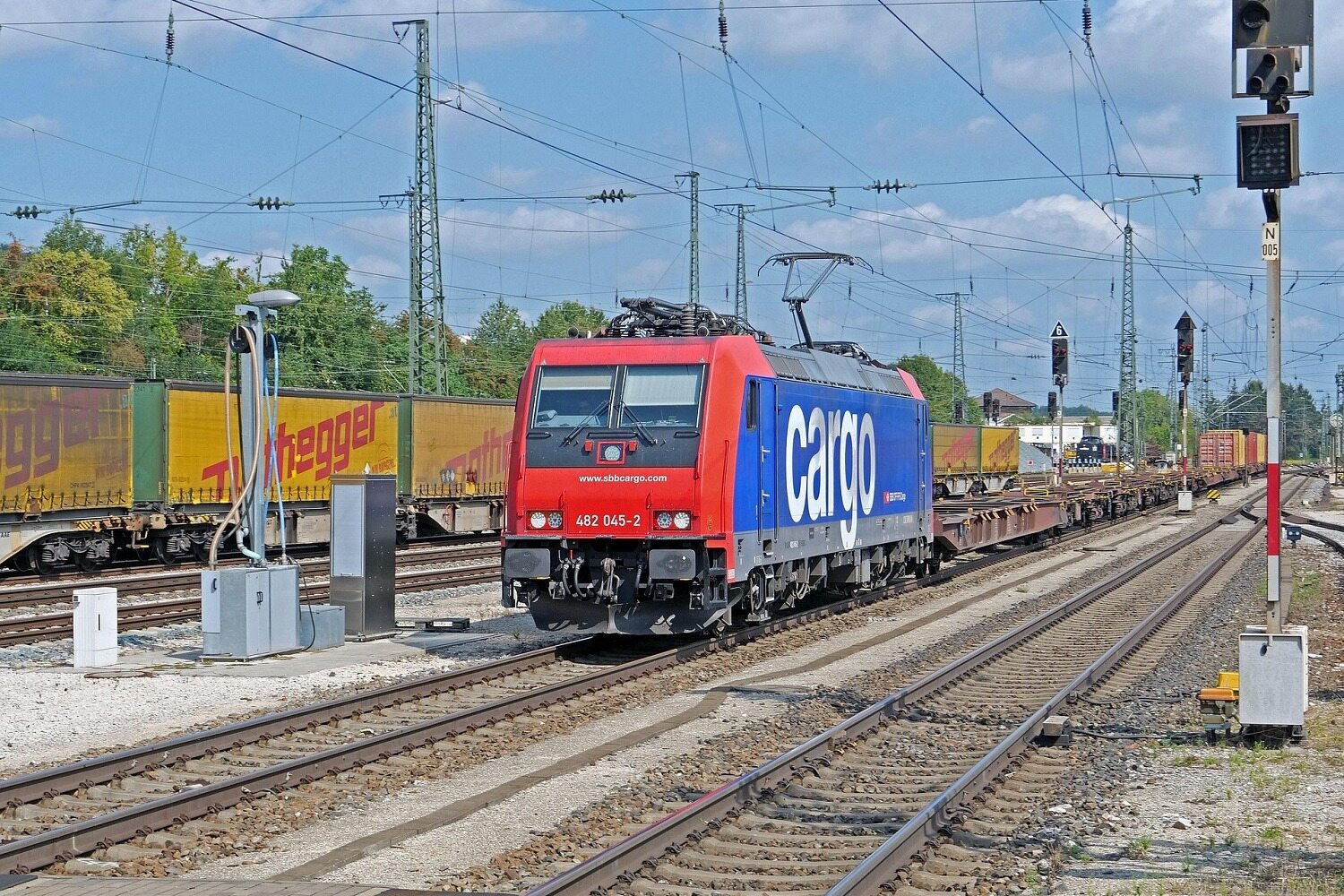
In June 2026, the Uzbekistan Ministry of Transport disclosed that the construction cost of the Trans Afghan Railway may exceed $7 billion, a significant increase from the initial estimate of $4.6 billion. This strategic channel with an annual freight capacity of about 20 million tons is facing multiple tests such as financing, safety, and track gauge connection.
The significant increase in cost is not simply a cost increase, but a repricing of project risks. In July 2025, Afghanistan, Uzbekistan, and Pakistan signed a framework agreement in Kabul and officially launched feasibility studies. However, factors such as mountains, tunnels, bridges, security, land acquisition, and operation and maintenance support within Afghanistan continue to drive up capital expenditures. The line also involves difficulties in connecting Uzbekistan's 1520mm wide gauge, Pakistan's 1676mm wide gauge, and Afghanistan's existing railways with multiple gauge connections. The feasibility study is expected to be completed by the end of 2026. Prior to this, large-scale construction packages will not be implemented quickly, but consultation, surveying, geological exploration, and material standard comparison will take the lead in forming a window.
The interweaving of financing structure and geopolitical variables
The annual freight plan for the project is approximately 20 million tons, with a construction period of at least 5 years. The Ukrainian side stated that the United Arab Emirates and Qatar have expressed interest in participating, and the Eurasian Development Bank has also expressed willingness to support financing. However, a volume of over 7 billion US dollars puts significant financial pressure on a single country and requires multi-party support. The variables on the Russian side are equally crucial. In April 2025, the Russian side has initiated feasibility information exchange with the Uzbek railway department for two routes, with a potential Russian supply estimated at 8 to 15 million tons per year, mainly including bulk commodities such as fertilizers, oil products, black metals, and coal. This railway is not just a project for the Uyghur Aba three countries, but a southbound channel that may undertake the restructuring of inland freight flows between Europe and Asia.
Coexistence of realistic constraints and alternative channels
The four practical constraints cannot be avoided. The financing structure has not yet been finalized, and the compliance issues of political recognition and sanctions in Afghanistan have affected the entry of funds and insurance underwriting. The instability of trade along the Pakistan Afghanistan border has weakened the certainty of the channel, and alternative channels are also competing synchronously. Traveling southwards in Central Asia can take Iran's Chabahar and Abbas ports, or go westward through the Trans Caspian Sea corridor. The advantage of the Trans Afghan Railway is its short distance, but short distance does not mean low risk.
Five types of entry opportunities for Chinese enterprises
For shippers, price, timeliness, customs clearance, insurance, political risk, and breakpoint recovery capability need to be considered together. Chinese companies can focus on five types of orders: early-stage engineering services, including geological exploration, route comparison, environmental and social impact assessment, and cargo flow forecasting; Heavy duty railway system, adapted to local gauge standards and multilateral financing procurement rules; Port and dry port transshipment and warehousing capacity; Service packages for construction machinery with spare parts, training, and on-site maintenance; And bulk cargo services, including trade organization, warehousing, financial settlement, and multimodal transport solutions, are planned in advance, rather than waiting until the railway is built before taking action.Editor/Cheng Liting
Comment




 Praise
 Collect
 Comment

 Share
Share


Write something~