 Search


- 10 billion yuan, three arrows fired simultaneously. Inner Mongolia compressed air energy storage, Ningxia shared lithium battery
- Long term energy storage, sharing, and clean thermal power - Behind China Energy Construction's billions of orders
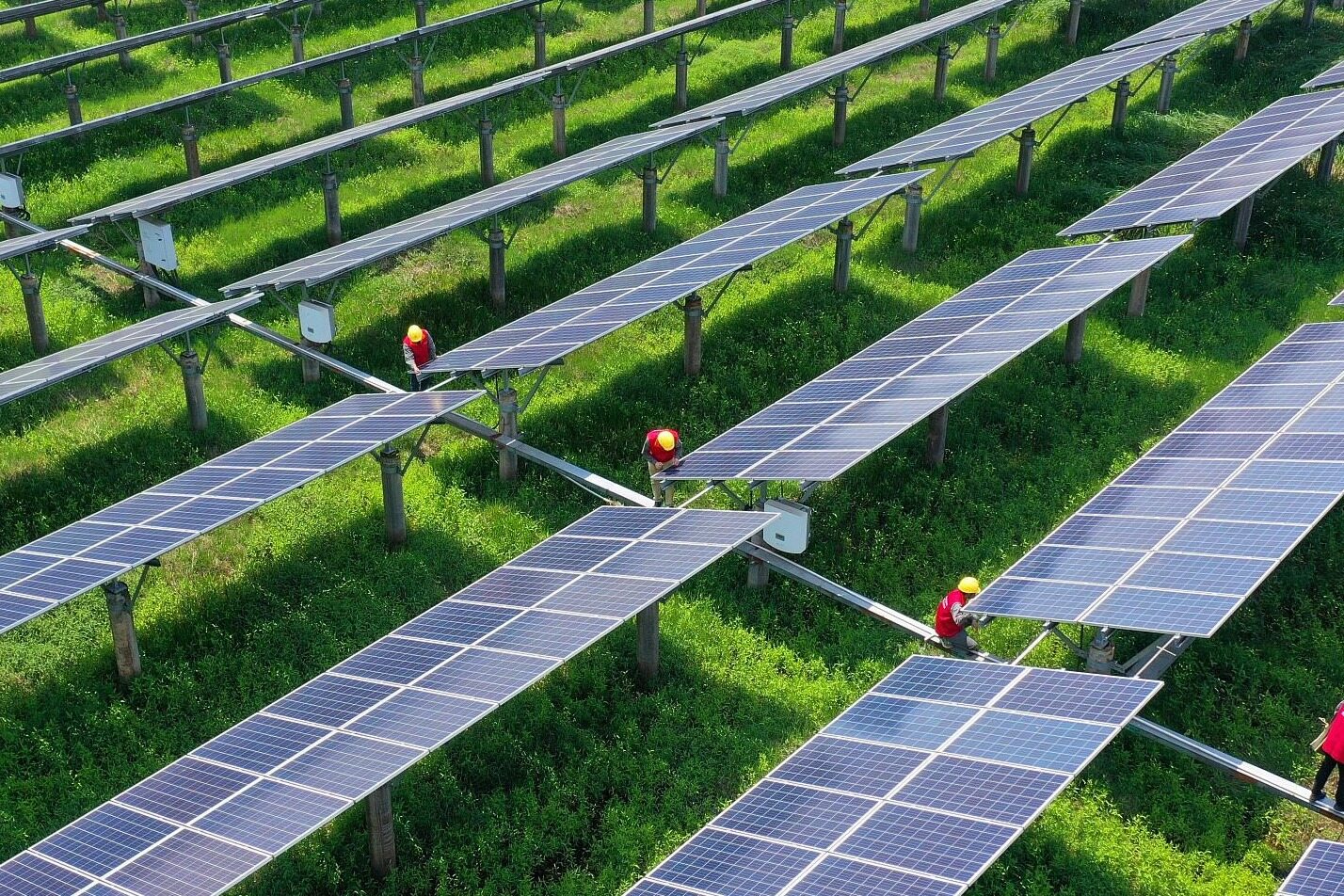
At the turn of spring and summer in 2026, three units under China Energy Engineering Group almost simultaneously reported back to Jiebao - Inner Mongolia, Ningxia, and Guizhou. Three large-scale EPC projects won consecutive bids, with a cumulative amount exceeding 10 billion yuan.
What is the concept of 10 billion yuan? Enough to build a main urban subway line. But in the energy industry, if this money is thrown down, what will be exchanged is not a jungle of steel and concrete, but three completely different technological routes of "super power banks" and power stabilizers. From compressed air to lithium battery sharing, and then to ultra supercritical thermal power, these three moves have each stepped on the most critical point of China's new power system.
There is a giant air pump hidden in the artificial chamber
The first project is located in Xilingol, Inner Mongolia, which is a compressed air energy storage power station with a scale of 3 × 350 MW, an energy storage capacity of 4200 megawatt hours, and a sustainable power generation of 4 hours. Simply put, when fully charged, it can power hundreds of thousands of households for a full four hours.
The principle is not complicated: when electricity is low, surplus electricity is used to start the compressor, and air is injected into the underground artificial chamber like a pump, converting electrical energy into air potential energy; During peak electricity consumption, high-pressure air is released to drive the turbine to generate electricity, which is then sent back to the power grid.
In Inner Mongolia, a region with abundant wind and photovoltaic resources but high fluctuations in "relying on the weather", this system is like installing a giant buffer for the power grid - storing more when the wind is strong and releasing more when there is no wind or light, and the stability of the power grid relies on this collective support.
It is worth noting that the project chose artificial chambers instead of natural salt caverns. This means a key breakthrough: not all places have natural salt caverns, and only by stabilizing and implementing artificial cavern technology can compressed air energy storage be truly deployed nationwide.
Shared power bank on 60 acres of land
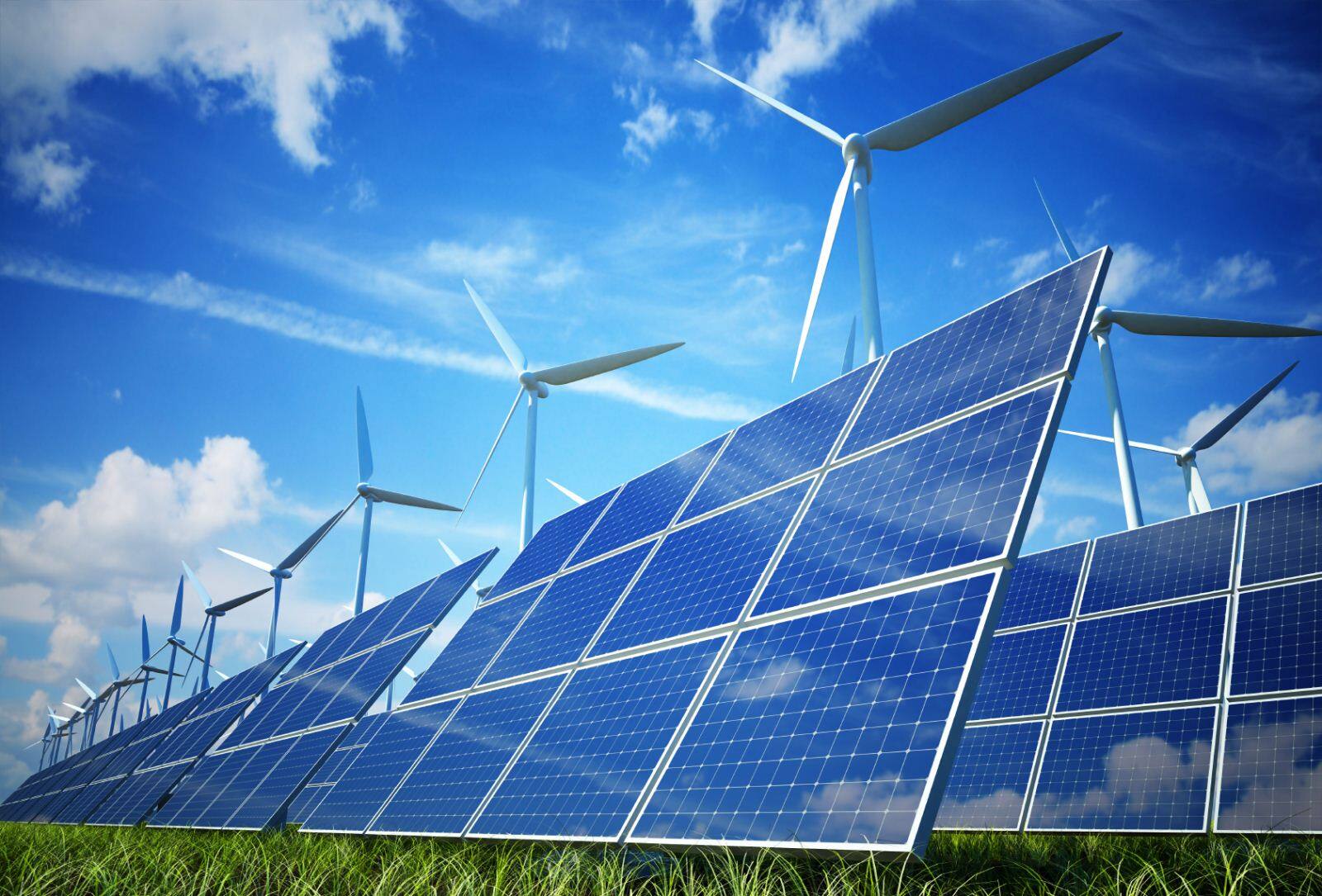
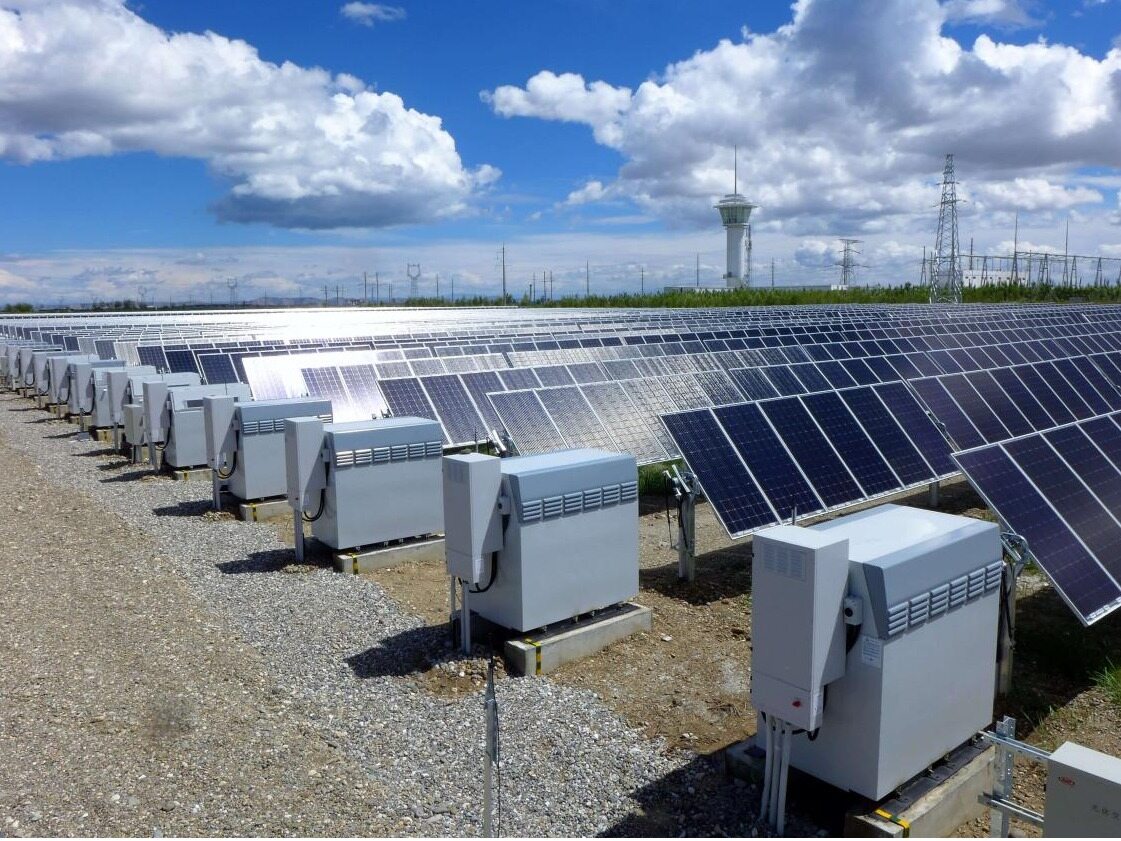
The second project is located in Shizuishan, Ningxia, and is a 200 MW/800 megawatt hour shared energy storage power station. It follows the electrochemical route and is essentially a large-scale lithium battery energy storage station.
Why is it called 'sharing'? The logic is similar to shared bicycles - they are not dedicated to a specific wind farm or photovoltaic power station, but are built on grid nodes. Whoever has peak shaving needs or who cannot store wind and solar power can be uniformly dispatched and used.
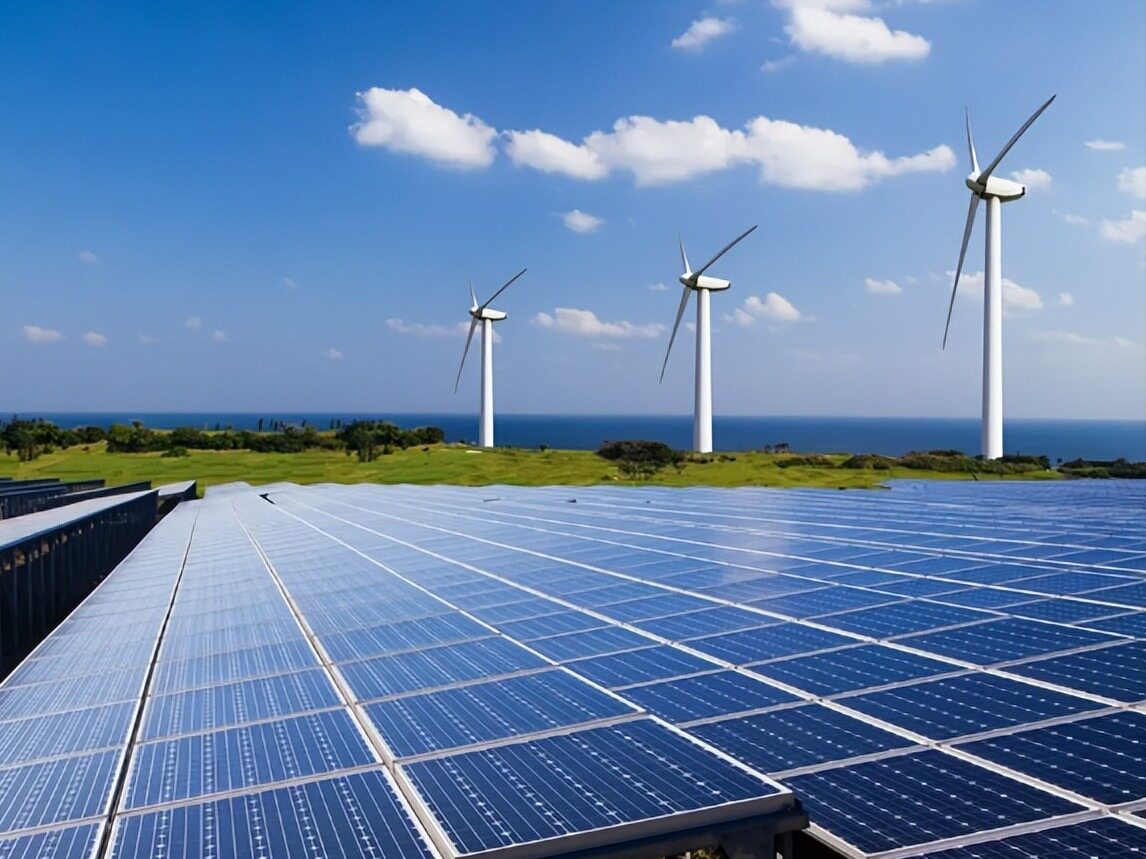
Ningxia is a major province in the northwest for new energy installation, and the problem of wind and solar power curtailment has not been completely resolved in recent years. Windmills spin and photovoltaic panels bask in the sun, but electricity is wasted due to inability to deliver or insufficient peak shaving capacity. The benefits of shared energy storage are intensive and efficient, occupying only 60 acres, but it is equivalent to providing a public power bank for a large area of new energy stations in the surrounding area.
The 824 million yuan order won by China Energy Engineering Hunan Institute is an important puzzle behind Ningxia's new energy consumption.
Ultra supercritical thermal power is still a ballast stone
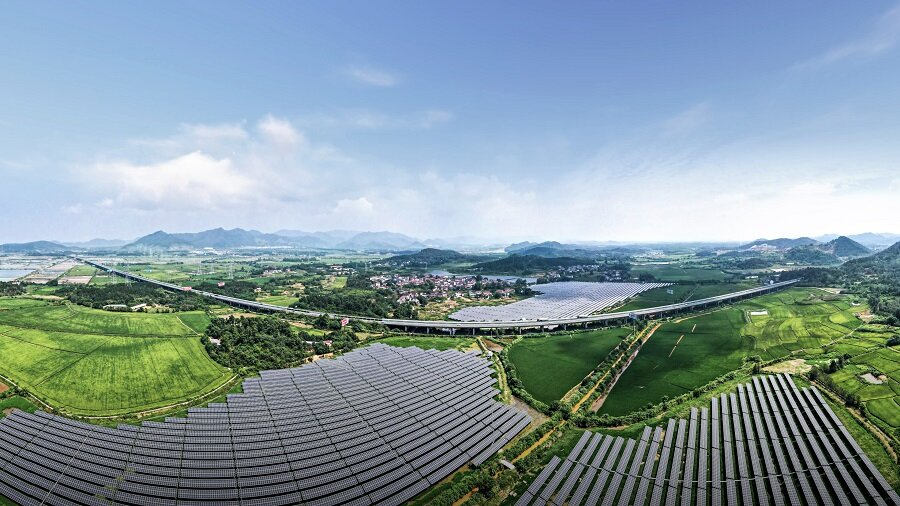
The third project is in Bijie, Guizhou, a 2 × 660000 kW ultra supercritical coal-fired power generation project with a total amount of approximately 5 billion yuan.
Building new thermal power plants in the context of dual carbon may sound like going against the tide. But the reality is that in China's current energy structure, thermal power, especially efficient and clean thermal power, remains an indispensable ballast stone for the power system.
Guizhou is a major province for hydropower, but there are different seasons for hydropower, and new energy is rapidly increasing. The power grid still has a strong demand for stable and controllable base load power sources. The characteristics of ultra supercritical units are "eating the same coal, generating more electricity, and emitting less pollutants", with low coal consumption and good regulation performance. They can provide stable power for the northwest region of Guizhou and flexibly cooperate with new energy peak shaving.
The winning bidder this time is a consortium led by Southwest Electric Power Design Institute, with a quotation of 5 billion yuan covering the entire chain of design, procurement, construction, and commissioning, with a construction period of 824 days and excellent quality requirements. Building large-scale thermal power plants in mountainous areas of Guizhou is not easy, but the experienced combination of China Power Engineering Southwest Institute and Shandong Electric Power Construction Third Company is abundant.
Three arrows fired at once: not only for scale, but also for positioning
Looking at the three projects together, it is not by chance that China can build this "big explosion".
Compressed air energy storage represents the technological reserve for long-term energy storage in the future, electrochemical shared energy storage represents the most mature and flexible regulation method at present, and ultra supercritical thermal power represents the continuous upgrading of traditional advantageous main businesses. The three lines cover the three core pain points of the new power system: time mismatch (asynchronous generation and use), spatial mismatch (mismatch between resources and loads), and stability issues (large fluctuations in new energy).
In the stage of energy transition from "storytelling" to "detailed accounting", being able to win big orders in three directions at the same time does not rely on luck, but on the accumulation of technical reserves and engineering capabilities.
For ordinary readers, these three projects also convey a clear signal: the future electricity will come not only from wind and light, but also from deep underground compressed air and highly clean coal-fired power - they are not opponents, but teammates who jointly support the new power system. This 10 billion is worth spending. Editor/Yang Beihua
Comment

 Praise
 Collect
 Comment

 Share
Share


Write something~