 Search


- Global pumped storage capacity exceeds 201GW, ushering in a comprehensive outbreak period for the industry
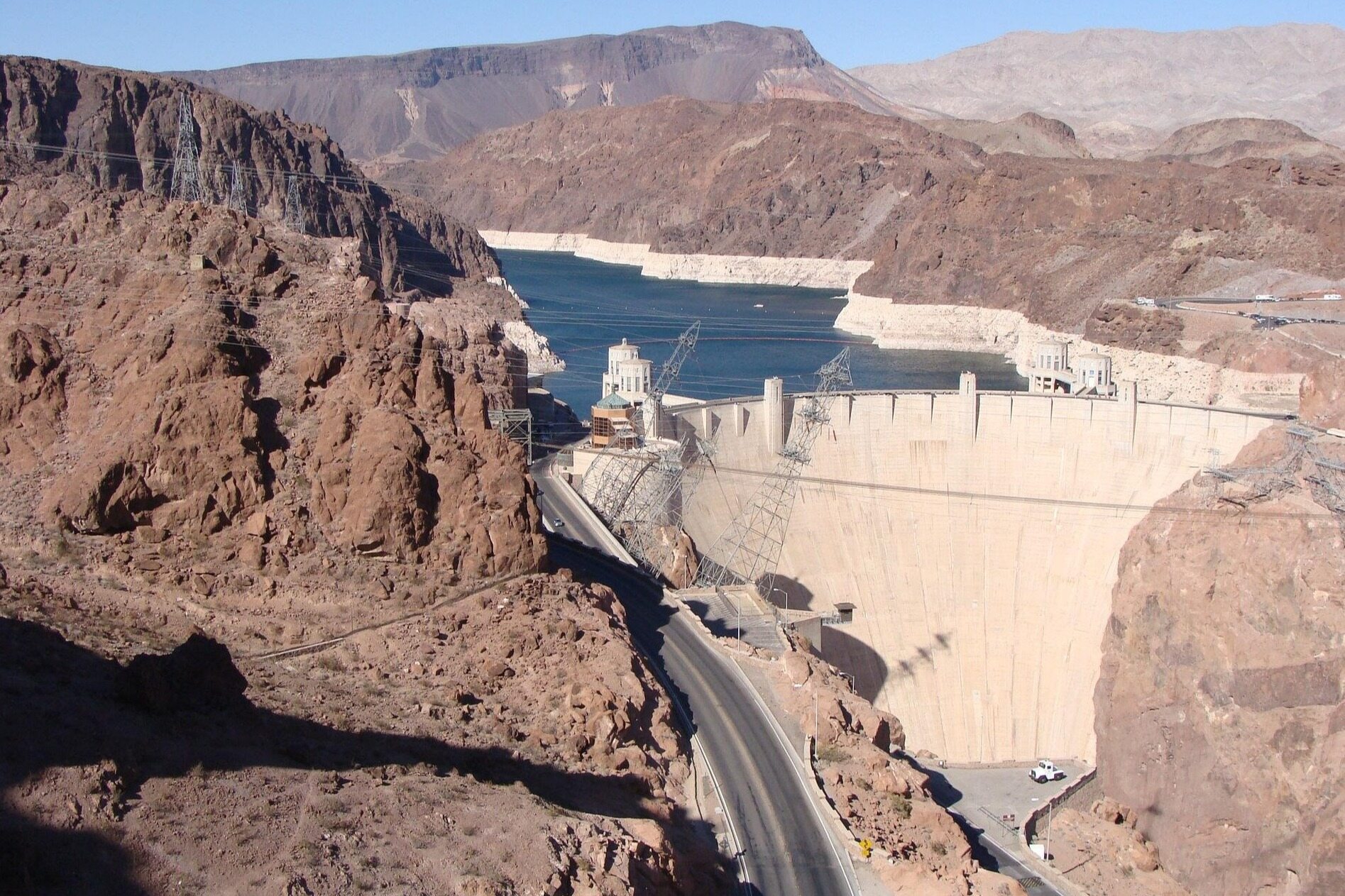
The International Hydropower Association has released the 2026 World Hydropower Outlook, stating that the global installed capacity of pumped storage in operation has officially surpassed the 200GW mark, with a record high of 11.6GW added in 2025. From the humble auxiliary supporting role in the power grid in the past to the just needed configuration of energy strategies in various countries, the global outbreak of pumped storage has really arrived.
By the end of 2025, the total installed capacity of hydropower worldwide will reach 1469GW, still the largest source of renewable energy generation in the world. Even more exaggerated is the reserve scale. Currently, there are 243 GW of pumped storage projects under construction worldwide, with 621 GW planned. The total reserve under construction and planning exceeds 860 GW, which is more than four times the current operational scale.
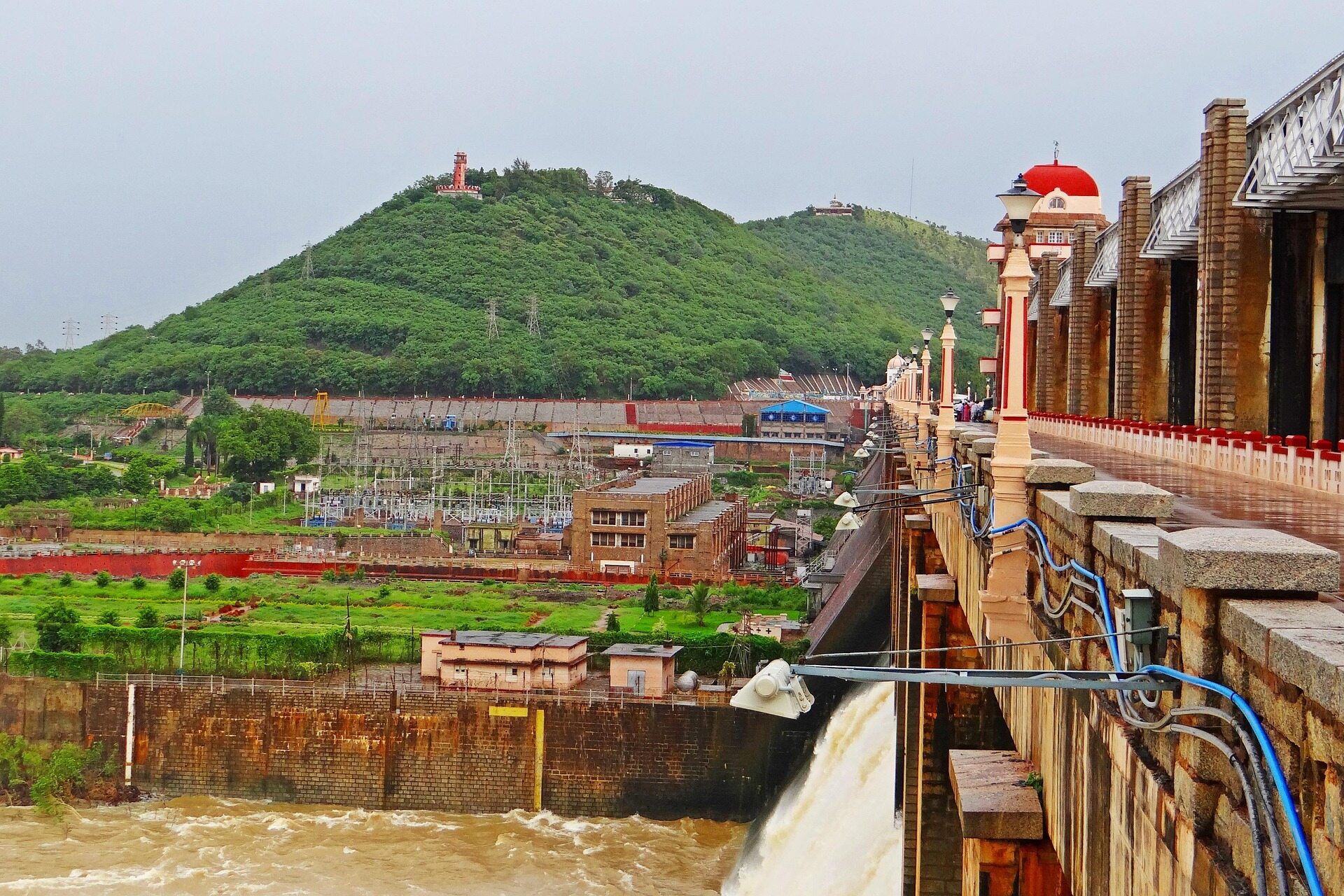
Six major regions have embarked on completely different growth paths
This round of pumped storage growth is not a single point outbreak, but a global multi-point flowering, with significant differences in development logic among different regions. China is the absolute main force, contributing more than 40% of the world's annual new installed capacity. The domestic pumped storage capacity under construction has reached 218GW, which is the core battlefield of the global pumped storage construction. After the commencement of the hydropower project on the lower reaches of the the Yarlung Zangbo River, it will further expand its leading edge.
India's expansion plan is the most aggressive, aiming to push the installed capacity of pumped storage from less than 5GW to 100GW within ten years, with full ambitions. Europe is forced by negative electricity prices, and the surplus of wind and solar power in many countries throughout the year results in negative electricity prices lasting more than 500 hours, directly driving up the commercial value of long-term energy storage. Africa relies on conventional hydropower to fill the electricity gap, while South America is developing new stations and renovating old units that have been in operation for over 30 years. North America, taking advantage of policy reform dividends, has developed over 60GW of pumped storage reserves.
AI data centers have become new buyers of water and electricity
The most noteworthy new variable in the report is the competition of technology giants for water and electricity. In 2025, Google and Microsoft have signed long-term water and electricity procurement agreements to support the 24-hour stable zero carbon electricity demand of AI data centers. Compared to intermittent wind and solar power, hydropower output is stable and dispatchable, perfectly matching the operational requirements of high load data centers. In the past, the main customers of hydropower were the power grid and power companies, but now digital infrastructure has become a new driving force. Keywords: pumped storage, hydropower
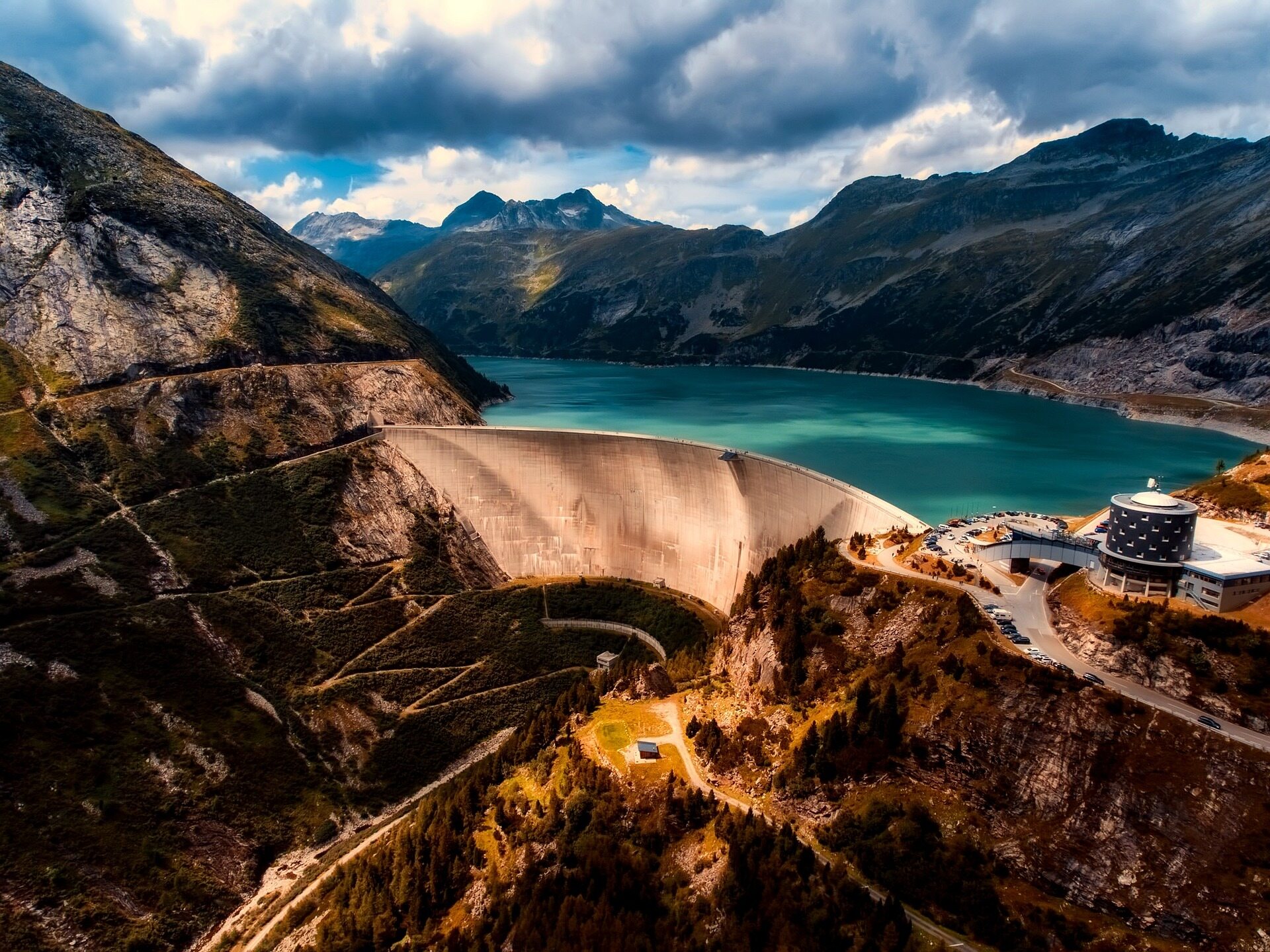
Of course, there are also obvious shortcomings in the industry, such as financing constraints, lengthy approval processes, inadequate transmission infrastructure, and hydrological fluctuations caused by climate change, all of which are slowing down the speed of project implementation. But the third level growth expectation given by the International Hydroelectric Association is already very clear. In the next 15 years, the global installed capacity of pumped storage will at least double, and if policies are in place, it can triple. With the same support as chemical energy storage, it can reach four times its current scale by 2040. Old technology has collided with the dual demands of energy transformation and AI computing power, and pumped storage will be the most certain golden track for the hydropower industry in the next decade.Editor/Cheng Liting
Comment


 Praise
 Collect
 Comment

 Share
Share


Write something~