 Search


- Russia has accumulated 15.7 million tons in the first five months, an increase of 10.4%
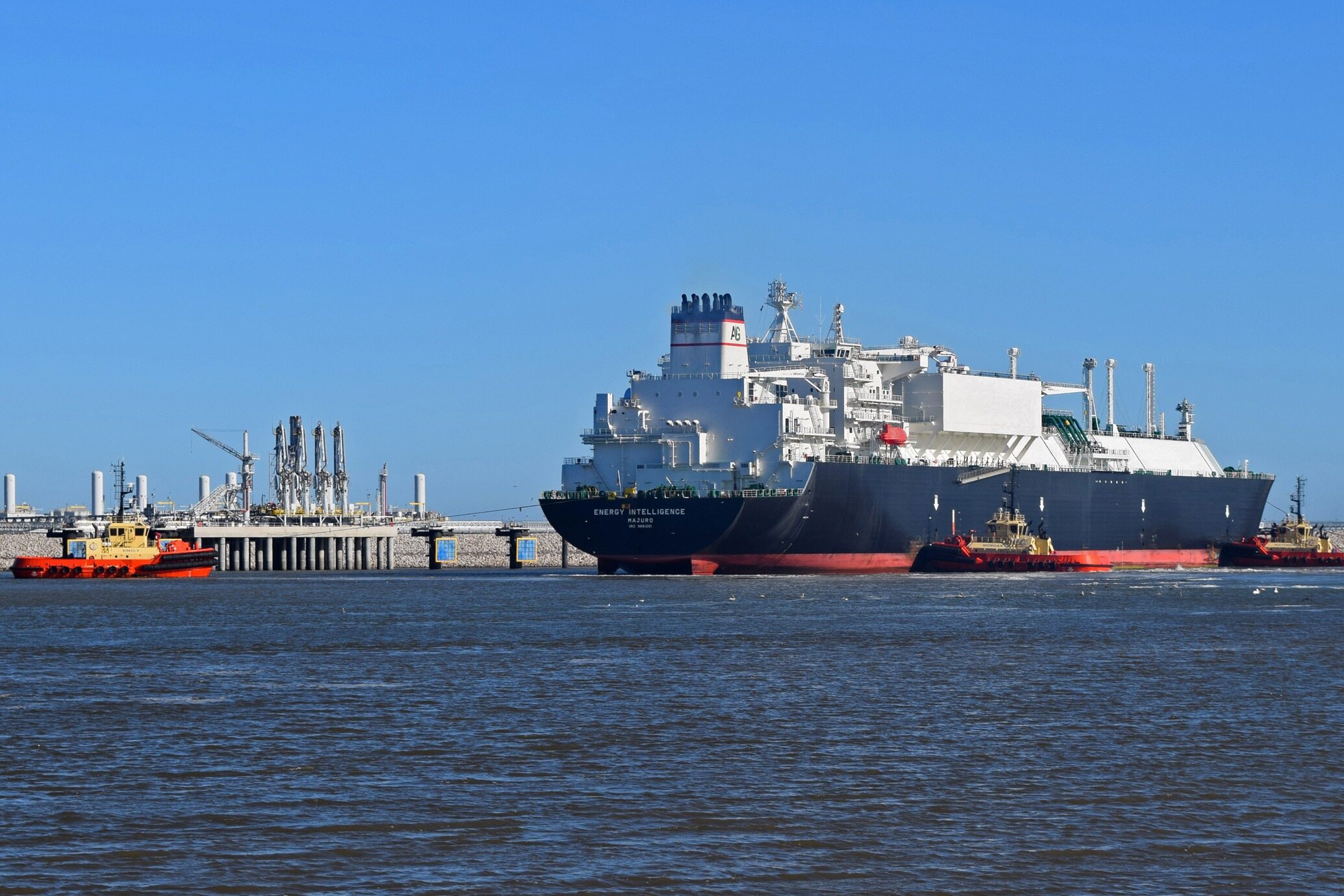
In May 2026, Russia's LNG production reached 3.2 million tons, nearly 14 percentage points higher than that of Belgium; In the first five months, a total of 15.7 million tons were accumulated, an increase of 10% compared to the same period last year. Behind this number is the full load operation of the Arctic factory during the winter low temperature cycle. The vast majority of Russia's liquefied natural gas is produced in the Arctic region, where low temperatures are the most efficient period for LNG production. From the fourth quarter to the following spring, factories operate near their production capacity ceiling.
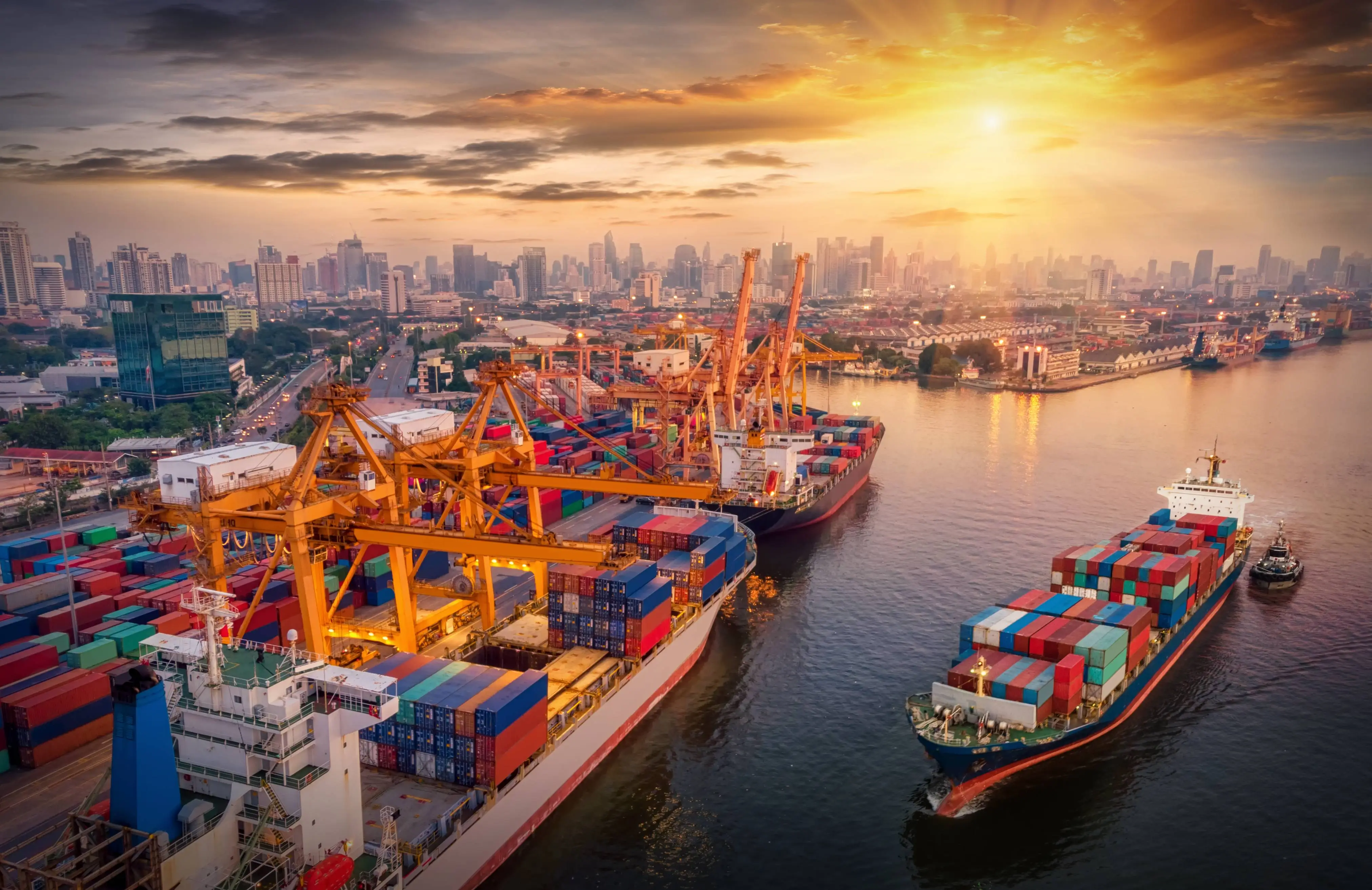
Supporting this set of data are several mega projects. The Sakhalin Energy Plant is jointly owned by Gazprom, Mitsui&Co., and Mitsubishi Corporation; Behind Yamal LNG project stand Novatec, Total Energy, PetroChina and the Silk Road Fund; The Arctic LNG2, Gazprom Baltic LNG plant, and Vysotsk low-temperature gas project are also continuing to ship. Most of these projects are located on the Yamal Peninsula or Sakhalin Island, far from densely populated areas but adjacent to the world's richest natural gas reservoirs.
Under sanctions, production is actually increasing
This set of data is somewhat counterintuitive. Western sanctions on Russian energy have been ongoing for many years, with LNG exports being a key target of control. But the production has increased instead of decreased, and the reason is not complicated. The Arctic LNG2 project will be officially put into operation by the end of 2023, with a designed annual production capacity of approximately 19.8 million tons. It is one of the largest LNG single unit factories in the world, directly pushing Russia's total LNG production capacity to a new level. After years of expansion, the Yamal project has maintained an annual output of over 17 million tons. The release speed of new production capacity far exceeds the suppressive effect of sanctions on old facilities.
At present, Russia's LNG exports mainly flow to the Asia Pacific region. China and India are the largest buyers, with China locking in a large number of long-term contracts through the Yamal project and the Arctic LNG2 project. Although the European market share is shrinking, the growth in Asia Pacific demand has basically filled the gap. The total export volume of LNG from Russia has exceeded 40 million tons by 2025, and at the current pace, it is expected to continue to rise throughout 2026. Keywords: LNG export, international news
Arctic production capacity remains a core variable
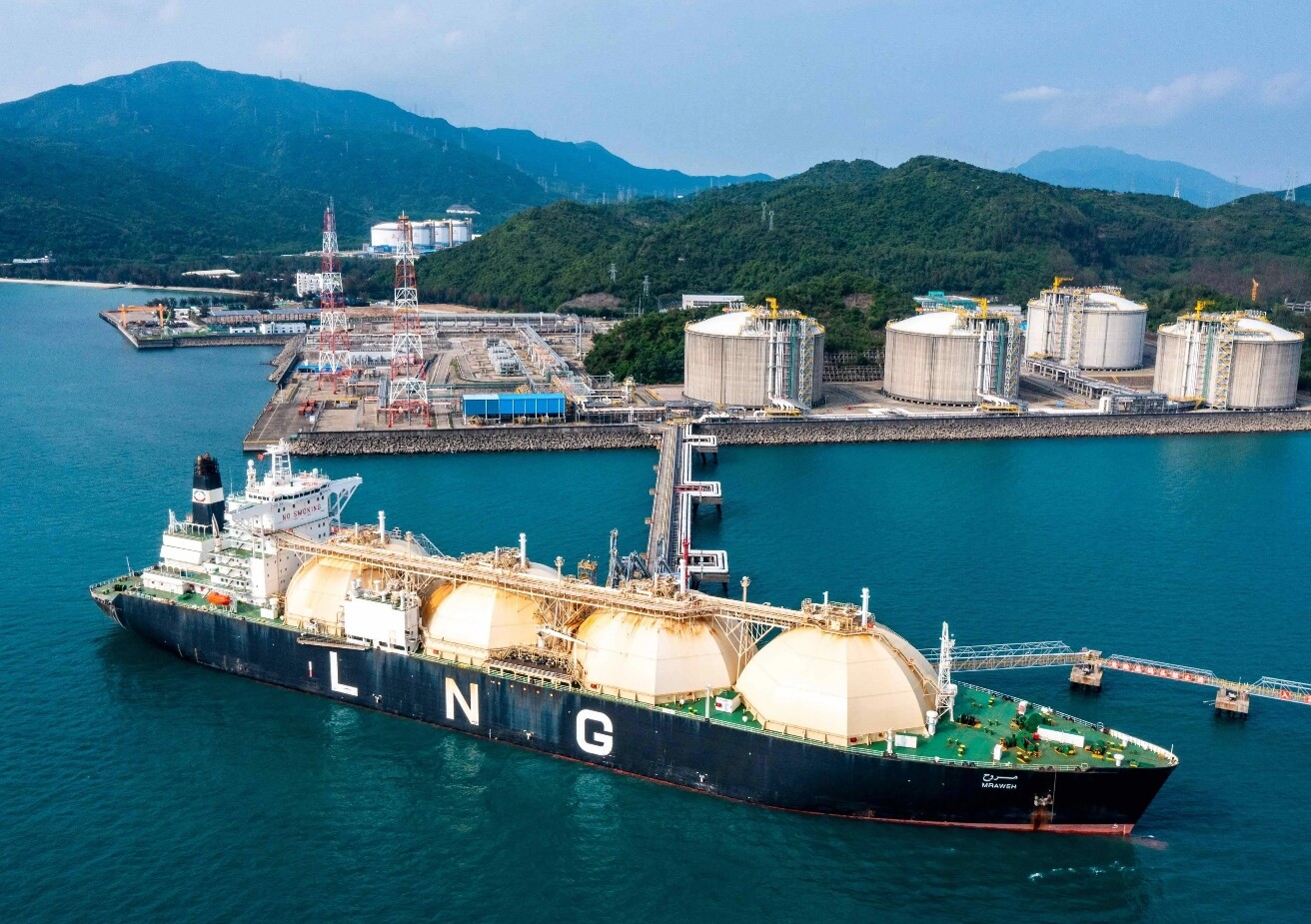
It is worth noting that almost all of Russia's LNG production capacity is concentrated within the Arctic Circle. This is both an advantage and a risk. The advantage lies in the fact that the raw materials are right under your feet, the pipeline distance is short, and the cost is low; The risk lies in the extremely high requirements for equipment maintenance and personnel scheduling in extremely cold environments. The gravity based foundation platform and modular construction technology used in Arctic LNG2 represent the highest level of current polar engineering, but the space for future expansion is still limited. The ceiling of future LNG growth in Russia largely depends on the pace of new Arctic projects.Editor/Cheng Liting
Comment

 Praise
 Collect
 Comment

 Share
Share


Write something~