 Search


- Kazakhstan accelerates its transformation with hundreds of billions of investment in deepening its physical industries

Kazakhstan, which has relied on oil and gas mineral resources for many years, is experiencing a clearer trend of economic structural differentiation. The latest official statistics show two distinct directions: while external exports remain highly dependent on commodities such as crude oil and copper ore, significant domestic investments continue to flow into tangible sectors such as manufacturing, transportation, and agriculture. In the first five months of this year, nearly $13.8 billion in fixed assets were put into place, with traditional mining investments contracting, while manufacturing and energy infrastructure investments saw significant growth. China-Kazakhstan economic and trade exchanges are close, with China firmly ranking as the country's largest exporter and second largest source of imports. Changes in industrial investment also present long-term development opportunities for Chinese enterprises to deepen their presence in Central Asia's industrial and infrastructure sectors.
Foreign trade is highly dependent on resources
In the first four months of 2026, Kazakhstan's total foreign trade amounted to $44.9 billion, marking a year-on-year increase of 7.9%. Crude oil and petroleum products accounted for 44% of total exports, while various copper products collectively accounted for over 13%. Among export markets, China ranked first with a share of 20.3%. Imports primarily originated from Russia and China, accounting for 31.8% and 28.6% respectively. The single-resource export model is highly susceptible to fluctuations in international commodity prices. Coupled with the wave of global energy transformation, the highly concentrated trade structure continuously increases the pressure on local industrial transformation, and most domestic industrial manufactured goods still rely on overseas imports.

Investment is shifting to the physical track
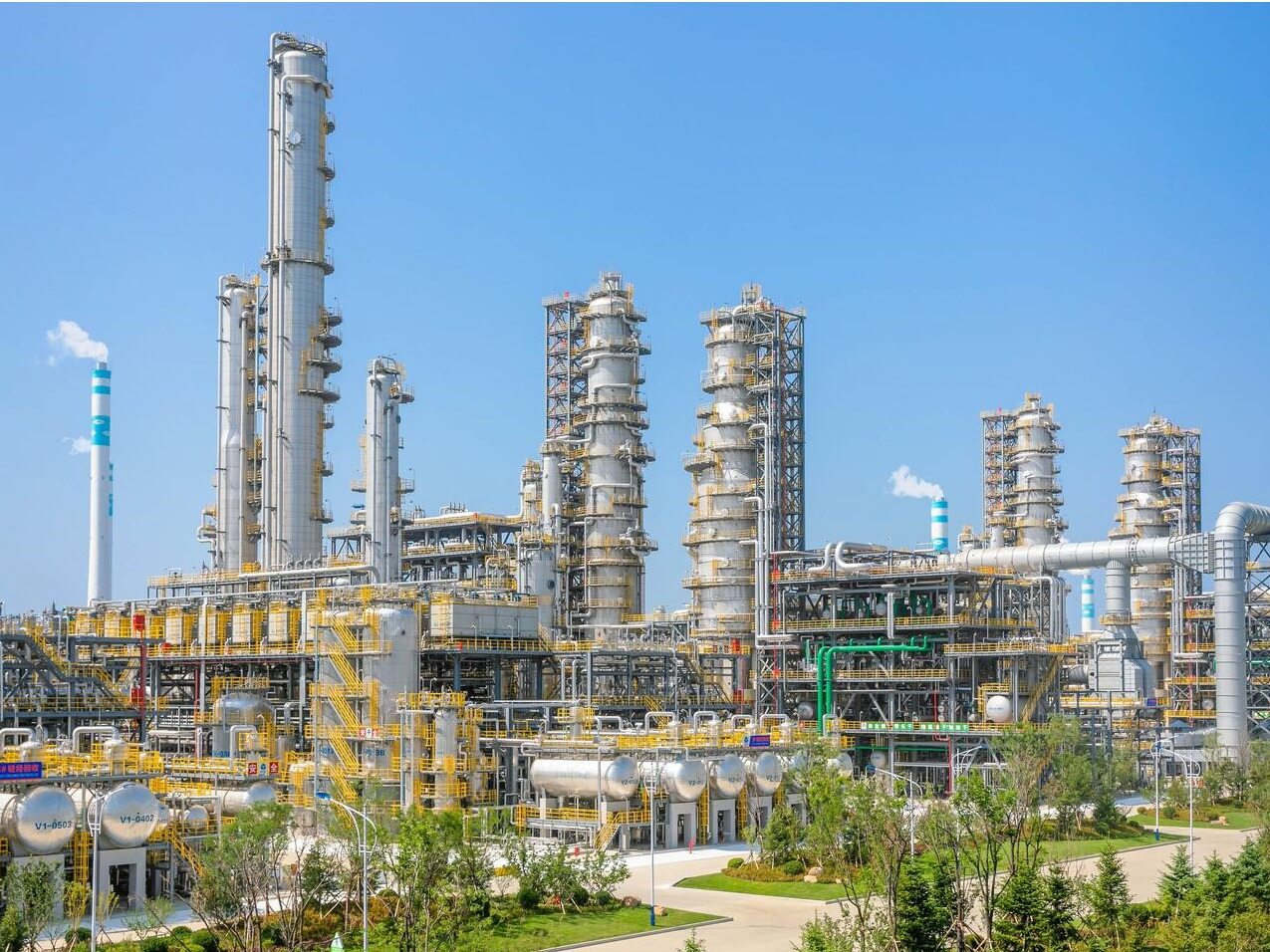
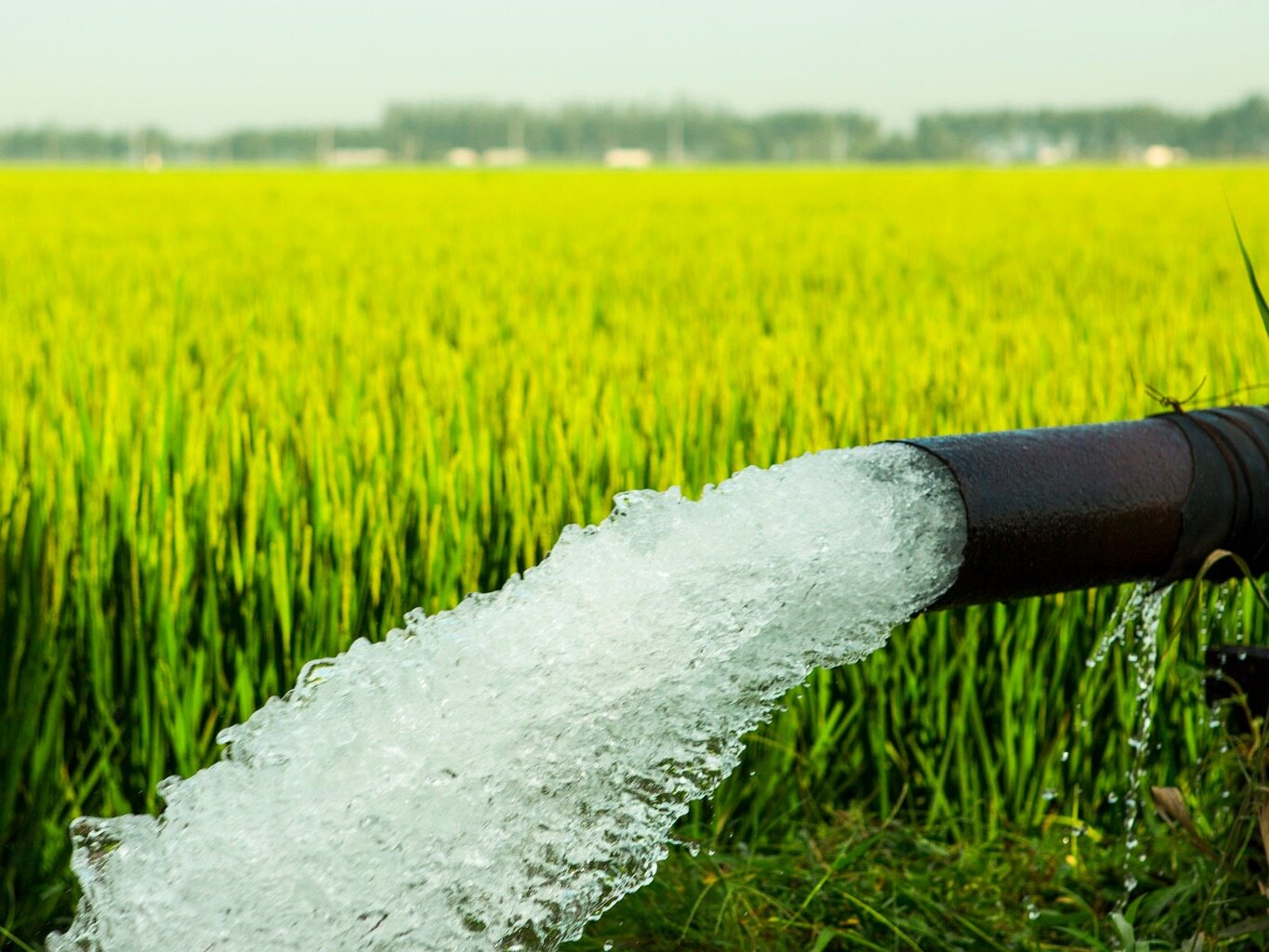
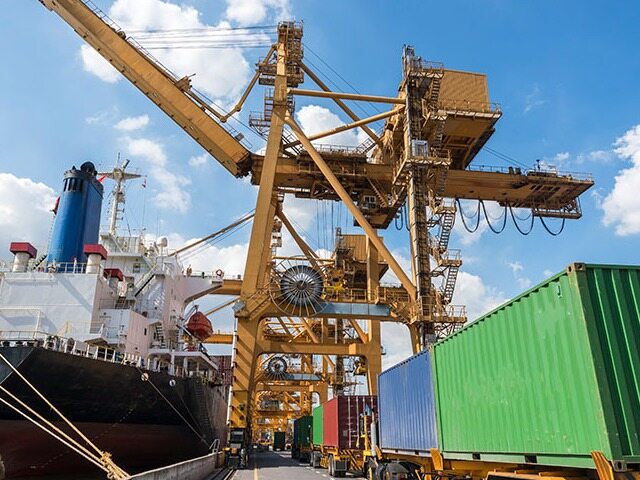
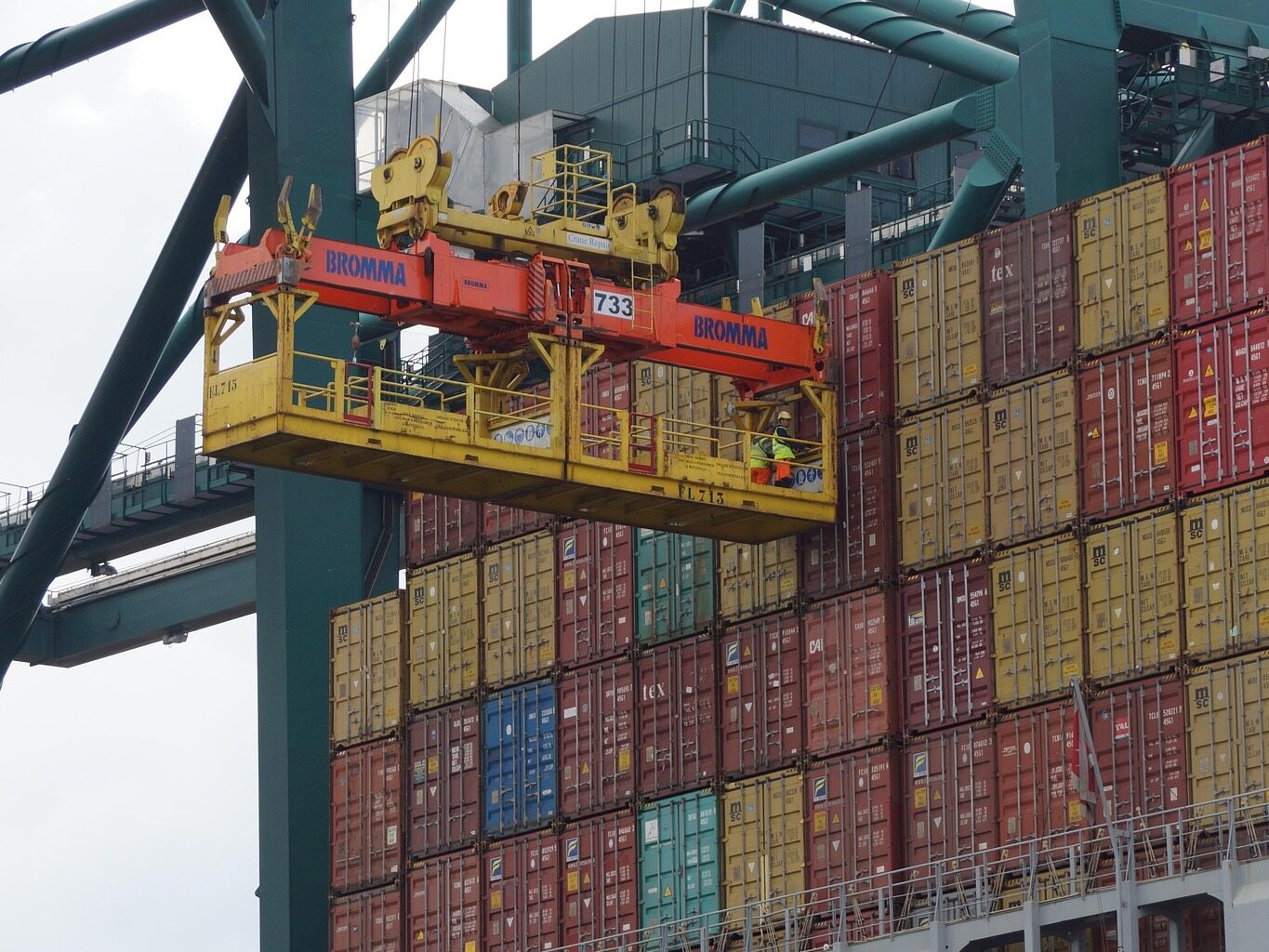
In the first five months, fixed assets investment amounted to $13.8 billion, representing a year-on-year increase of 7%. Investment in the traditional mining industry declined by 9.5% year-on-year, while manufacturing investment surged by 29.2%. Investment in power and gas infrastructure increased by 83.4%, and investment in transportation, warehousing, and agriculture all grew by over 25%. Capital continued to leave the traditional extractive industries and flowed into processing and manufacturing, energy support, cross-border logistics, and modern agriculture. The local economy relied on diversified physical industries to cultivate new growth engines, gradually reducing the single dependence on mineral crude oil. Keywords: Kazakhstan economy、physical industry investment

Overall, Kazakhstan has formed a development pattern where exports rely on resource investment to promote physical industries. The pace of industrial transformation continues to accelerate, opening up long-term space for cross-border industrial and infrastructure cooperation. Editor/Min Jing
Comment



 Praise
 Collect
 Comment

 Share
Share


Write something~