 Search


- LONGi signs up for Greek photovoltaic project, supporting local regional energy upgrade
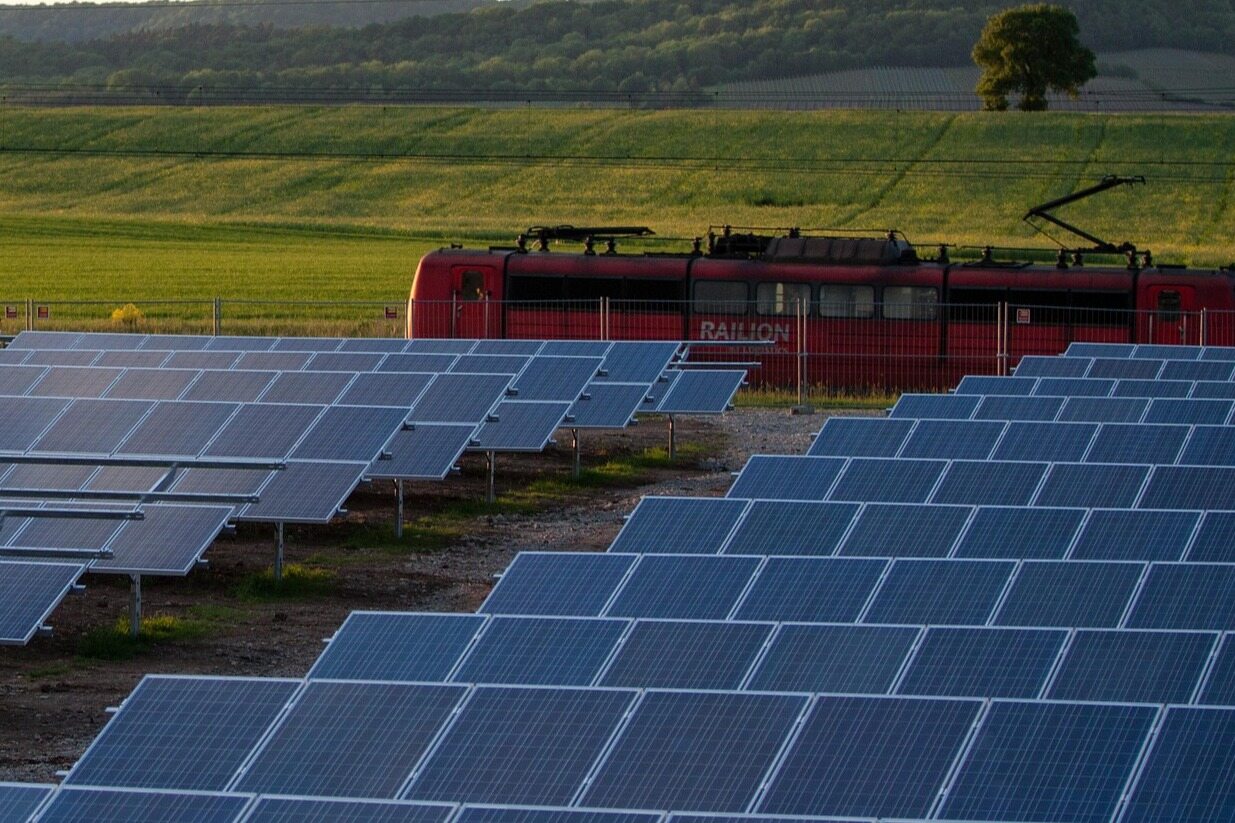
While advancing the preparation of a photovoltaic project in the Thessaly region of Greece, the construction team accidentally uncovered prehistoric and Byzantine tomb remains. The project team simultaneously cooperated with the archaeological department to carry out cultural relic excavation and protection, preserving local historical and cultural heritage while developing new energy, achieving a win-win situation for green development and cultural protection.

Project layout
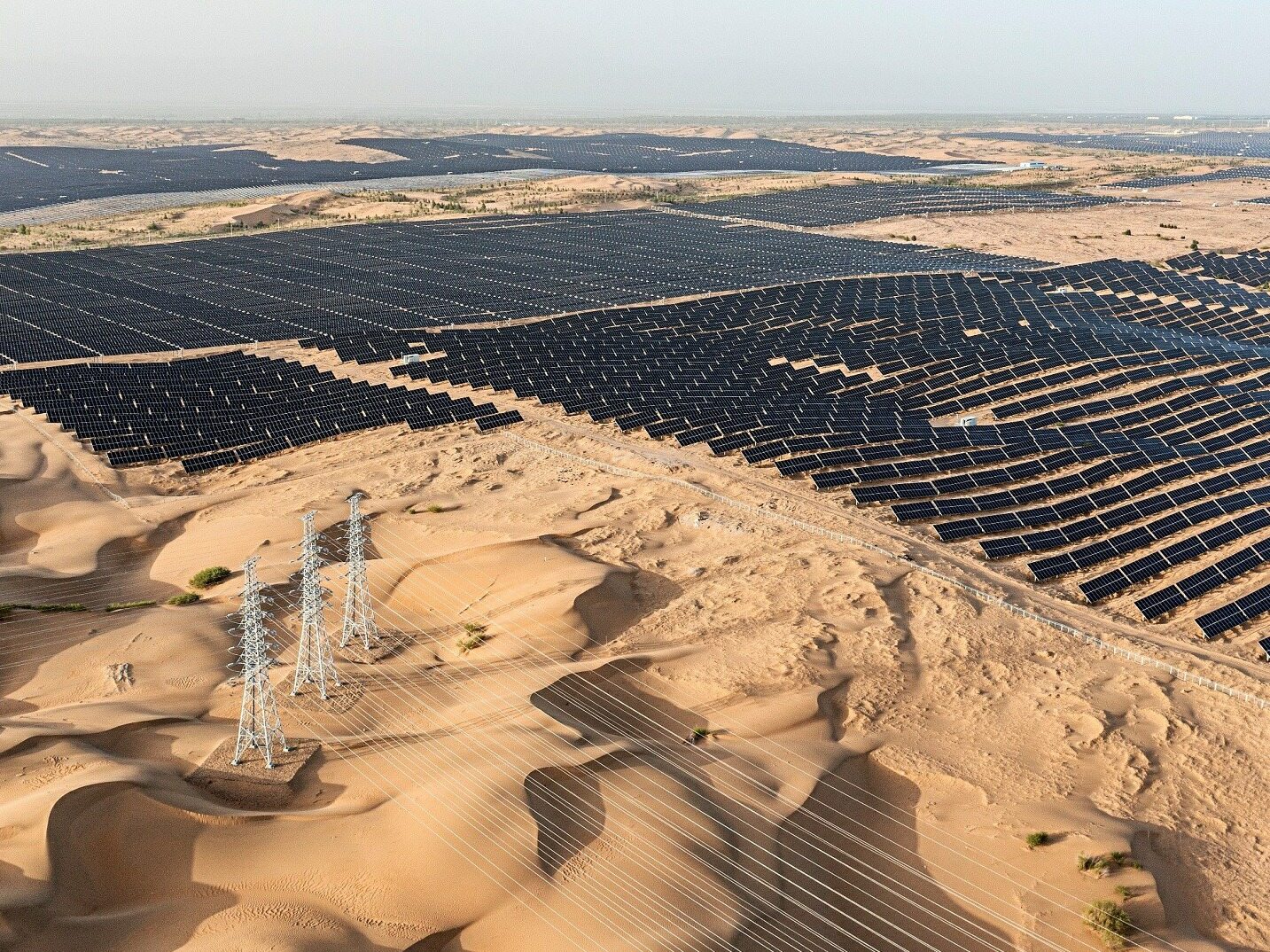
LONGi Europe and Faria Renewables have finalized an 81.66MW module supply agreement to jointly build two ground-mounted photovoltaic power plants, utilizing a total of 125,280 Hi‑MO9 modules. The project is expected to generate up to 80,000 MWh of electricity annually, satisfying the electricity needs of 16,000 households and reducing carbon dioxide emissions by 50,000 tons per year. The Athamas and Mykonos projects are scheduled to be grid-connected in July 2026 and June 2027, respectively. Faria Renewables is fully responsible for project development and overall operation, and the company's total photovoltaic development capacity in Greece has exceeded 2GW.
Scientific innovation and fulfilling responsibilities
The Hi‑MO9 module relies on HPBC2.0 back contact technology to reduce the cost per kilowatt-hour and the associated construction expenses. The Athamas project is equipped with fixed supports and a single-axis tracking system, and is connected to the grid through dedicated transmission lines. The project construction takes into account cultural relic protection and strictly follows archaeological standards for excavation work.keywords: LONGi Green Energy、 Greek photovoltaic
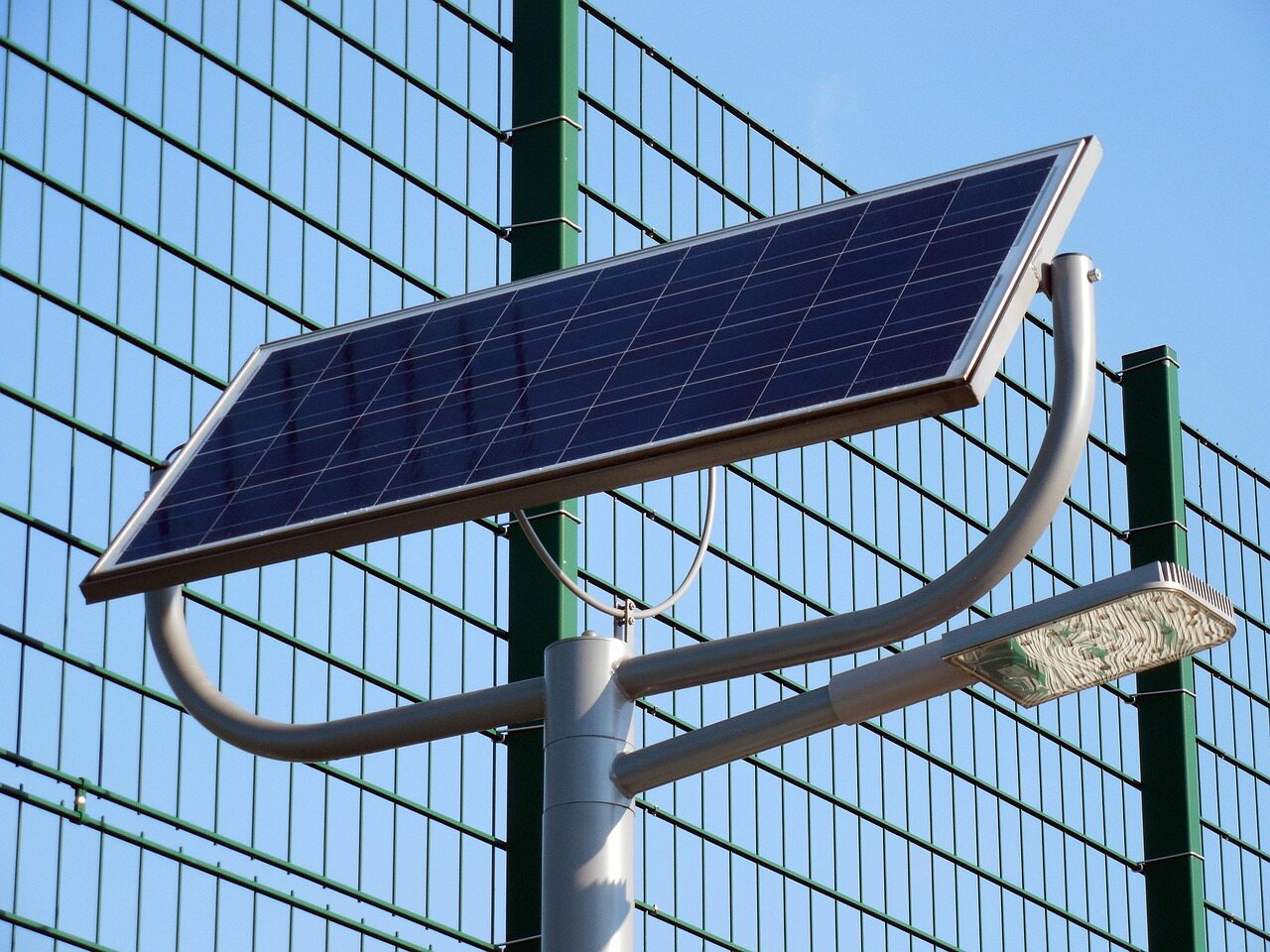
This collaboration will help Greece accelerate its photovoltaic deployment and solidify LONGi's position in the new energy market of Southern Europe.Editor/Min Jing
Comment

 Praise
 Collect
 Comment

 Share
Share


Write something~