 Search


- Deepening regional power cooperation from interconnectivity to a common market
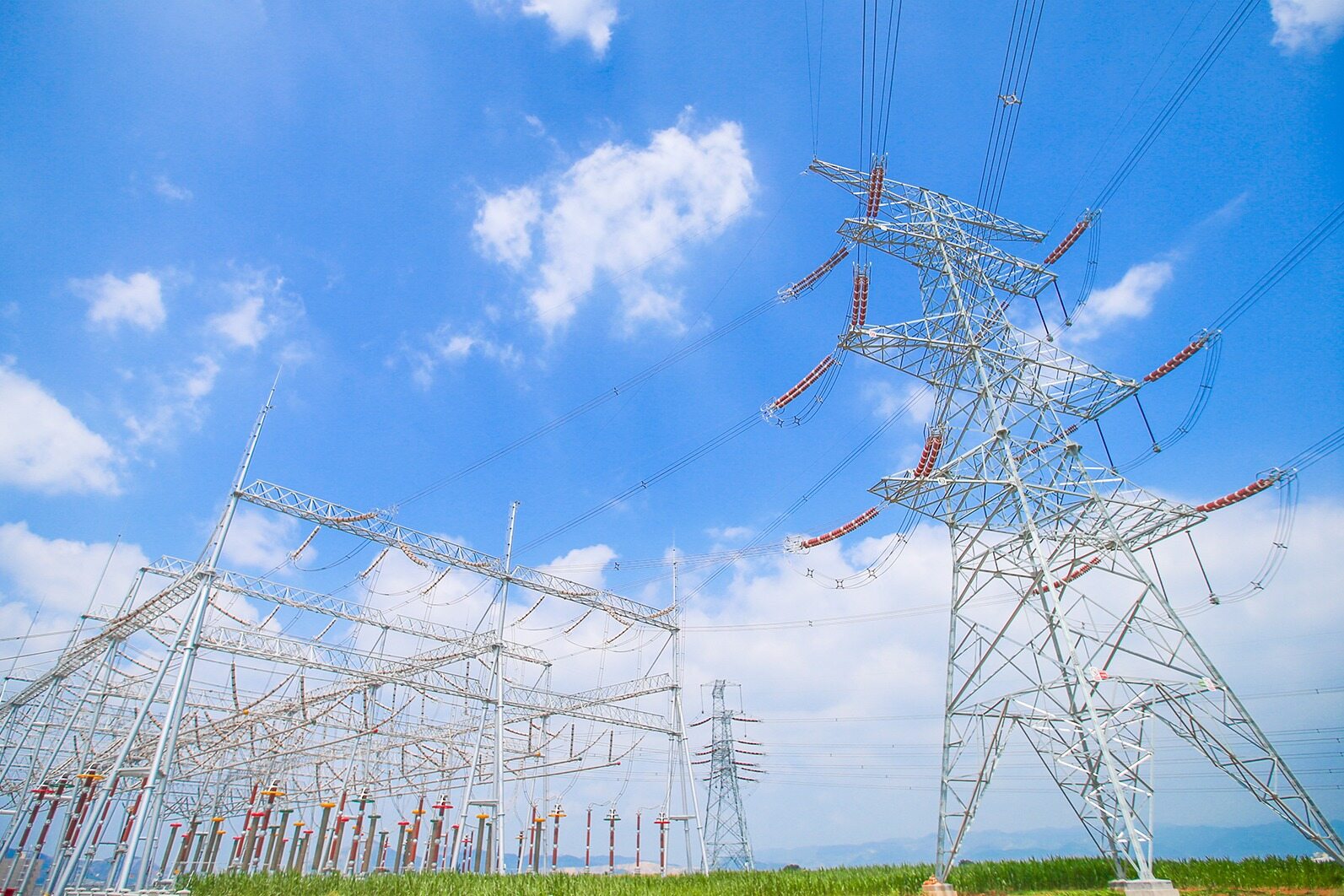
On June 26, 2026, within the Hong Kong Convention and Exhibition Centre, an energy landscape spanning mountains and rivers was unfolding. At the 10th Lancang Mekong Power Enterprise Summit, power giants from six countries gathered together and shifted their focus from the criss crossing cross-border transmission lines to a more imaginative goal - building a Lancang Mekong common power market. This marks the transition of the energy link that has lasted along the Lancang Mekong River for ten years from physical hard connectivity to institutional soft connectivity.
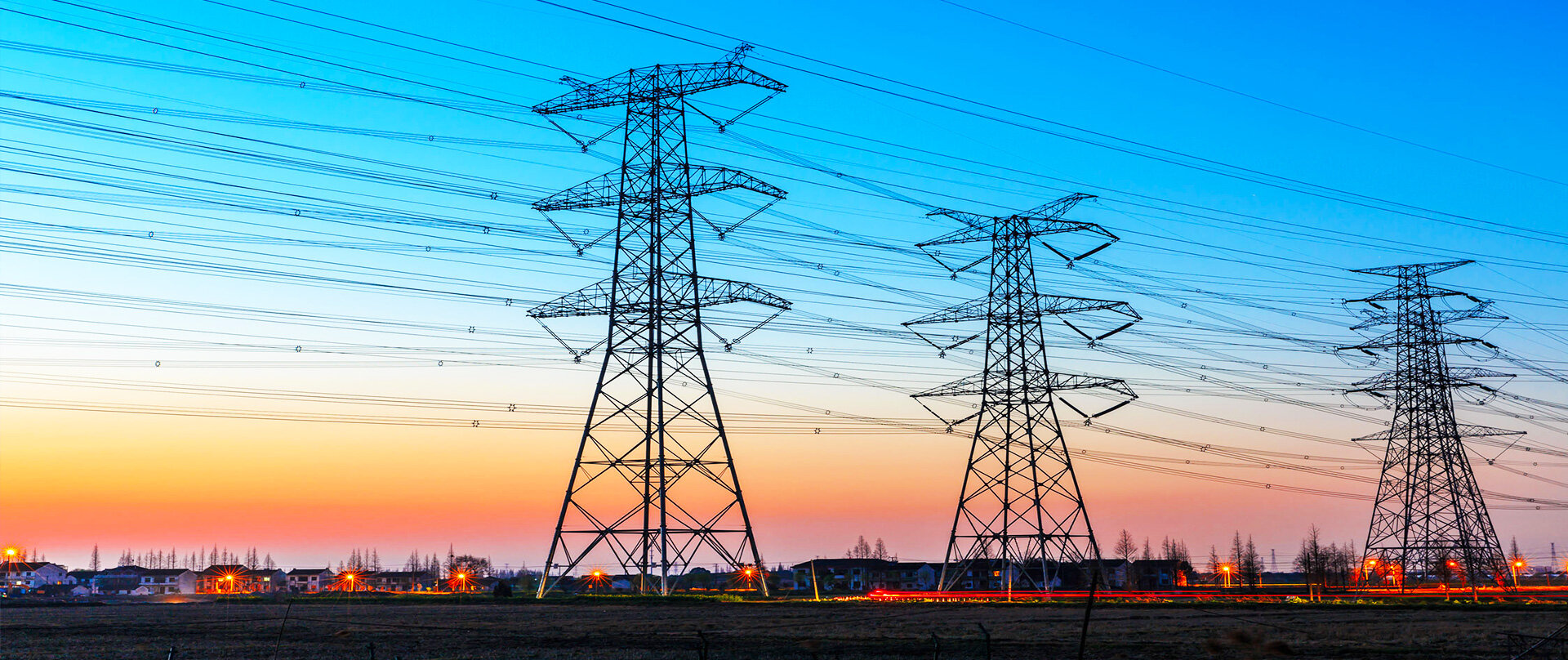
Ten years of weaving a network to build a solid foundation for interconnectivity
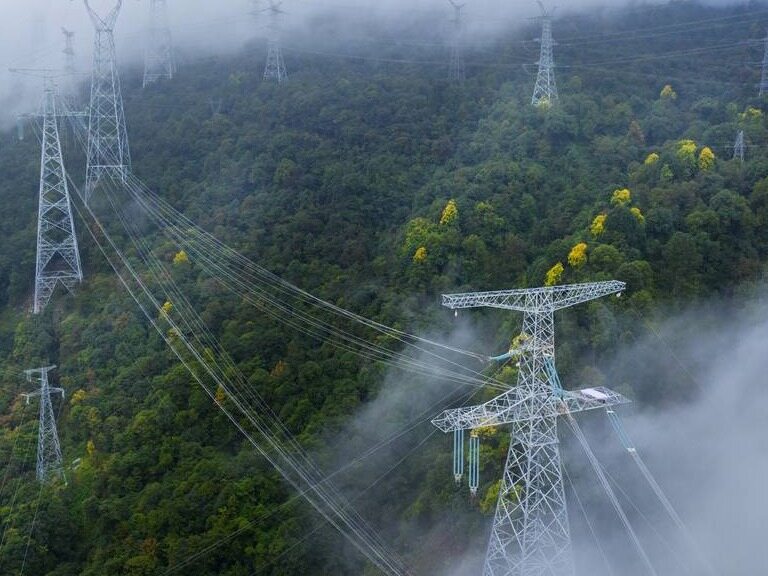
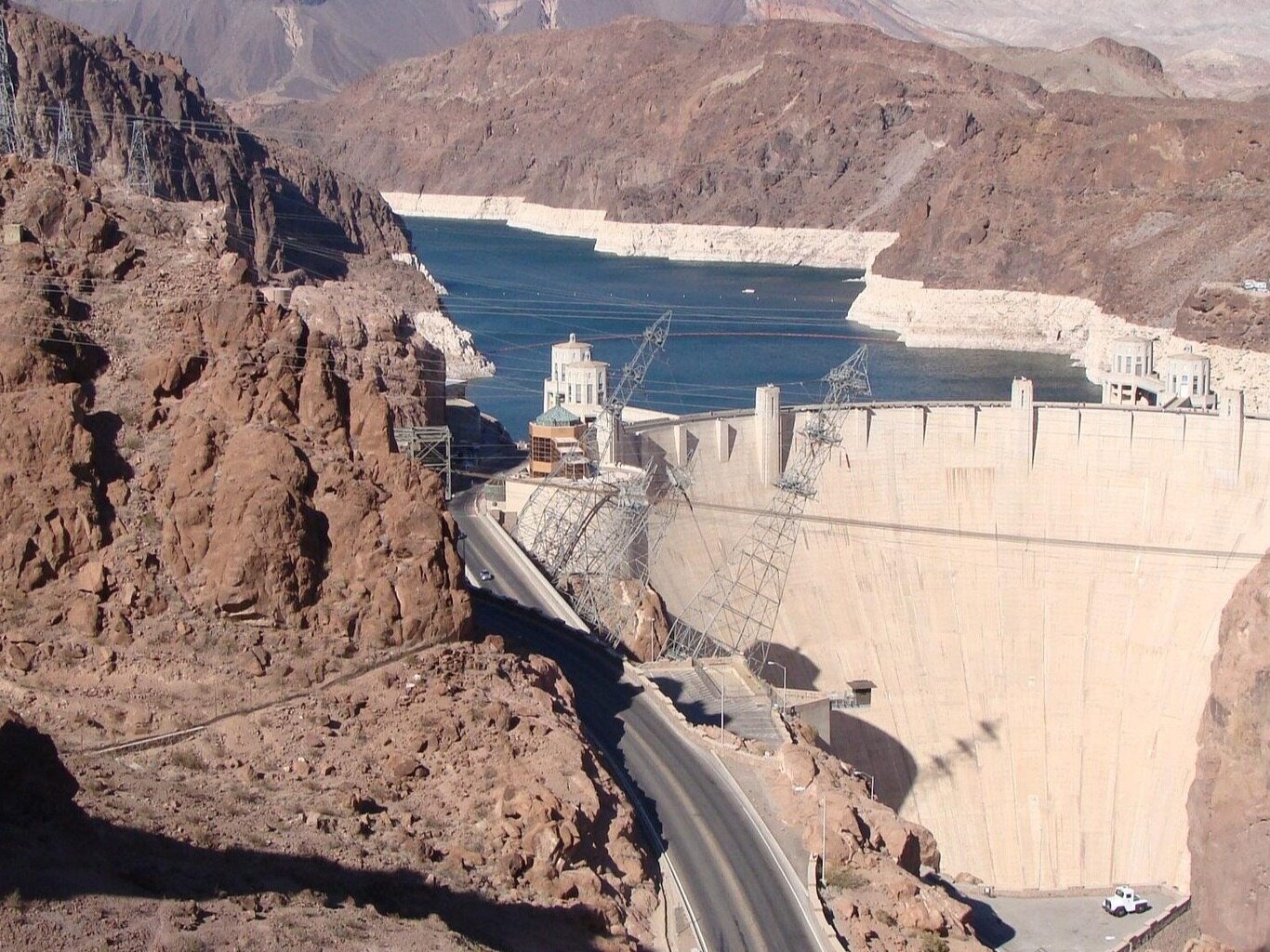
In the past decade, the Lancang Mekong region has quietly woven into a cross-border power backbone network covering the Indochina Peninsula. From the mature Laos Thailand hydropower trade corridor to the China Laos 500 kV interconnection project, physical "hard connectivity" not only converts Laos' hydropower into real gold and silver, but also provides clean electricity for industrialization in Thailand and Vietnam. After ten years of deep cultivation, the six countries have jointly verified the feasibility and win-win nature of "creating value through interconnection".
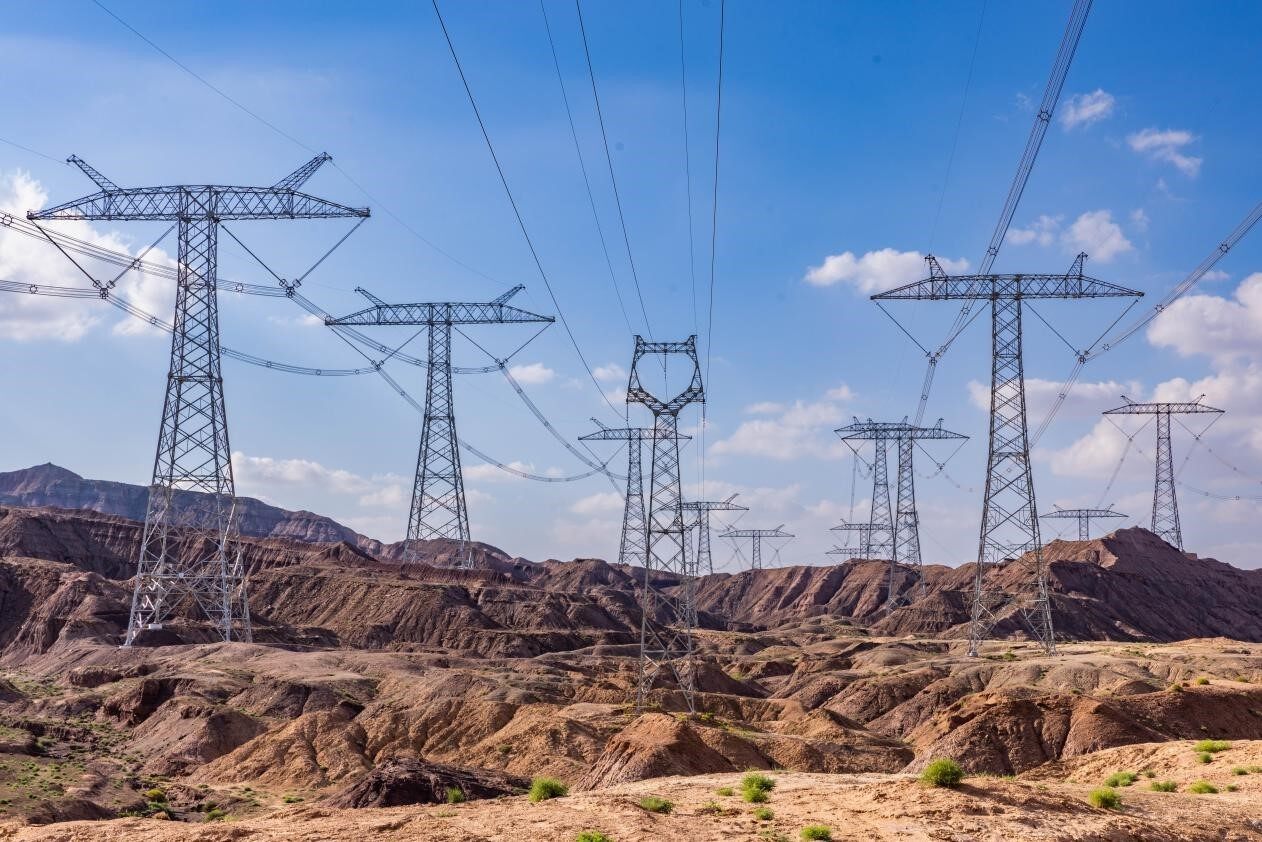
Rule integration activates market potential
However, having only lines is not enough. The current Lancang Mekong electricity trade is still in a stage of trade and market shortage. The summit on June 26, 2026 clearly stated that in the future, efforts will be made to break through traditional bilateral trade bottlenecks by establishing compatible trading rules and settlement mechanisms, allowing electricity to flow freely within the region like ordinary commodities. This leap from grid connectivity to rule-based integration aims to systematically reduce the overall cost of power supply in the region. Keywords: strategic news and information, power cooperation
Green transformation and sharing of universal benefits
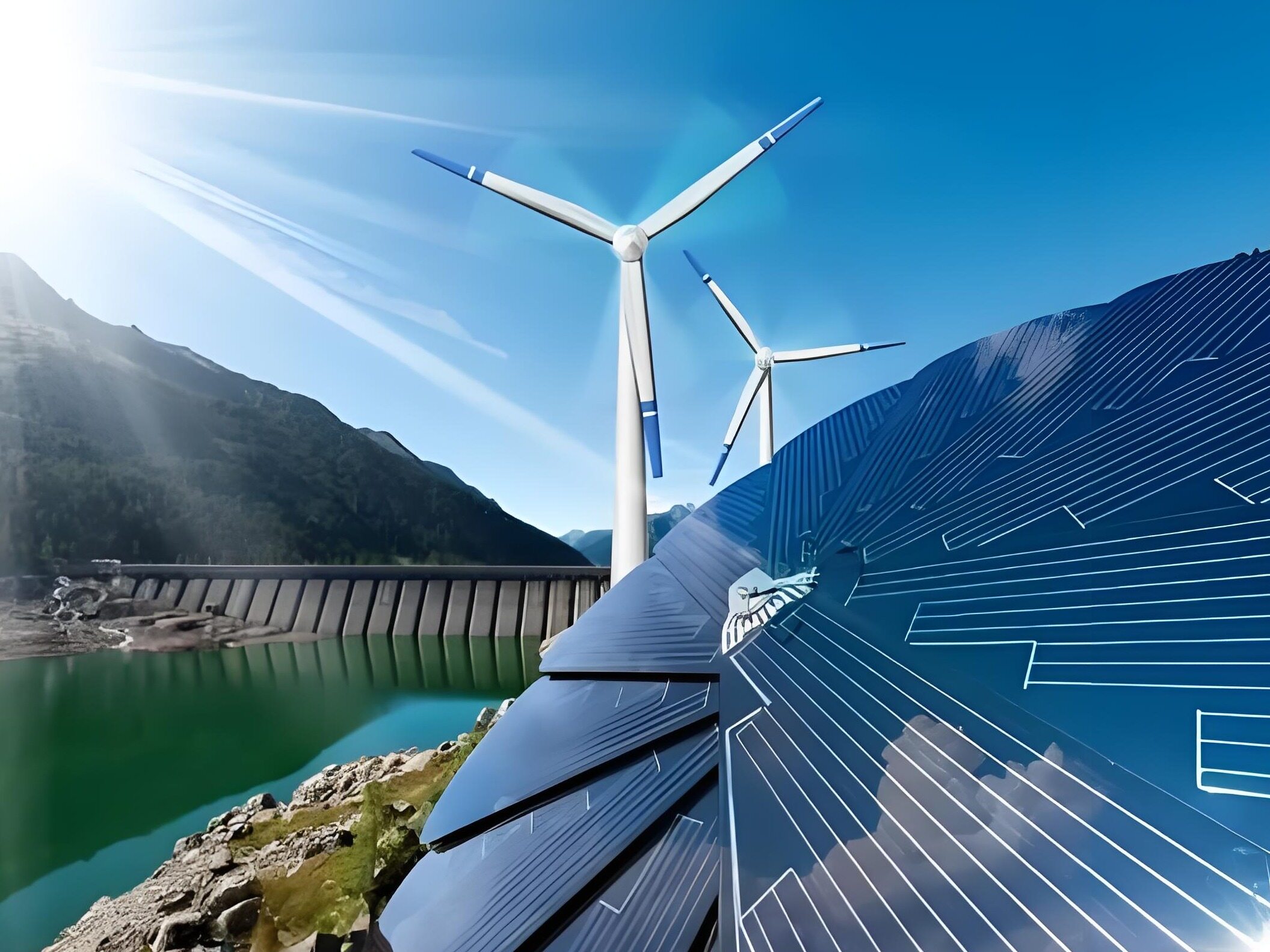
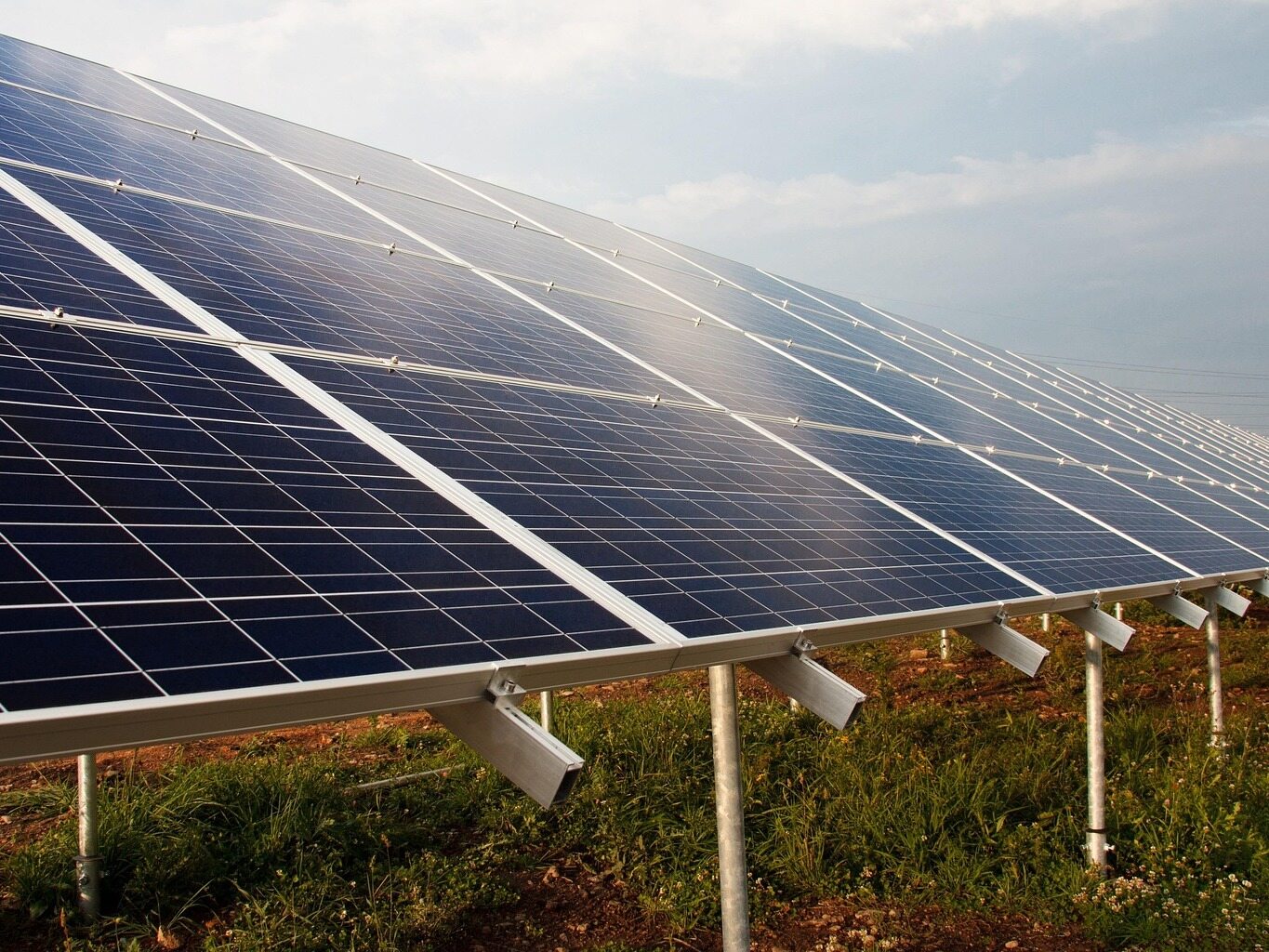
The ultimate goal of building a common electricity market is to serve the green transformation of the entire basin. By relying on regional power grid interconnection, intermittent wind and photovoltaic power from various countries can be complemented and consumed on a larger scale, avoiding the high cost of redundant construction of peak shaving power sources. This is not only a joint action of the six countries to implement the Paris Agreement, but also a universal practice to transform the achievements of green development into benefits for ordinary coastal people.Editor/Gao Xue
Comment


 Praise
 Collect
 Comment

 Share
Share


Write something~