 Search


- The Middle East is expanding production both onshore and offshore, ushering in a restructuring of the global MDI industry landscape
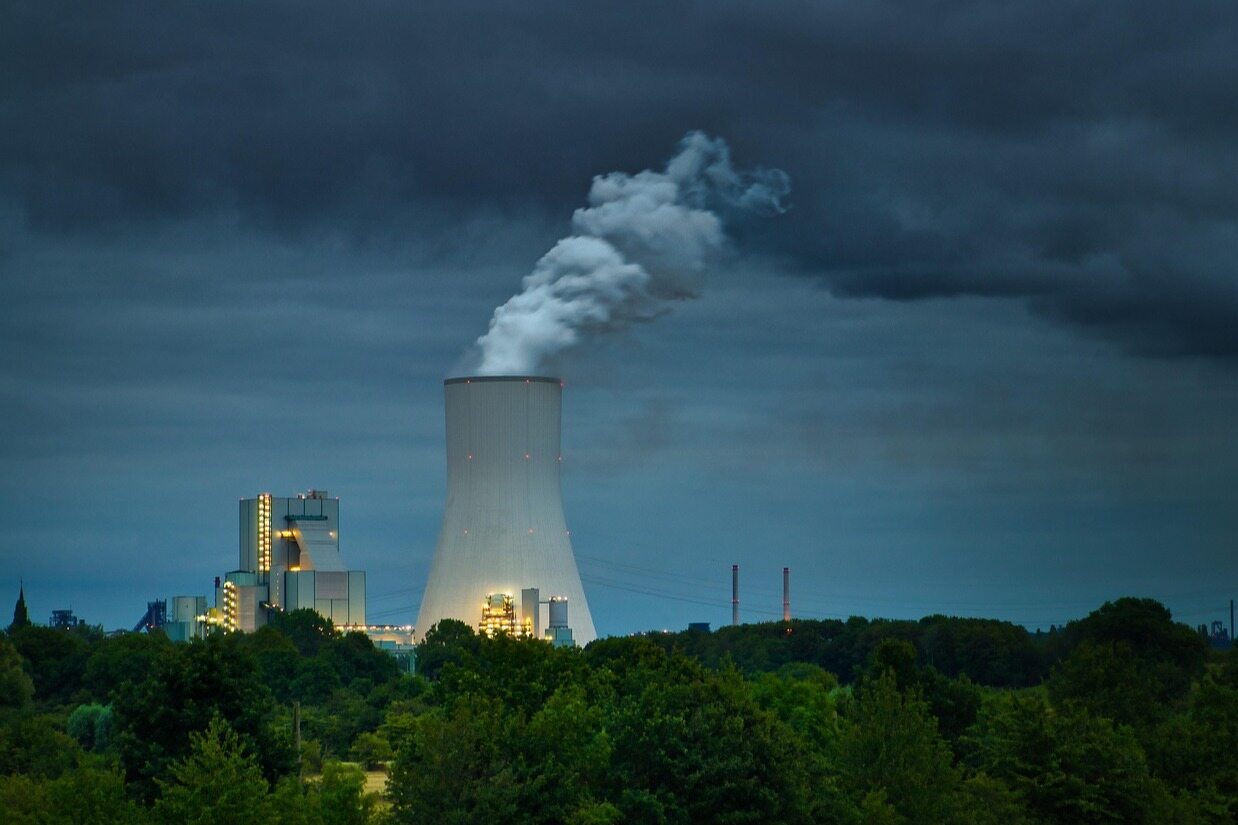
Covestro, the global leader in the chemical industry, has unveiled a significant MDI investment plan. On one hand, it is increasing its investment in the construction of a brand-new 660,000-ton production line at its Shanghai base. On the other hand, it has initiated an assessment for a project of comparable scale in the United Arab Emirates. Once these two projects are implemented, the company's total production capacity will see a significant increase, surpassing BASF to rank second globally. The Middle East, leveraging its low-cost energy resources, is pushing into high-end chemical industries. Several companies are flocking to the MDI sector, transforming the region from a crude oil exporter into a key production hub for raw materials.
Shanghai Green New Production Line
The Shanghai integrated base plans to build a 660,000-ton MDI plant, which is expected to be put into operation around 2030. The project adopts a proprietary low-carbon process to reduce production energy consumption, and aims to achieve net-zero emissions of Category 1 and 2 greenhouse gases. It will also establish an integrated industrial chain by supporting upstream intermediate factories. As a core raw material for polyurethane, MDI is widely used in home appliance insulation, automotive interiors, building panels, and other fields. The huge downstream demand in China supports the implementation of the project.
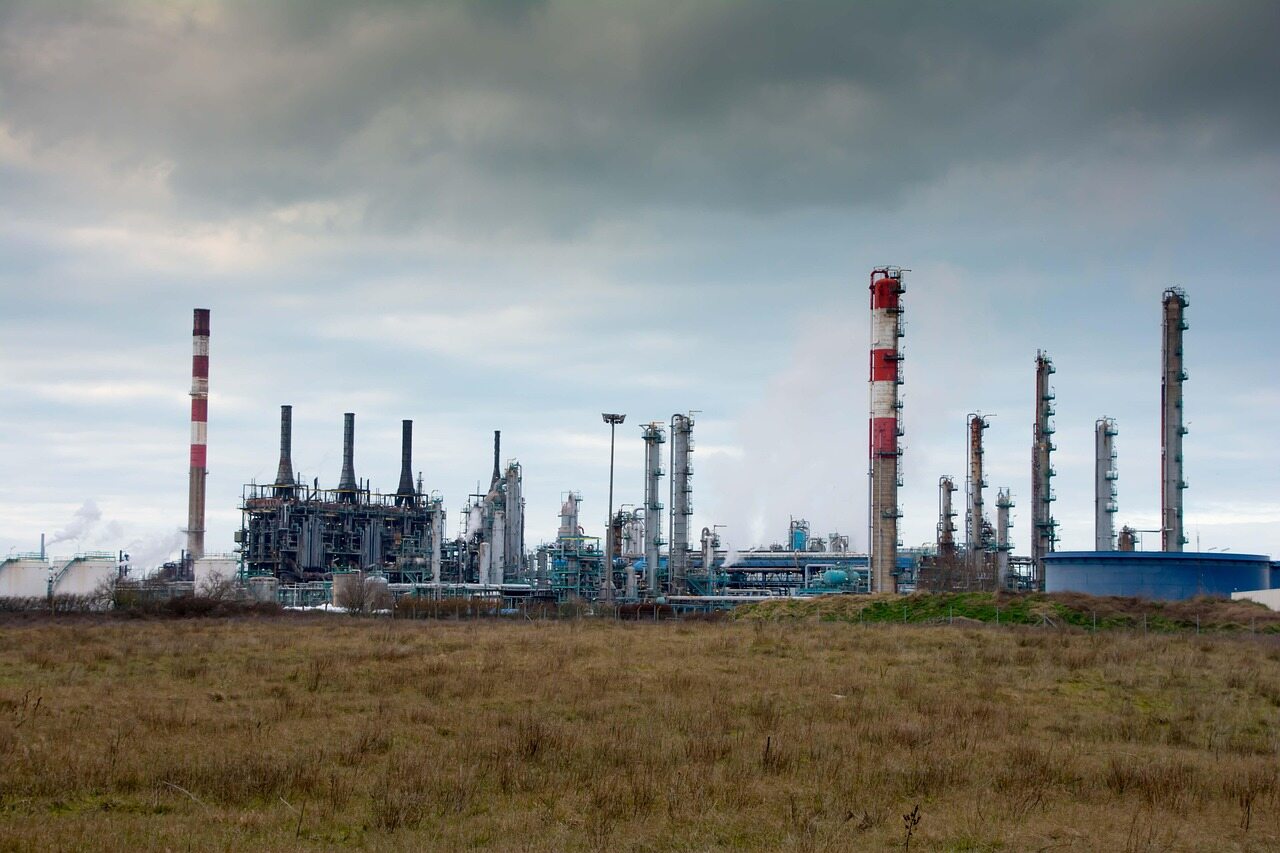
Simultaneous promotion and evaluation in the Middle East
Covestro has conducted a feasibility study on a 660,000-ton production capacity in the Industrial City of Ruwais, UAE, relying on the cooperation framework with local enterprises for ammonia supply to establish raw material channels. This layout is the first large-scale expansion plan after the company was acquired by Middle Eastern capital. Other local enterprises have already planned similar projects, and Wanhua Chemical's increase in regional product prices also confirms the rapid rise in demand in the Middle East market.
Global industry landscape reshaping
Currently, Covestro boasts an existing MDI production capacity of 1.77 million tons. When combined with projects of 660,000 tons each in two locations, the total capacity reaches approximately 3.09 million tons, surpassing BASF's 2.07 million tons and elevating it to the second position globally. The total global MDI production capacity stands at 11.55 million tons, with the top five enterprises accounting for 90% of the market share.Keywords: polyurethane raw materials、chemical industry transformation in the Middle East
The low-cost advantage of the Middle East attracts capacity transfer, and this dual-track investment has become a typical epitome of regional transfer in the global chemical industry.Editor/Min Jing
Comment


 Praise
 Collect
 Comment

 Share
Share


Write something~