 Search


- Cloud and AI technologies are rapidly reshaping the global industrial landscape
- South Africa is also leveraging such external investments to promote the modernization transformation of core industries such as electricity, water, and digital communications

Recently, Google Cloud officially announced the construction of a digital exchange port in the Eastern Cape province of South Africa, along with the establishment of Africa's first AI application laboratory. These two new investments directly address the key gaps in cross-border digital connectivity and AI technology implementation on the African continent.
This digital exchange port will directly connect to the existing Umoja submarine cable, as well as to the newly built fiber optic submarine cable from South Africa to Visakhapatnam and Chennai in India. This new trans Indian Ocean route is part of Google's $15 billion five-year India Infrastructure Initiative.
Cross ocean connectivity opens up a new path for cloud services in Africa
After the completion of the new submarine cable link, the stability of local cloud services in South Africa will be greatly improved, and AI computing resources can quickly radiate to more areas of the African continent through the Johannesburg cloud region.
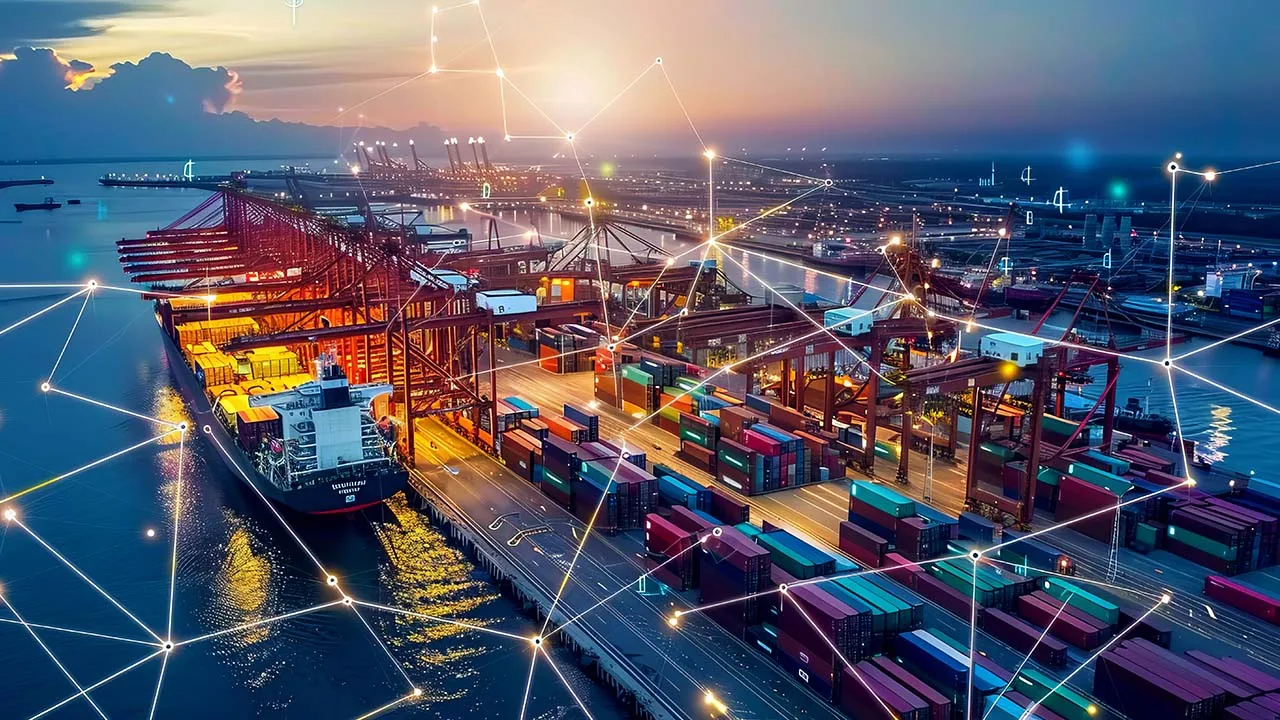
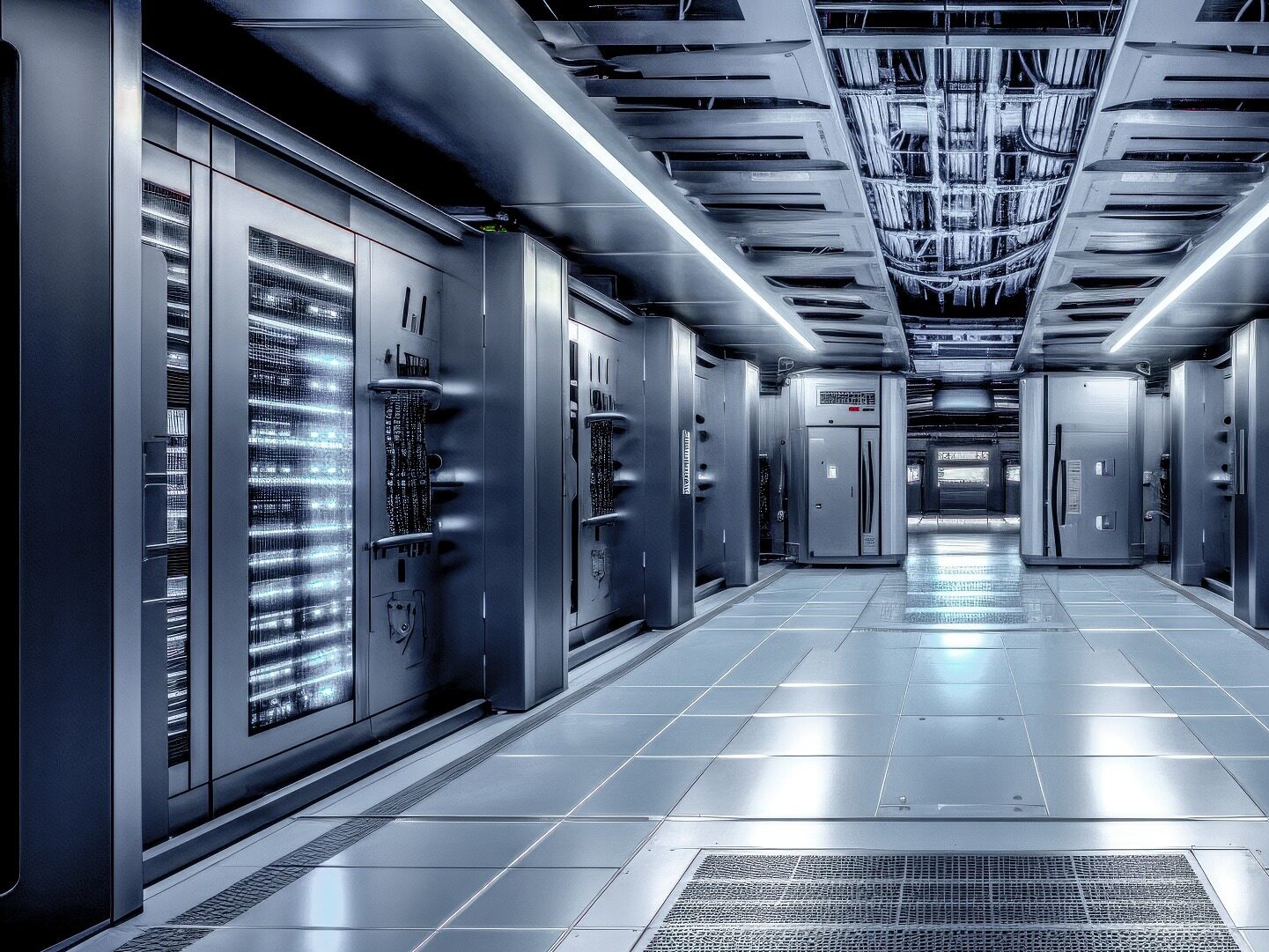
At present, South Africa has concentrated about 70% of Africa's ultra large scale data center capacity, but there is a significant gap between per capita computing power and mature global markets. The IT capacity per million people is only 6.69 megawatts, far lower than the 47.21 megawatts in the UK. As a core connecting node, this digital exchange port can directly reduce the latency and cost of cross-border data transmission, laying the foundation for the expansion of the South African AI data center project in the future.
Local AI innovation ecosystem receives direct support
The first AI application laboratory in Africa will be established at the Accra AI Community Center in Ghana, opening up Google's latest AI model resources to local researchers and businesses, providing direct technical support to startups across Africa.
Previously, many local AI projects in Africa were limited by computing power and model resources, and it was difficult to complete large-scale implementation. The opening of laboratories can make up for this long-term weakness, so that local innovation projects no longer need to connect with overseas computing power nodes remotely, and significantly reduce the threshold for the implementation of AI technology.
Match the pace of digital transformation in South Africa
South Africa is currently promoting a multi-year public sector joint initiative called Vulindlela, with the second phase focusing on the implementation of digital public services. Google's infrastructure investment has just filled the gap in underlying computing power support behind public services. Keywords: AI technology, digital exchange port
South African President Cyril Ramaphosa publicly stated that such investments are a vote of confidence in the country's economic development trajectory, which can directly drive job creation, support the growth of local small and medium-sized enterprises, and strengthen the global competitiveness of South Africa's digital industry. Cloud and AI technologies are rapidly reshaping the global industrial landscape, and South Africa is also leveraging such external investments to drive the modernization transformation of core industries such as electricity, water, and digital communications.Editor/Cheng Liting
Comment

 Praise
 Collect
 Comment

 Share
Share


Write something~