 Search


- Brazil's low carbon computing advantage is highlighted, and the ByteDance 10 billion data center project has landed in Sierra Leone
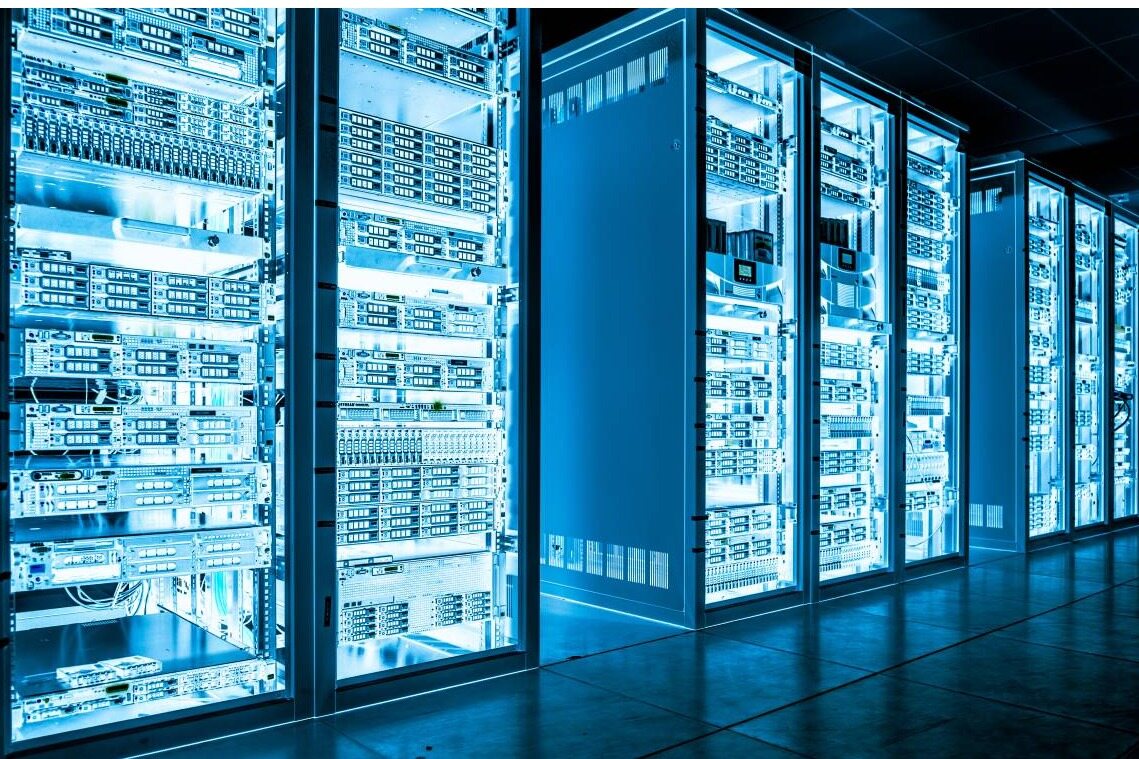
ByteDance has selected the Port of Persem Complex in Seara, Brazil, to build its largest data center project outside China, with a total investment of about US $38.44 billion, a planned capacity of 200 MW at the initial stage, and an expansion of nearly 1 GW in the long term.
At present, only the foundation pile foundation construction is completed for the project, and the subsequent main structures such as walls and roofs will be promoted in succession. It is generally expected that the project will be officially put into operation by the end of 2027. The project will be undertaken by the local enterprise Omnia, which will introduce this site to ByteDance in 2025.
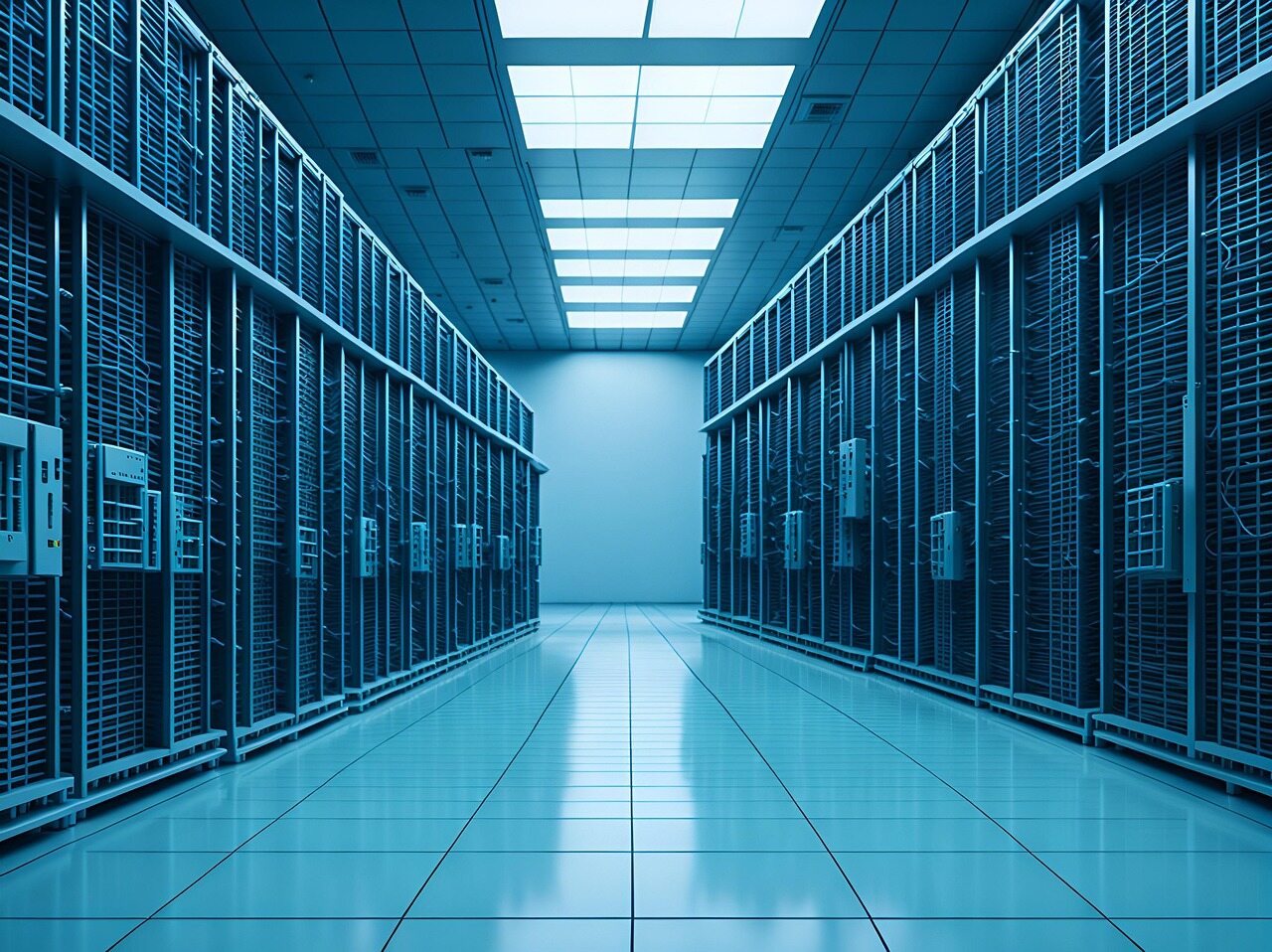
Brazil becomes a popular destination for overseas computing power layout
ByteDance is not the only Chinese technology enterprise aiming at Brazil. Alibaba is also considering leasing the relevant space of the data center cluster under construction in Sao Paulo, and the relevant planning has not been officially disclosed.
By 2025, nearly 90% of the local electricity will come from low-carbon clean energy sources, which can significantly reduce the carbon emission pressure of data centers. In addition, the IT related capital expenditure tax reduction policy implemented last year has directly lowered the construction and operation costs of data centers. The well-equipped submarine cable links can also smoothly connect with major global markets.
The South American computing power market enters a rapid growth cycle
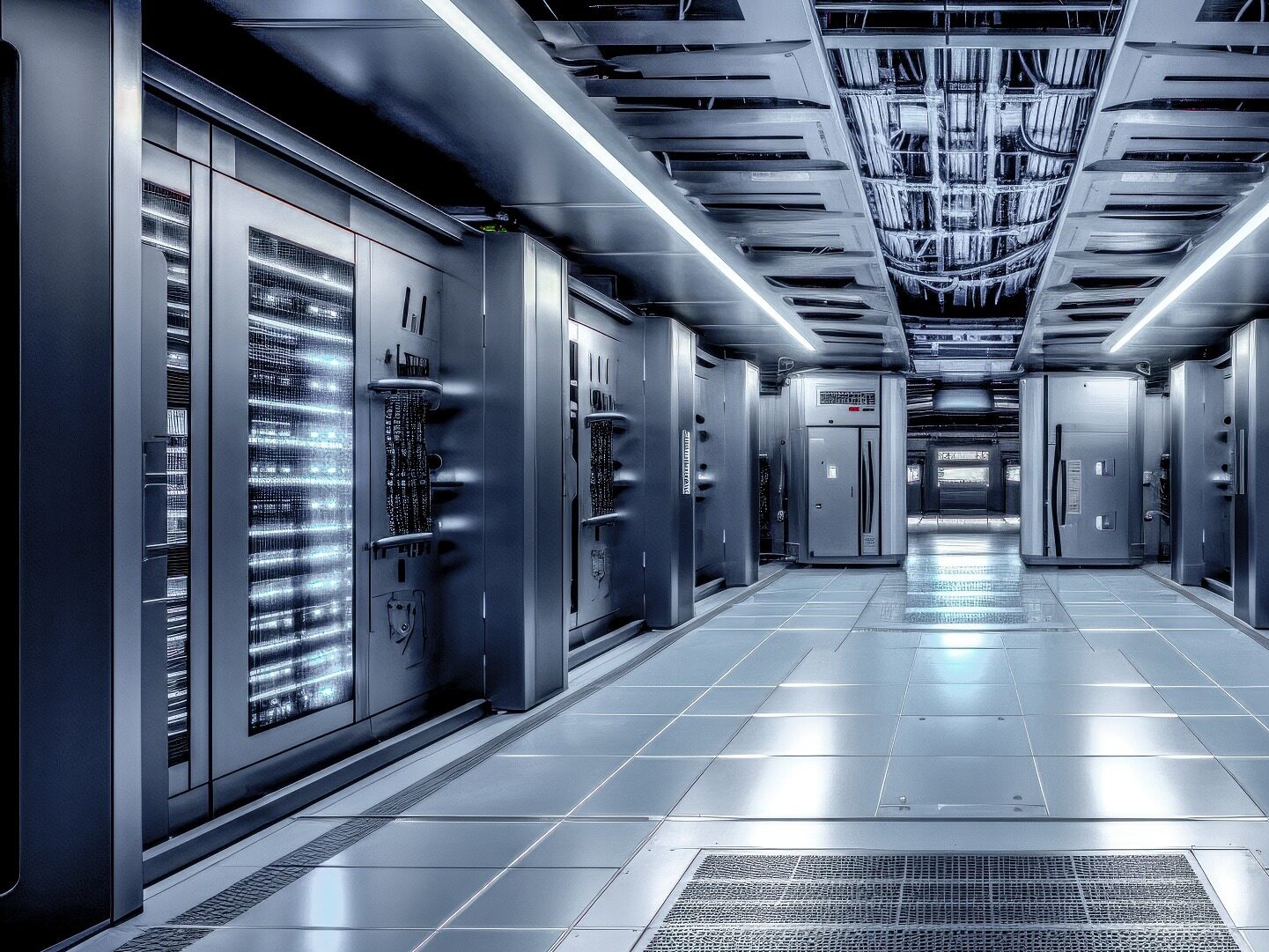
Currently, over 100 data centers have been established nationwide in Brazil. With the rapid increase in global demand for AI and cloud services, the local data center market is expected to exceed $8.12 billion by 2031. Keywords: big data center, AI computing power

Previously, the mainstream of the market was retail hosting services. Such large-scale self built projects as ByteDance were successively launched, and the layout actions of overseas technology enterprises such as Microsoft are pushing the local data center market to upgrade to large-scale dedicated facilities. This type of layout can also help Chinese technology companies avoid some hardware export restrictions and serve a massive number of users in the Latin American region nearby.Editor/Cheng Liting
Comment



 Praise
 Collect
 Comment

 Share
Share


Write something~