 Search


- The first global assessment report on ocean energy resources has been released, with potential far exceeding industry expectations
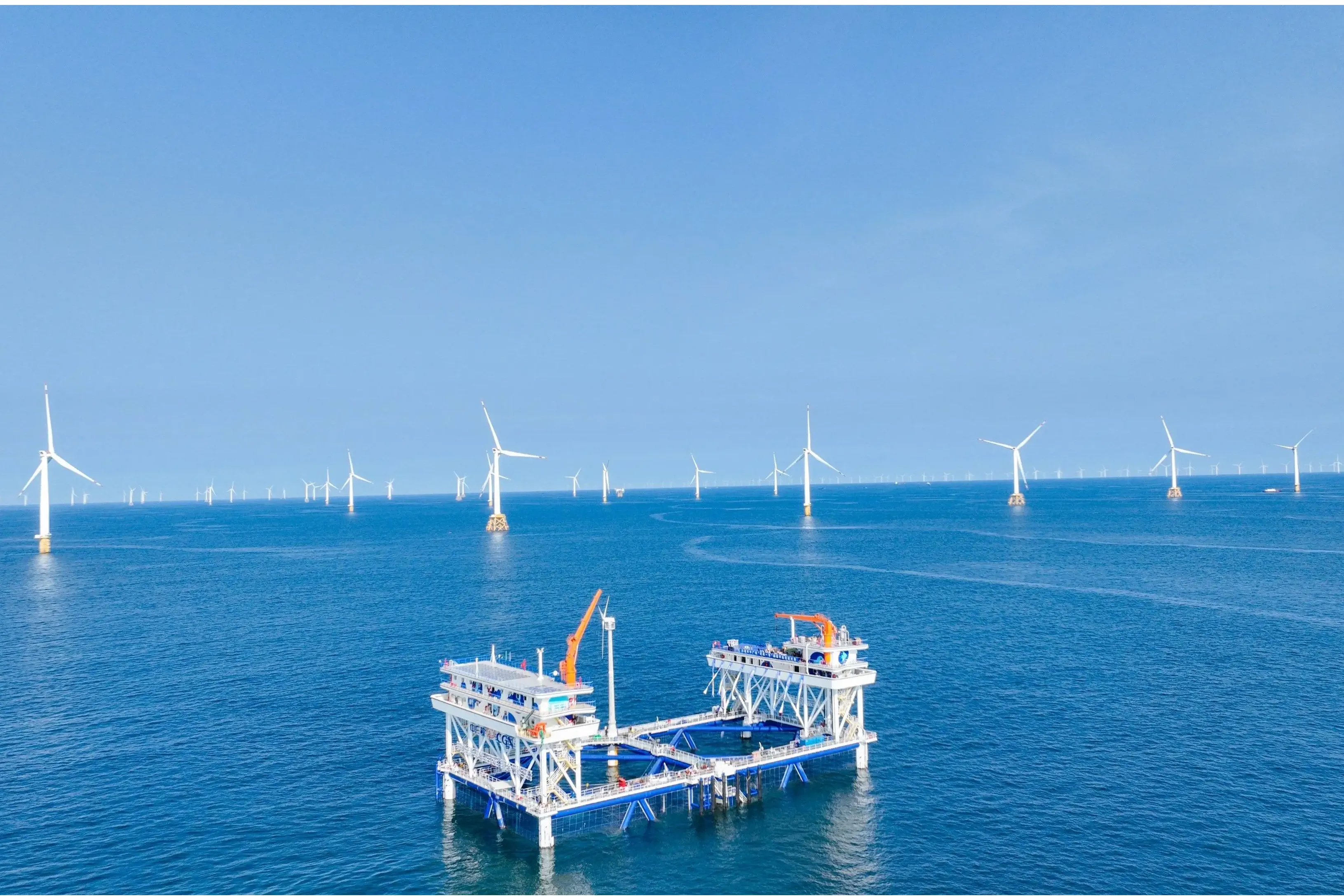
On June 29, 2026, the European Ocean Energy Association, in collaboration with the International Renewable Energy Agency and the European Commission, released the first global assessment report on wave and tidal energy resources. This report brings together over 70 government and academic research findings, directly refreshing the industry's understanding of the potential for ocean energy development.
The report estimates that the ocean as a whole can meet 13% of the global electricity demand, and this proportion can reach 21% within the European Union, exceeding the total scale of fossil natural gas or hydropower generation in the current region.
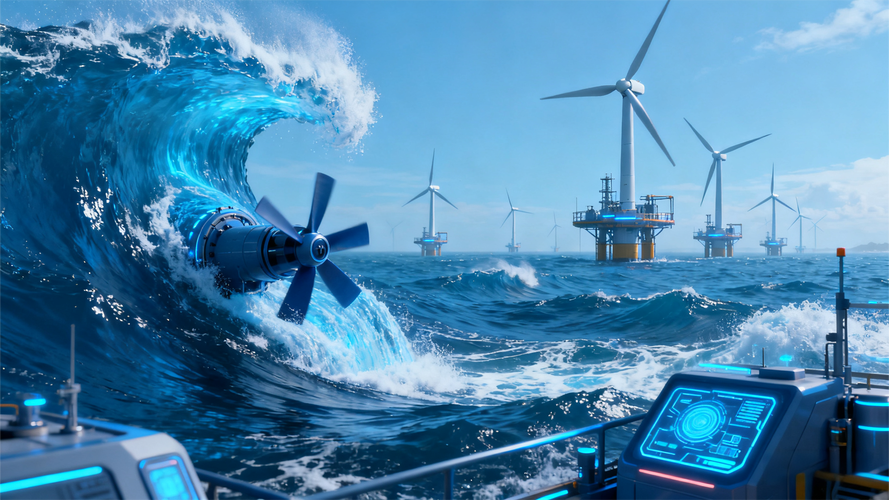
The distribution of regional resources shows obvious differentiation characteristics
Europe is currently the region with the richest ocean energy resources, with the UK and France possessing the world's top tidal energy resources. Ireland and Portugal can meet all their electricity needs with wave energy alone, while the UK and Spain can meet over 55% and 30% of their electricity shortages with wave energy, respectively.
The United States and Canada have the highest untapped potential in the North American region, driven by a large number of projects funded by the US Department of Energy. The local industries are growing rapidly and may even challenge Europe's current leading position in the future. South America, Asia, and Oceania also have abundant high-quality resources. Wave energy in Brazil and Chile can cover 20% of the country's electricity needs, tidal energy in the Philippines can meet all electricity consumption, and tidal energy in Indonesia can account for over 50%. Africa and small island developing countries also have a large amount of potential resources that have not been systematically evaluated.
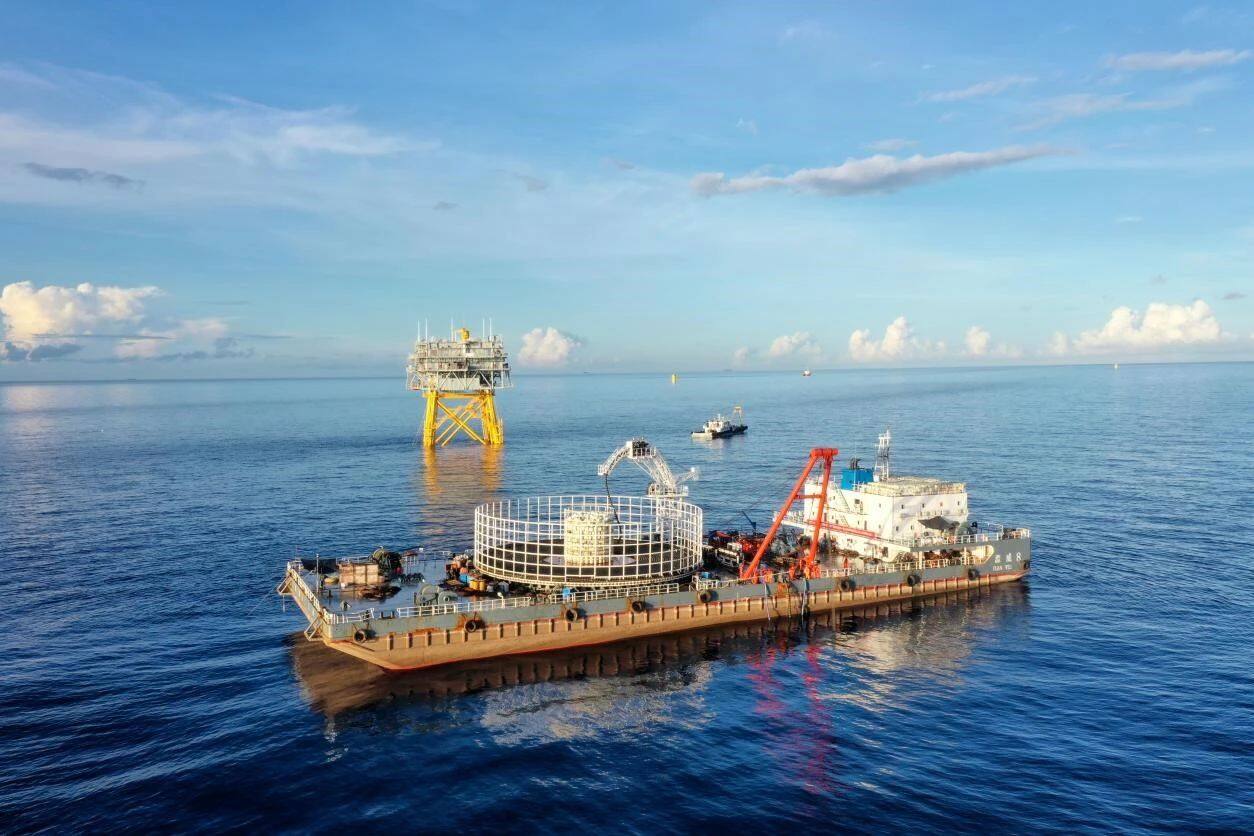
Ocean energy is expected to enter the main renewable energy sequence
Previously, ocean energy was regarded as a niche renewable energy source for a long time, and unclear resource resources were the core obstacle restricting the layout of various countries. This assessment just fills the gap in basic data for policy-making, and can help more countries understand their own marine energy endowments and build a suitable industrial promotion framework. Keywords: electricity resources, ocean energy resources
The current iteration speed of related technologies is accelerating, and as development costs continue to decline, ocean energy can fully compete with wind and solar energy, becoming an important support for energy transformation. The country that completes the commercialization deployment first will be the first to obtain industrial leading advantages, equipment export opportunities, and stable local renewable power supply. The global competition in this track has quietly begun.Editor/Cheng Liting
Comment


 Praise
 Collect
 Comment

 Share
Share


Write something~