 Search


- Reshaping the Logistics Landscape from Central and Eastern Europe to the Commonwealth of Independent States
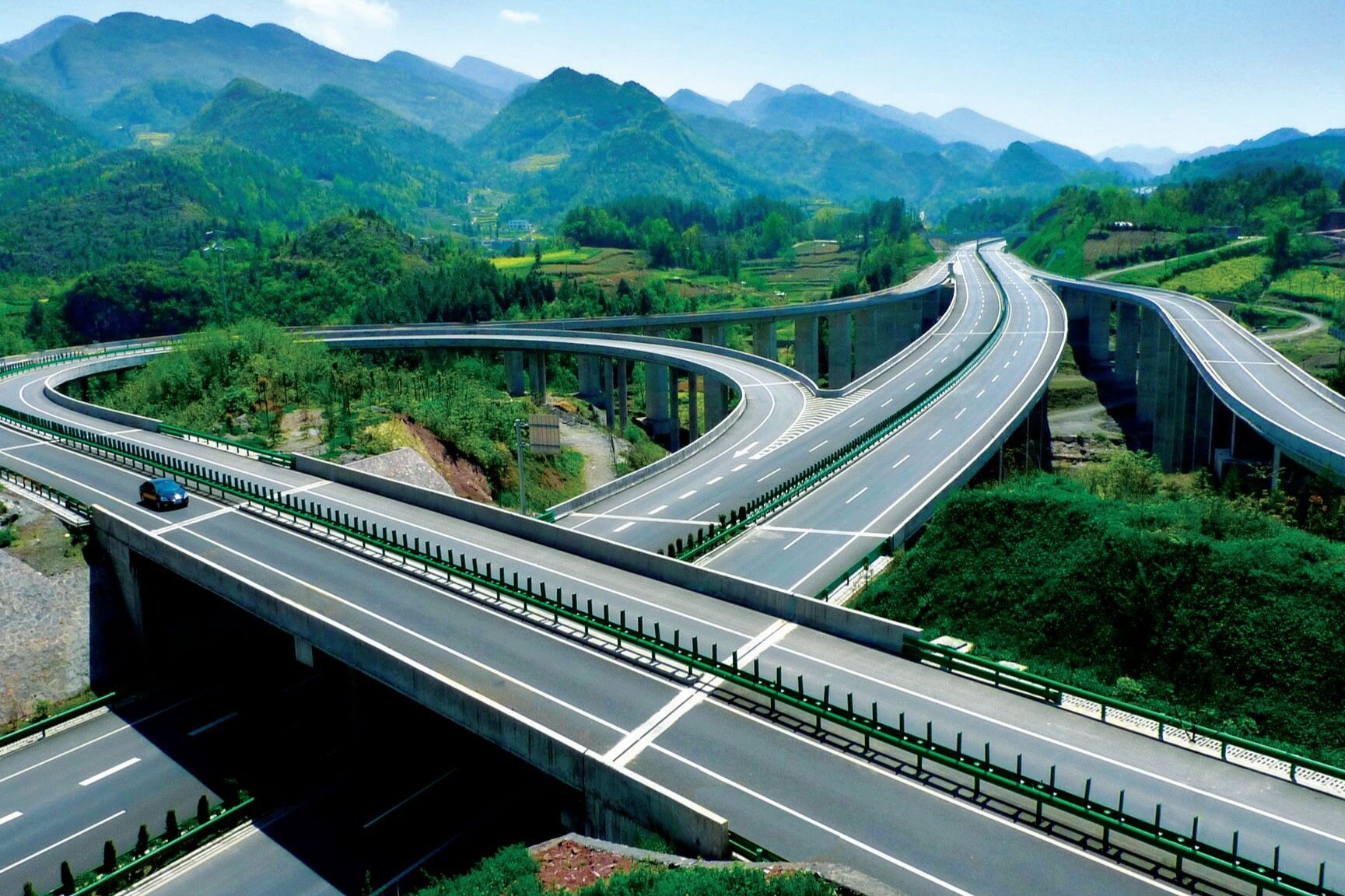
A paper award from the Romanian National Road Investment Company has thrown a heavy blow to the logistics map of Central and Eastern Europe. The consortium consisting of Italy's Itinera, Saipem, and ICM has won the key section of the A8 highway for 700 million euros. This is not only a major artery connecting Romania and Morocco, but also a potential shortcut for Chinese new energy companies to enter the European hinterland.
Italian companies join forces to tackle tough challenges
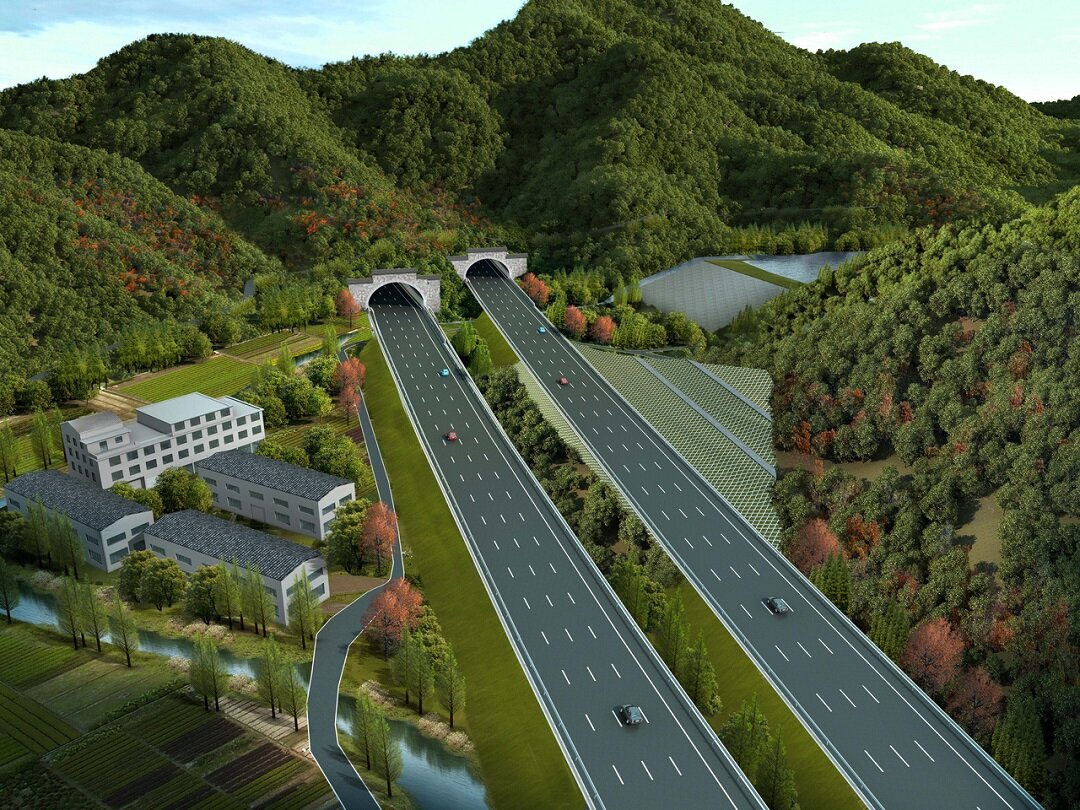
Although the fourth section won this bid is only 21 kilometers long, it is the most challenging throat project of the entire A8 highway. As a cross-border link connecting Romania, Ia ș i, and Moldova, this section of road extends 5 kilometers deep into Moldova's territory. The consortium needs to conquer a 1.7-kilometer double tunnel and a 500m open cut tunnel, and construct 14 bridges and 3 large interchanges. The collaboration of the three major engineering giants ensures the technical output and performance quality of this highly difficult cross-border bridge and tunnel project.
EU funding connects major arteries
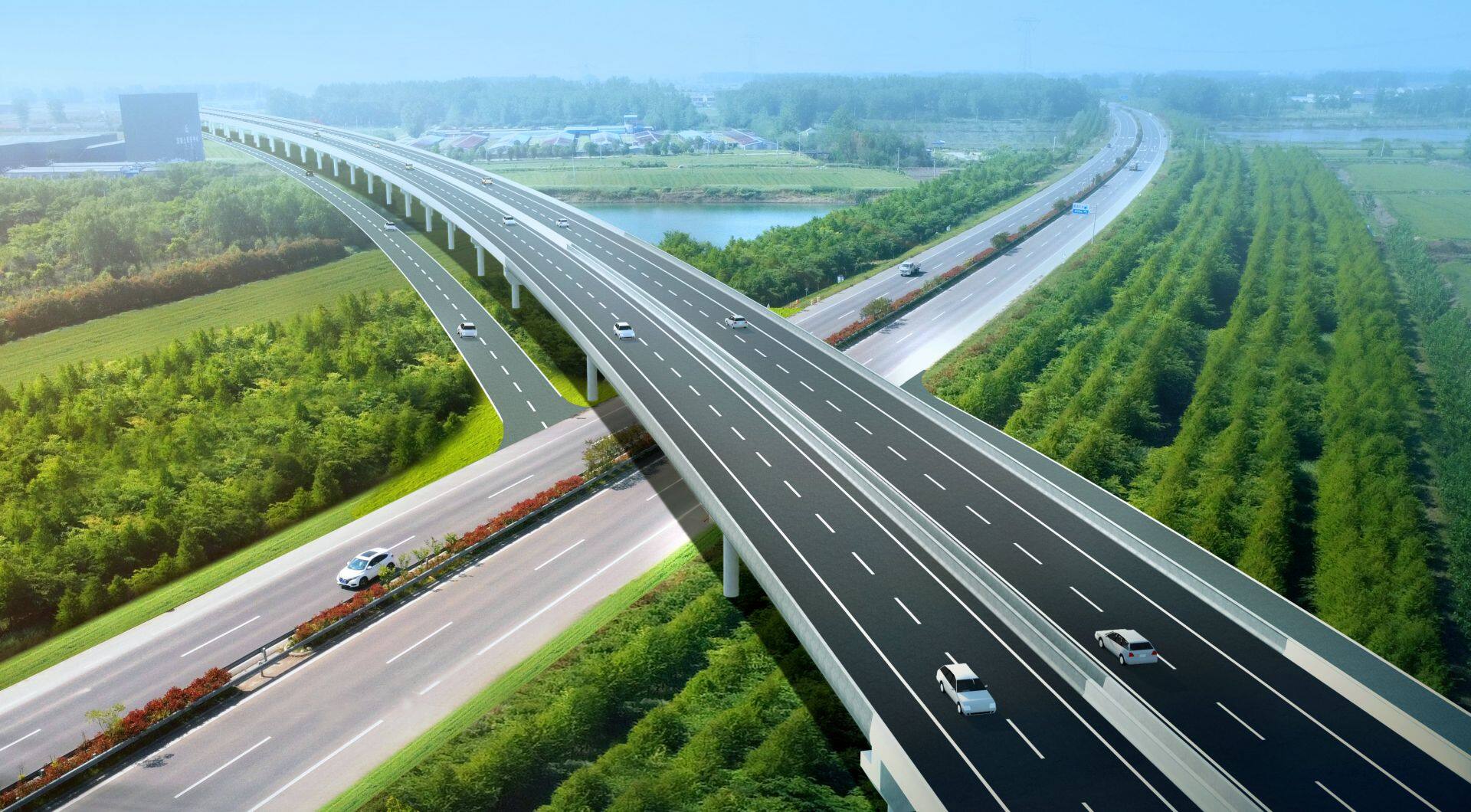
The A8 highway is listed as a strategic core of the EU's pan European transportation network, and its construction funds do not rely on Romania's own finances, but are directly supported by the EU's SAFE program special funds. This blood transfusion model not only ensures the financial security of the 700 million euro project, but also sends an economic signal for Brussels to accelerate the integration of the Central and Eastern European periphery. With the completion of the 300 kilometer full line, the logistics barrier from Terguniamts to Wengaini will be completely smoothed out. Keywords: Engineering Construction、Construction News
Reshaping a new pivot for Eurasian land transportation
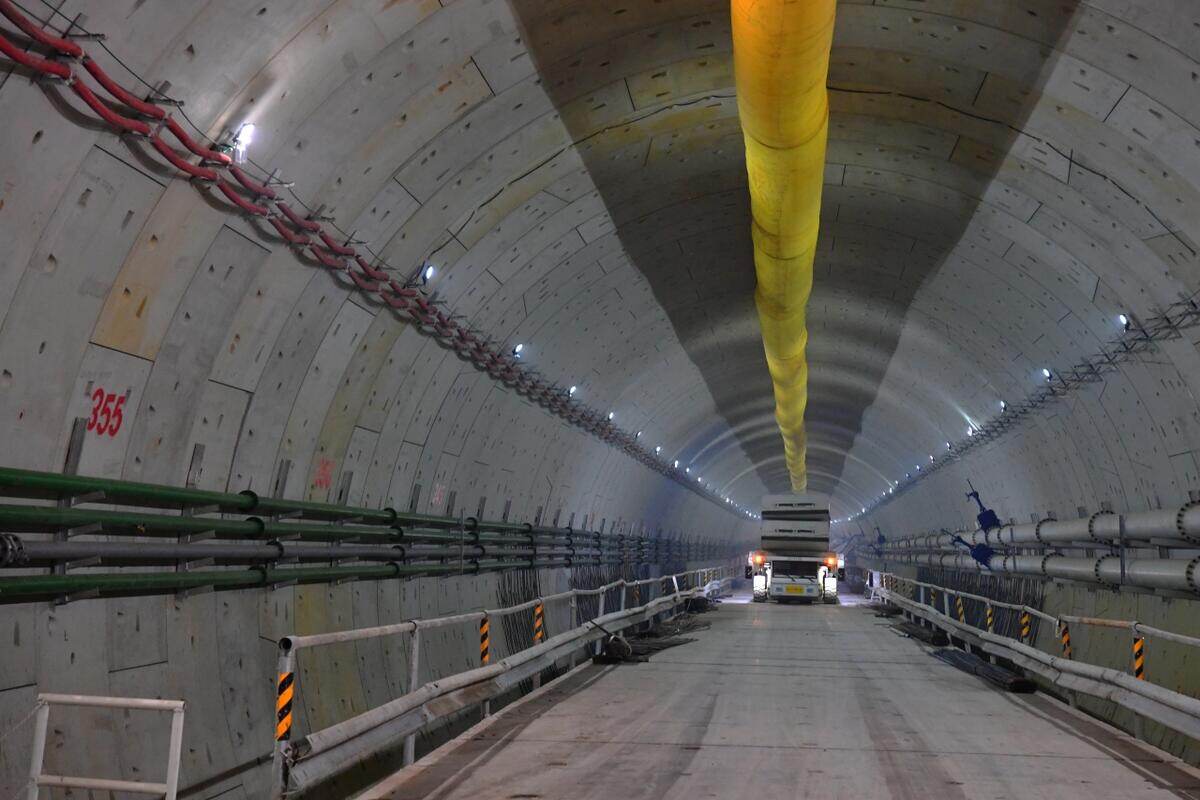
For Chinese new energy companies laying out in Europe, the opening of this artery hits a pain point directly. For a long time, the transportation costs and cycles of photovoltaic modules, large wind turbines, and energy storage containers in the inland of Eastern Europe have been high. The completion of the A8 highway will significantly reduce the land transportation costs from Central and Eastern Europe to the CIS and non European markets. With the maturity of the road network, industrial parks and smart transportation facilities along the route will usher in an explosive period, providing a key pivot for Chinese enterprises to establish a European supply chain moat.Editor/Gao Xue
Comment

 Praise
 Collect
 Comment

 Share
Share


Write something~