 Search


- The Trans Caspian Corridor has become a fast lane for cross-border logistics between Asia and Europe
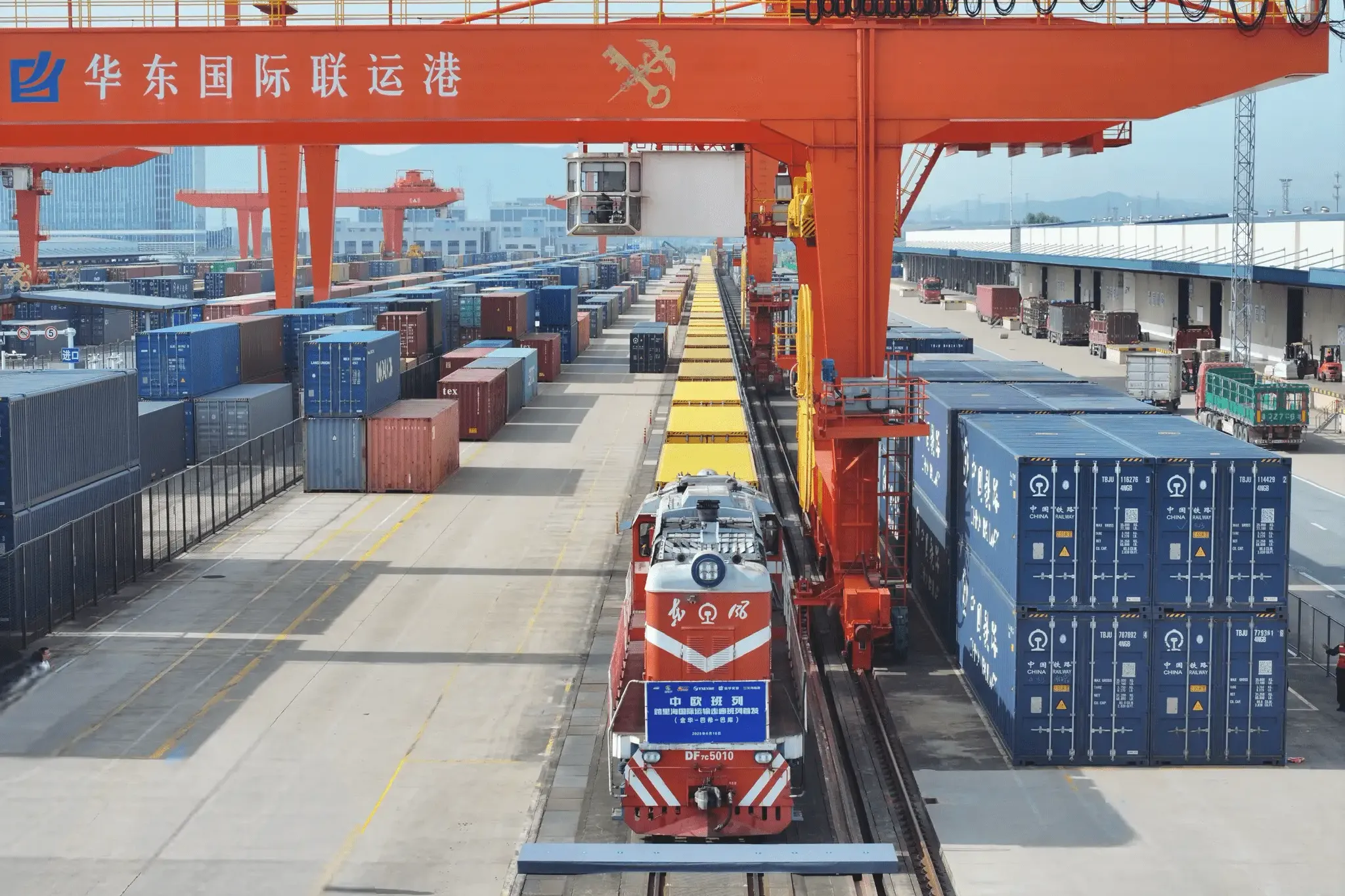
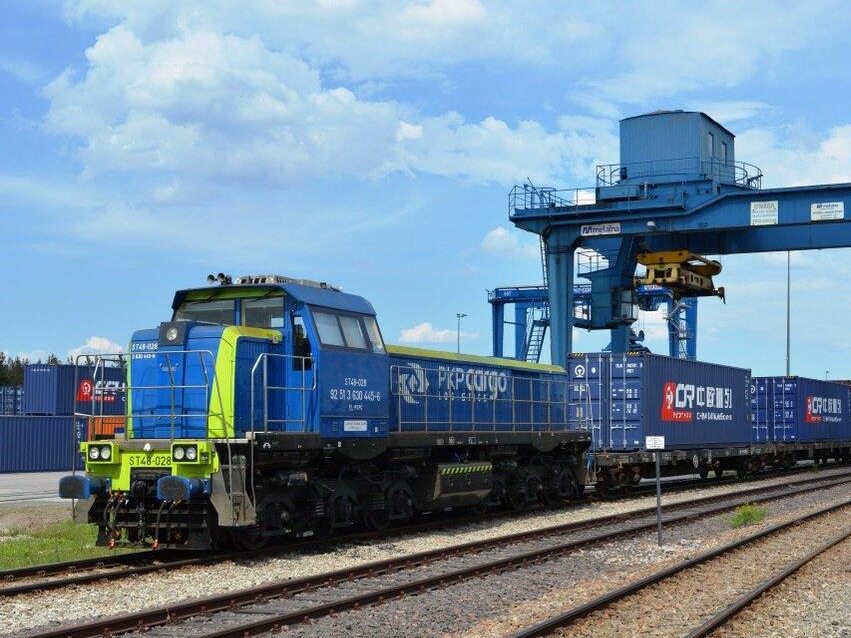
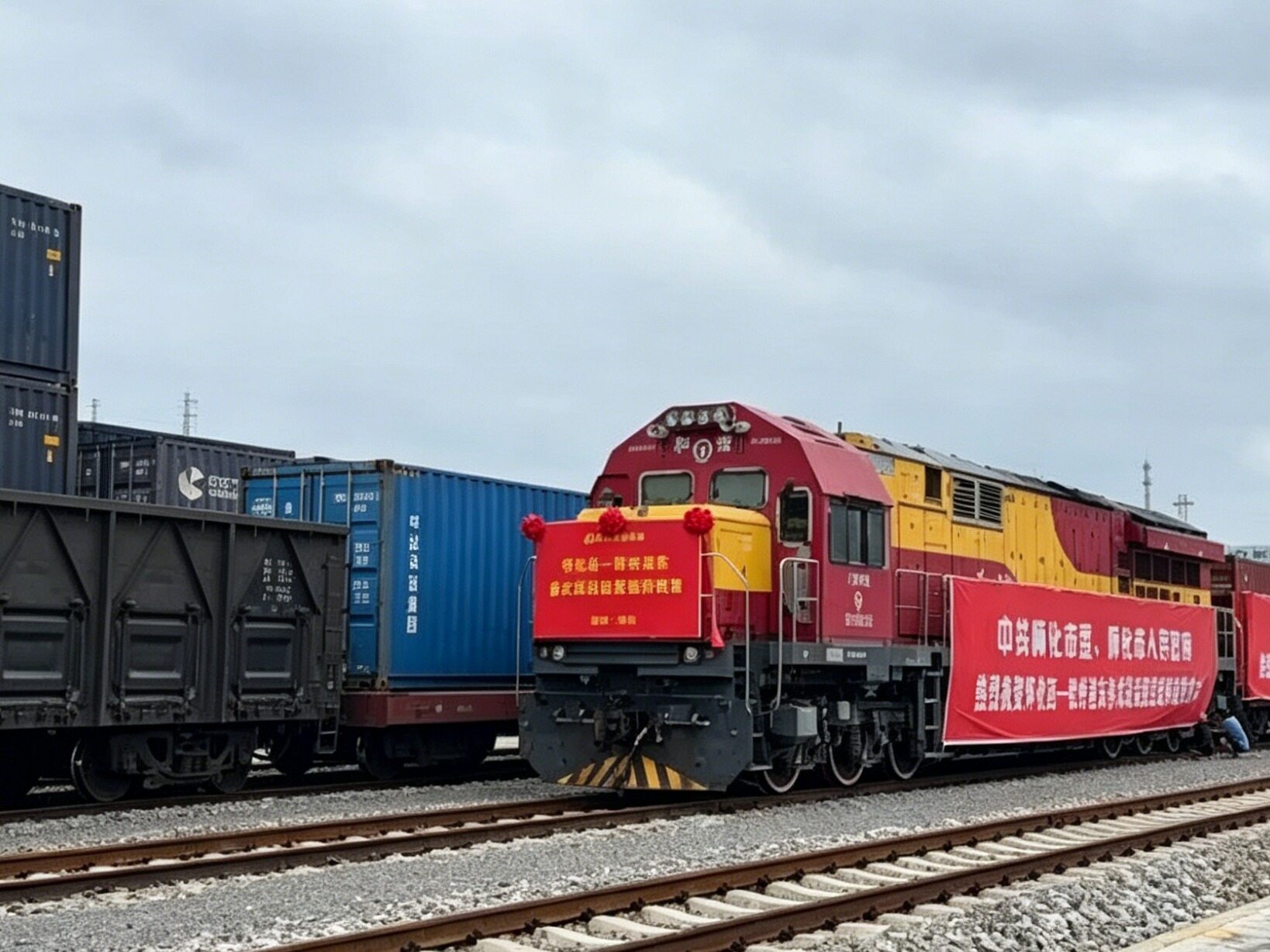
In the past five years, the freight volume of the Trans Caspian International Transport Corridor has increased by 3.5 times. This Asia Europe corridor, known as the middle corridor in the industry, is shifting from a traditional energy transportation artery to a core fast lane supporting cross-border e-commerce circulation. The Ministry of Transport of Kazakhstan has disclosed that by 2029, both China and Kazakhstan plan to increase the annual freight volume of the corridor to 300000 TEUs, and the centralized upgrading of ports, highways, and digital systems along the route is restructuring the logistics cost and timeliness logic of cross-border e-commerce in Central Asia.
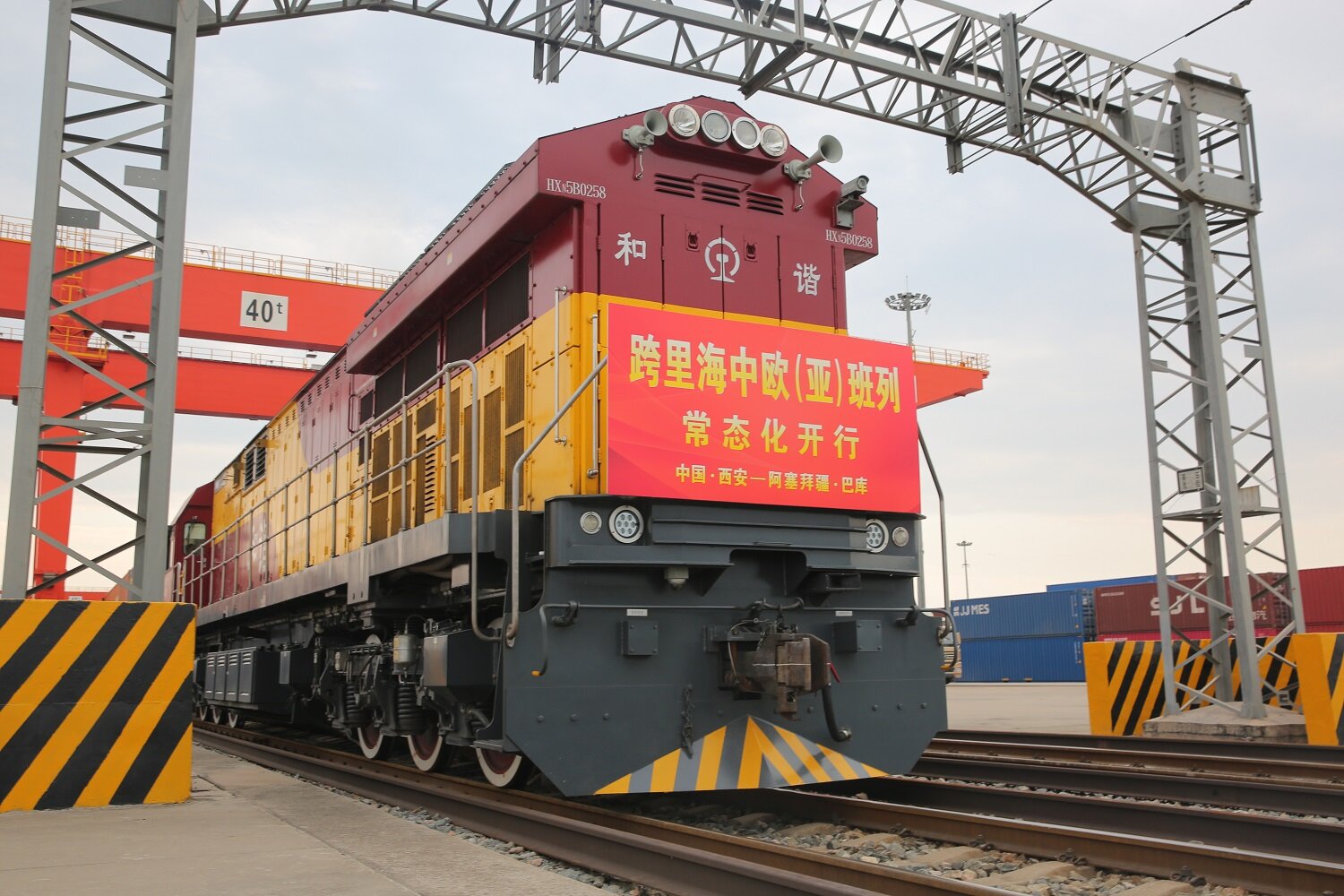
Simultaneous implementation of port infrastructure and digitalization
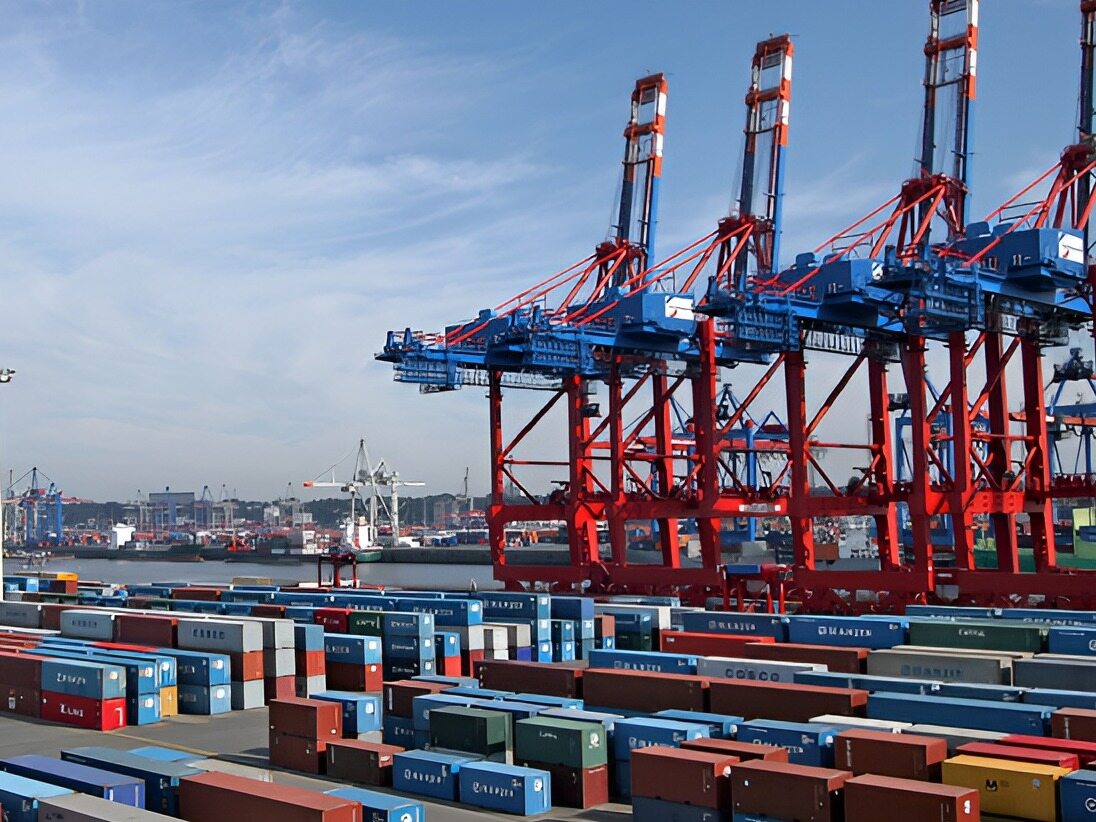
Aktau Port has completed the modernization of its loading and unloading equipment and built a new container hub. Kurek Port has added multiple dedicated terminals through dredging operations, doubling the throughput capacity of the two major Caspian Sea gateways. The Ministry of Transport of Kazakhstan has launched a dedicated IT platform that supports online full chain monitoring of goods and one-stop contract signing. Cross border e-commerce sellers do not need to repeatedly connect with multiple agents, and can grasp the real-time status of goods, greatly reducing communication costs and the probability of unexpected delays.
The Asian Infrastructure Investment Bank (AIIB) has publicly stated that a total of $28 billion is needed for the overall upgrade of the corridor over the next three years, covering the entire chain of ports, railways, highways, and digital systems. Kazakhstan has also initiated the process of applying for a RMB 3.5 billion loan from the European Bank for Reconstruction and Development to repair the core cross-border highway from Aktobe to Ulgesen, using an integrated design, construction, and maintenance model to ensure long-term traffic quality.
The efficiency upgrade of the entire e-commerce chain is evident
The current transportation efficiency of the Trans Caspian Corridor is significantly better than traditional sea freight. With the promotion of container scale operation, the logistics cost of small batch and high-frequency e-commerce orders will continue to decline. In the future, IT platforms are also planned to extend to cross-border payment processes, where sellers are expected to complete contract signing, fee settlement, and goods tracking within the same system, reducing exchange rate losses and transaction fees in intermediate links. Keywords: Cross border logistics, freight corridors
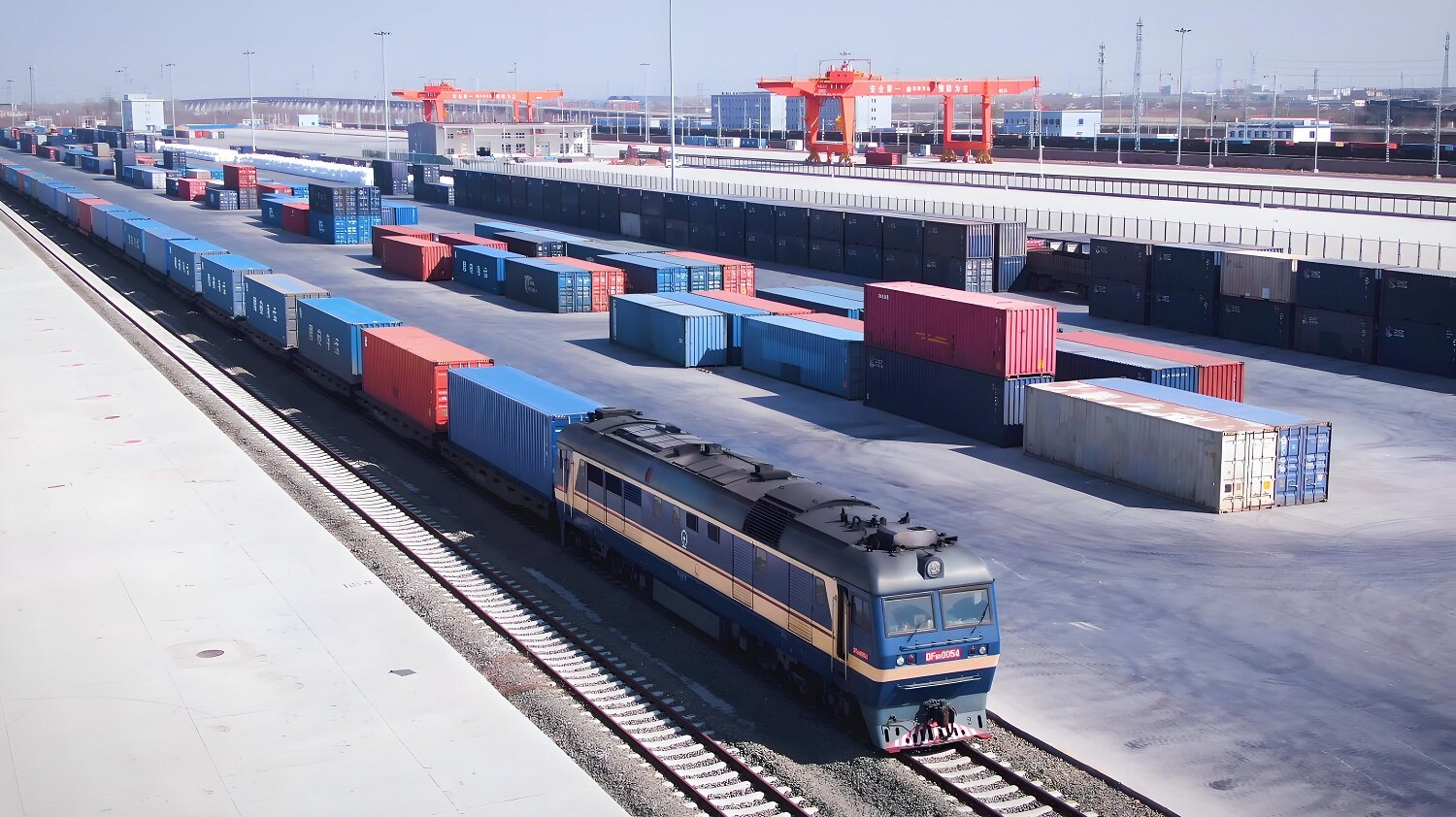
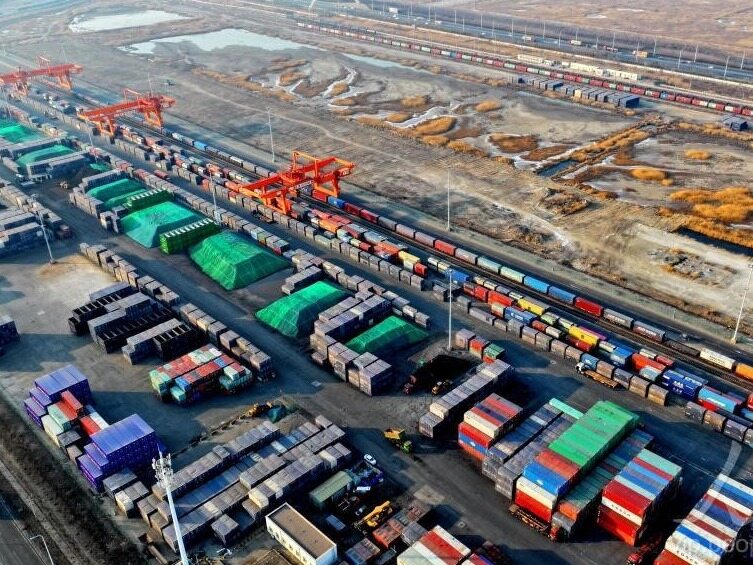
The customs system will also rely on a unified data platform to obtain goods information in advance, significantly reducing the border clearance delay time and reducing the risk of returns and fines for Chinese sellers due to delays. Many top e-commerce sellers have started to layout distribution centers in western Kazakhstan, relying on the hub radiation capabilities of the two major ports to build overseas warehouse networks, covering emerging markets in Central Asia and Eastern Europe. The infrastructure dividends of the Trans Caspian Corridor are being transformed into tangible supply chain competitiveness.Editor/Cheng Liting
Comment



 Praise
 Collect
 Comment

 Share
Share


Write something~