 Search


- The UK plans to promote the nationalization reform of its domestic railways and optimize and adjust the HS2 high-speed railway project
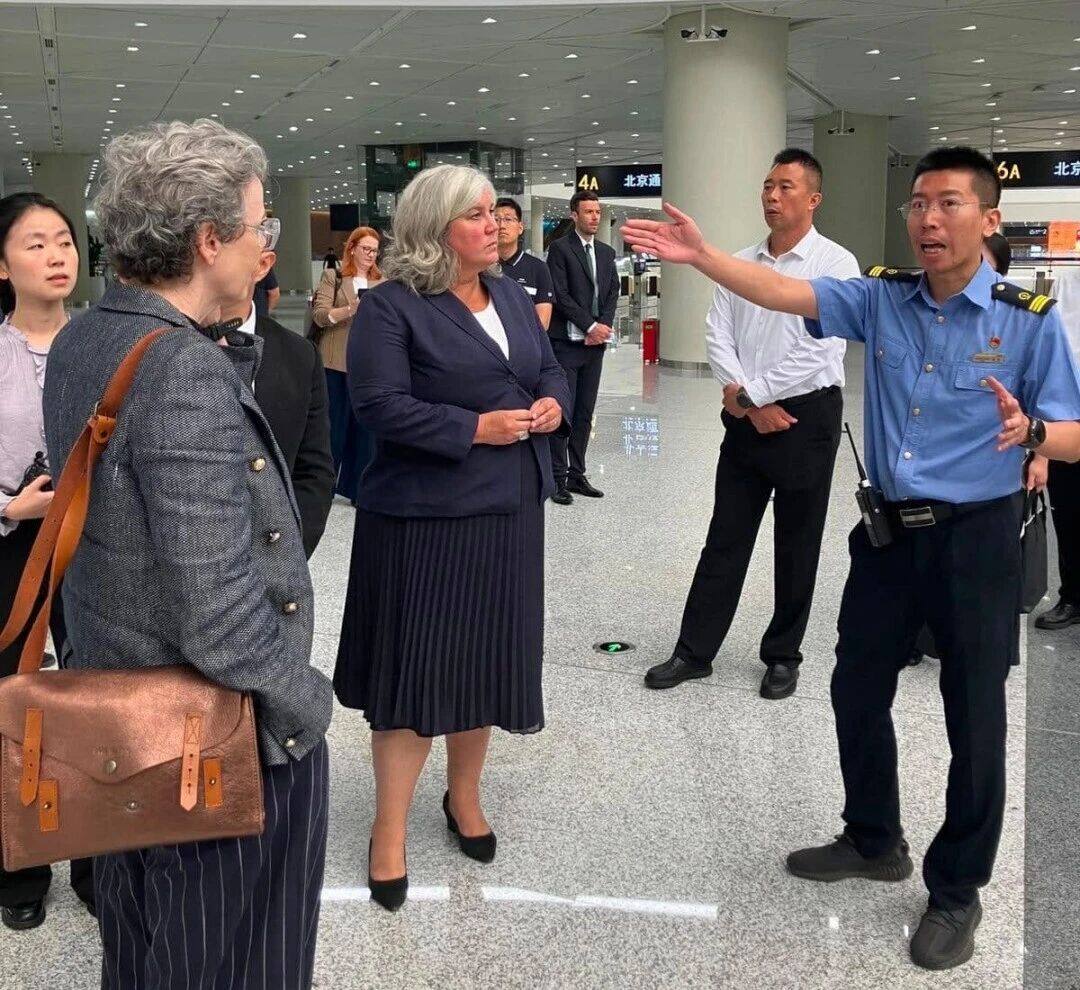
Recently, in the transfer hall of Tongzhou Station in Beijing, the flow of people was dense but orderly. British Transport Secretary Heidi Alexander stood in front of the platform, watching the seamless connection between high-speed rail, subway, and buses, with a hint of contemplation in her eyes. Later, she flew to Tokyo and sat in the driving simulation cabin of the Shinkansen - a cross Eurasian expedition that coincided with the UK's push for railway nationalization and the adjustment of the HS2 project. The experience of China and Japan became her key to solving the problem.

Exploring China's Hub Models
During his visit to China, Alexander had in-depth exchanges with Chinese Minister of Transport Liu Wei and visited Beijing Tongzhou Station on site. This super hub that deeply integrates railways, subways, buses, and commercial facilities left a deep impression on her. Subsequently, she had discussions with technology companies such as Didi Chuxing to gain a detailed understanding of intelligent scheduling and future travel technologies. The vast and efficient high-speed rail network in China, as well as the development concept of "station city integration", provide a vivid example for the UK to solve the problem of urban transportation fragmentation.
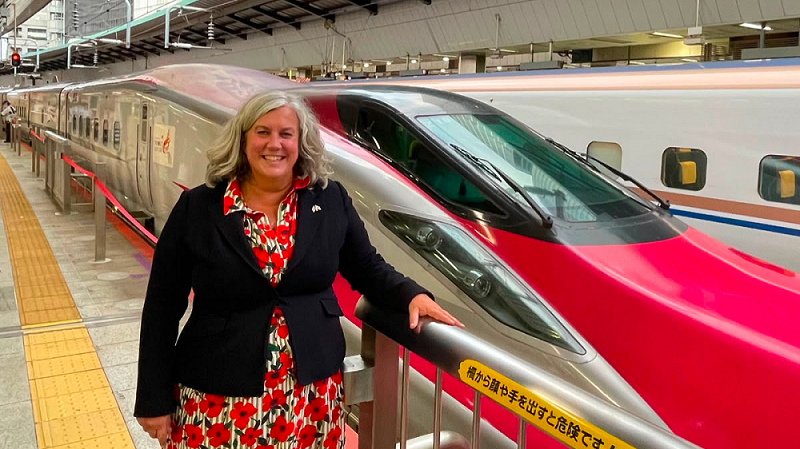
Benchmarking international Shinkansen
After switching to Japan, Alexander focused on inspecting the Shinkansen system. After meeting with Japanese Minister of Transport, Kyosuke Kaneko, she boarded the Shinkansen from Tokyo to Osaka. The core objective of this trip is clear: to find technical benchmarks for the HS2 project. Although the UK has decided to control costs through speed reduction, Alexander still insists that the maximum speed of HS2 should be based on the 320 kilometers per hour of the Shinkansen. The visit to Hitachi headquarters and subway training center gave her a deeper understanding of refined operations and equipment maintenance. Keywords: the Belt and Road news, railway reform
Promote the reform of British railways
Behind this inspection is a profound transformation of the British railway system. In 2026, the UK is fully committed to promoting railway nationalization, with plans to establish the Great Britain Railway Company by the end of 2027 to coordinate the national railway network. Faced with the dual pressure of HS2 project schedule and cost, Alexander bluntly stated that the experience of China and Japan is crucial. From hub design to operational standards, from digital transformation to station development, the practice of the two countries will provide a roadmap for the reform of the UK railway, helping it build a more efficient and economically driven transportation system.Editor/Gao Xue
Comment





 Praise
 Collect
 Comment

 Share
Share


Write something~