 Search


- Relying on mature deepwater asset development, efficiently creating and shrinking short production cycles
- Nigeria takes multiple measures to release positive signals for attracting investment in the oil and gas sector

Under the deep sea, the long silent drill bit rotates again. In Nigeria's vast coastal territory, an action related to energy recovery has quietly begun. Veteran giants are returning to the underwater battlefield with multiple forces, attempting to awaken dormant reserves. This is not only a supply of production capacity, but also a prelude to the revival of confidence in West African oil veins by the deep-water wave.
Billion investment to build supplementary oil wells
On July 8, 2026, during Nigeria's Oil and Gas Energy Week, the Upstream Petroleum Regulatory Commission of Nigeria announced that ExxonMobil, in collaboration with multiple companies, will invest $1 billion to develop the Usan Supplementary Well project near the coast of Nigeria. The project is located in Block 138 of the oil mining lease and can add a daily production capacity of 40000 barrels of crude oil. The project is led by Esso Nigeria, with partners including NIO, Chevron, Total Energy, and Nexen, a subsidiary of CNOOC, and has a clear Chinese funded affiliation.
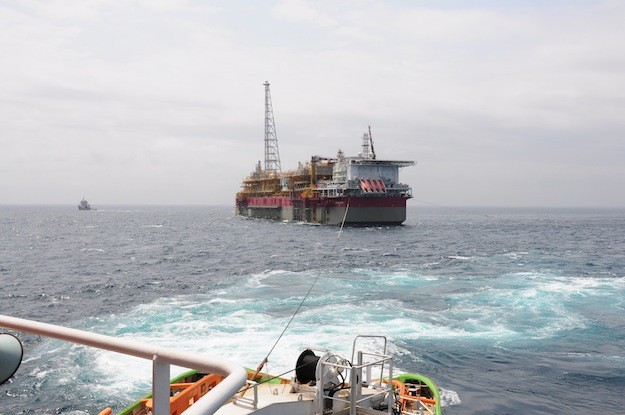
This project focuses on revitalizing deepwater stock assets, and Esso has restarted local drilling operations after a decade since 2016. The project is scheduled to start construction in August 2026 and produce new crude oil six months later, reaching a peak of 40000 barrels per day in 18 months. Before the start of construction, all parties have invested over 300 million US dollars, and it is expected to generate 1.2 billion US dollars in revenue for Nigeria by 2029. The Wusang Oilfield was put into operation in 2012, and this time it will rely on the latest seismic exploration data to explore the potential of new wells, reuse existing subsea equipment and production facilities, and avoid the long-term drawbacks of building new oilfields. Meanwhile, although ExxonMobil has adjusted its local onshore and shallow water assets, it continues to increase its local deepwater oil and gas layout.

Deepwater projects boost investment
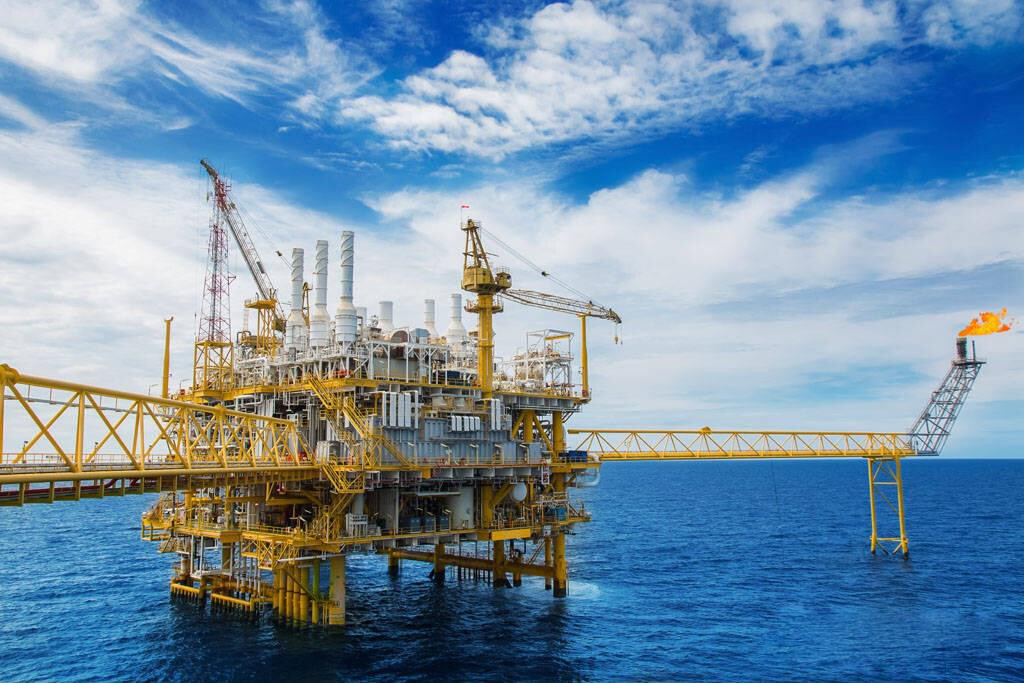
Nigeria's onshore and shallow water oil and gas assets have long been constrained by issues such as oil theft, pipeline damage, community disputes, and aging equipment, hindering their development. Deepwater projects, on the other hand, are located further offshore with lower risks. Although they have higher technical and financial barriers, they have become the key to breakthroughs in the oil and gas industry in Nepal. During this Energy Week, the regulatory authorities in Nepal not only implemented the Wusang investment project, but also issued 19 oil exploration licenses, covering multiple rounds of bidding batches, clarifying the development direction of accelerating deepwater asset development. The production capacity increment of this project only accounts for 2% of Nigeria's daily production target of 2 million barrels, and the overall impact on production capacity is limited. However, the advantage lies in the short cycle and strong implementation, which can effectively verify the local regulatory capacity and the effectiveness of multi-party cooperation, and reshape foreign investment confidence.
Chinese enterprises deeply cultivate the supporting market
Nexen, a subsidiary of CNOOC, is the project partner, but details such as its shareholding ratio, rights and responsibilities, and expense allocation have not been disclosed, and the company has not issued any special announcements. Compared to equity cooperation, Chinese domestic enterprises have greater opportunities from supporting the oil and gas supply chain. The project will drive the full chain demand for drilling equipment, subsea components, operation and maintenance services, instrument and control communication, and offshore logistics. Chinese enterprises entering the market must meet three conditions: joining the list of qualified suppliers of international oil companies, meeting the compliance requirements of local industries in Nigeria, and clarifying cooperation rights, responsibilities, and risk control clauses. Different track enterprises can accurately layout oil service equipment, marine engineering, logistics, finance and insurance enterprises, focusing on engineering construction, equipment maintenance, spare parts storage and transportation, risk protection and other businesses. Keywords:Engineering Construction,Construction News,Engineering Information
In the future, we can focus on tracking three core developments: whether all parties have issued special project announcements, whether the equipment can enter the site on time in August 2026, and whether the first batch of newly added crude oil in 2027 can be put into operation smoothly.Editor/Gong Ziwei
Comment


 Praise
 Collect
 Comment

 Share
Share


Write something~