 Search


- Nigeria is converting underground natural gas into surface industrial engines
- Teared open a pragmatic incision for Chinese enterprise equipment to go global
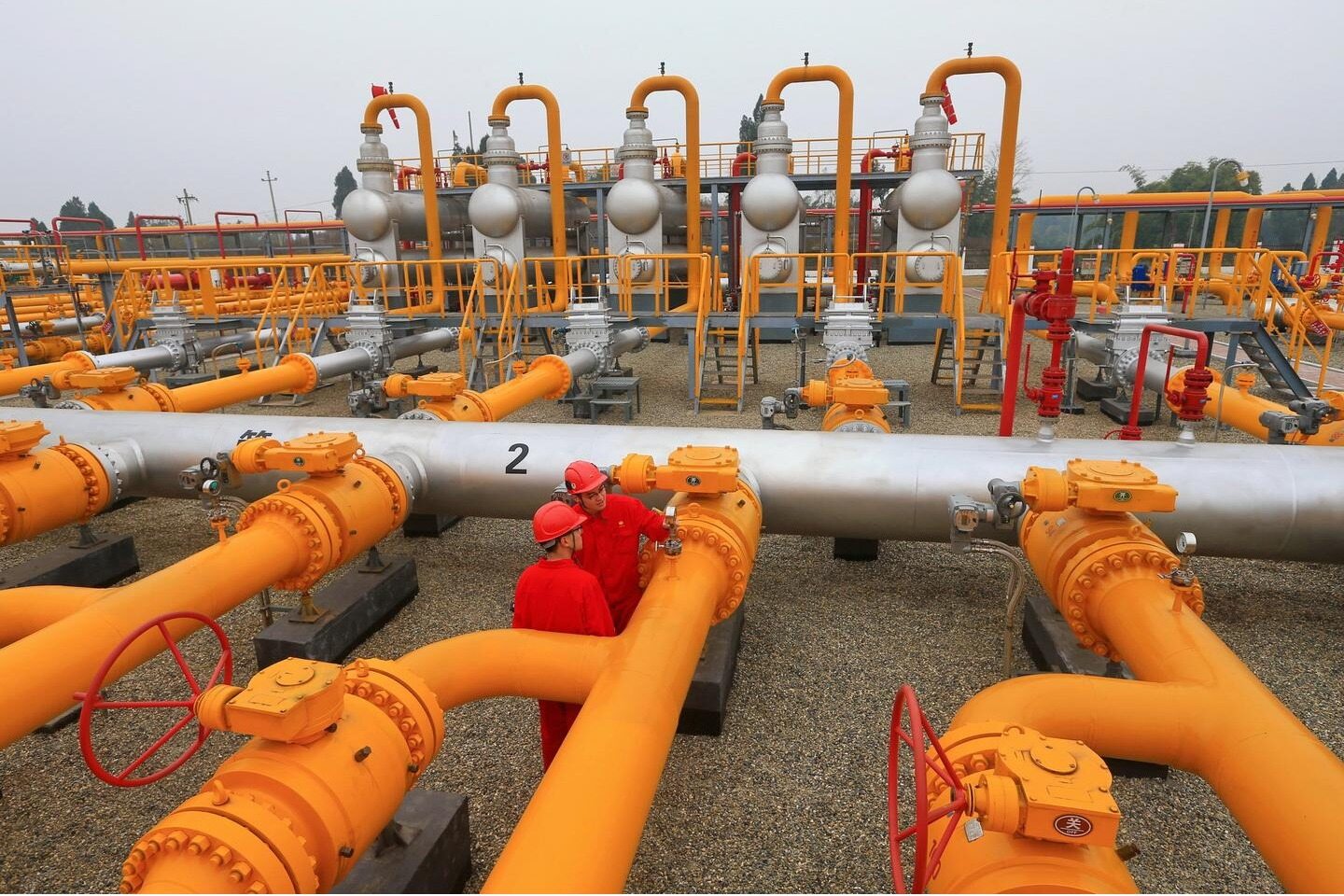
Outside the venue in Abuja, what caught more attention than the applause on the podium were several agreements that had just been signed. During the 25th NOG Energy Week, the Nigerian National Petroleum Corporation (NNPC) signed six natural gas related cooperation agreements intensively. This is not just a simple business contract, but a key layout for this African energy giant to try to reverse its resource fate - it is no longer satisfied with using natural gas only as a source of fiscal revenue, but to forge it into an industrial base for steel, electricity, and export industries.

For Chinese equipment and engineering companies closely monitoring the West African market, these agreements, which are still in the framework stage, indicate that a wave of procurement around pipelines, power plants, and liquefaction facilities is brewing.
Old steel plant restarts
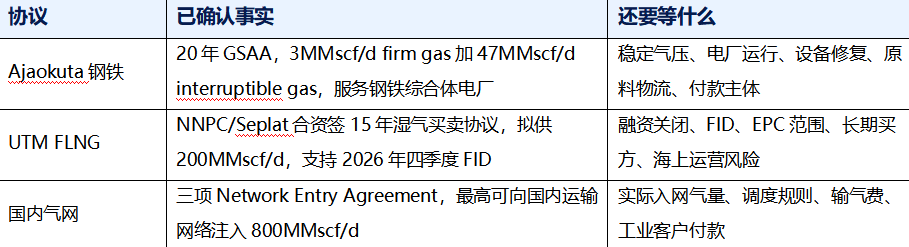
Among the six agreements, the movement of Ajaokuta Steel Complex is the most touching. This unfinished project, which carries Nigeria's industrialization dream, has finally obtained the key fuel for resuming production. According to the agreement, the steel plant will receive a guaranteed daily gas supply of 3 million cubic feet and a interruptible gas supply of 47 million cubic feet, prioritized for driving the power plant in the factory area.
It is worth noting that the official has linked the revival of steel mills with the Africa Atlantic Gas Pipeline and the third phase of the Escovos Lagos pipeline, aiming to achieve localized production of pipeline raw materials. However, reality still feels fragile. The current gas supply scale is only sufficient to maintain energy operation and is still far from stable production throughout the entire process. Steel mills still face multiple challenges such as equipment aging, transportation of iron ore raw materials, logistics bottlenecks, and cash flow. For suppliers, instead of waiting for unattainable general contracting projects, it is better to focus on step-by-step procurement opportunities in segmented fields such as power plant repairs, rolling mill upgrades, pipe testing, and environmental protection facilities.
Floating liquefaction acceleration
The success or failure of commercialization of offshore gas fields depends on the landing of funds and technology. The 15 year wet gas purchase and sale agreement signed between NNPC and UTM FLNG plans to supply 2 million cubic feet of feed gas per day, injecting a boost into the project. The project has been clearly directed towards the final investment decision (FID) for the fourth quarter of 2026, which means that the project financing, EPC contracting, and insurance arrangements are about to enter the substantive negotiation stage.
Although the Yoho oil field production capacity previously disclosed on the UTM official website was 176 million cubic feet per day, which differs from the 200 million cubic feet agreed upon in this agreement, this does not affect the project's significance as a benchmark. Once FID is reached, significant procurement demand will be released for related floating liquefied natural gas modules, offshore compression equipment, and processing units. Chinese enterprises need to closely track their financing progress, which is the core indicator for determining the authenticity of orders.
Reconstruction of pipeline network rules
The most easily overlooked but fundamental impact is the network access agreement signed between Chevron Nigeria, AGPC, and NEPL and NNPC. These three agreements theoretically establish a network connection for 800 million cubic feet of natural gas per day. This is not only an increase in gas volume, but also the beginning of the standardization of the domestic natural gas transportation network.
For a long time, power plants and industrial users in Nigeria have suffered from unstable gas supply, debt, and pipeline bottlenecks. With the advancement of the new Network Code, market access and settlement transparency are expected to improve. But this is still a slow variable. After the gas source is connected to the network, it still needs to go through complex processing, measurement, scheduling, and distribution links to truly realize its value. Chinese enterprises should focus on the location of the first batch of entry points, actual gas transmission data, and the buyer's payment guarantee mechanism as a benchmark for evaluating market risks.keywords:Foreign engineering construction news
Overall, these six agreements paint a grand picture of the industrial chain: connecting gas sources to the grid, serving power plants and steel, and supporting export projects. But until MoU is transformed into a tangible procurement package, a pragmatic tracking strategy is far more important than optimistic predictions.Editor/Yang Meiling
Comment


 Praise
 Collect
 Comment

 Share
Share


Write something~