 Search


- Upstream exploration, which has been stagnant for 17 years, officially welcomes a new window for Gulf capital to flow back
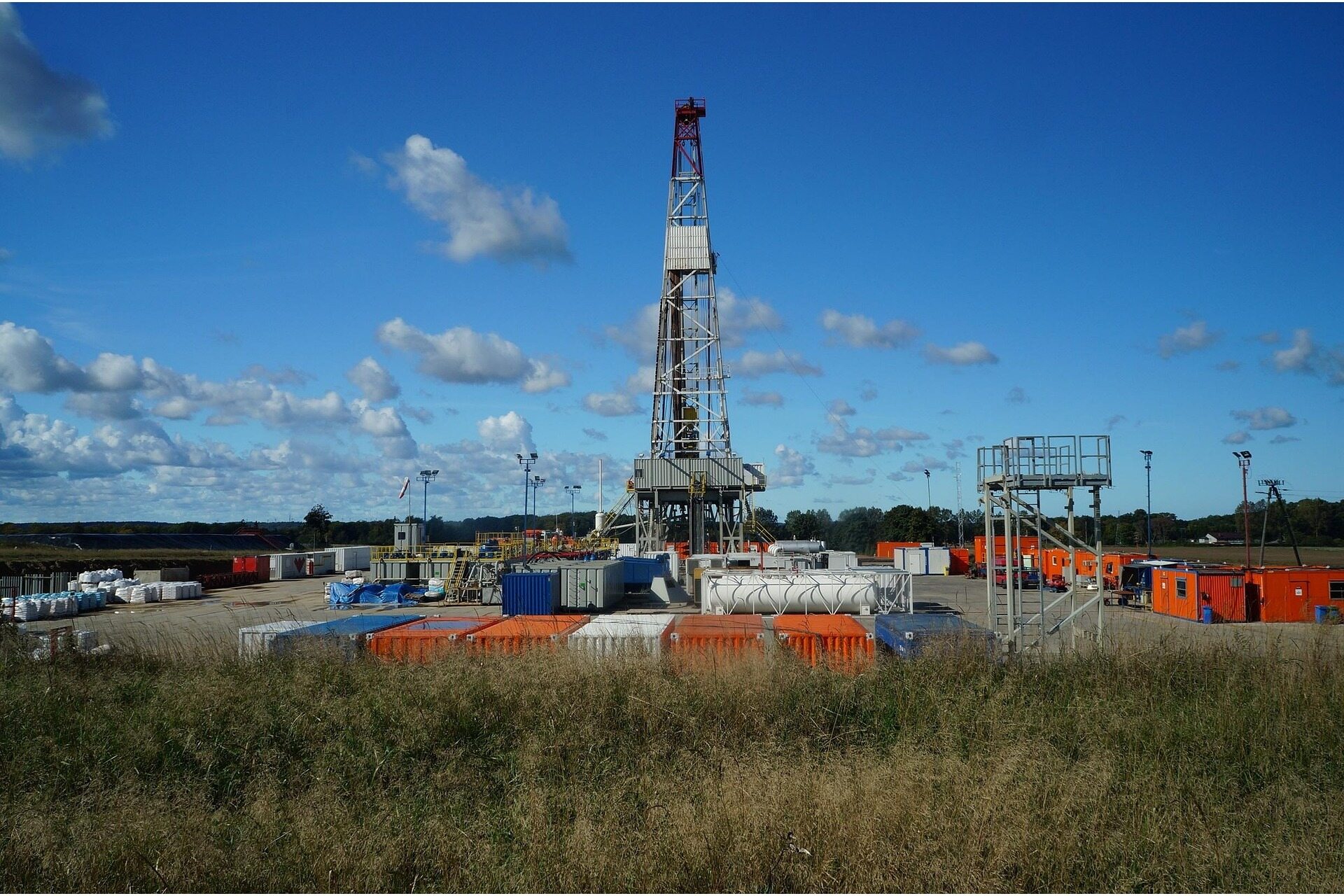
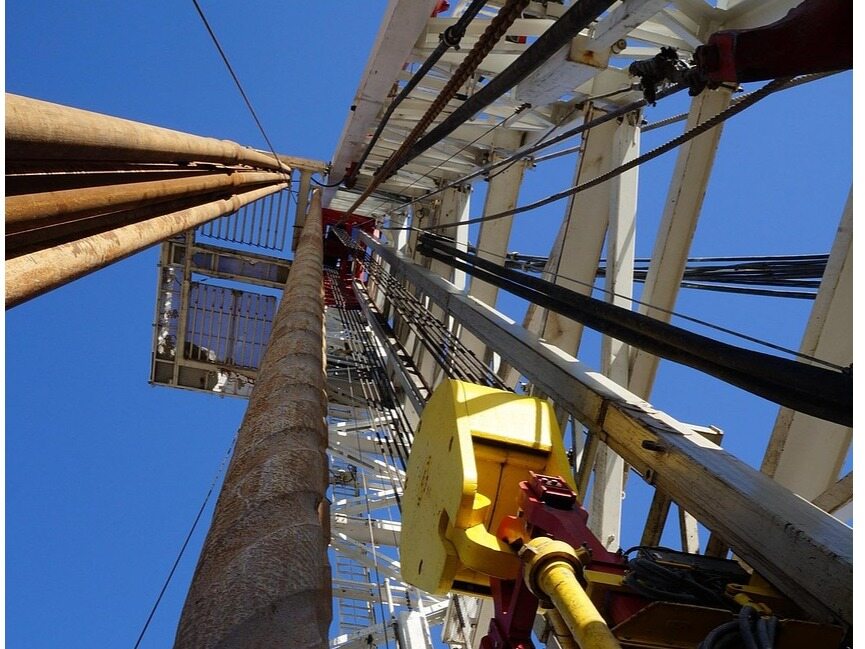
On July 8, 2026, the Libyan National Oil Company, in conjunction with the Local Investment Bureau and Qatar's Youssi Holdings, officially signed an exploration and production sharing agreement for Block 47 in the Ghadames Basin, with the $1 billion development funds fully borne by Gulf investors. This project marks a new round of international capital return window for Libya's upstream exploration, which has been stagnant for 17 years.
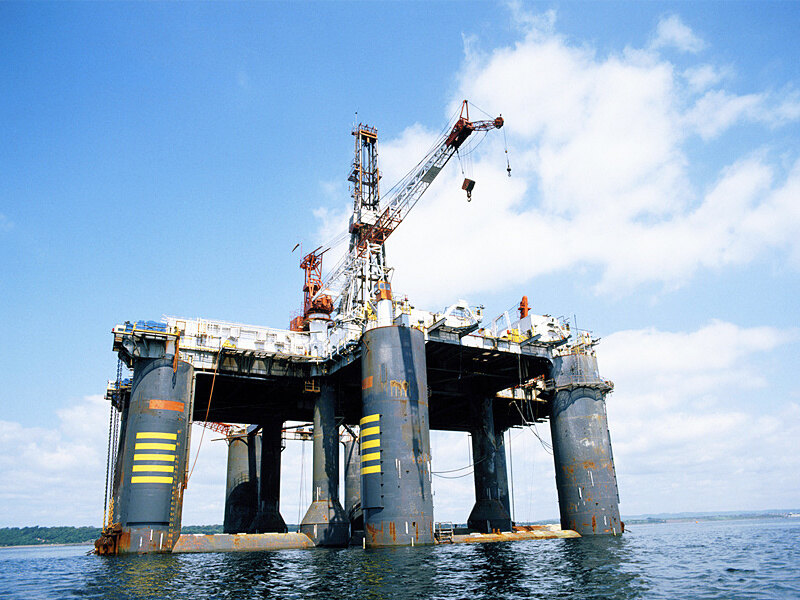
Multi line propulsion in the Jiadames Basin
As the core oil and gas bearing area in western Libya, the Ghadames Basin has made consecutive exploration breakthroughs in recent years. In November 2025, the local state-owned oil company achieved a daily production of 4675 barrels of crude oil through exploration wells in the region. In April 2026, the Algerian National Oil Company also discovered a daily production of 13 million cubic feet of natural gas reserves in neighboring areas.
With the implementation of the new agreement in Block 47, the entire basin is accelerating along three paths: restarting old contracts, local enterprise exploration, and the entry of Gulf capital. The commercial value of regional oil and gas development is rapidly being released. The ultimate goal of the project is to increase the daily production of crude oil in the block to 80000 barrels, while simultaneously supporting associated gas and power generation facilities.
Parallel opportunities and risks under the goal of increasing production
The oil and gas industry currently accounts for 65% of Libya's GDP, contributing 93% of the country's exports and 72% of its fiscal revenue. Currently, the country's daily crude oil production remains stable in the range of 1.3 million to 1.4 million barrels, and the long-term production capacity target of 2 million barrels is highly dependent on the implementation of new development projects. Keywords: petroleum, petroleum exploration
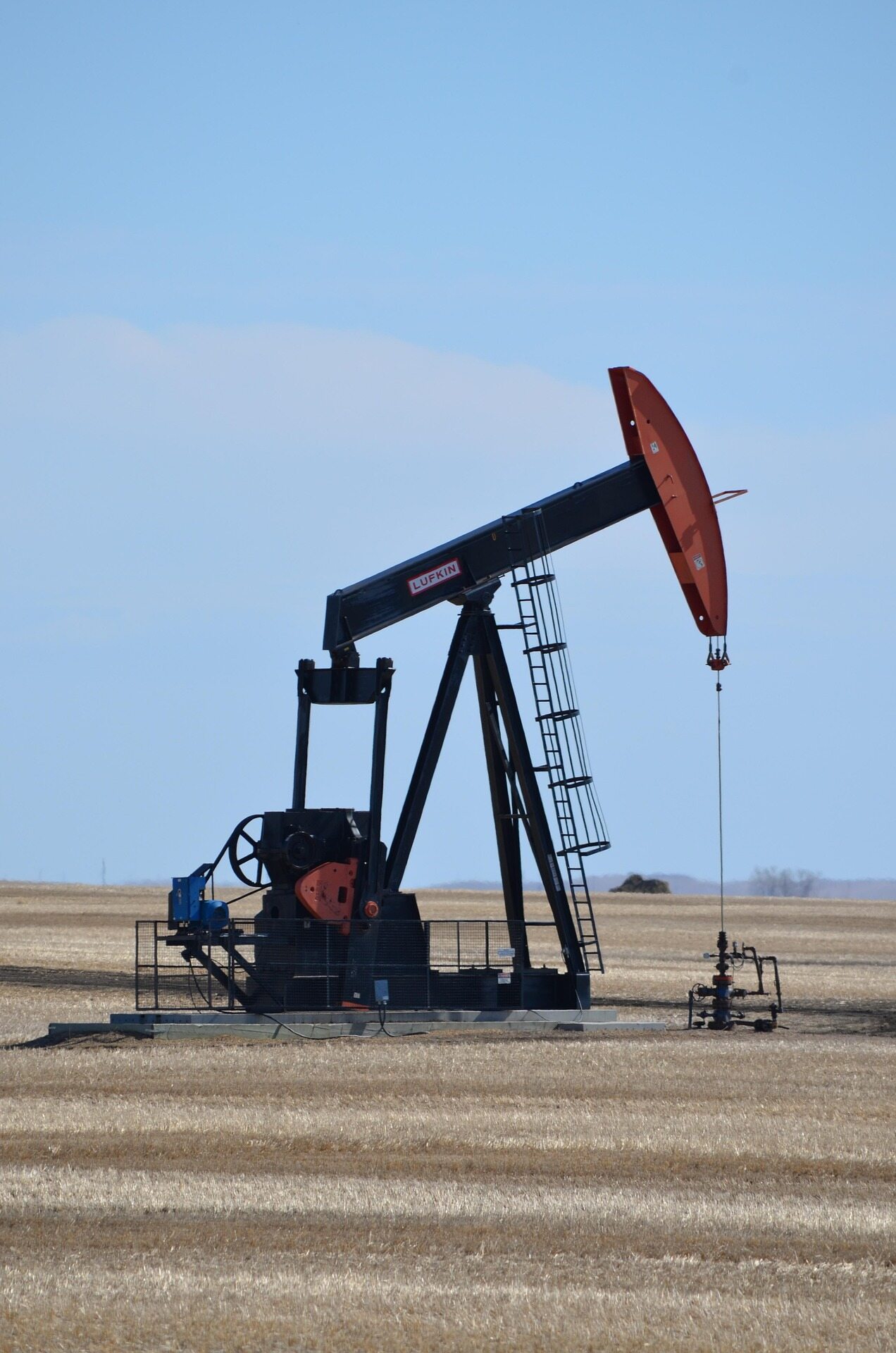
After the project officially enters the construction phase, it will first release oil service demands such as data evaluation, well site construction, drilling services, and supporting infrastructure. However, the execution side still faces multiple practical challenges such as regional security, foreign exchange circulation, and approval processes. Only by establishing a full chain guarantee mechanism can paper agreements truly be transformed into actual capacity increments.Editor/Cheng Liting
Comment

 Praise
 Collect
 Comment

 Share
Share


Write something~