 Search


- The opening of this new waterway has accelerated the overseas expansion of foreign trade enterprises in North China
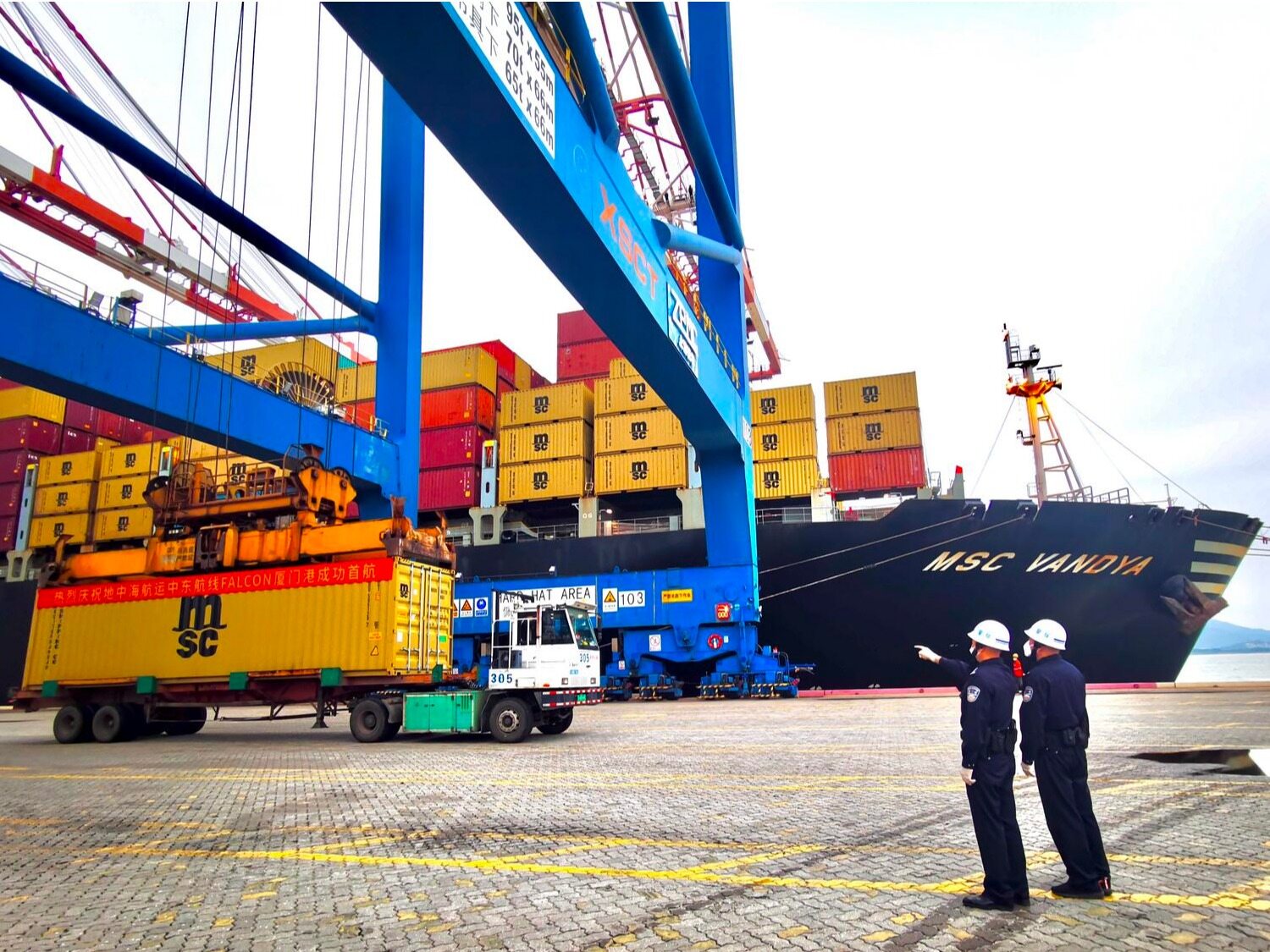
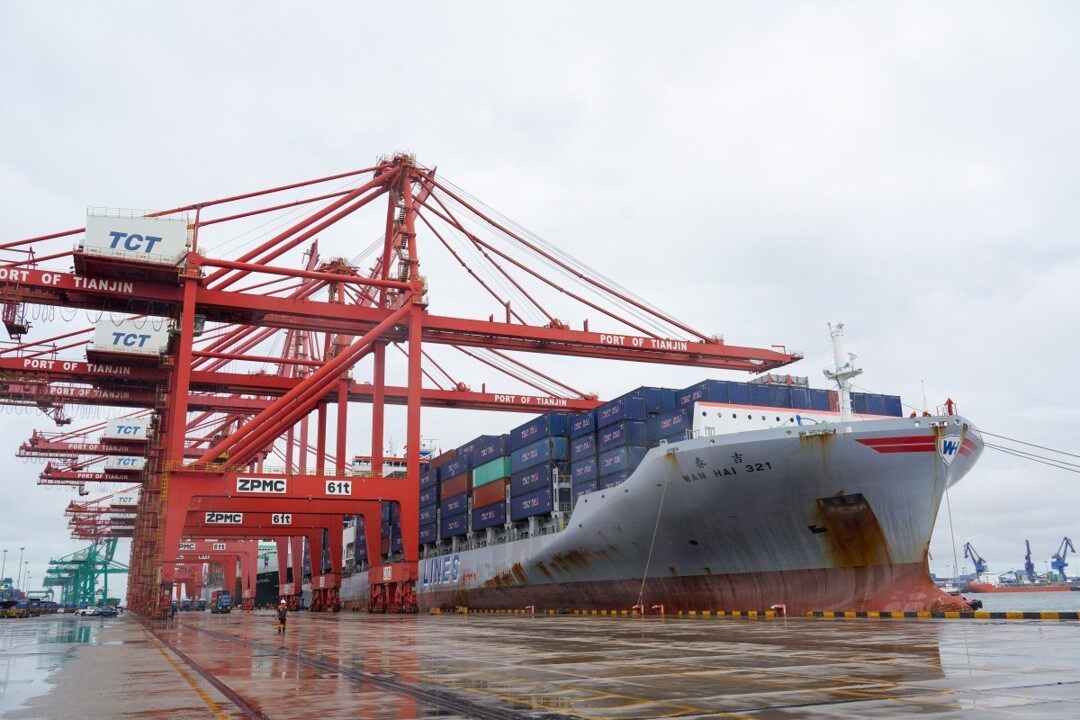
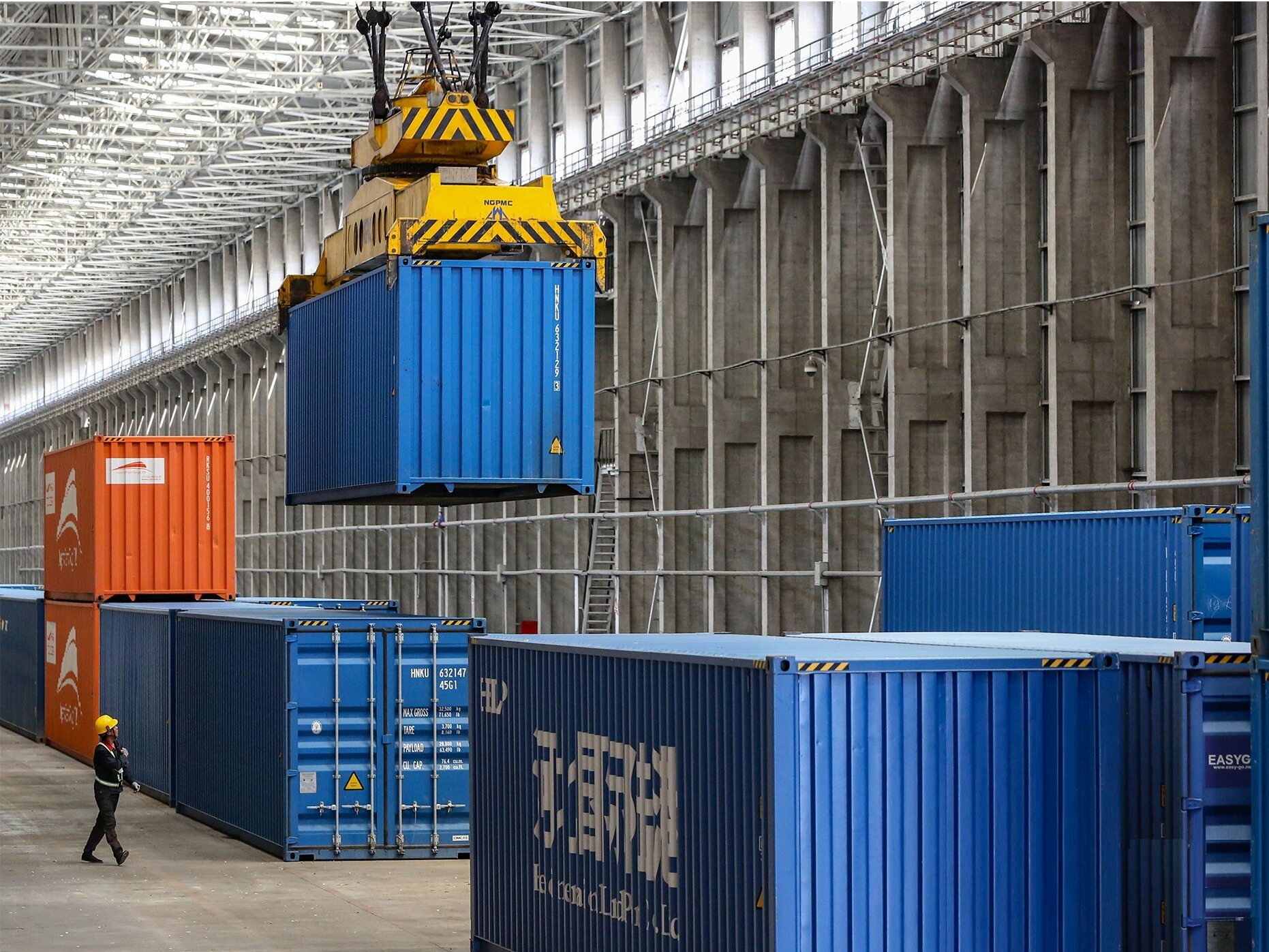
In the early morning of Tianjin Port, the sea breeze carries the scent of diesel and salty smell. The huge bridge crane extended its long arm and steadily loaded the containers marked with the destination of Manzanillo into the belly compartment of the "Mediterranean Lorena" ship. On July 8th, as this giant ship sounded its horn and set sail, a new maritime artery connecting Beijing Tianjin Hebei and the west coast of Mexico officially began to pulse. Old Zhang, a dock worker, wiped his sweat and looked at the receding shadow of the ship, sighing, "In the past, goods going to Mexico had to go in a big circle, but now this ship is just heading straight to the topic
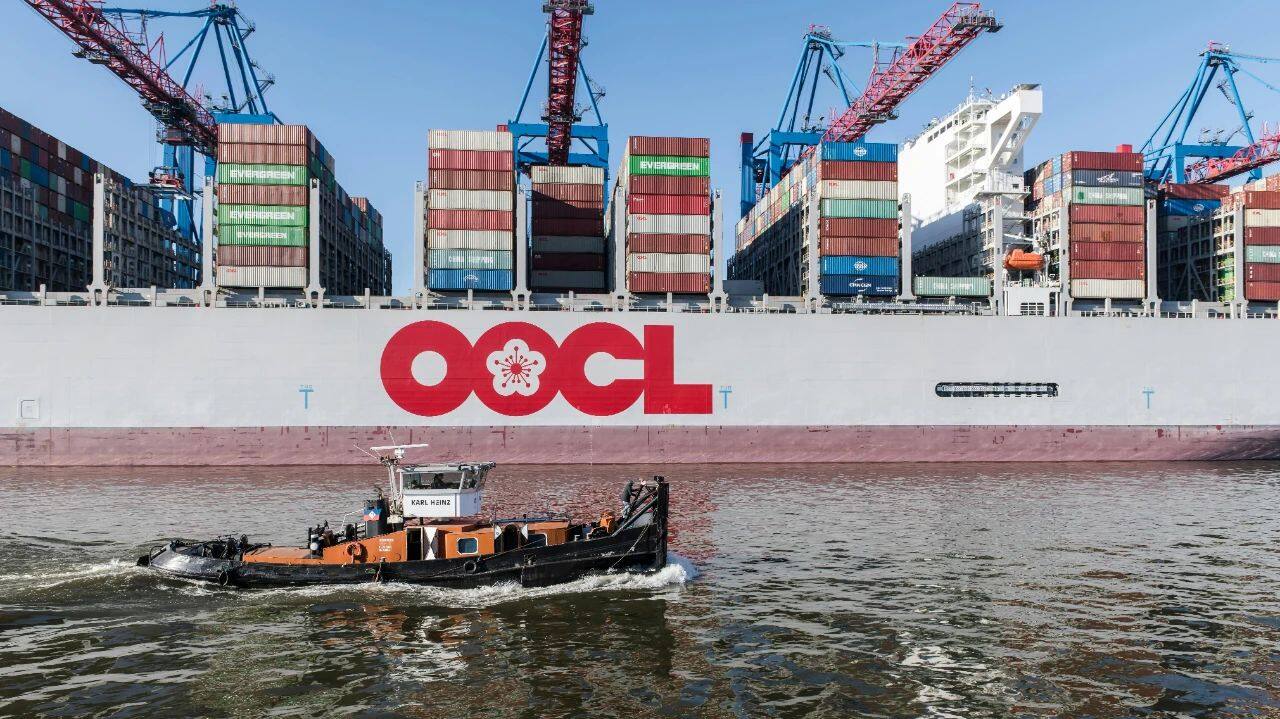
Say goodbye to detours and detours
In the past, if goods from North China wanted to cross the sea and reach Mexico, they often had to first go north, unload at ports in South Korea, and then transfer to larger ships. This' curved sailing 'mode means going through multiple stops and tedious transit processes along the way. For precision components and fresh products that pursue timeliness, nearly a month on the road was once the sword of Damocles hanging over the heads of enterprises. Now, this weekly route MEXICAS exclusively operated by Mediterranean Shipping has completely rewritten the rules of the game. Ships no longer need to detour through ports in other countries and can directly cross the ocean, reducing the originally long journey to about half a month. Logistics costs have significantly decreased, and the international competitiveness of North China manufacturing has been substantially improved as a result.
Double directional acceleration
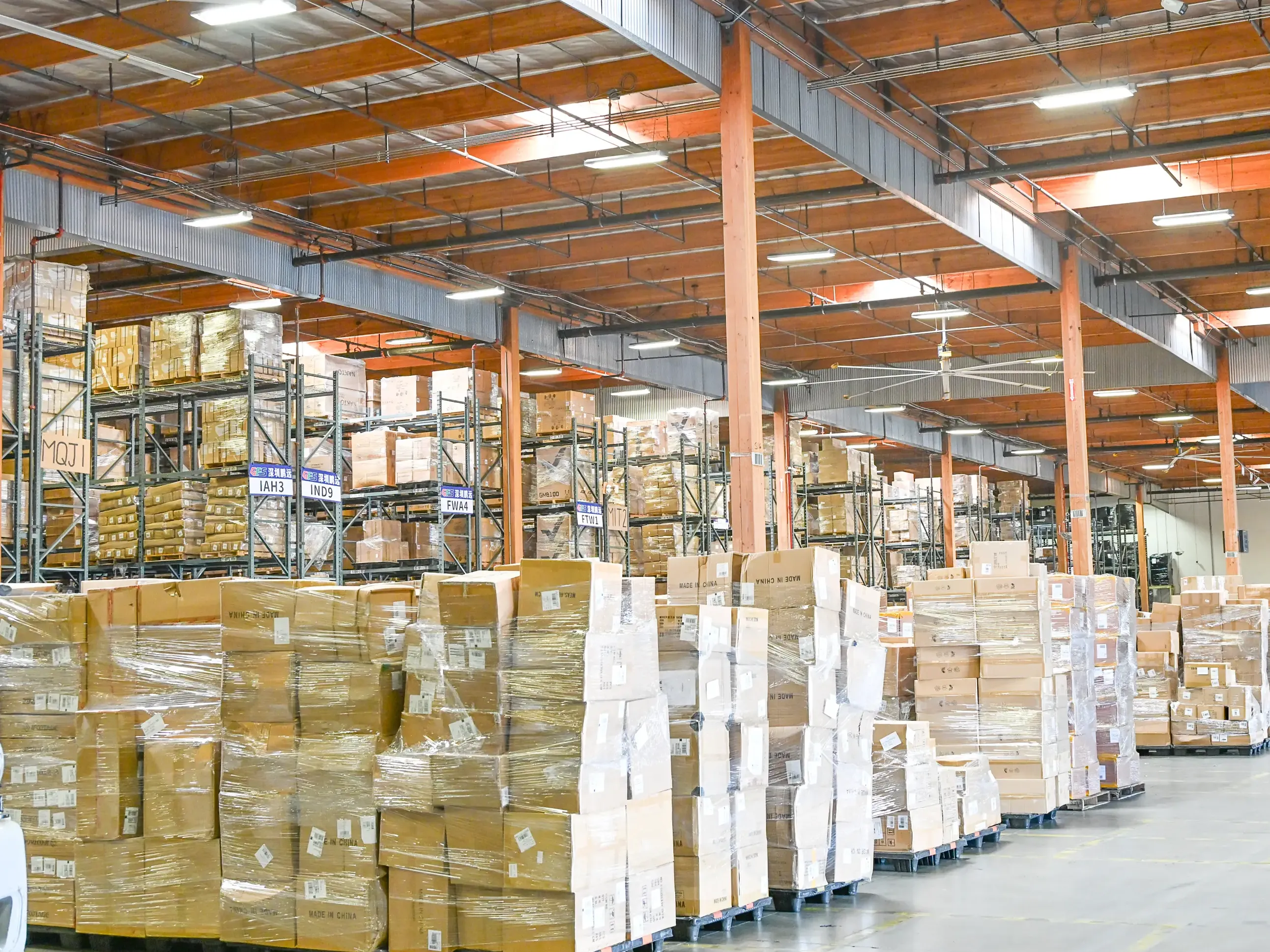
On its maiden voyage, the "Mediterranean Lorena" was loaded with 5000 TEUs of cargo, most of which originated from the Beijing Tianjin Hebei region. From precision components such as car generators to various daily consumer goods such as lighting fixtures, these goods representing the industrial level of northern China will directly reach the core ports on the west coast of Mexico. But this route is not one-way transportation, it constructs an efficient two-way trade corridor. After unloading the Made in China, the ship will load high-quality copper and zinc ore from North America, freshly picked avocados and berries, and other specialty products in Mexico before returning. This kind of operation model of returning and returning ensures the utilization rate of cabin space, and also allows domestic consumers to taste fresh and delicious food from across the Pacific at a faster speed, and obtain the raw materials needed for industrial development.keywords:port logistics
Weaving dense ocean network
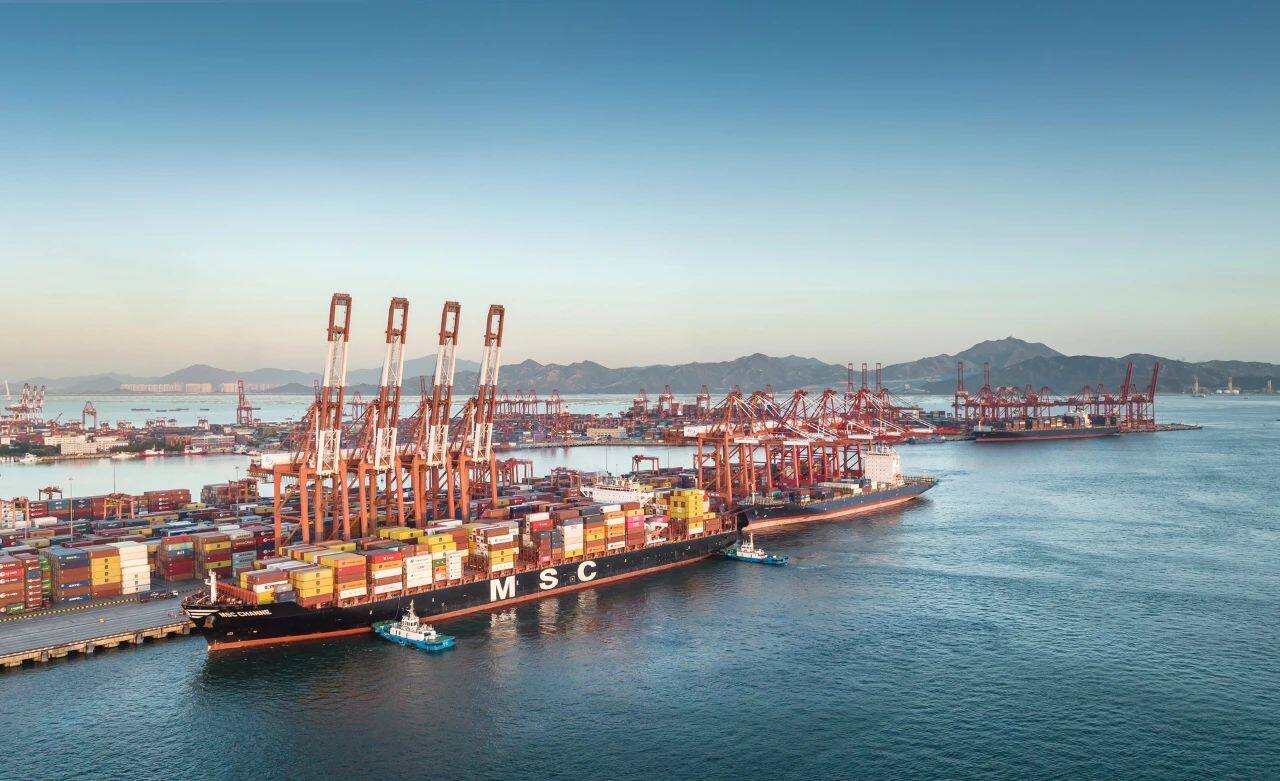
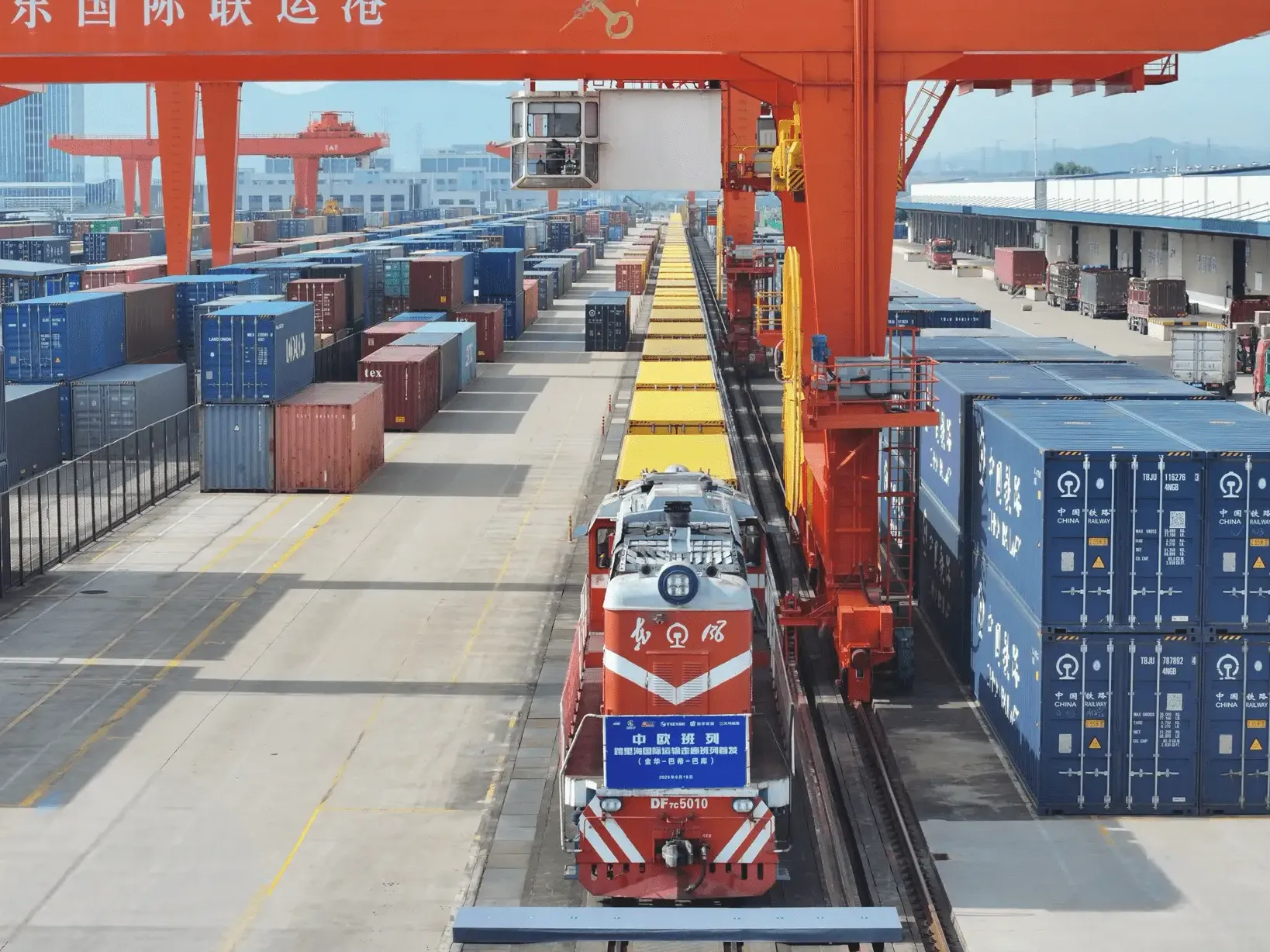
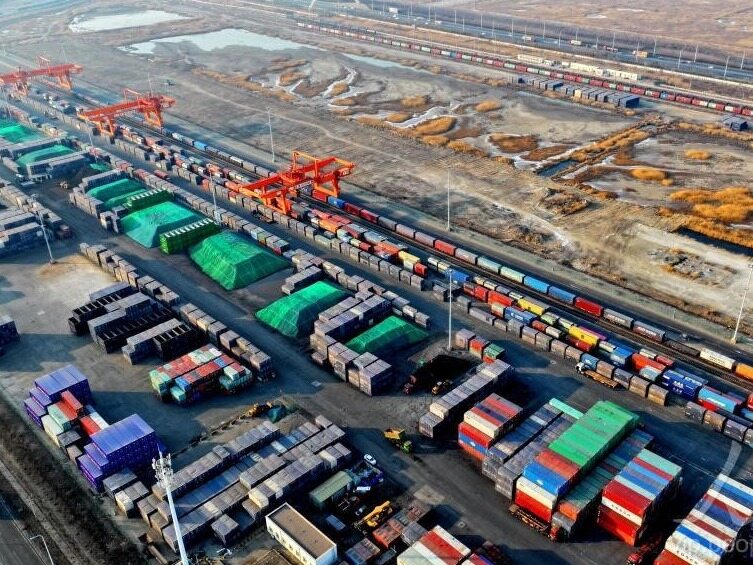
As a northern international shipping hub, the density of Tianjin Port's route network directly affects the breadth of regional outward oriented economic development. The opening of this direct route is not only a new route, but also a crucial step for Tianjin Port to build a dense ocean going foreign trade network. It greatly enhances the logistics convenience for the Beijing Tianjin Hebei region and even the entire North China region to access the North American market, laying a more solid maritime bridge for the increasingly close economic and trade exchanges between China and Mexico. With the opening of more direct routes of this kind, Tianjin Port is continuously releasing a radiation driving effect, injecting a continuous stream of blue power into the high-quality development of regional foreign trade economy.Editor/Yang Meiling
Comment

 Praise
 Collect
 Comment

 Share
Share


Write something~