 Search


- Formally announcing its transition from technological exploration to large-scale practical deployment in the field of new energy
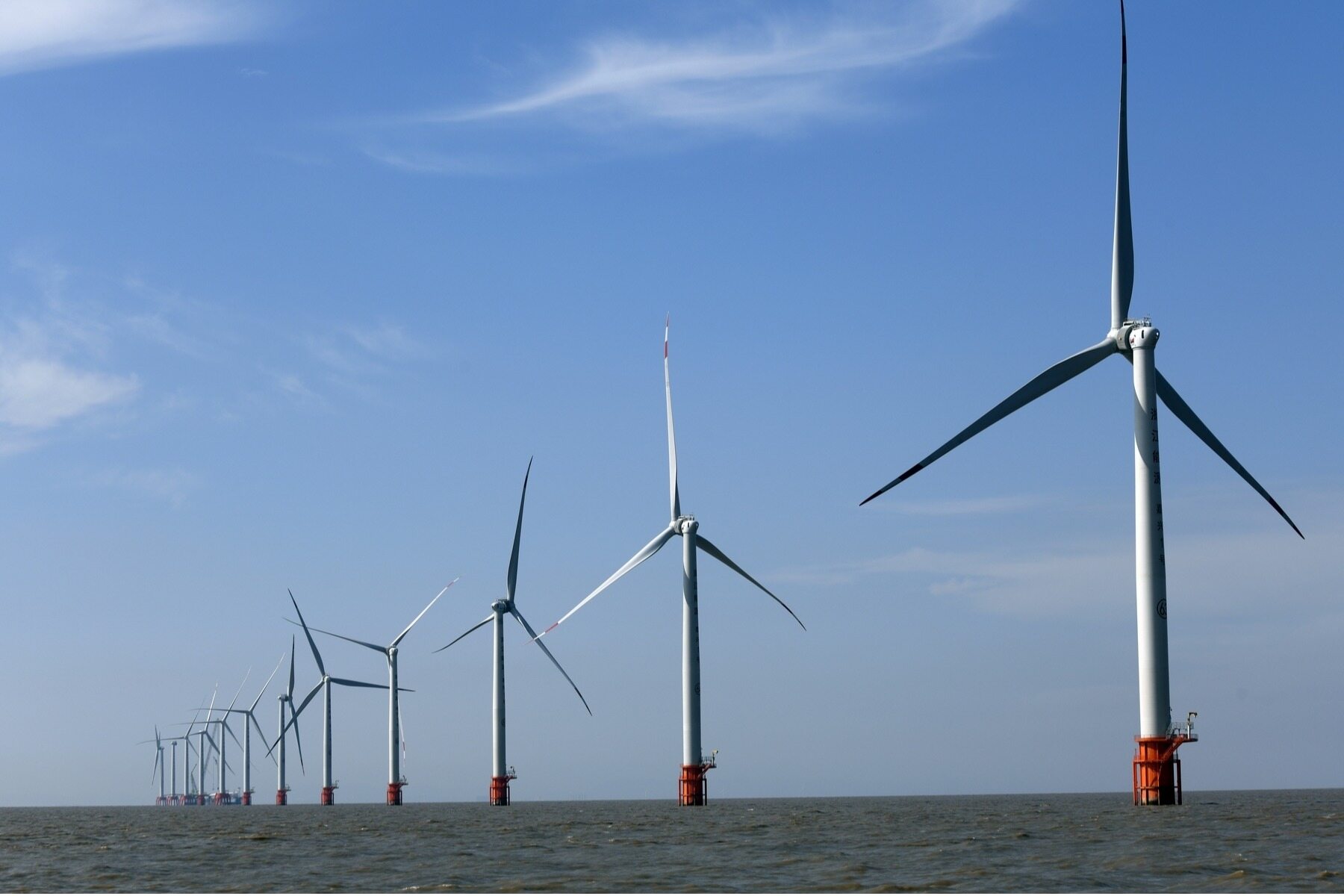
On the coast of the South China Sea, the storm rises again. While traditional power state-owned enterprises are still cultivating in shallow waters near the coast, CNOOC has turned its attention to the turbulent waves 30 kilometers offshore. On July 7, 2026, with the announcement of the winning bid, the core design section of the Shanwei Honghai Bay Sihai Wind Power Demonstration Project was awarded to CNOOC Research Institute. This is not only a 43.176 million yuan business, but also a key chess piece invested by China National Offshore Oil Corporation in the field of deep-sea offshore wind power, marking the end of this oil and gas giant's new energy journey, and officially sounding the horn of large-scale charging.
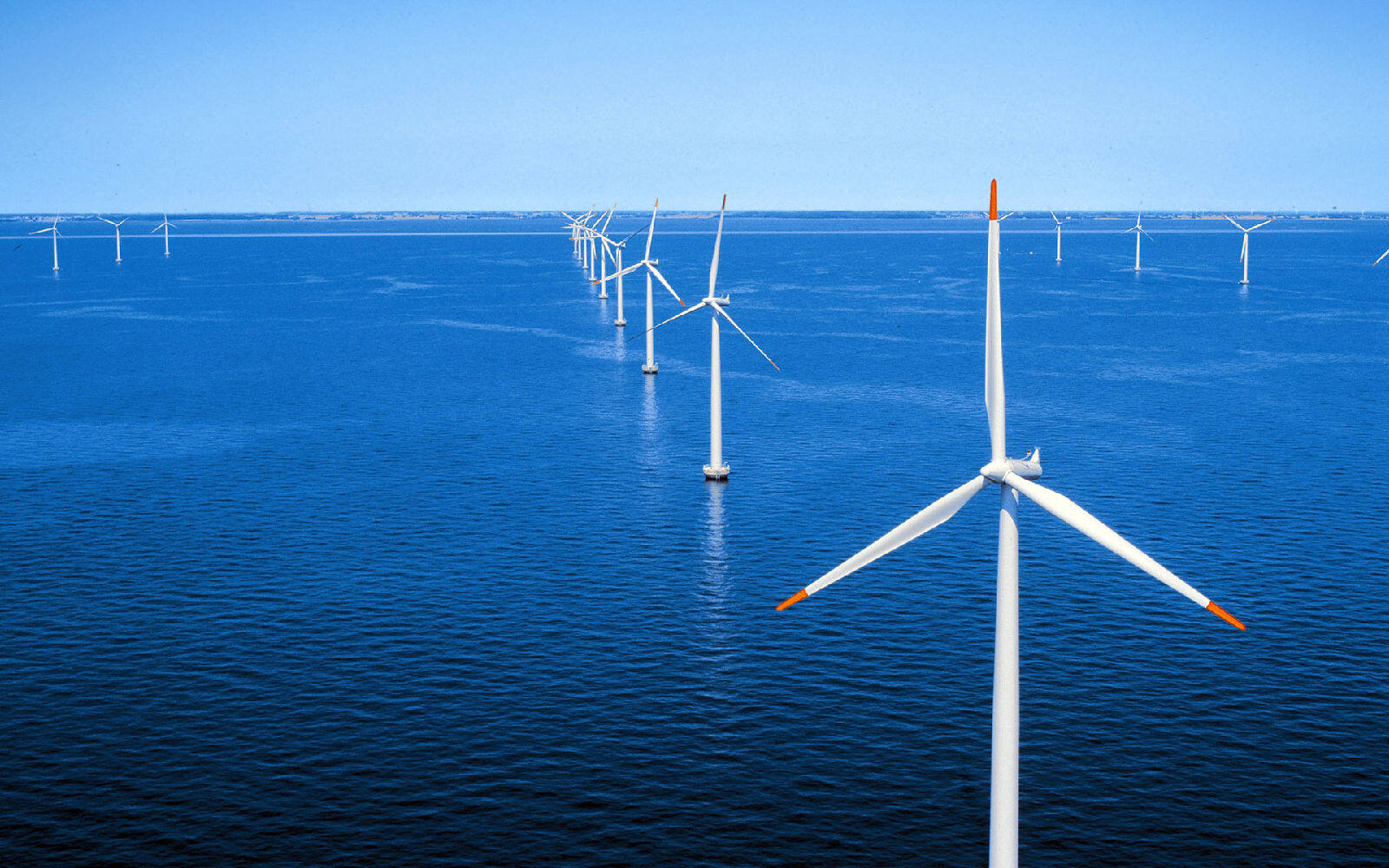
Finger at Deep Sea's New Home Field
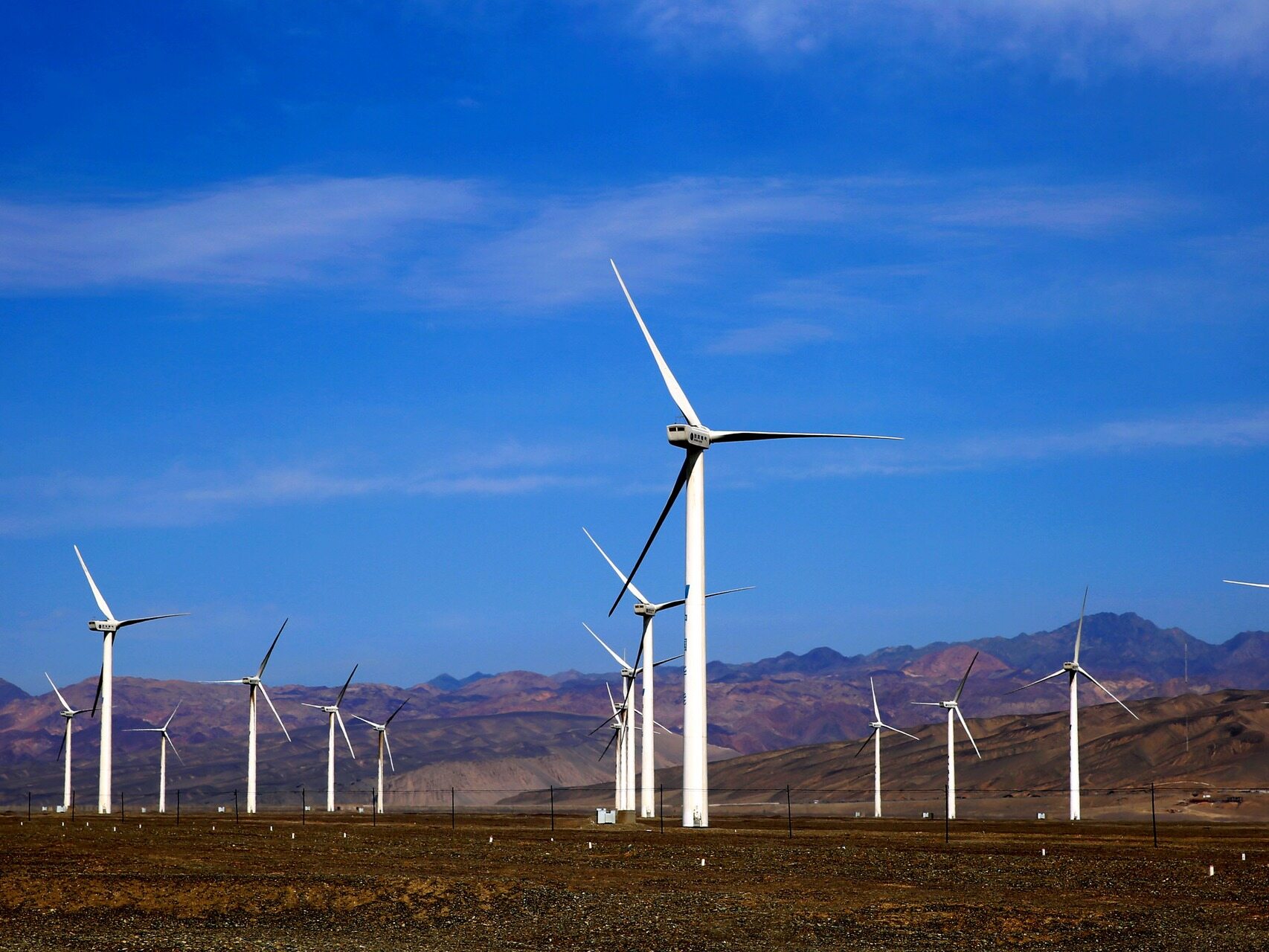
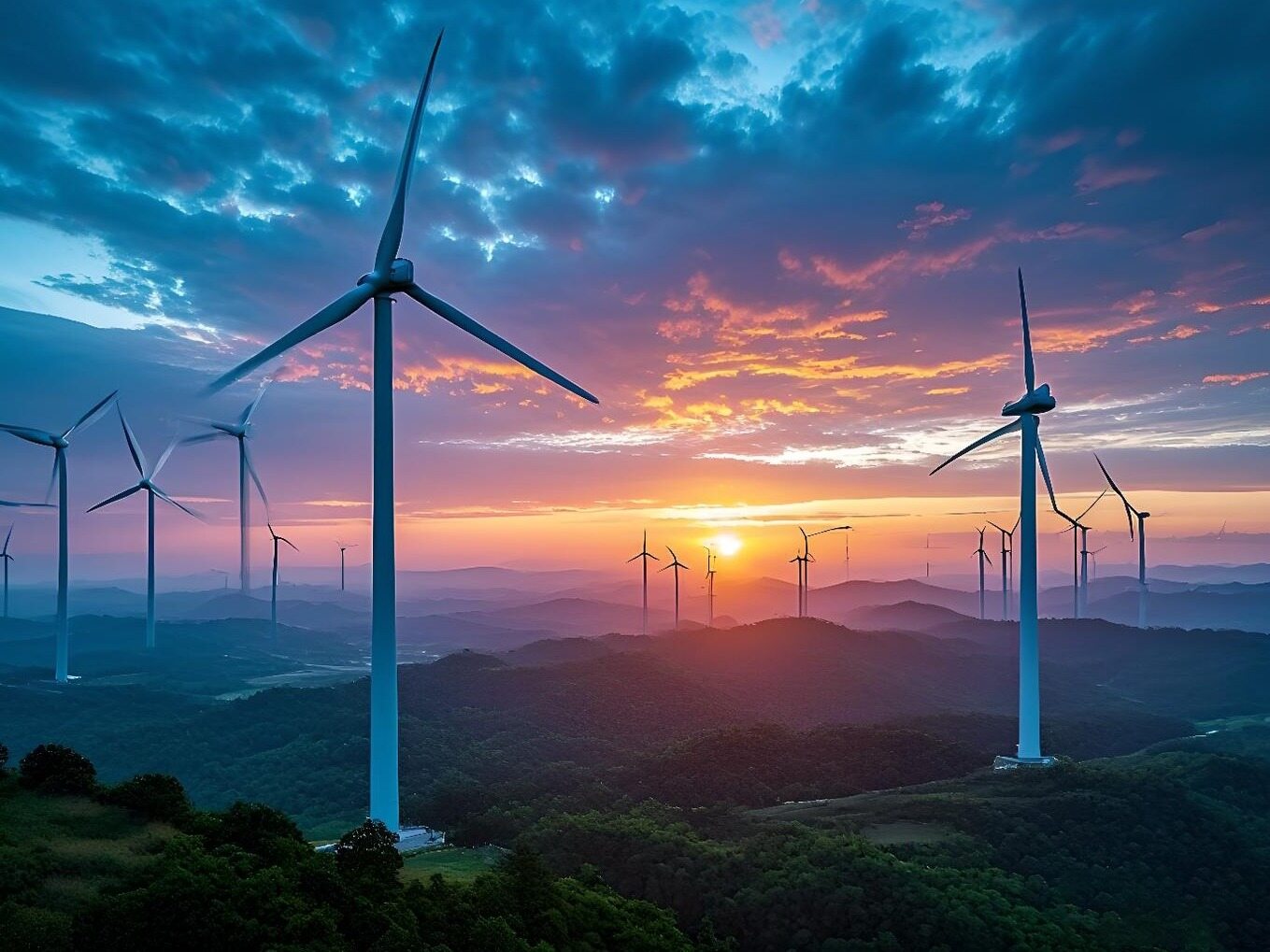
The Shanwei Honghai Bay Phase IV project that won the bid this time is not an ordinary wind farm. It is located in the southeast of Honghai Bay in Shanwei, with a water depth ranging from 34 meters to 43 meters, making it a typical deep-sea operating environment. The total investment is 4.016 billion yuan, with a planned installed capacity of 500MW. It is planned to install 28 leading 18MW high-capacity wind turbines in commercial applications.
In the fierce bidding process, CNOOC Research Institute achieved an excellent score of 99.56 points, surpassing many established design institutes in the industry. The confidence behind this stems from its profound understanding of the characteristics of the deep sea. Unlike the previous practice of simply copying onshore experience in wind power design, the CNOOC team has infused years of accumulated ocean engineering experience into it, tailoring solutions to the hydrological and meteorological characteristics of the deep sea, and solving the industry's common problem of "mismatch between design and on-site conditions" from the source.
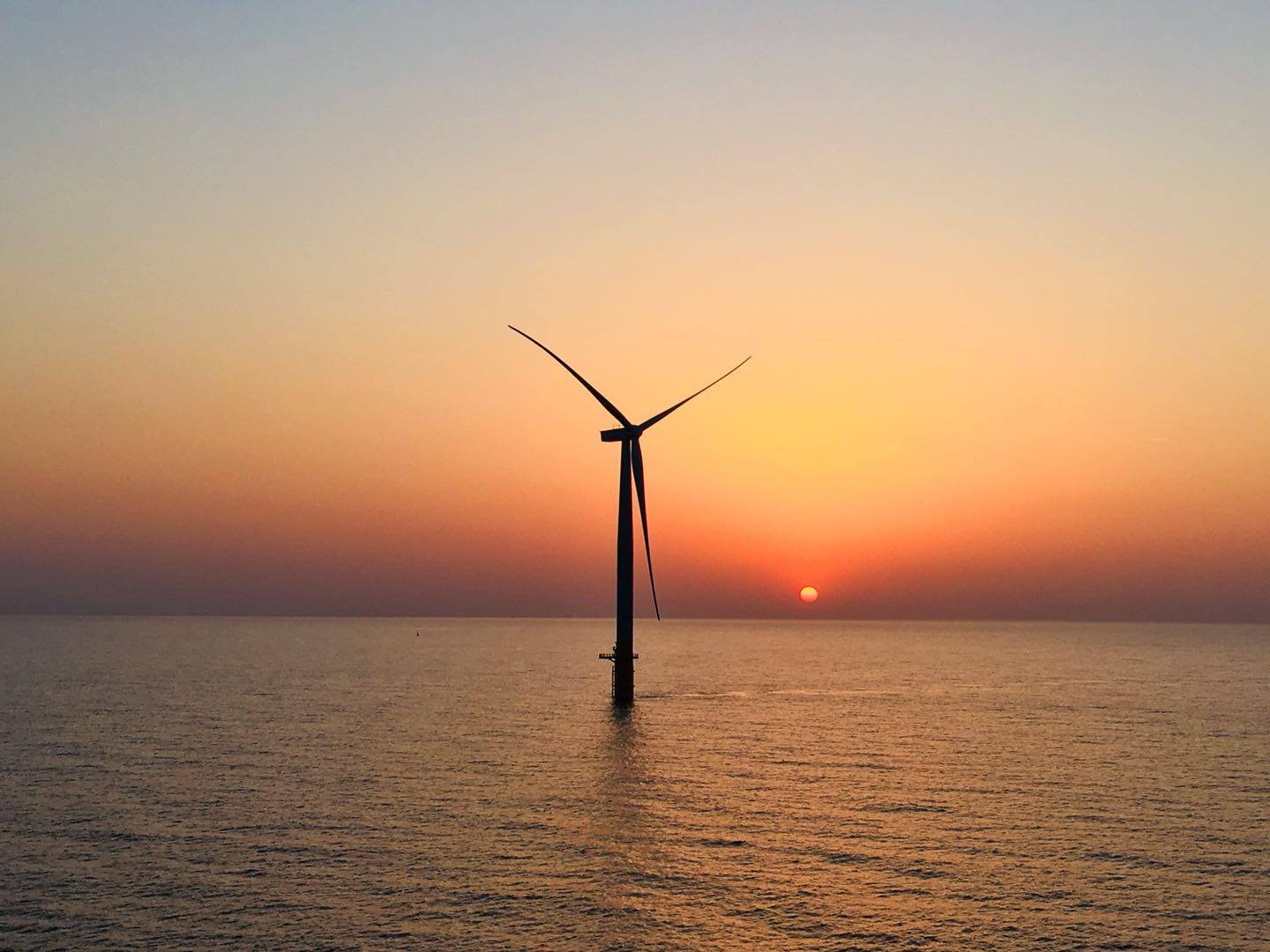
New model of intensive development
For a long time, offshore wind power has suffered from the dilemma of going it alone. Each project operates independently, repeatedly constructing booster stations and transmission lines, resulting in significant waste of resources. Another major highlight of the Honghai Bay Phase IV project is that it has broken this deadlock.
This project creatively adopts a strategy of centralized delivery and multi venue co construction. It shares a 1000MW offshore booster station and 500kV ultra-high voltage submarine cable with the Honghai Bay Phase III project, and is linked with the Phase V and Phase VI projects in the region to unify the layout of the landing section pipeline and onshore centralized control center. This continuous development model maximizes the compression of duplicate infrastructure investment, effectively dilutes regional development costs, and explores a new path of intensive development for the entire industry.
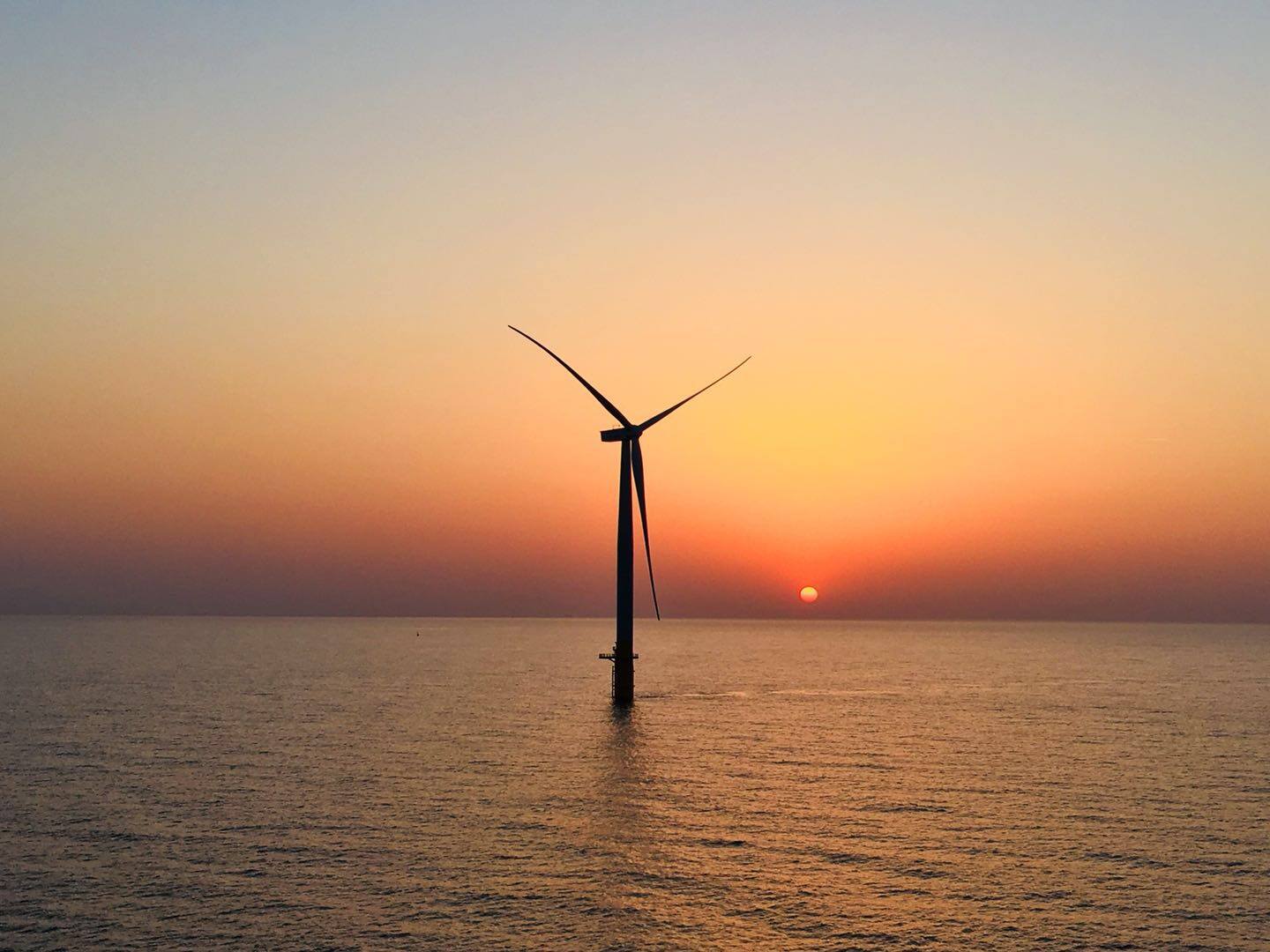
Oil and gas genes show significant advantages
Why CNOOC? This is the most common question raised by industry observers. The answer lies in the complexity of the deep sea. The offshore wind power is calm and peaceful, while the deep sea is a different scene: complex ocean currents, high salt spray corrosion, frequent typhoons, all of which are ultimate tests of technology and endurance.
This is precisely CNOOC's' comfort zone '. Having been deeply involved in the offshore oil industry for more than 40 years, CNOOC has a complete technical chain from ultra deep water construction to remote operation and maintenance, and has built offshore platforms with a maximum operating depth of 1500 meters. Previously, the long-term commercial operation of the "Haiyou Guanlan" floating wind power platform has verified its ability to directly supply green electricity to offshore oil and gas platforms. Nowadays, these "hardcore" technologies derived from oil and gas development - from equipment anti-corrosion and life extension to marine disaster prevention and control - are seamlessly integrated into the wind power field, forming a moat that is difficult to shake in the deep and distant sea track.keywords:Domestic new energy latest news
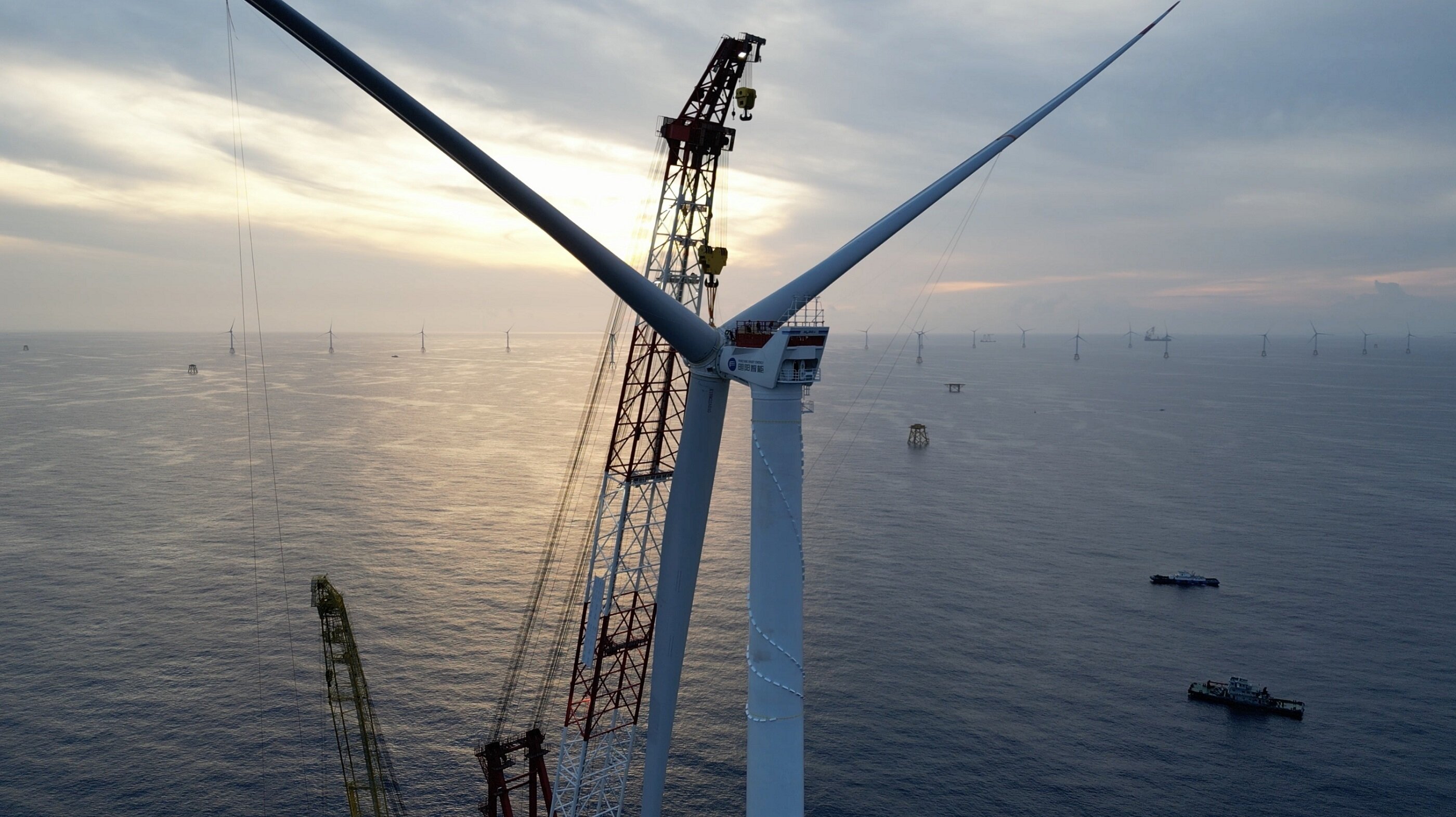
According to the plan, the preliminary design of the project will be delivered in mid September, striving to achieve full capacity grid connection by early 2027. At that time, this 75 square kilometer blue territory will generate 1.612 billion kilowatt hours of clean electricity annually, replacing 467600 tons of standard coal and injecting strong green energy into the Guangdong Hong Kong Macao Greater Bay Area.Editor/Yang Meiling
Comment

 Praise
 Collect
 Comment

 Share
Share


Write something~