 Search


- Former leader Baltic Sea becomes the only declining area
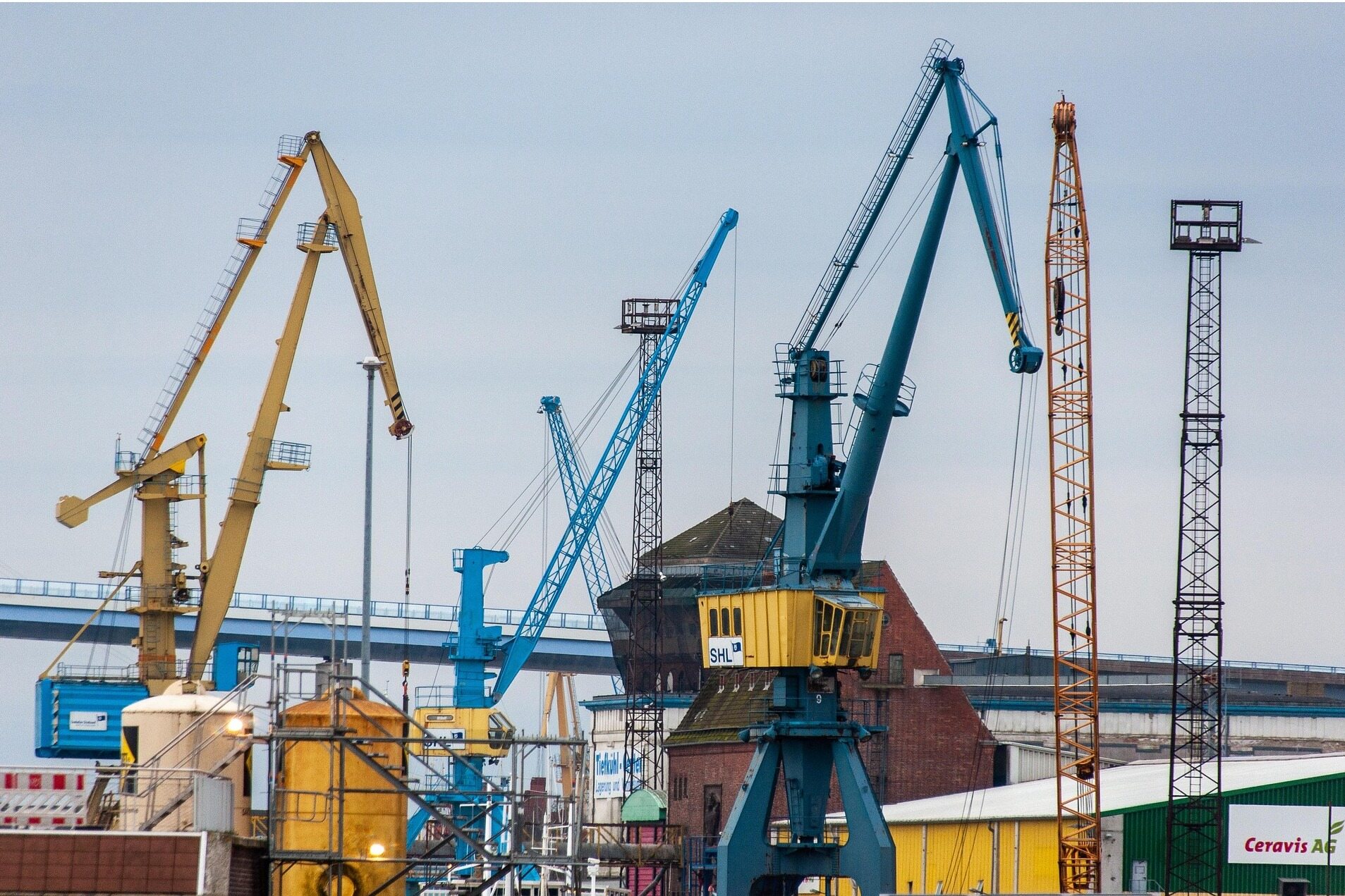
In the first half of the year, the cargo throughput was 451.45 million tons, a year-on-year increase of 5.8%. The Caspian Sea basin surged by nearly 60%, but the only decline was in the once dominant Baltic Sea. Under the reshaping of trade flows, the map of Russian ports is being redrawn.
Container slightly warms up
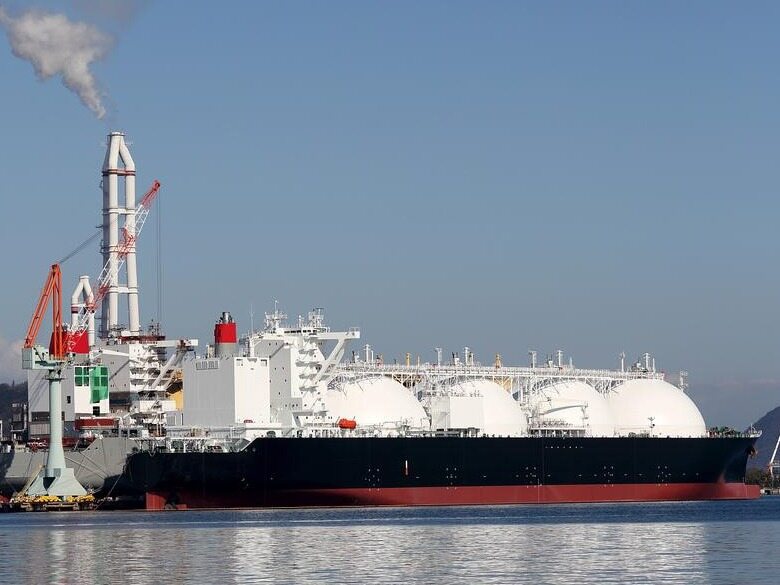
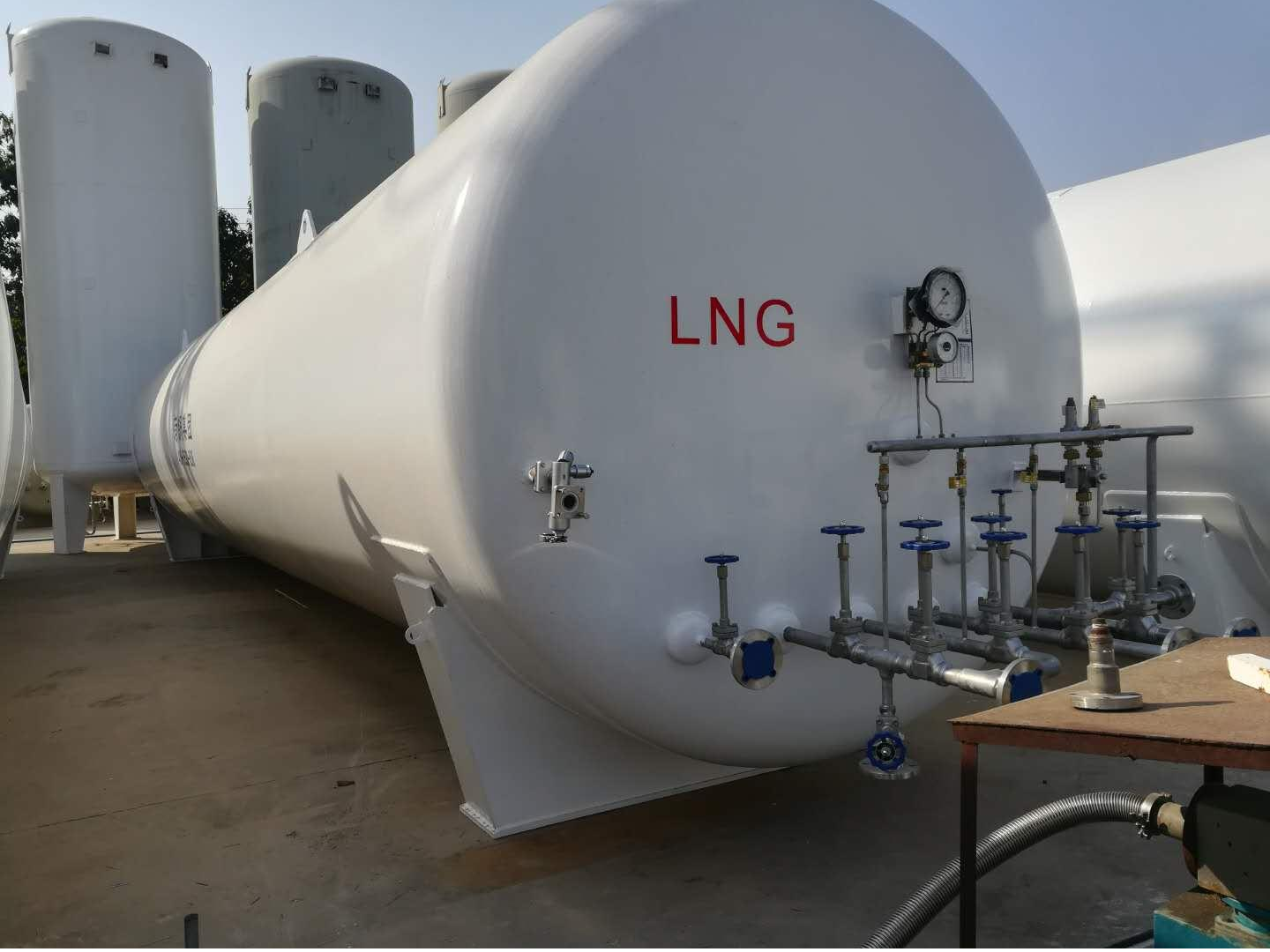
In the first half of the year, the throughput of dry bulk cargo was 224.32 million tons, a year-on-year increase of 9.1%, which was significantly higher than the 2.8% growth rate of liquid cargo. The total volume of liquid goods is 227.12 million tons, with an increase in liquefied natural gas, crude oil, and food freight volume, while chemical and refined oil have declined.
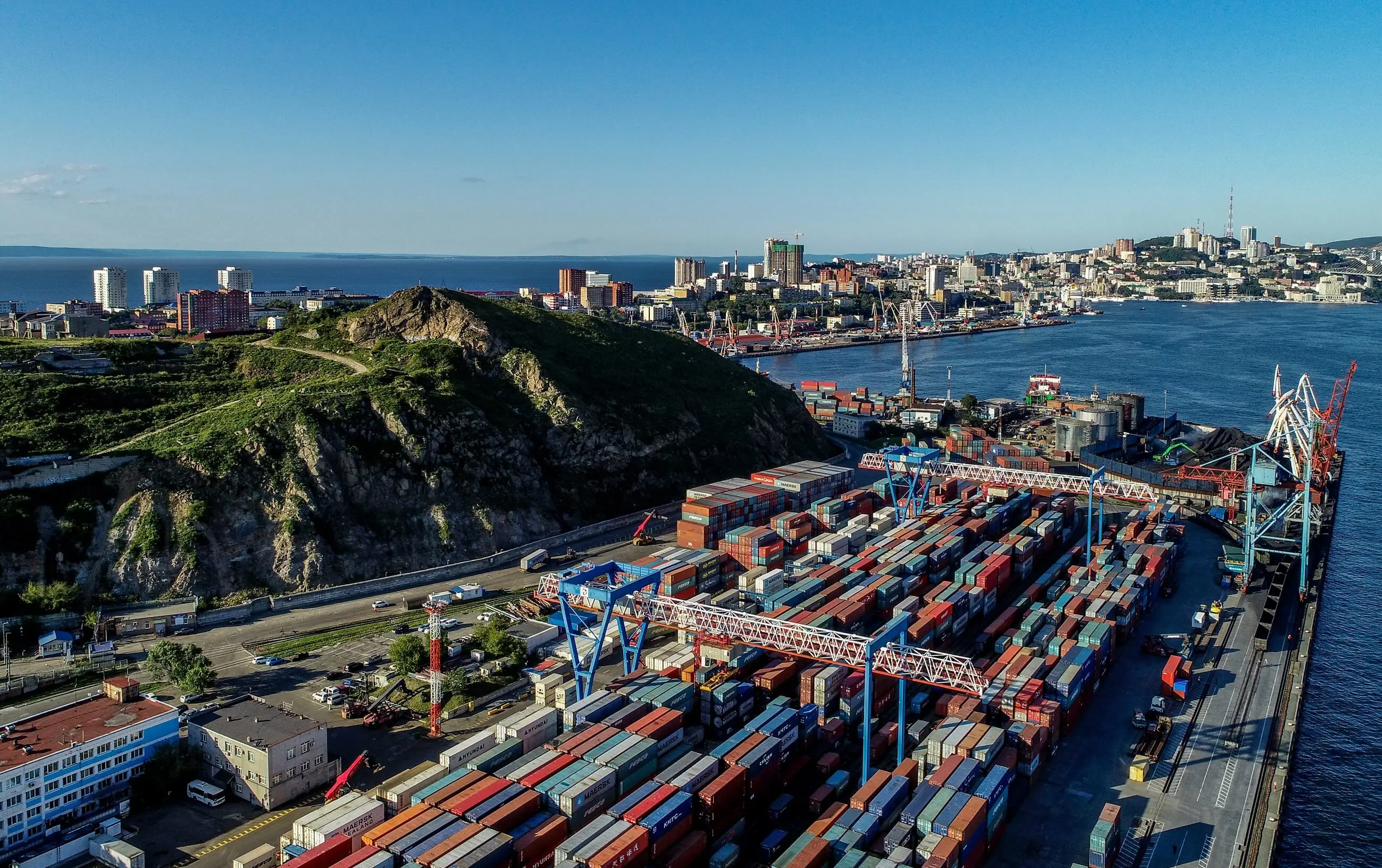
The container throughput was 2.78 million TEUs, a year-on-year increase of 2.6%. The export volume was 354.67 million tons, a year-on-year increase of 5.7%, which is the core driving force for growth; The volume of goods transported by coastal inland rivers was 41.32 million tons, a year-on-year increase of 22.3%; Transit goods decreased by 6.1% to 34.2 million tons.
Map acceleration eastward shift
From a regional perspective, the Caspian Sea Basin led the way with a growth rate of 59.7%, with throughput climbing to 5.3 million tons, and monthly throughput has stabilized at the million ton level since March; The Arctic basin has grown by 15% to 51.2 million tons; The Far East Basin increased by 11.8% to 132.7 million tons; The Azov Black Sea Basin grew by 6.3% to 132 million tons.
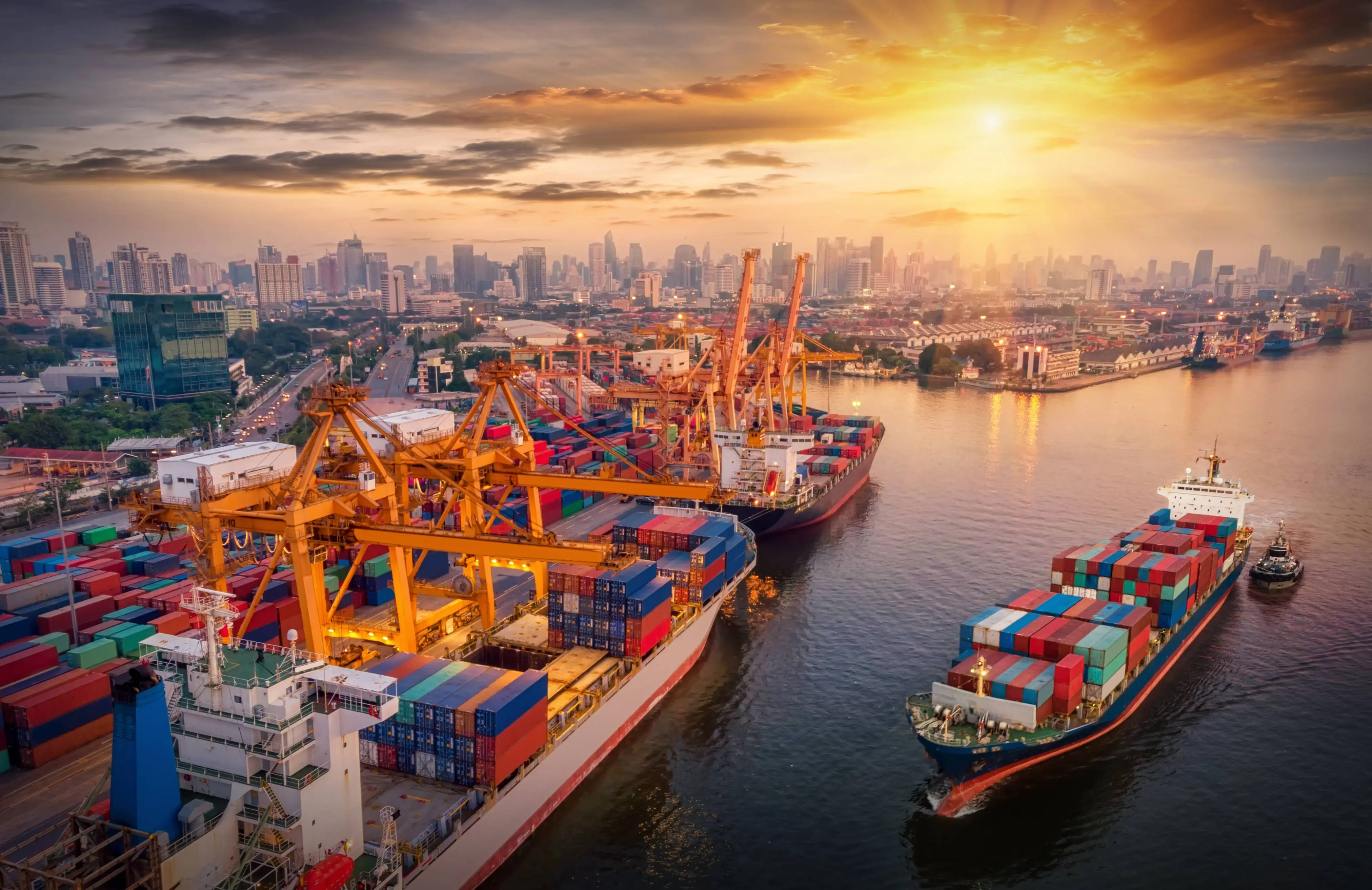
The only decline is in the Baltic Sea basin, which decreased by 4.2% year-on-year to 130.3 million tons, surpassing its former leading position in the Far East and Black Sea. Russian Transport Minister Nikitin stated that by 2026, the country's ports plan to increase their throughput capacity by 21 million tons, with the contribution of 10 million tons from the Elgar Coal Terminal in the Khabarovsk Krai, 15.5 million tons from the northwest ports, and 13.2 million tons from the east. Keywords: cargo throughput, logistics
The trend of shifting trade focus from west to east is transforming into a substantial shift in port infrastructure investment.Editor/Cheng Liting
Comment

 Praise
 Collect
 Comment

 Share
Share


Write something~