 Search


- The zero tariff dividend continues to be released, expanding new channels for China Africa economic and trade exchanges
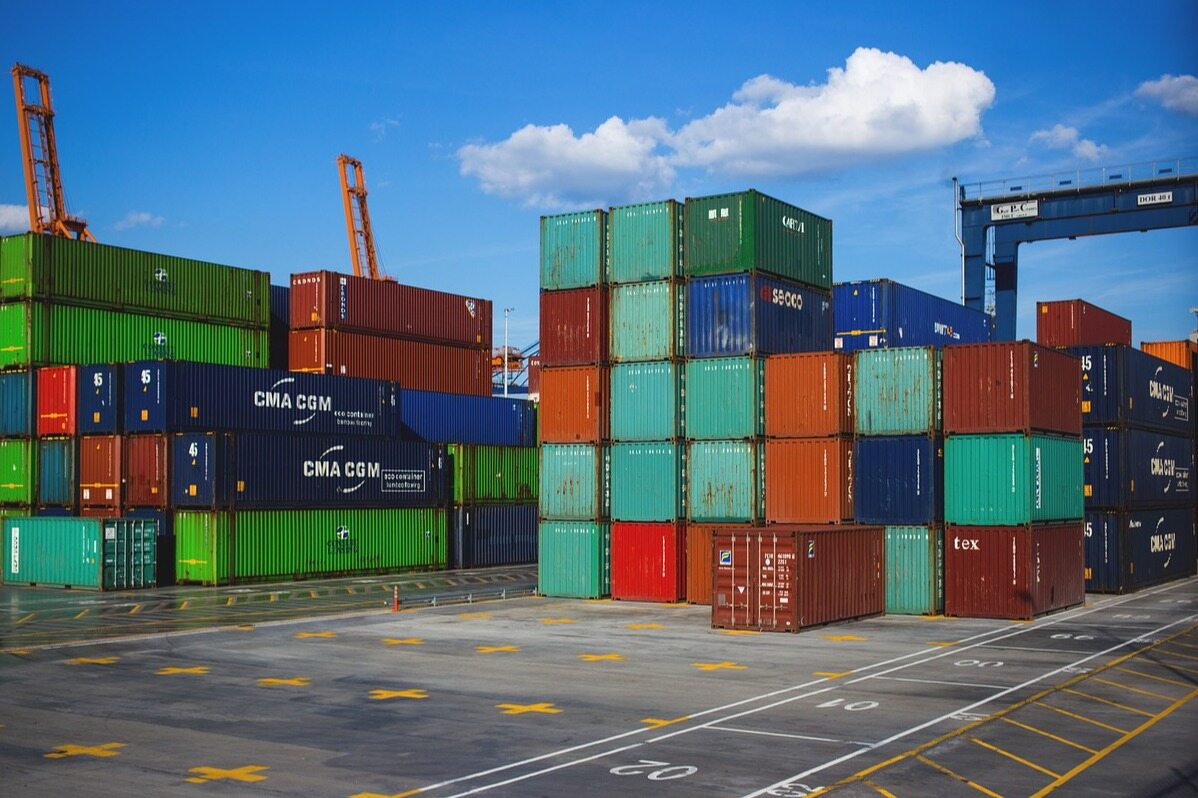
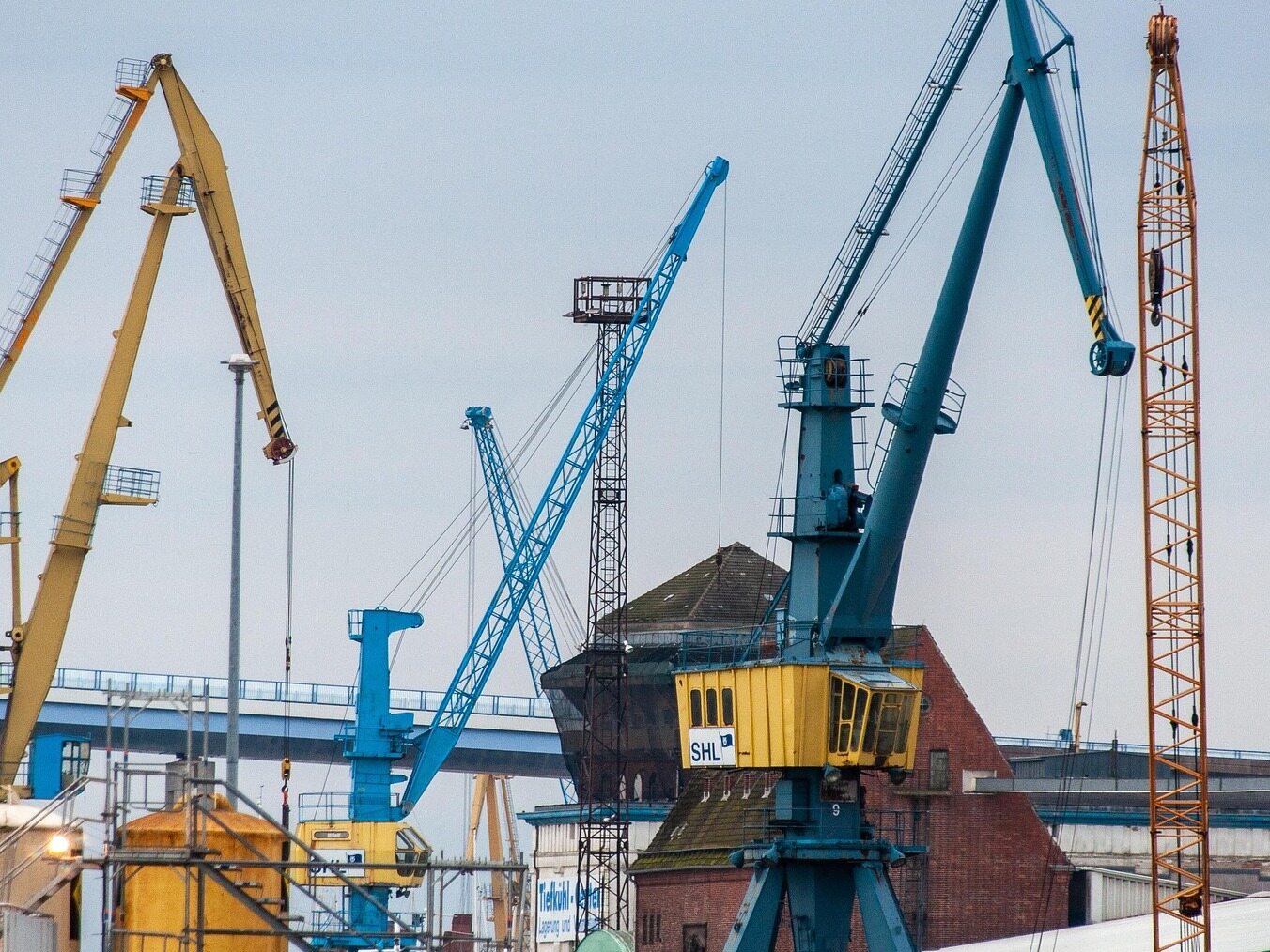
The traffic flow at the Mombasa Port terminal in Kenya is constant, with trains shuttling back and forth. The containers in the port area are stacked in an orderly manner, and freight operations are operating efficiently. Since the implementation of the zero tariff policy towards China, the capacity of this core transportation channel in East Africa has continued to increase, and the vitality of cross-border trade has been fully unleashed, helping to steadily expand bilateral trade between China and Africa.
Significant increase in transportation capacity
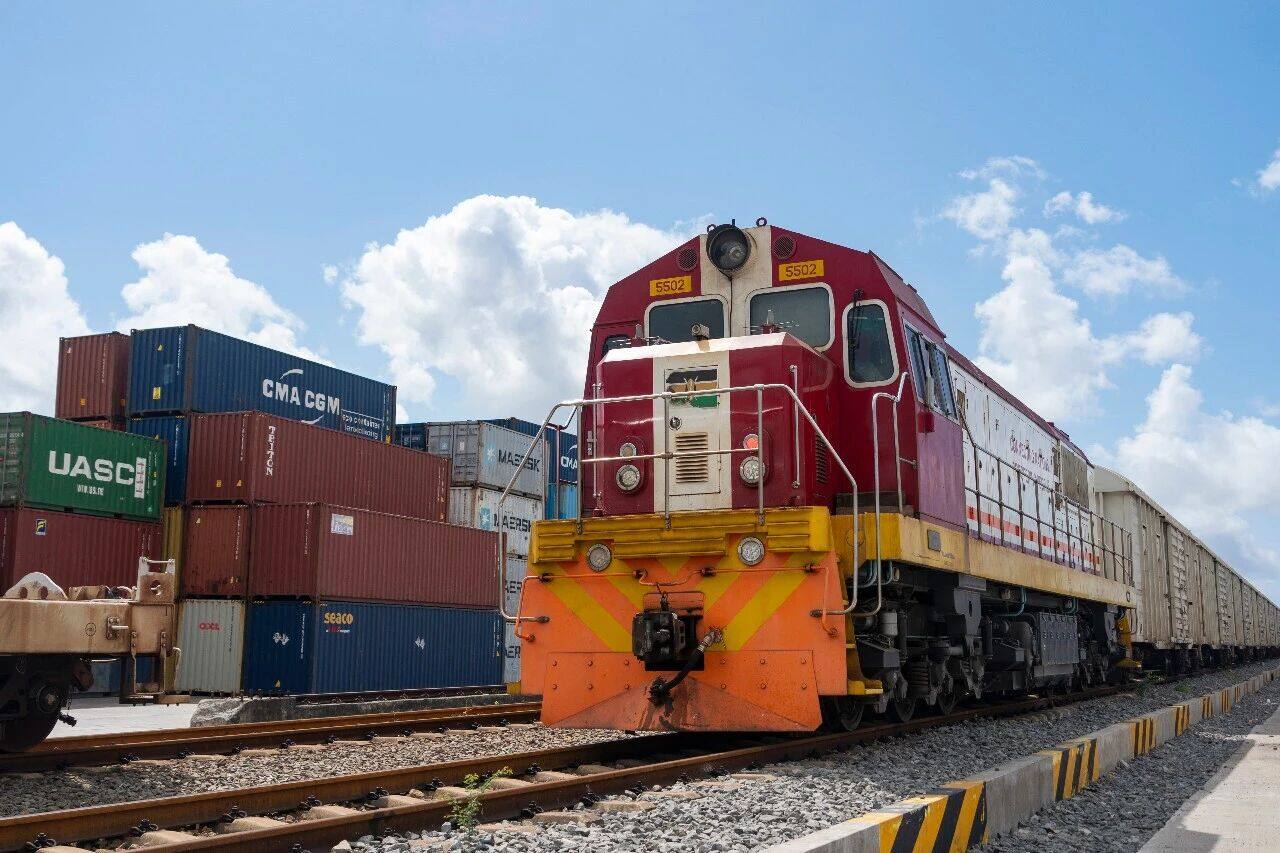
As a landmark project of the the Belt and Road jointly built by China and Kenya, the 472km Mombasa Nairobi Railway connects Mombasa Port and Nairobi, greatly reducing the duration of inland freight transport in East Africa, and is a vital regional transportation artery. In the first half of 2026, Kenya's standard gauge railway will operate a total of 3931 freight trains, transporting 4.278 million tons of goods, with a year-on-year increase of 12.3% in daily freight volume. After the implementation of the policy, the monthly average container shipment volume from May to June increased by about 44% compared to the beginning of the year, and the freight growth rate was very significant.
Two way trade activation
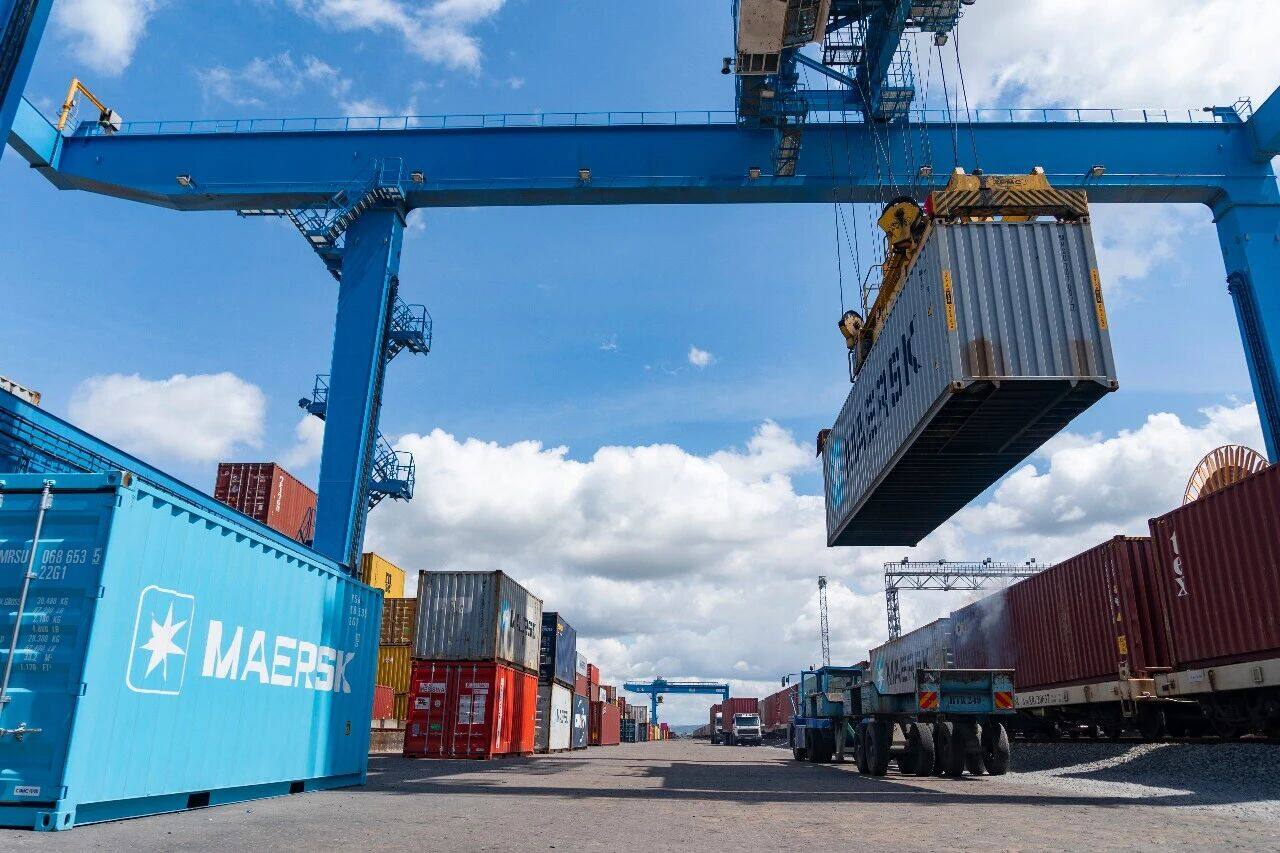
The zero tariff policy has completely reversed the previous operating situation of high empty container rates, completely changed the operating situation of local vehicles waiting for goods, and formed a busy trade situation of goods waiting for vehicles. Kenyan macadamia nuts, coffee, tea, avocados and other specialty agricultural products and industrial raw materials continue to be exported in large quantities to China, while Chinese electronic products, clothing and home furnishings continue to enter the East African market. Keywords: zero tariffs, China Africa economic and trade relations
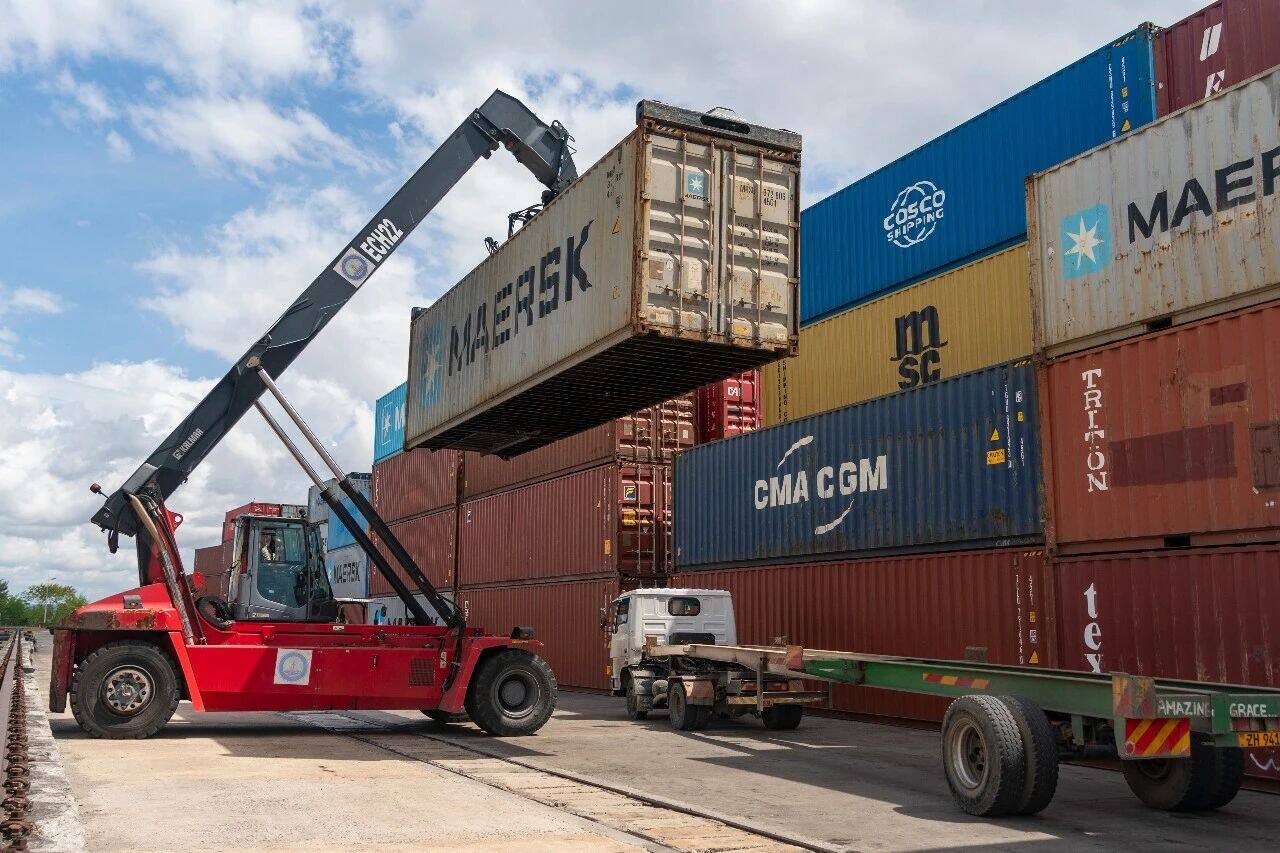
Relying on the Mombasa Nairobi Railway, goods from inland countries such as Uganda and Rwanda have been smoothly exported to the sea, fully connecting the trade links between East Africa and China, allowing high-quality resources from Africa to deeply connect with the Chinese market, and continuously releasing the dividends of China Africa cooperation and development.Editor/Min Jing
Comment

 Praise
 Collect
 Comment

 Share
Share


Write something~