 Search


- China optimizes gas source structure and deepens strategic energy cooperation between China and Russia

The domestic energy consumption structure continues to adjust, and the scale of traditional Middle Eastern liquefied natural gas imports is shrinking. Relying on stable onshore pipeline transportation and Arctic gas source channels, China continues to increase its procurement of natural gas from Russia and significantly expand high-quality and stable gas source channels.

The transformation of import pattern
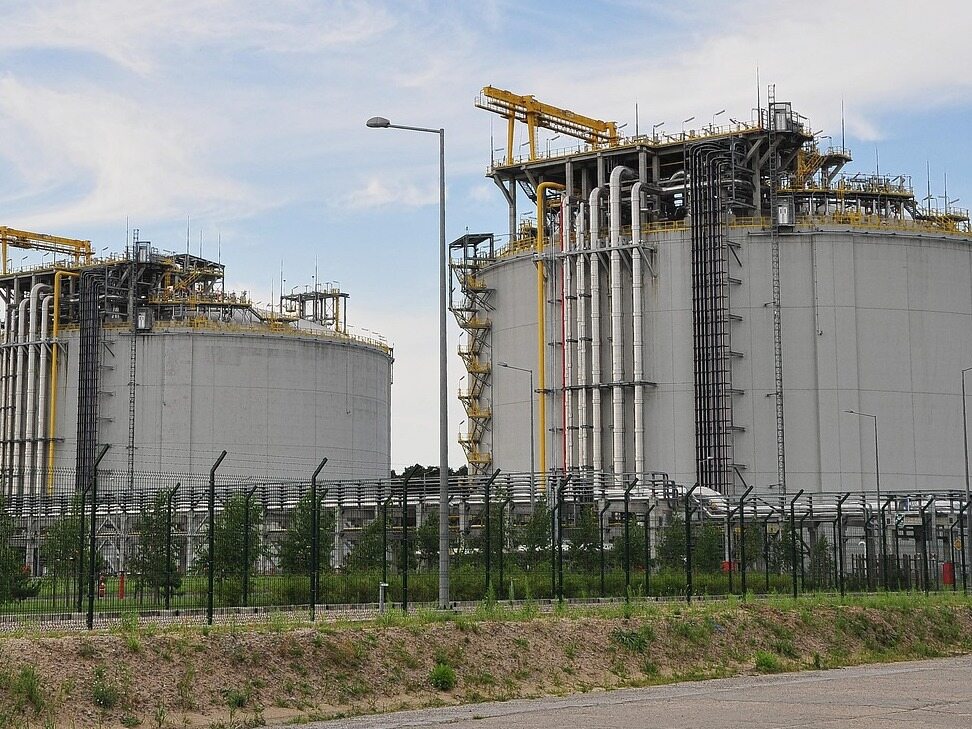
Affected by multiple factors, the import volume of liquefied natural gas in China will decrease by 11% year-on-year in 2025, and the total amount will fall back to 68.4 million tons, ending the continuous growth trend of the past two decades. The main reasons are the improvement of domestic gas production capacity, expansion of onshore pipeline gas supply, and adjustment of economic growth rate. The domestic onshore gas pipeline sources cover multiple countries such as Russia and Turkmenistan, among which the stability advantage of Russian gas sources is prominent, gradually replacing imported gas sources from the Middle East. Even if the shipping situation in the Persian Gulf improves, China will continue to optimize its gas source layout.
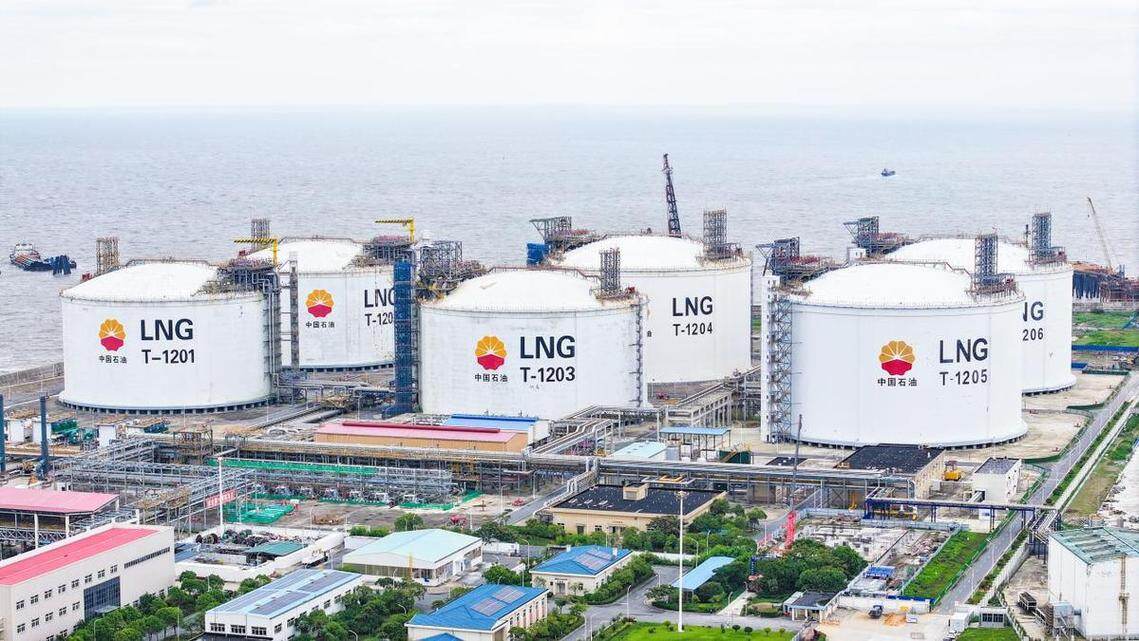
Russian gas surges towards China
From January to October 2025, Russia's pipeline natural gas exports to China increased by 17.8% year-on-year, reaching 7.85 billion US dollars. The Siberian Power Pipeline transported 39 billion cubic meters of gas to China throughout the year, a year-on-year increase of 25% and an increase of nearly 8 billion cubic meters. Keywords: China Russia energy,natural gas trade
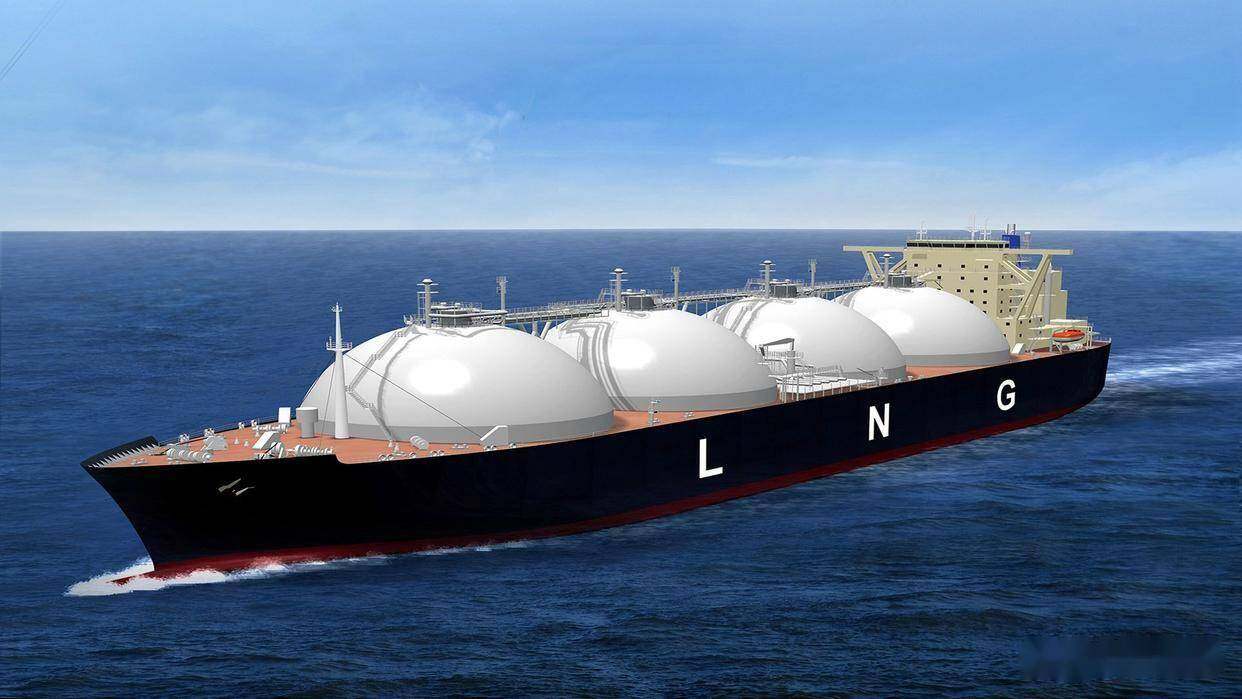
Relying on domestic North Sea ports to accept sanctioned gas sources from Russia, China will import 9.8 million tons of liquefied natural gas from Russia in 2025, a year-on-year increase of 18.2%, highlighting the advantages of energy cooperation between China and Russia.Editor/Min Jing
Comment


 Praise
 Collect
 Comment

 Share
Share


Write something~