 Search



- The new trade corridor avoids traditional routes and opens up a new channel for Central Asia to go global
- The integration of smart customs and international transportation system helps improve the quality and efficiency of cross-border trade
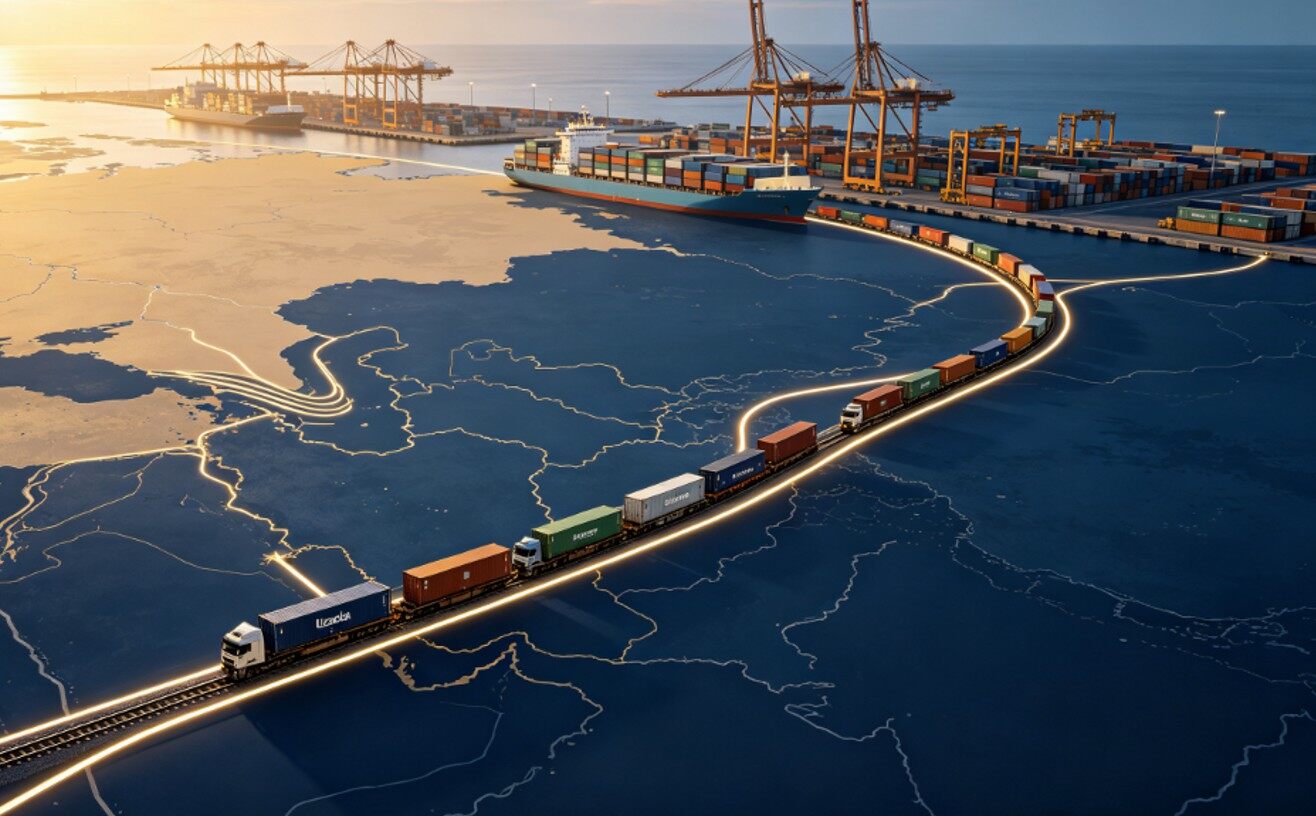
The wind in the Pamir Plateau has scattered the old camel bells and also spawned new tracks. When the geographical barriers block the westward path, the gaze of Central Asia is forced to shift southward. In the gap between Iran and South Asia, a new artery connecting the ocean has been forcefully carved out, reshaping the logistics destiny of landing and locking the country.
Open up new trade channels
Uzbekistan actively relies on Pakistan's newly opened land trade routes to carry out cross-border trade. The new channel avoids the Afghan border section and is now connected to the outside world through routes within Iran and China. Tashkent has officially opened the Gabd Rimdan port transportation route in Iran, mainly to undertake cross-border transportation of agricultural machinery, industrial raw materials and other materials. This channel will be officially put into operation in April 2026, providing a convenient logistics path for Central Asian countries to connect with Pakistani ports and connect with the global market.
Replace old channels and break through development
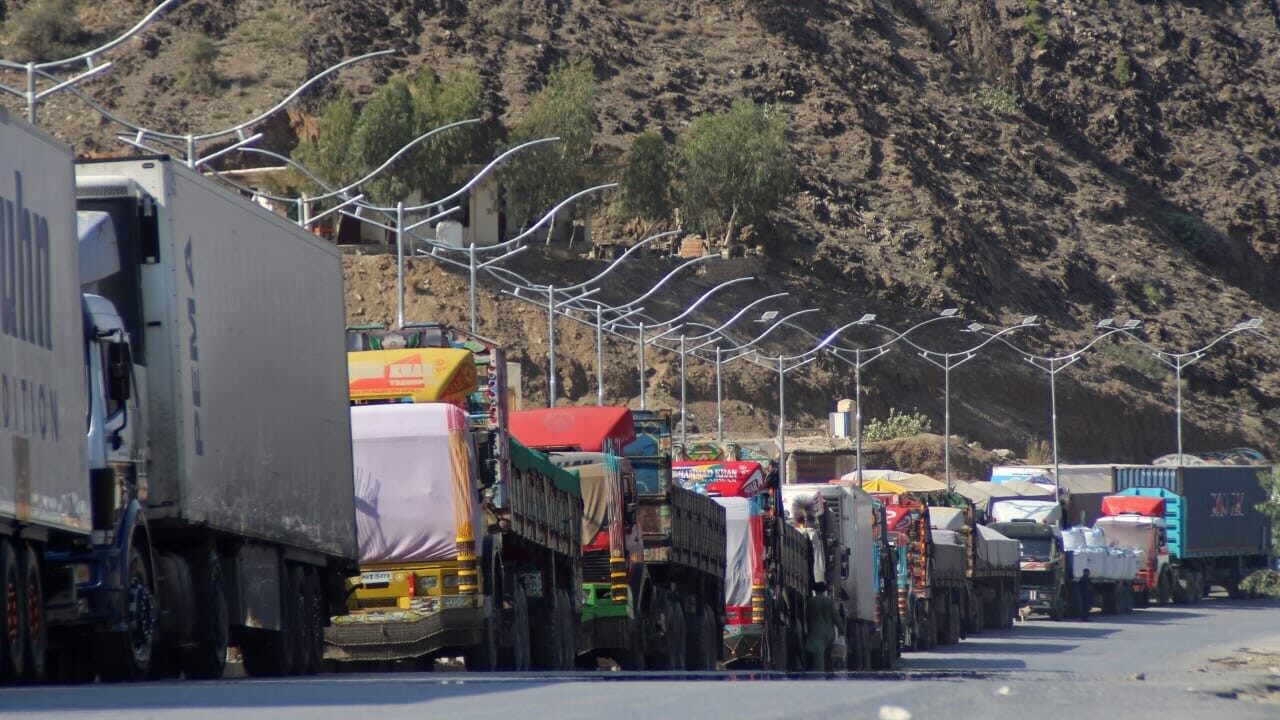
Pakistan has opened two new trade corridors due to port changes in October 2025. At that time, due to border security risks, the Pakistani side indefinitely closed the two major border clearance ports of Torham and Chaman adjacent to Afghanistan. To solve the logistics bottleneck, Pakistan has newly opened two cross-border corridors through the Gabd Rimdan port in Iran and the Sustegan port in China. As of now, the cumulative freight volume of the two new channels has exceeded 14000 tons. One of the corridors was officially inaugurated at a multi-party linkage ceremony held in Karachi, with high-level representatives from Uzbekistan, Kyrgyzstan, and Tajikistan participating as witnesses. At present, the first batch of cold chain meat and other export goods have been successfully transported to Central Asian cities such as Tashkent and Bishkek through the Iran route. Keywords: Pakistan, Uzbekistan, cross-border logistics
Normalization of multi country freight transportation
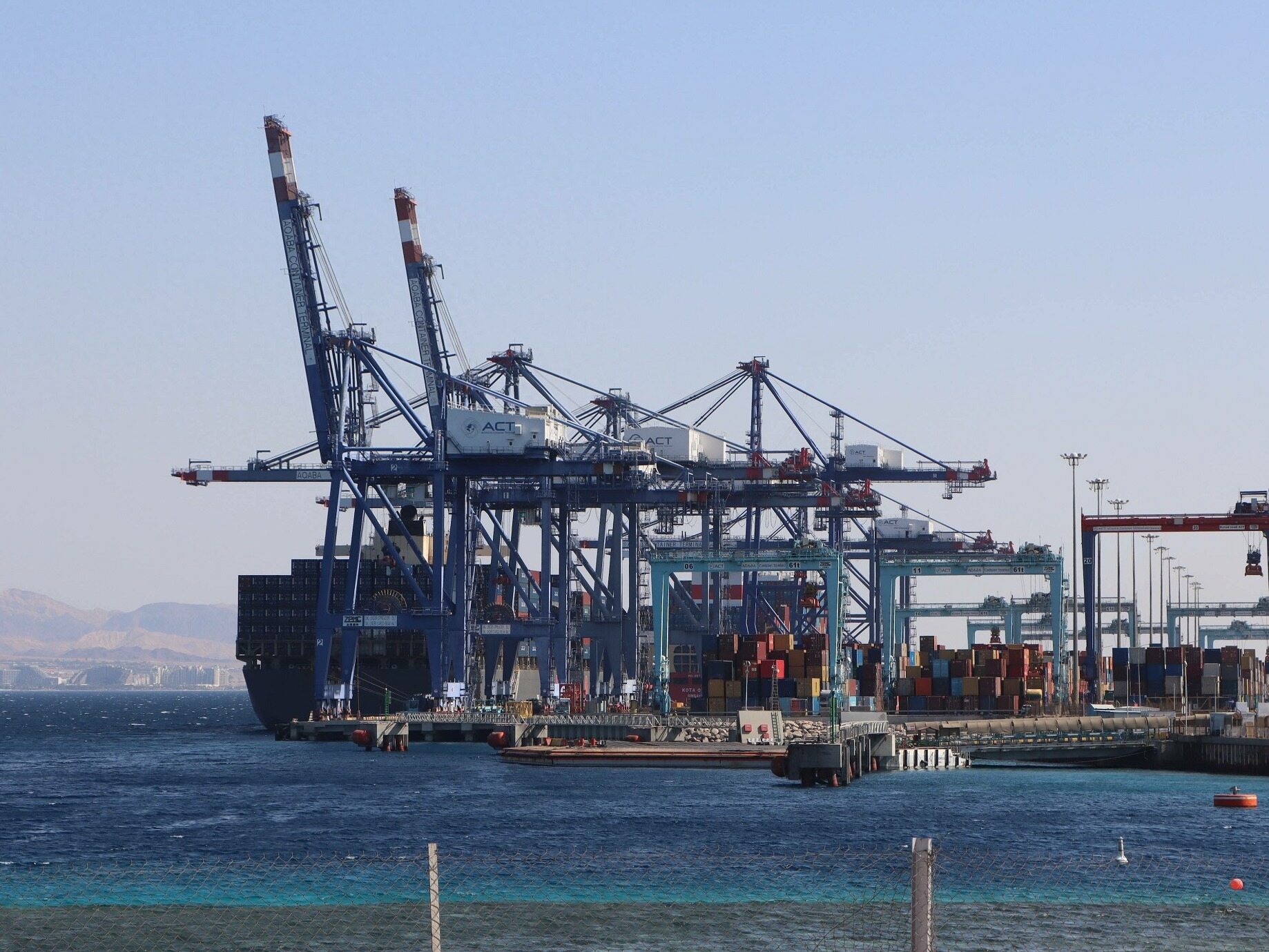
Pakistan relies on the Sustegan Port and adopts the TIR mode of international road transportation to send the first batch of cross-border goods from the Karachi Free Economic Zone to Kyrgyzstan. Based on the four party transit transportation agreement, the 3300 kilometer Bishkek Karachi trade corridor has completed its first two-way commercial freight transport, and Kyrgyz enterprises have successfully exported minerals, textiles, and other materials to Pakistan. In addition, Hemani Group relied on Pakistan's single window electronic customs system to complete the cross-border transportation of 23.9 tons of goods to Kyrgyzstan. This new cross-border logistics system further expands the coverage of the international TIR transportation system, promotes the internationalization of Pakistan's smart customs system, and achieves fully electronic and efficient cross-border customs clearance processes.Editor/Gong Ziwei
Comment





 Praise
 Collect
 Comment

 Share
Share


Write something~