 Search


- From mining and selling raw materials to producing steel and glass, Chinese investment is reshaping Tajikistan's industrial landscape
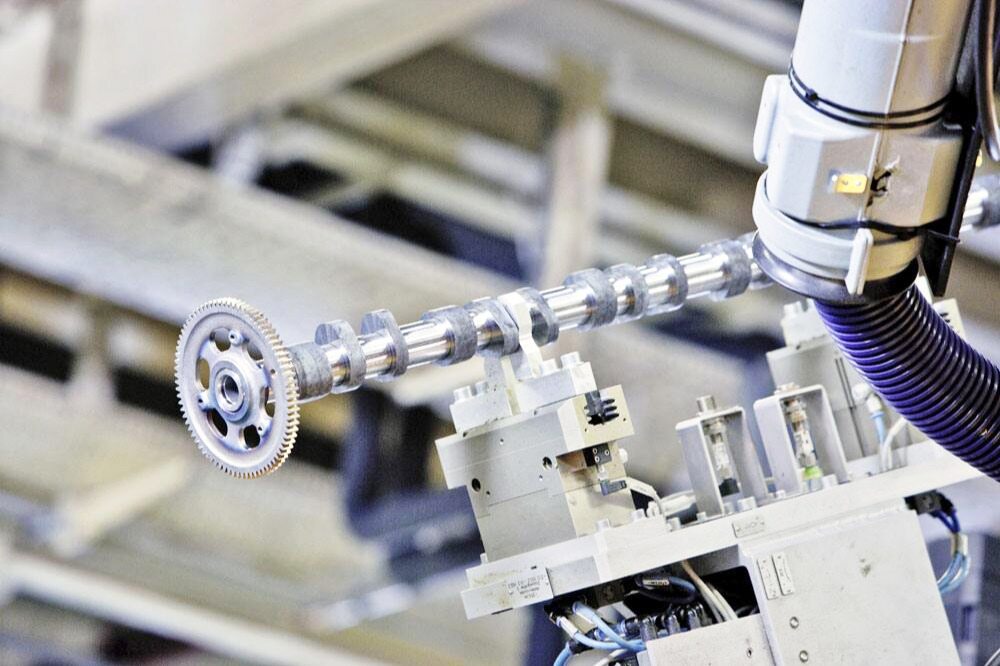
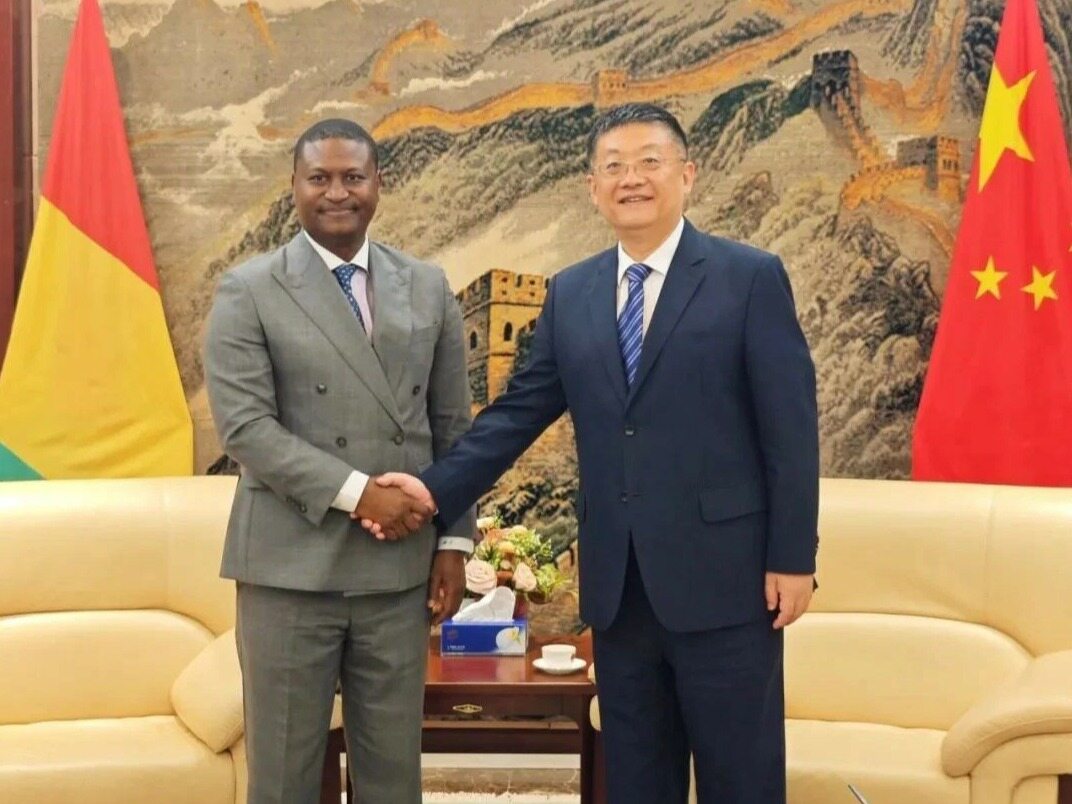
In the factory in Dushanbe, the roar of machines drowned out the wind in the valley. At a workshop in Bobojong Jaffrov District, Sogdian, workers are staring at the newly debugged production line. This is not only an update of equipment, but also a manifestation of Tajikistan's industrial dream. Recently, President Rahmon's talks with representatives of Chinese metallurgical companies have made the industrial upgrading path of this landlocked country increasingly clear.
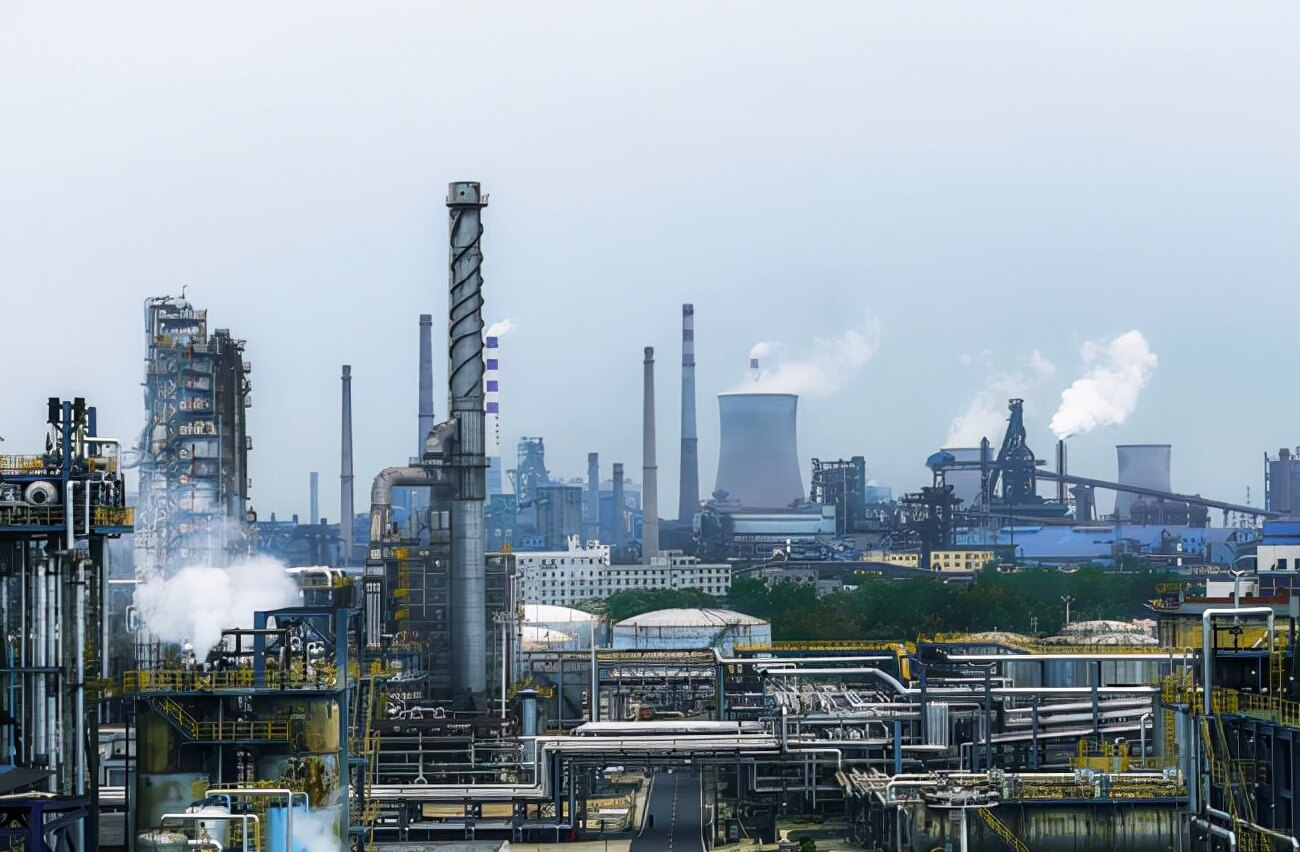
Further upgrade of metallurgical cooperation
At the meeting table, the sparks of black metallurgy intertwined with the blueprint of the building materials industry. Both sides are no longer limited to traditional resource extraction, but have turned their attention to the deep processing of steel smelting, as well as the extension of the building materials industry chain such as cement, lime, and glass. The introduction of modern manufacturing technology means that Tajikistan will have the ability to produce products with higher added value, breaking the single structure of primary raw material exports. For Tafang, which urgently needs to expand industrial exports and enhance manufacturing competitiveness, this is undoubtedly a crucial leap forward.
Investment holds up half the sky
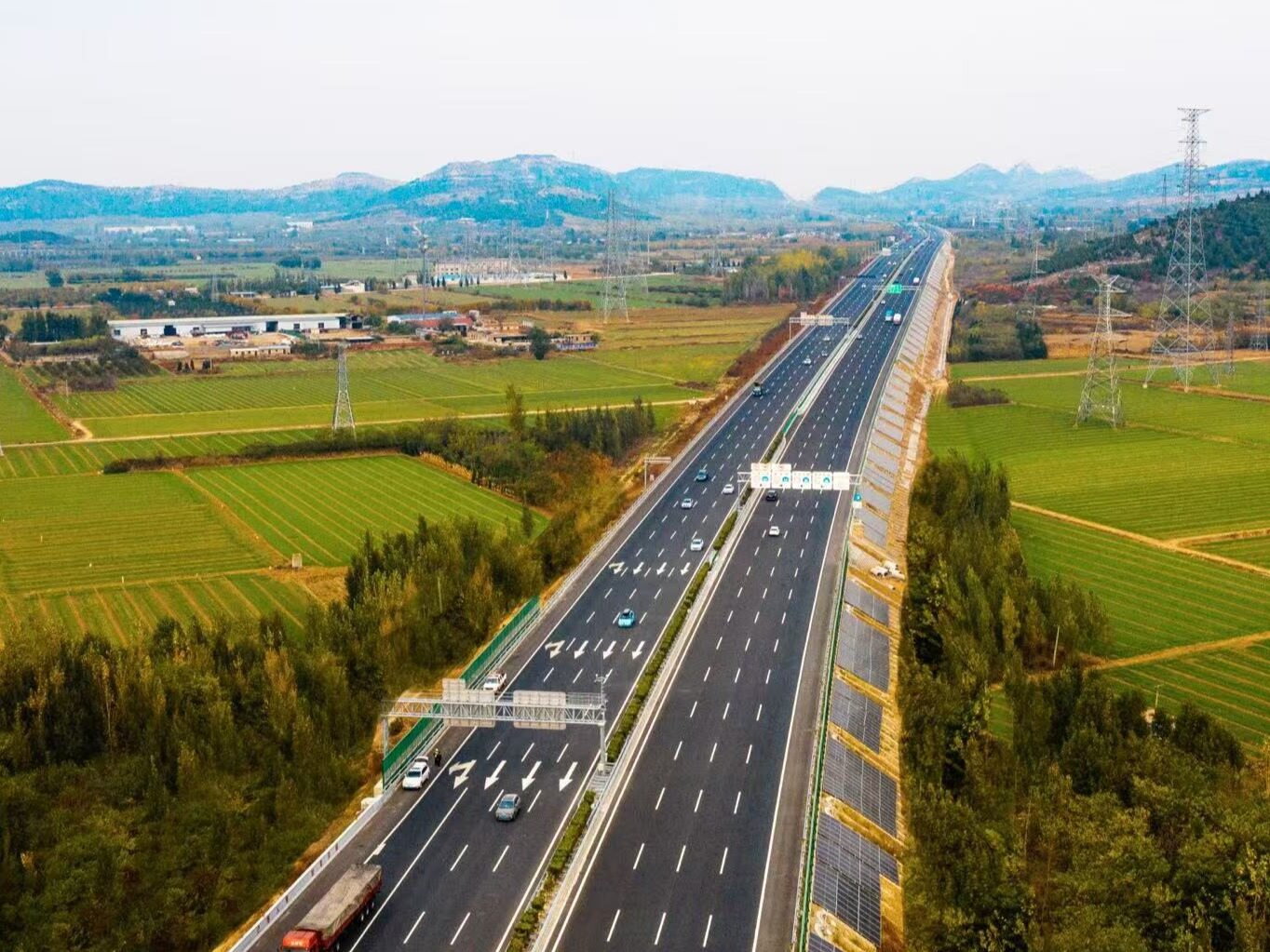
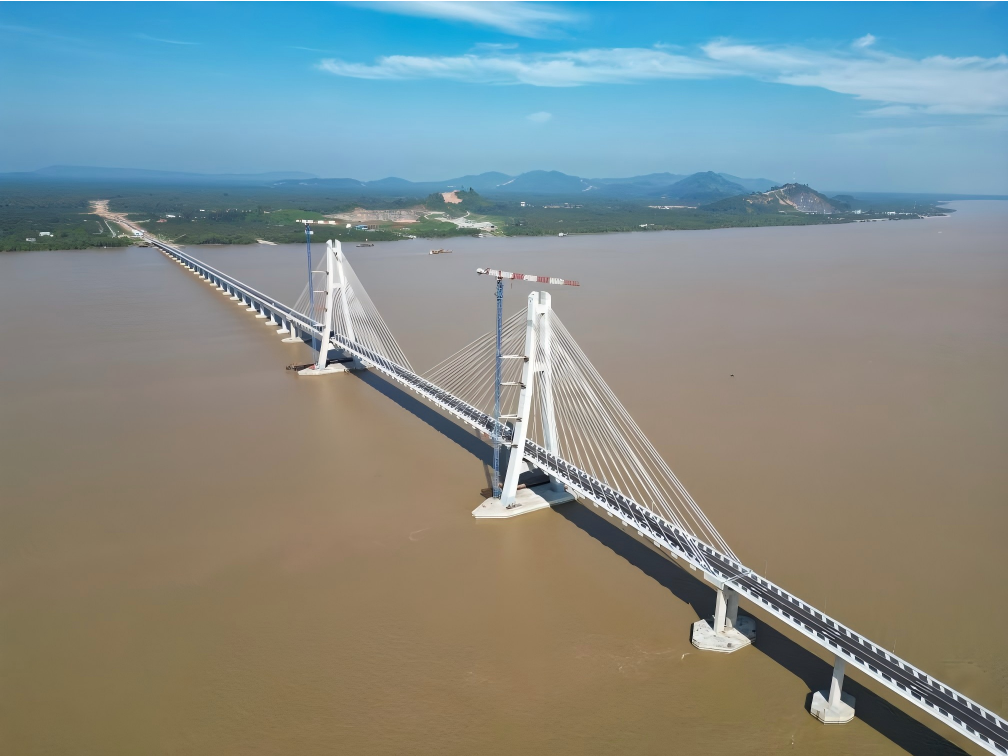
Data is silent, but it is the most powerful. China has firmly become Tajikistan's largest source of investment, largest trading partner, and largest source of foreign investment in the industrial sector. By 2025, China's direct investment in Tajikistan will reach $294.1 million, accounting for 57.7% of the country's total foreign direct investment for the year; The bilateral trade volume in the same year was about 4.3 billion US dollars. Entering 2026, the momentum is even stronger, with the bilateral trade volume exceeding 790 million US dollars in the first quarter alone, with a year-on-year growth rate exceeding 50%. These funds are like blood, nourishing the body of the local mining, metallurgy, cement, and transportation infrastructure.
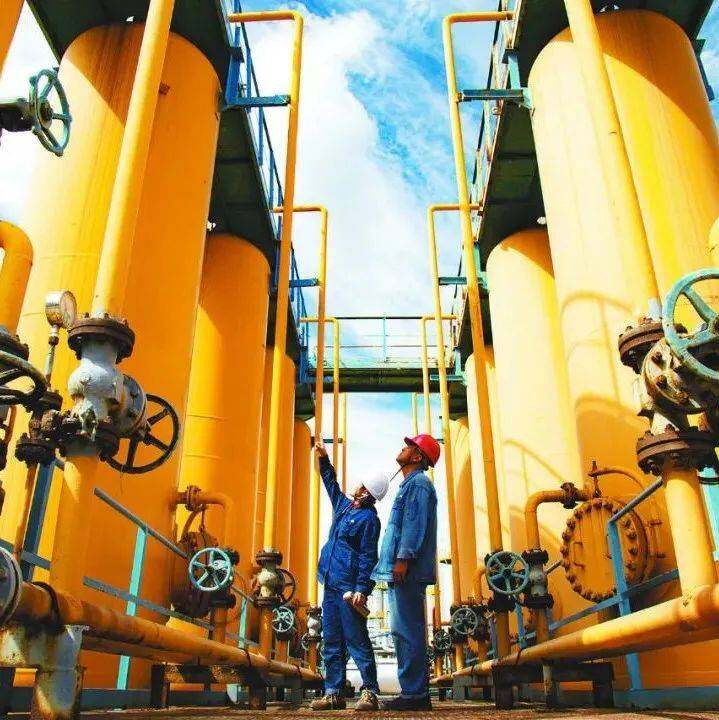
High end manufacturing opens up a new journey
In May 2026, Rahmon's visit to China brought back not only friendship, but also tangible industrial cooperation agreements. The Permanent Treaty of Good Neighborliness, Friendship and Cooperation signed by both sides has laid a solid foundation for technology transfer and industrial upgrading. From deep processing of mineral products to value-added utilization of resources, China Tajikistan cooperation is steadily climbing towards the high-end of the value chain. With Tajikistan's increasing emphasis on attracting investment in the manufacturing industry, the role of Chinese enterprises has also shifted from builders to technology enablers, helping local industries transform from low-end manufacturing to a modern industrial system.Editor/Yang Meiling
Comment



 Praise
 Collect
 Comment

 Share
Share


Write something~