 Search


- This Eurasian artery is undergoing a transformation from policy driven to market driven
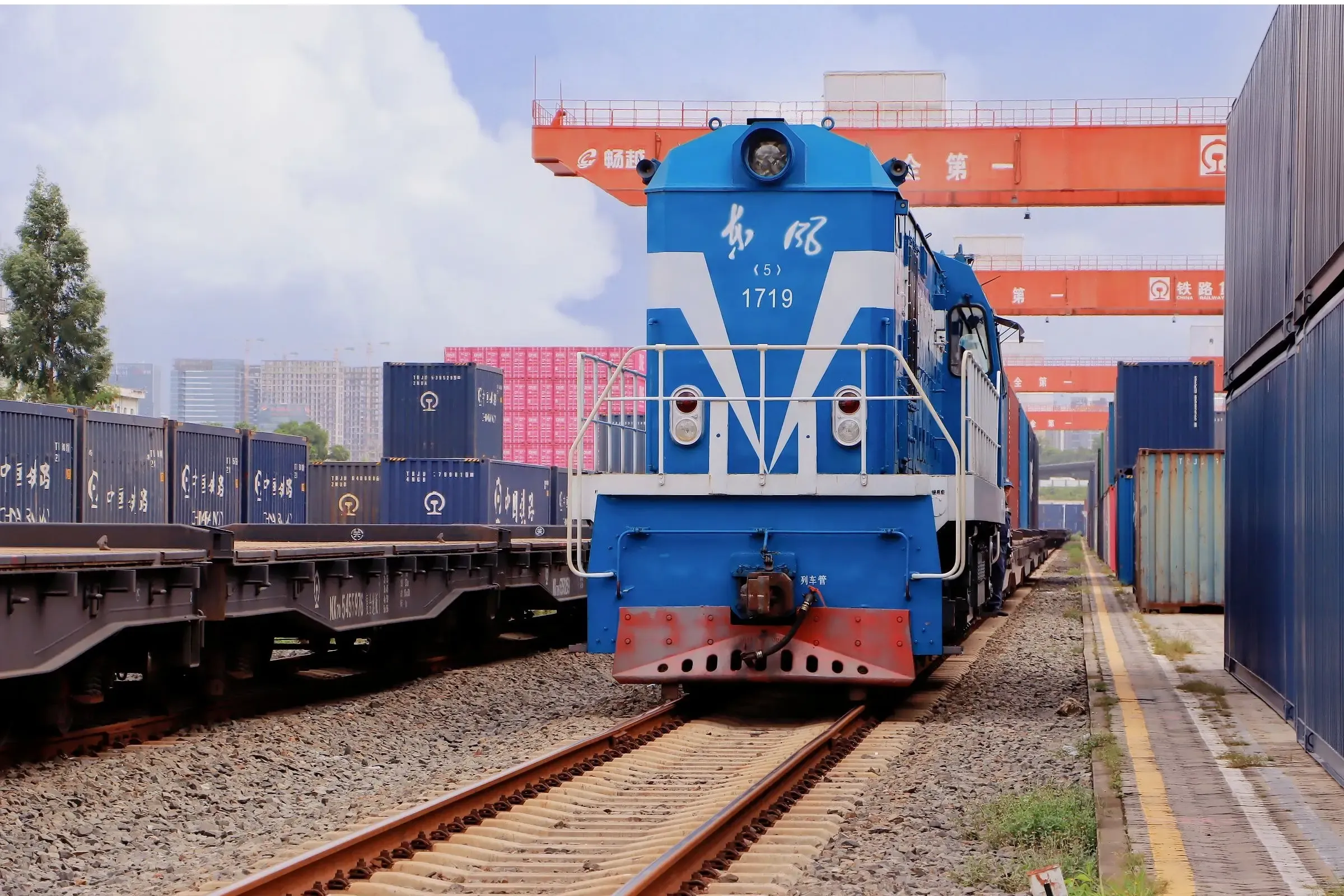
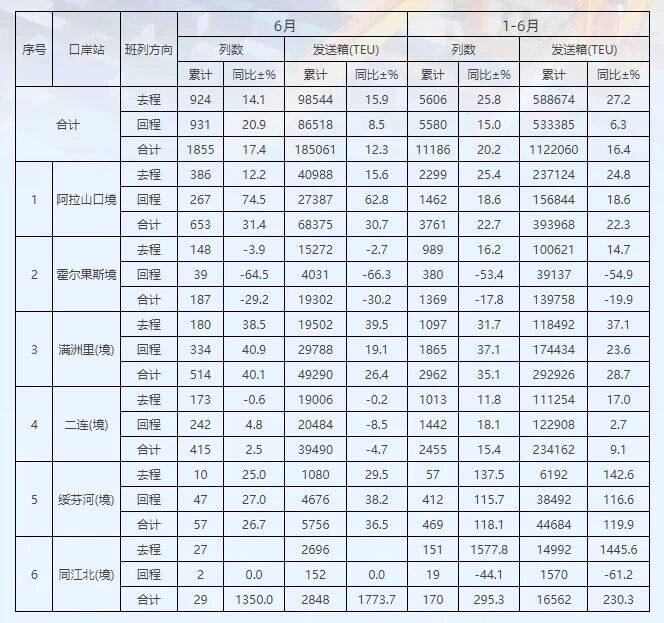
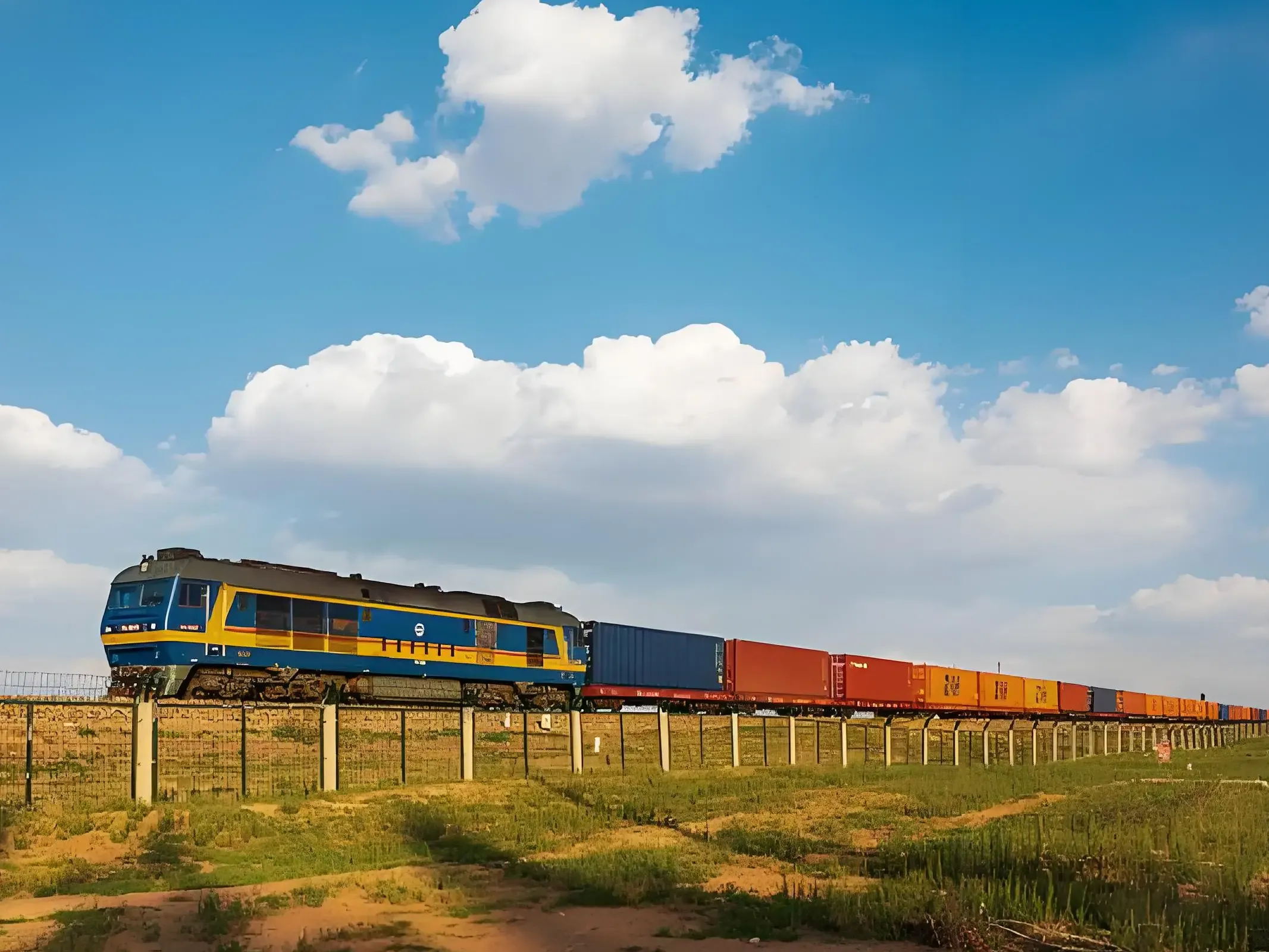
In the first half of 2026, a total of 11186 China Europe freight trains were operated at the six major ports, sending 1.122 million TEUs of goods, a year-on-year increase of 16.4%. Alashankou Port continues to lead, followed closely by Manzhouli. In the past decade, the annual operating volume has increased more than tenfold, and the China Europe freight train is moving from policy driven to market-oriented operation.
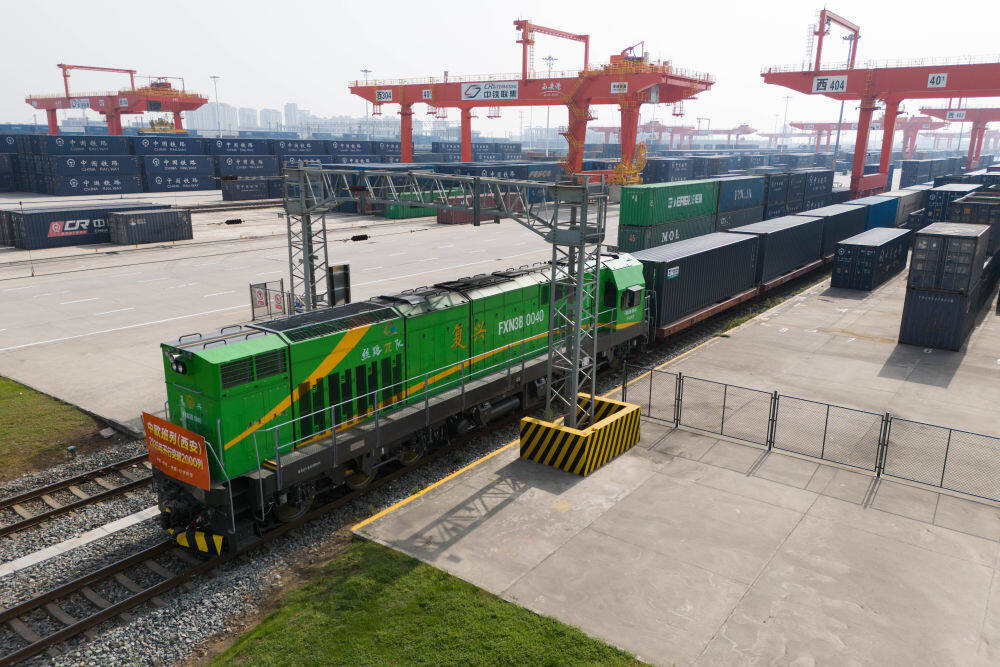
Alashankou leads the way
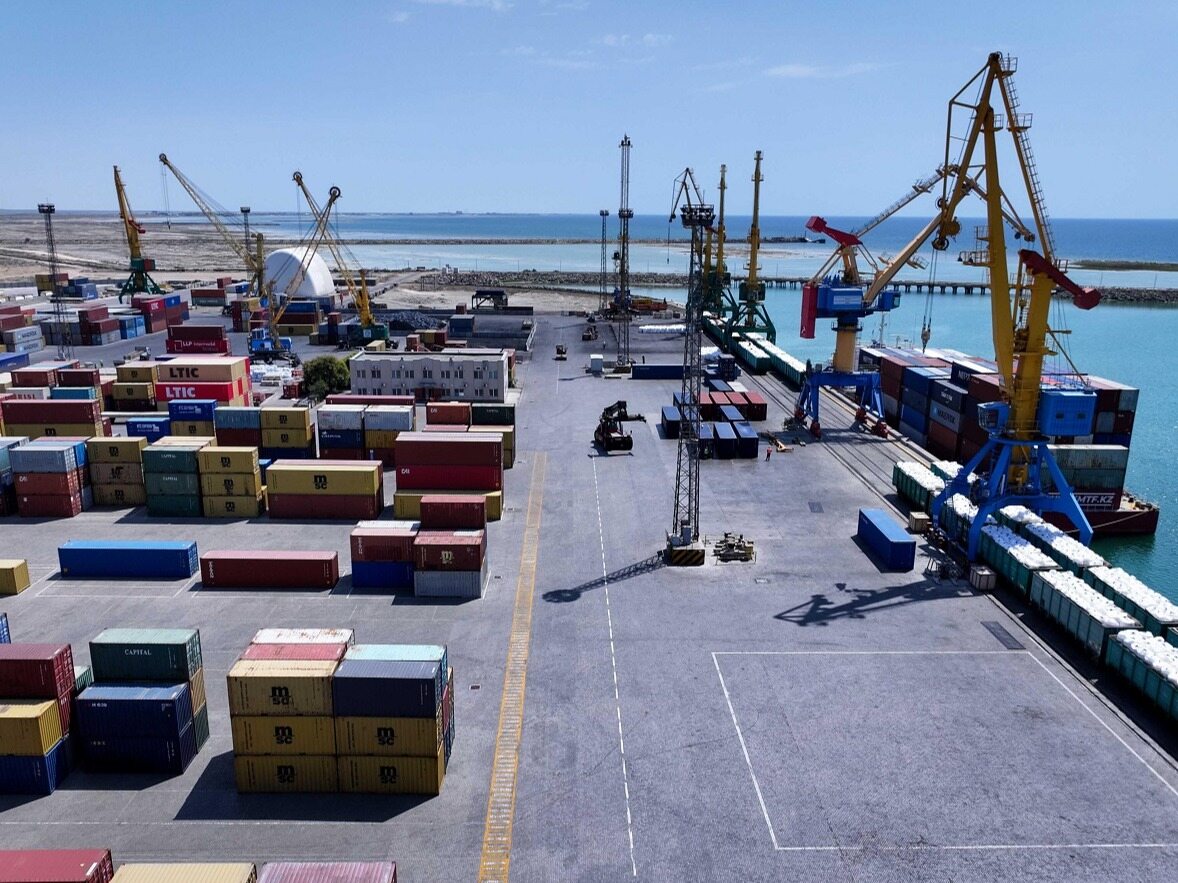
In the first half of the year, the Alashankou Port operated 3761 China Europe freight trains, sending 393968 TEUs of goods, ranking first among the six major ports in both indicators. As of June 14th, the port has surpassed 4000 major checkpoints one month ahead of schedule, with 128 routes covering 21 countries including Germany and Poland. Manzhouli Port operates 2962 trains and 292926 TEUs of goods, ranking second. In June, a total of 1855 trains were operated at the six major ports, sending 185061 TEUs of goods, including 653 trains at Alashankou and 514 trains at Manzhouli.
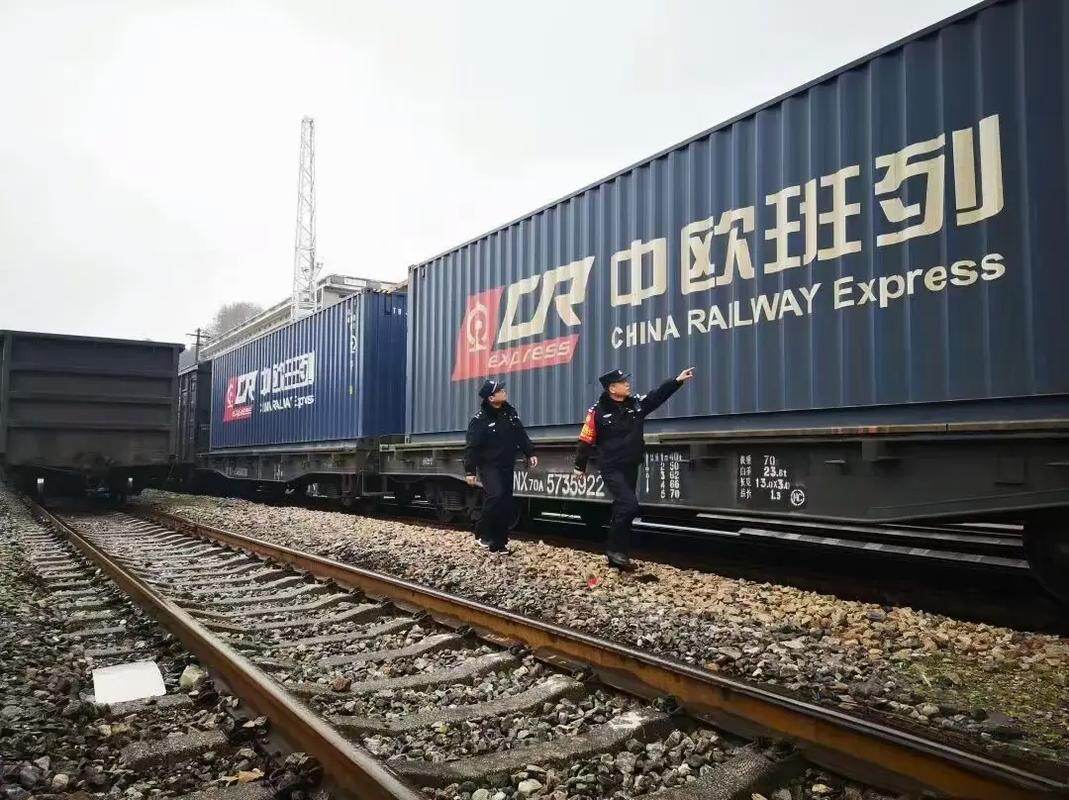
According to data from China Railway Group, the total number of China Europe freight trains in the first half of the year was 11178, a year-on-year increase of 20%. On June 10th, it surpassed the threshold of 10000 trains and one million TEUs, setting a new historical high for the same period.
From column 1702 to column 20022
June 2026 marks the tenth anniversary of the unified branding of the China Europe freight train. The annual operating volume has increased from 1702 trains in 2016 to 20022 trains in 2025, a growth of 10.8 times in ten years.
At present, the China Europe freight train has reached 236 cities in 26 European countries, with a domestic operating speed of 1600 kilometers per day, which is one-third faster than traditional intermodal transportation; The whole schedule routes have been continuously densified, and the whole schedule routes of Alataw Pass and Khorgos have increased to 4. The category of goods has expanded from IT products such as mobile phones and computers in the early stages of operation to 53 categories and over 50000 types of goods, including automotive parts, mechanical equipment, and daily necessities.Editor/Cheng Liting
Comment


 Praise
 Collect
 Comment

 Share
Share


Write something~