 Search


- The first unit of Lupur Nuclear Power Plant will be connected to the grid in August
- The reason for Bangladesh's shift towards small modular reactors is very direct: no longer bearing the long-term debt pressure brought by billion dollar projects
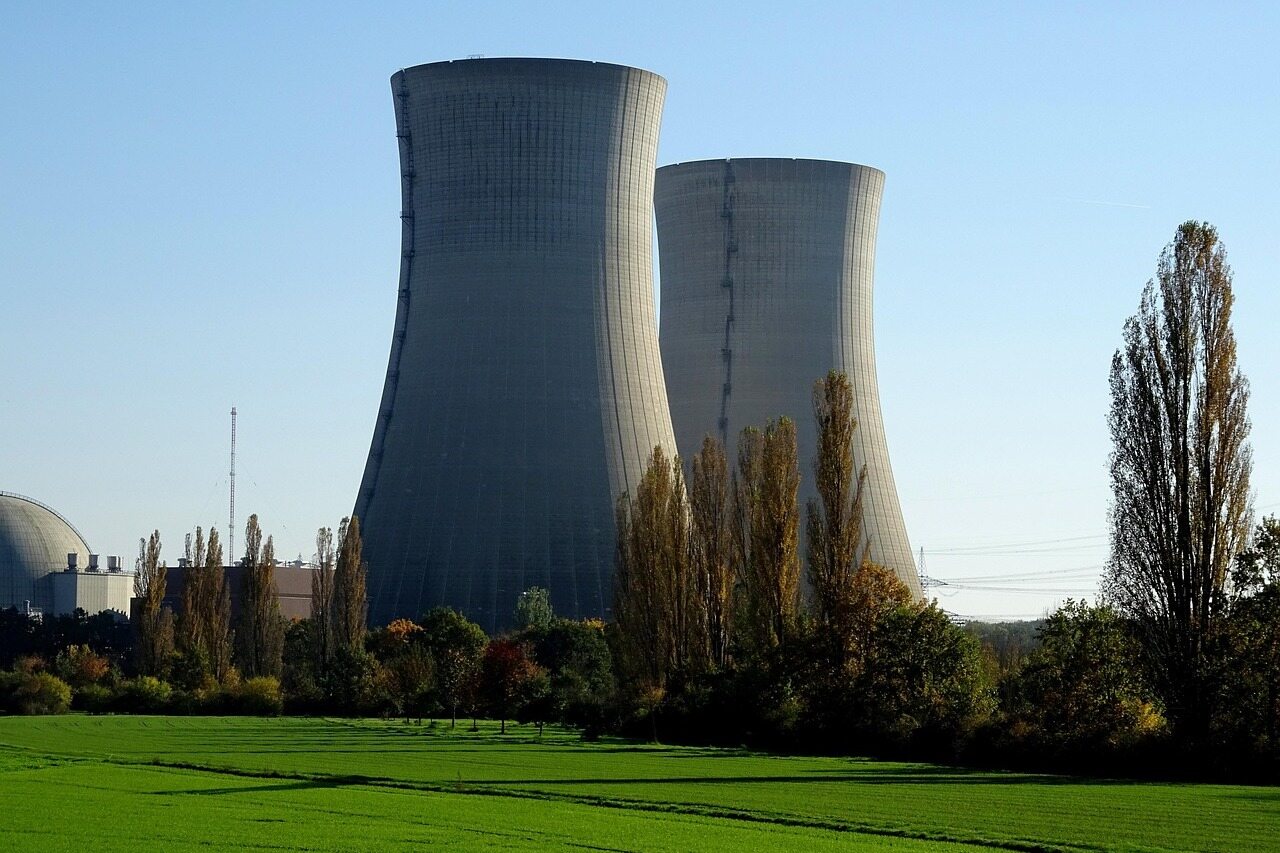
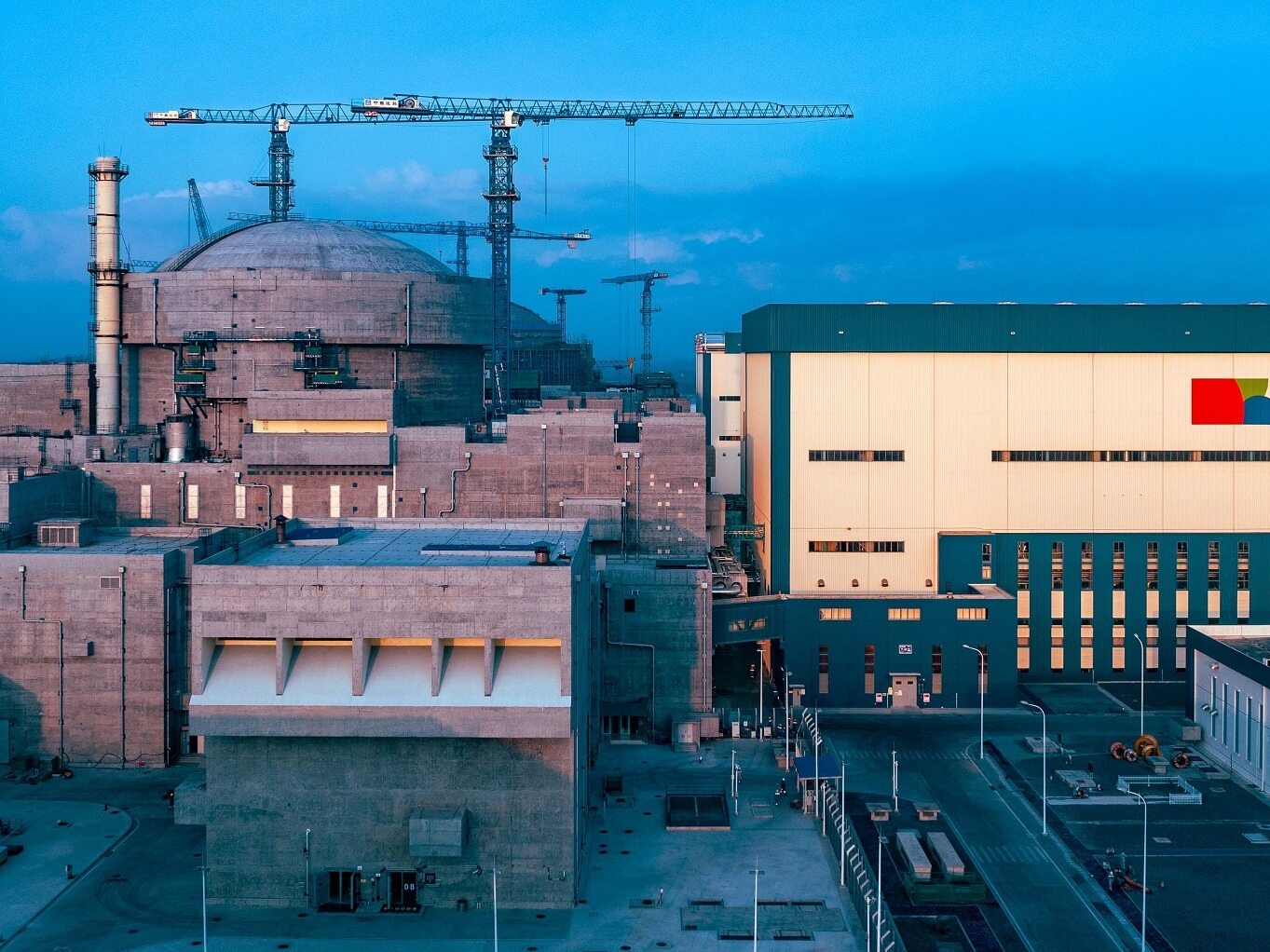
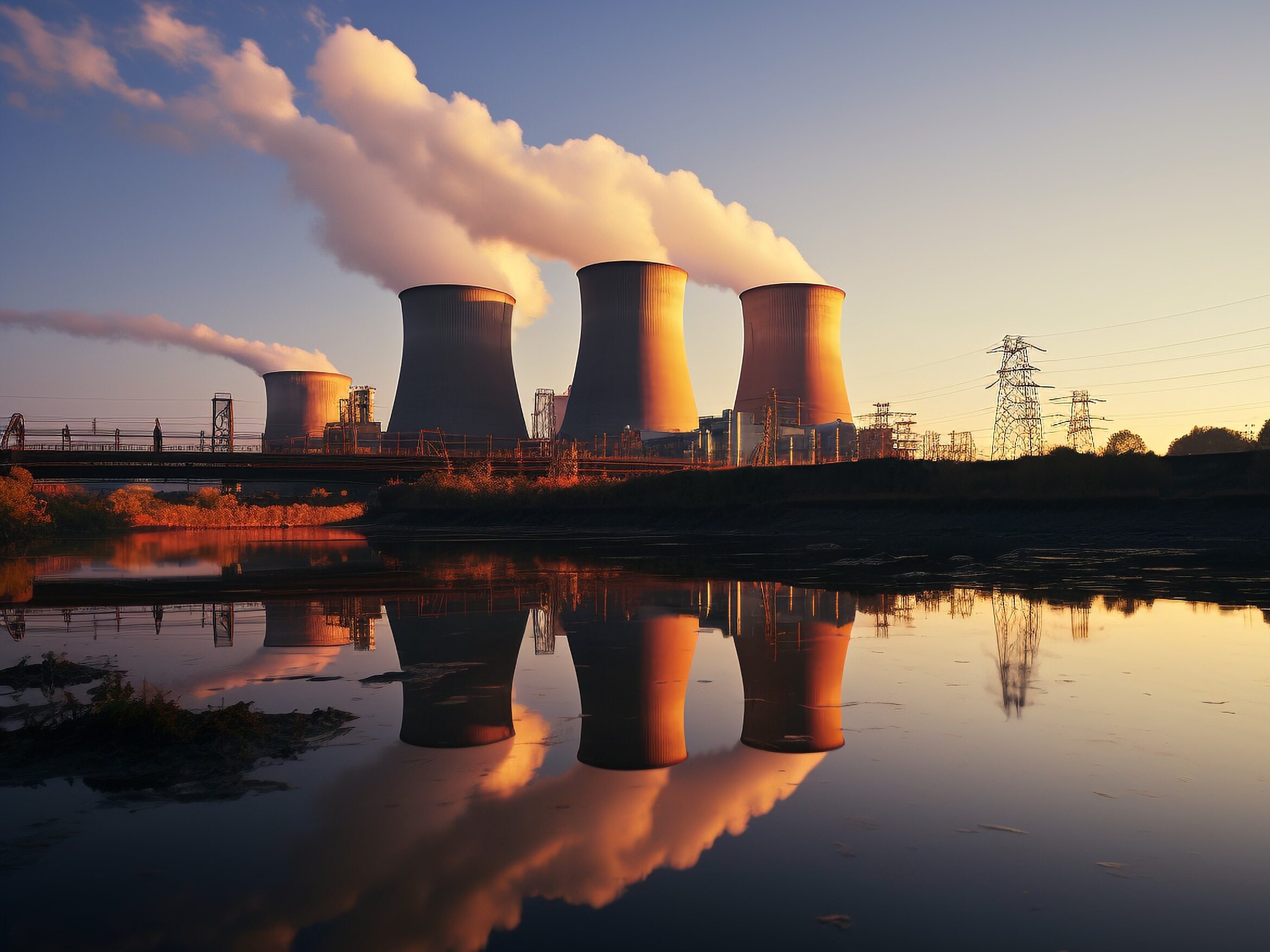
The first unit of the $12.65 billion, 2.4 million kilowatt Rupur Nuclear Power Plant has completed fuel loading and is expected to be connected to the grid for the first time in August. As the largest infrastructure project in Bangladesh's history is about to be put into operation, Dhaka announced that it will no longer build large nuclear power plants and will switch to small modular reactors.
Unit 1 sprints towards grid connection, Unit 2 follows suit
The Rupur Nuclear Power Plant is located 160 kilometers west of the capital Dhaka and is constructed by Rosatom, Russia. It is equipped with two VVER-1200 reactors and has a total installed capacity of 2.4 million kilowatts. On April 28, 2026, all 163 sets of nuclear fuel assemblies for Unit 1 were loaded, and the Bangladesh Nuclear Regulatory Authority issued an operating license on April 16. Rosatom stated that the next step will be to achieve first criticality and gradually increase power. It is expected to deliver about 300 megawatts of electricity to the grid in August and be fully operational in early 2027; Unit 2 plans to complete fuel loading by 2027 and ensure stable operation of the entire plant by 2028.
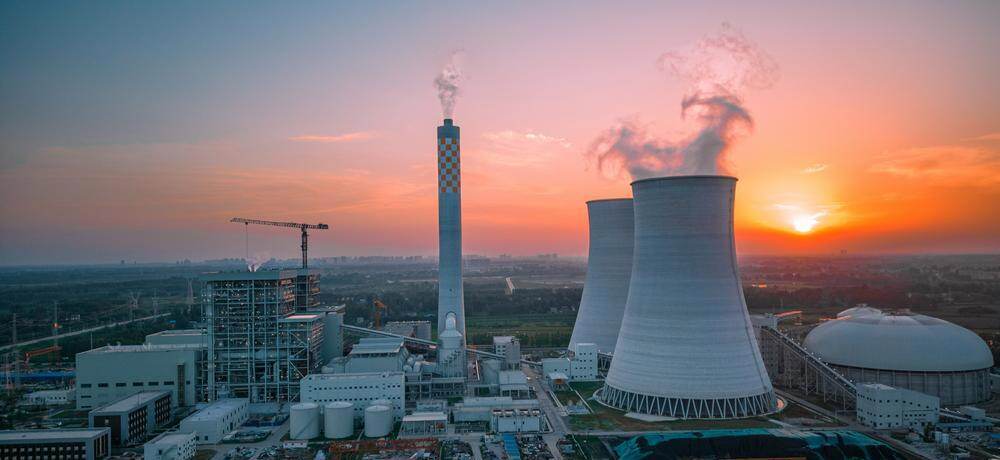
However, project delays and cost overruns have always been closely related. Western sanctions and exchange rate fluctuations have led to a 25% increase in project costs, causing delays of nearly a decade from initial planning to production. The Bangladesh Power Development Board has accumulated arrears of approximately 523 billion taka (equivalent to approximately 4.8 billion US dollars) in electricity bills for power plants and imports, of which about 800 million US dollars are owed to India's Adani power plant. Adani has reduced its power supply scale as a result, and the power plant currently supplies about 10% of Bangladesh's base load electricity.
Transitioning from large-scale nuclear power to SMR
After being put into operation, Rupur can meet 10% to 12% of the country's electricity demand, but the Minister of Electricity, Energy and Mineral Resources of Bangladesh has made it clear that there will be no further construction of large nuclear power plants due to significant debt. The country is shifting towards small modular reactors with a single capacity of 300 to 400 megawatts and a cost of 500 million to 1 billion US dollars. Potential suppliers include Rolls Royce from the UK and Chinese manufacturers, which can be quickly deployed along the riverbank. Keywords: nuclear power plants, energy strategy
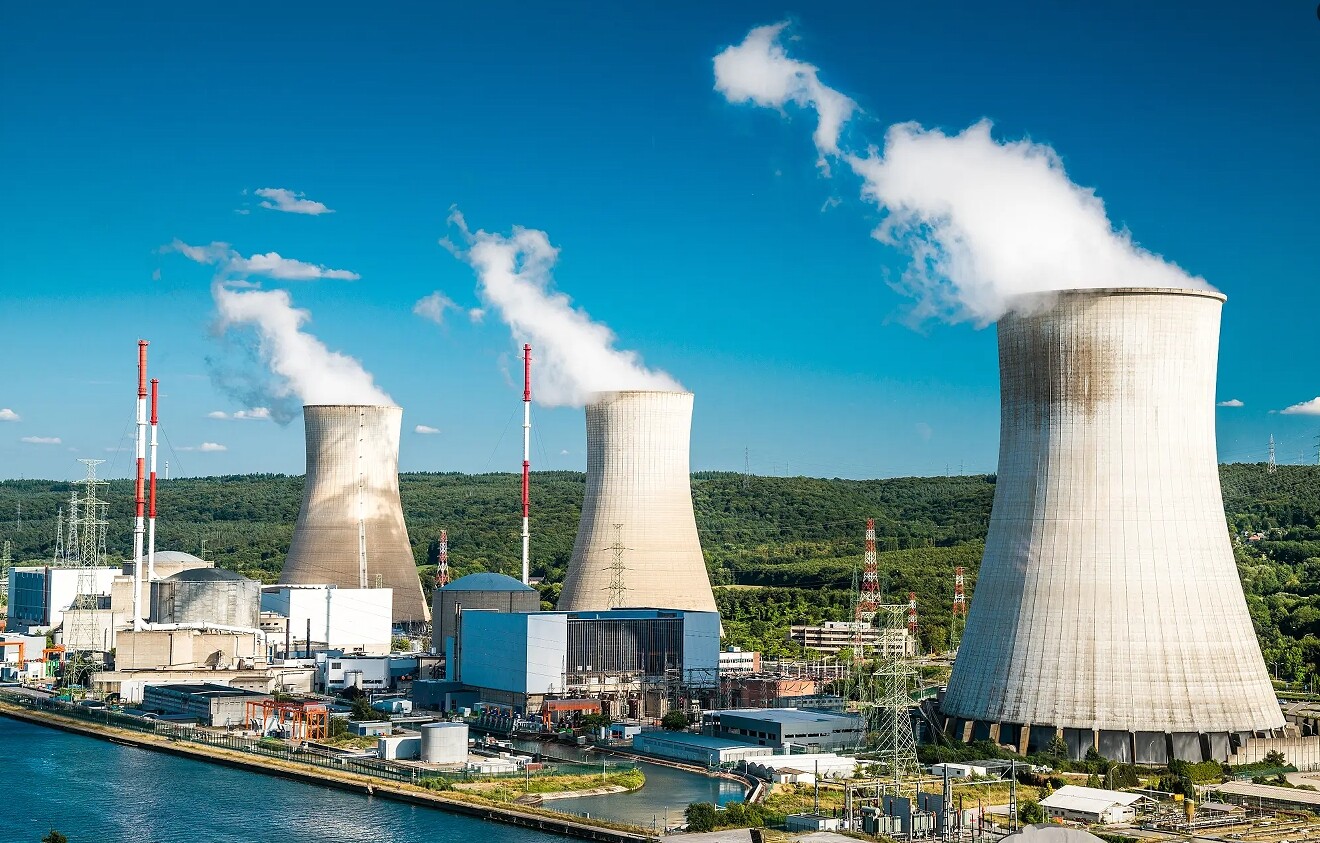
Bangladesh is trying to use SMR to find a lighter and more decentralized energy route from the triple shackles of relying on Russia's large-scale nuclear power, India's imported electricity, and LNG.Editor/Cheng Liting
Comment

 Praise
 Collect
 Comment

 Share
Share


Write something~