 Search


- Romania's Chernavad Nuclear Power Plant Unit 1 Renovation Project Received Strong Financial Support Again
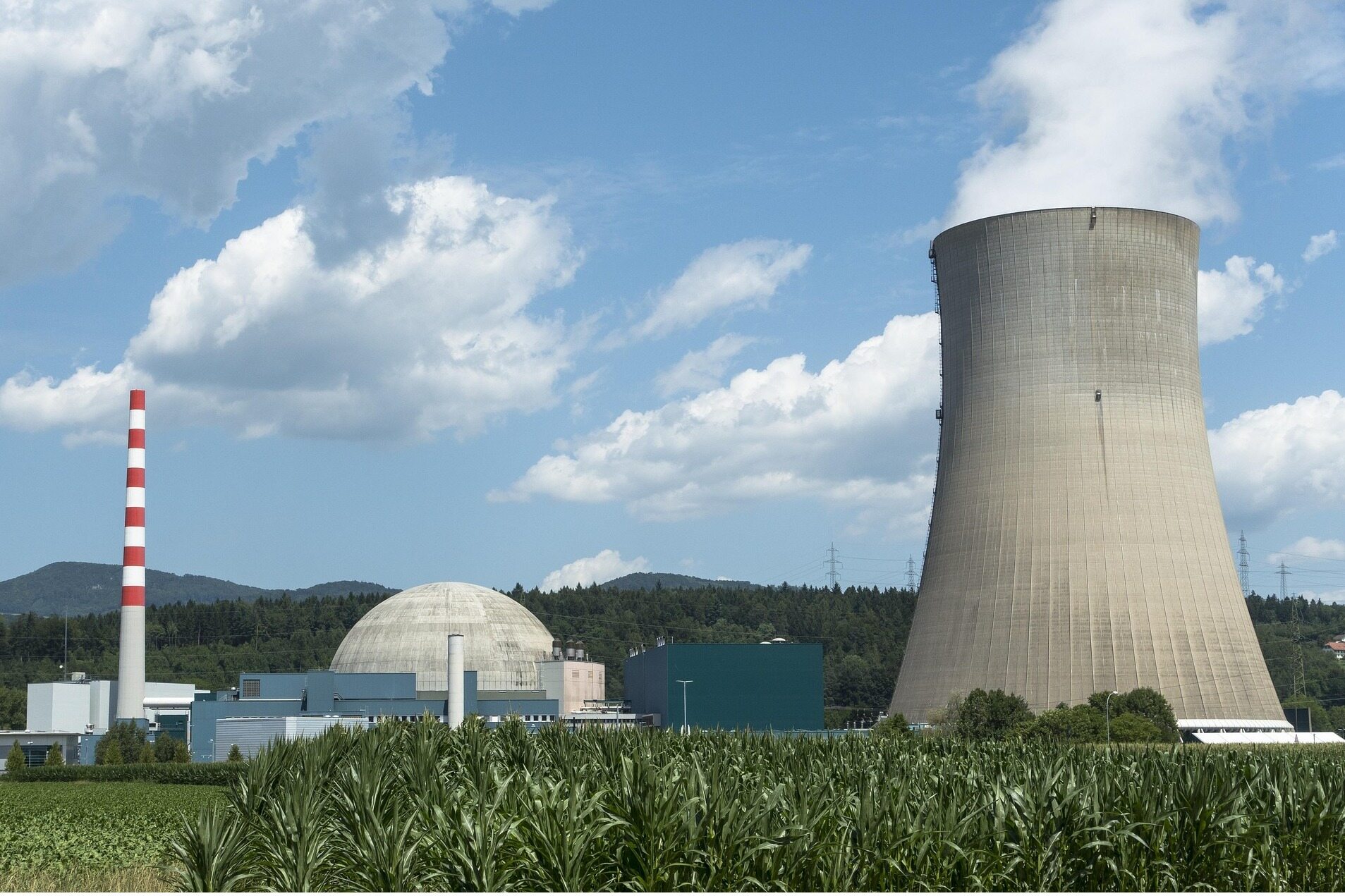
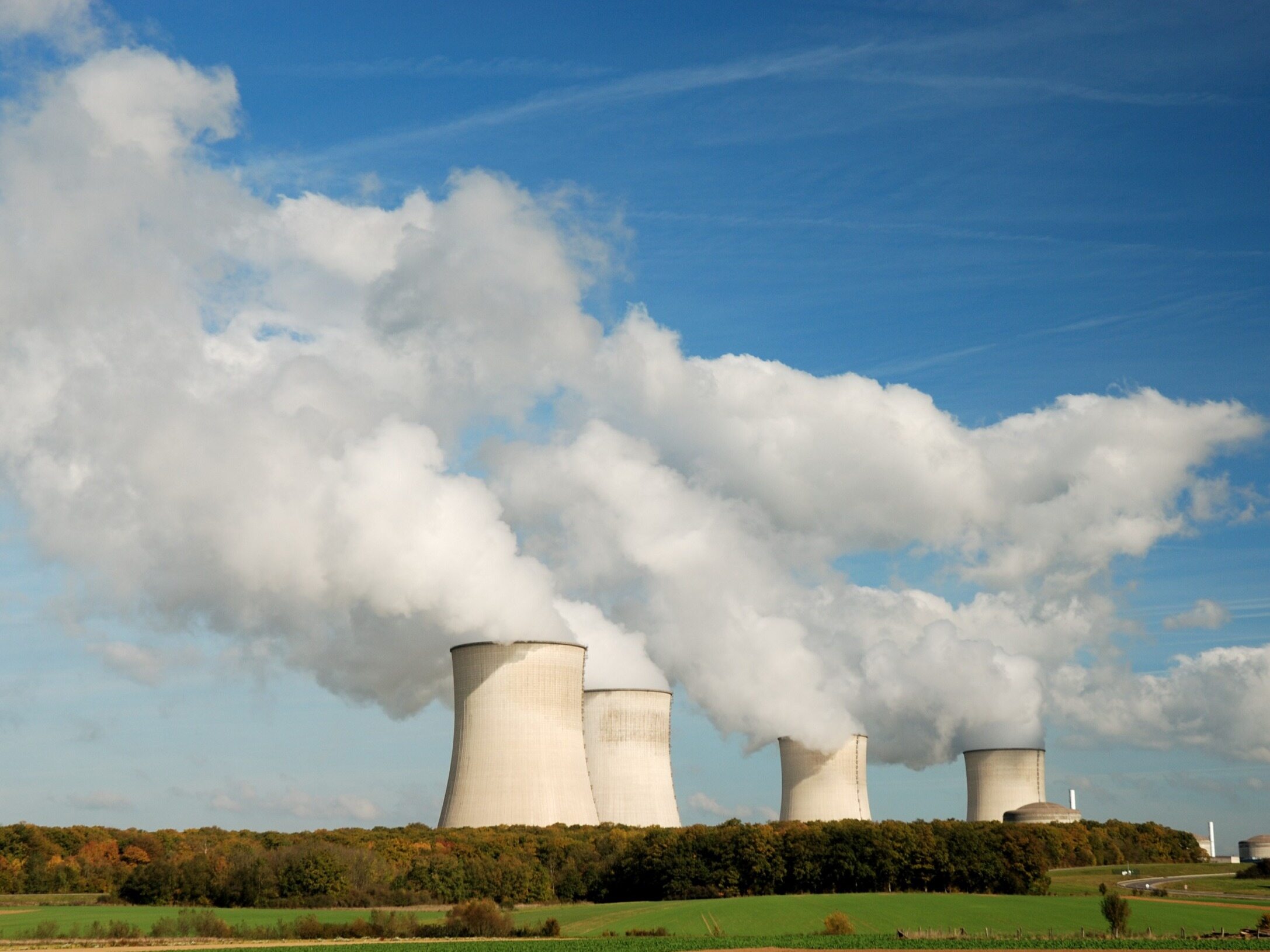
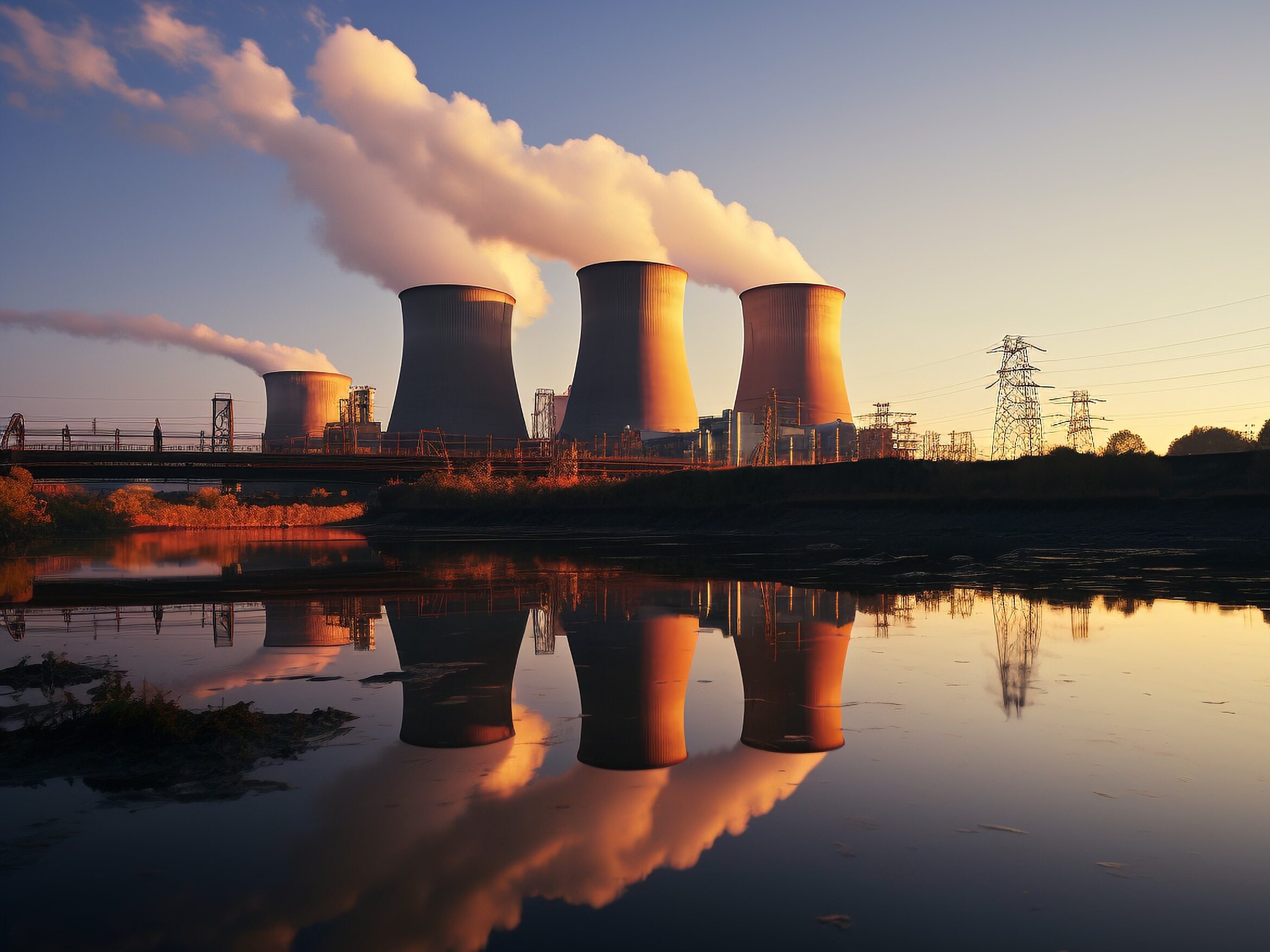
On July 15, 2026, the Board of Directors of the European Investment Bank approved a loan of 800 million euros to Romania's state-owned nuclear power company, Nuclealelectrica, for the renovation of Unit 1 of the Chernavad Nuclear Power Plant. This financing is a historic and significant financial support for Romania's nuclear energy sector.
Since its commissioning in 1996, Unit 1 has accumulated over 150 million megawatt hours of safe power generation, reduced 145 million tons of carbon dioxide emissions, and maintained a capacity factor of over 90% for a long time, ranking among the top three CANDU units in the world. Now, this set of data is about to be rewritten.
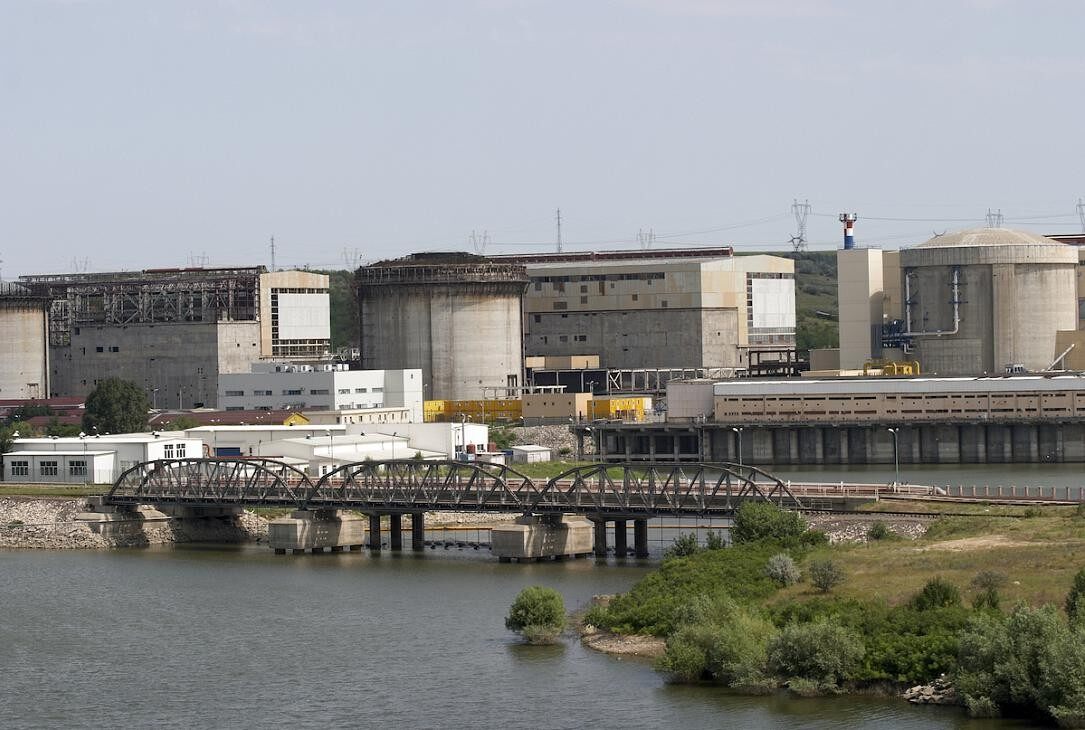
Two stage financing puzzle completed
The total cost of the renovation project is about 1.9 billion euros, adopting a diversified financing strategy: a 540 million euro loan led by JPMorgan Chase has been signed in September 2025, and the 800 million euro EIB loan will be used as the core funding for subsequent construction, which still needs to be submitted to the shareholders' meeting for final review. The project is currently in the second phase of implementation, covering license acquisition, engineering service contracting, equipment procurement, and remaining financing implementation. Civil construction has started in 2025.
The third phase is scheduled from 2027 to 2030, during which the unit will shut down for core projects such as reactor tube replacement. Commercial operation will resume in 2030, extending the lifespan by 30 years.
Green finance signal landing
After extending its lifespan, the unit will provide approximately 9% of clean electricity to Romania annually between 2030 and 2060, and provide stable base load ballast for intermittent new energy sources such as wind power and photovoltaics. The net profit of Nuclear Electric in 2025 increased by 40.4% year-on-year, and the net profit in the first quarter of 2026 increased by 72% year-on-year, confirming the financial growth and international capital inflows. Keywords: international news, nuclear power
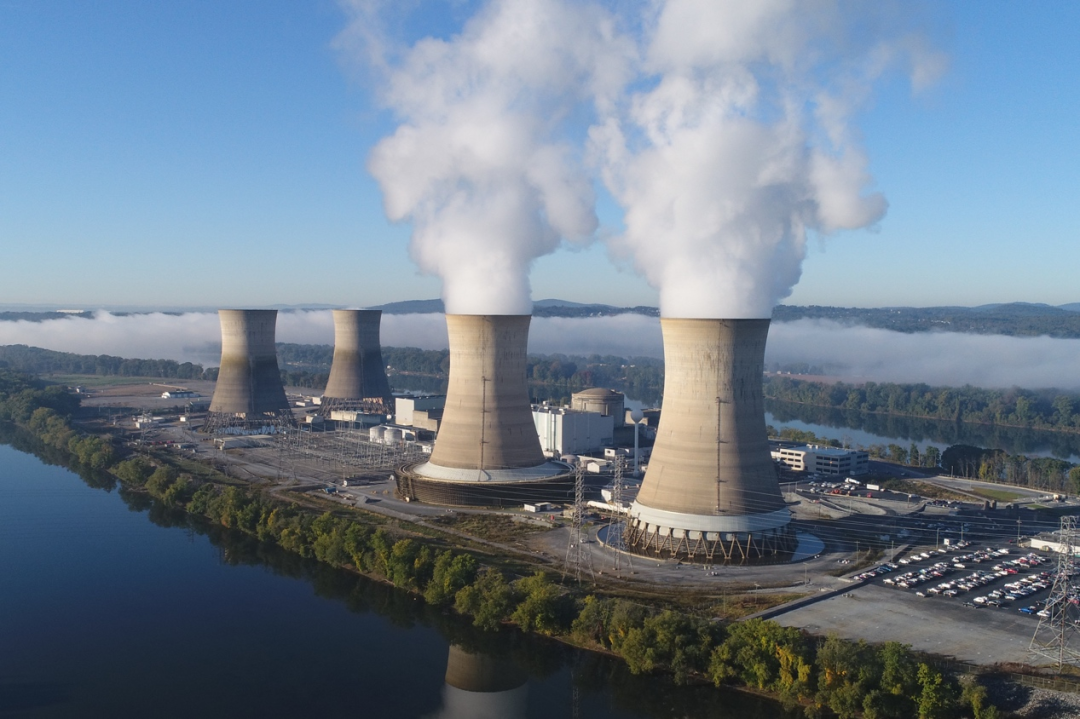
The participation of EIB provides clear endorsement for the compliance of nuclear energy projects under the EU green classification standards, which is conducive to guiding international ESG capital to flow towards the low-carbon energy sector in Eastern Europe. From the cooling tower in Chernward to the decision-making table in Brussels, Europe is redefining the green status of nuclear energy with money.Editor/Cheng Liting
Comment

 Praise
 Collect
 Comment

 Share
Share


Write something~