 Search


- Built a solid ballast stone for energy independence and green transformation in Eastern Europe
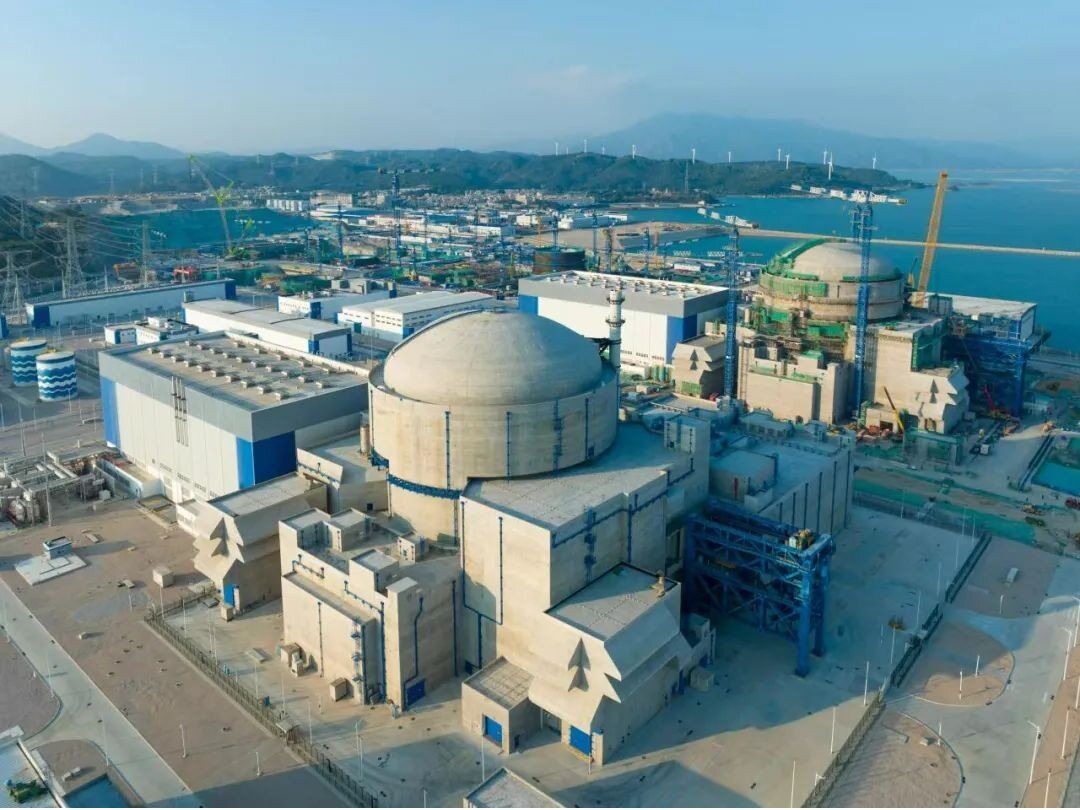
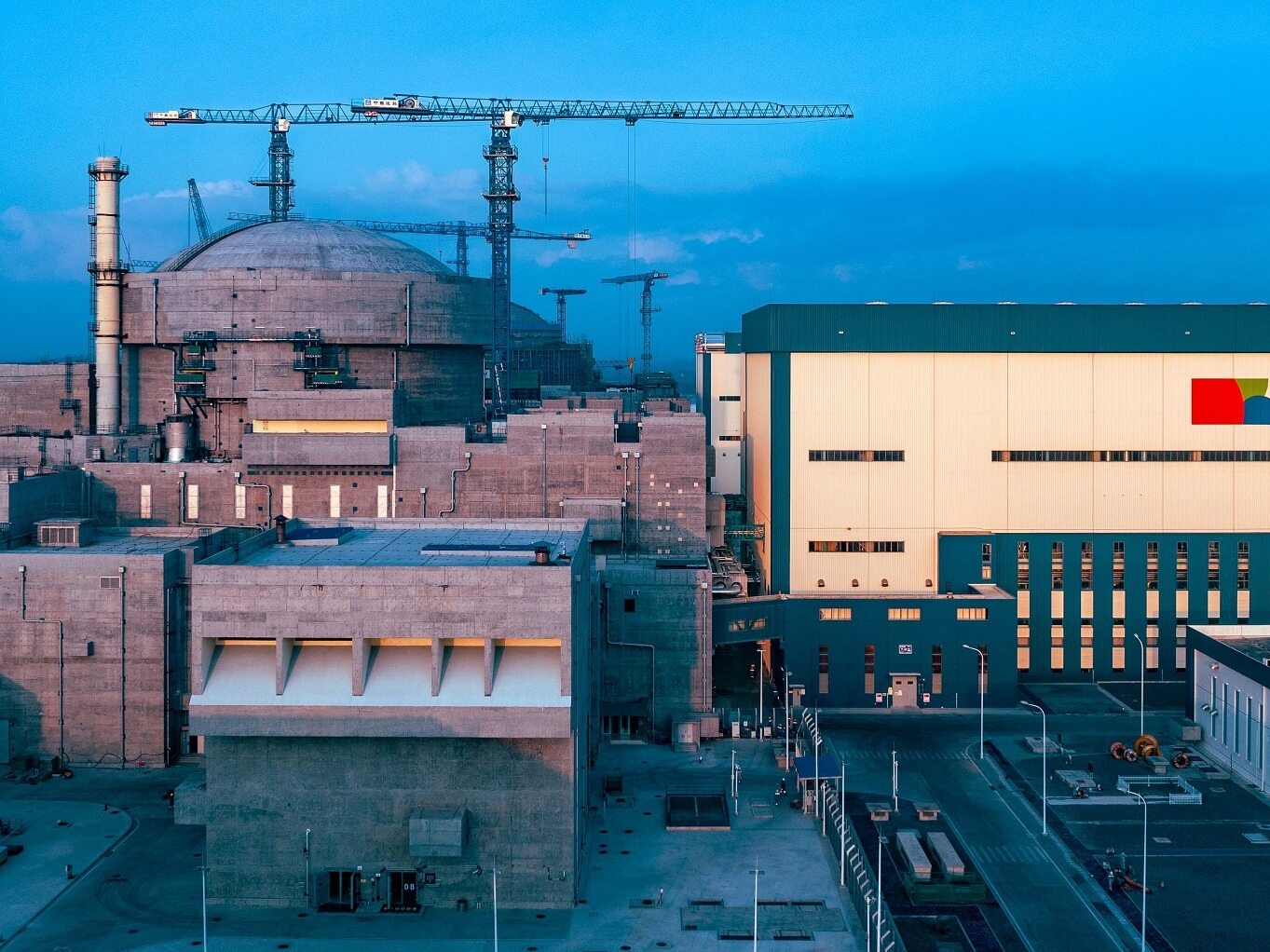
On the banks of the Danube River in Chernavad, a giant building carrying Romania's energy lifeline is ushering in its second life. Since its grid connection in 1996, Unit 1 of the Chernavad Nuclear Power Plant has been operating steadily in wind and rain for nearly thirty years. Now, facing the deep restructuring of the European energy landscape, this meritorious unit is about to embark on a "heart surgery" that will take several years to ensure sustained beating for the next thirty years.
Recently, the Romanian National Nuclear Corporation announced that the European Investment Bank's board of directors has officially approved a loan of up to 800 million euros specifically for the renovation and refurbishment of the unit. This is not only financial support for a single unit, but also a rare large-scale direct financing for civil nuclear energy at the EU level, marking the increasingly stable position of nuclear power in the European green finance map.
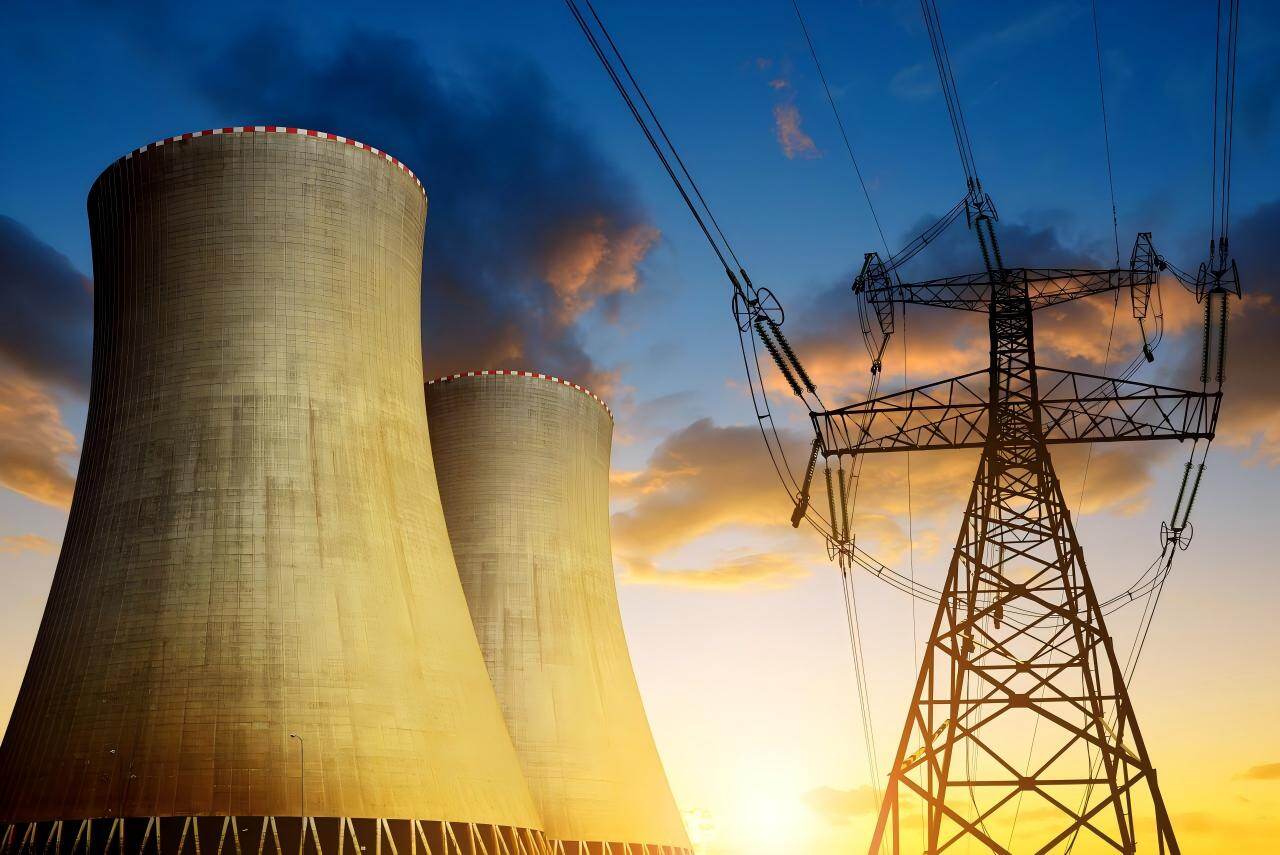
The funding package has been finalized
The receipt of 800 million euros this time injects a stimulant into the comprehensive promotion of the project. Prior to this, project financing had already demonstrated a diversified international perspective. At the end of September last year, a banking consortium led by JPMorgan Chase had already secured a loan of 540 million euros for preliminary preparation work. With the support of Nuclear Electric's own funds, export credit agencies, and the involvement of commercial banks, a hybrid financing structure that combines public and private sectors and has multiple layers of complementarity has already taken shape.
Adequate financial confidence is directly reflected in the financial statements of the enterprise. Against the backdrop of severe fluctuations in the international energy market, Nuclealelectrica has demonstrated astonishing resilience. In the fiscal year 2025, the company's net profit surged by 40.4% year-on-year; Entering 2026, the growth momentum is even more rapid, with a net profit increase of up to 72% in the first quarter. This set of hardcore data provides a solid financial footnote for this costly renovation project.
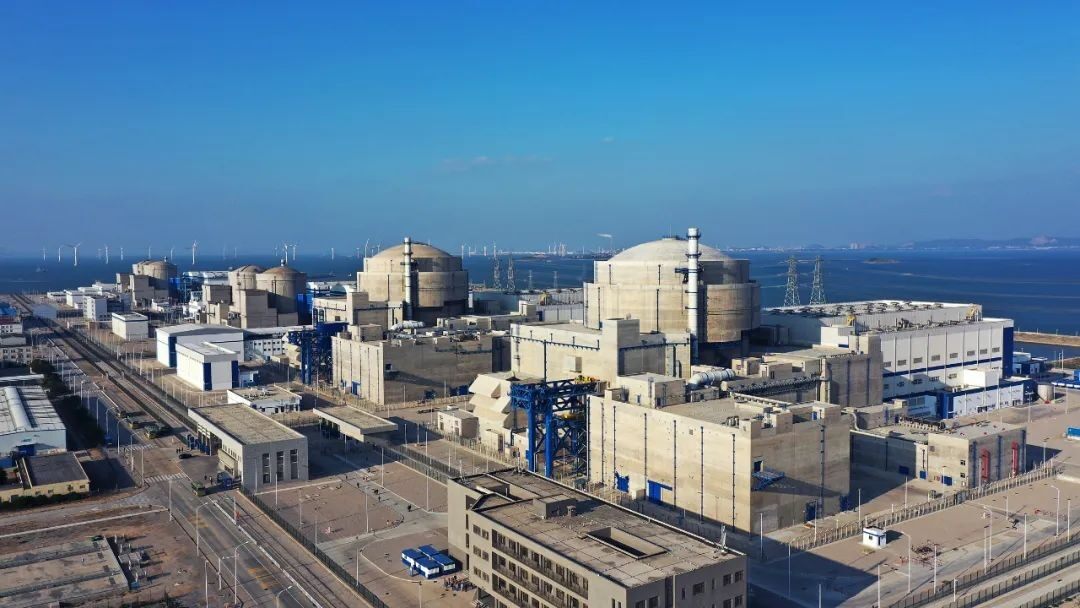
The confidence of the old crew
Why is the capital market so confident in an 'elderly' unit? The data provides the answer. Since its operation, the cumulative power generation of Unit 1 in Chernawad has exceeded 150 million megawatt hours, and more importantly, it has reduced 145 million tons of carbon dioxide emissions. In terms of the core indicator for measuring the operational efficiency of nuclear power plants - the capability factor, this unit has maintained a long-term rating of over 90%, ranking among the top three similar reactors in the world. This outstanding operational history proves its proven safety and economy through practical testing, and also makes investors dare to bet on the future.
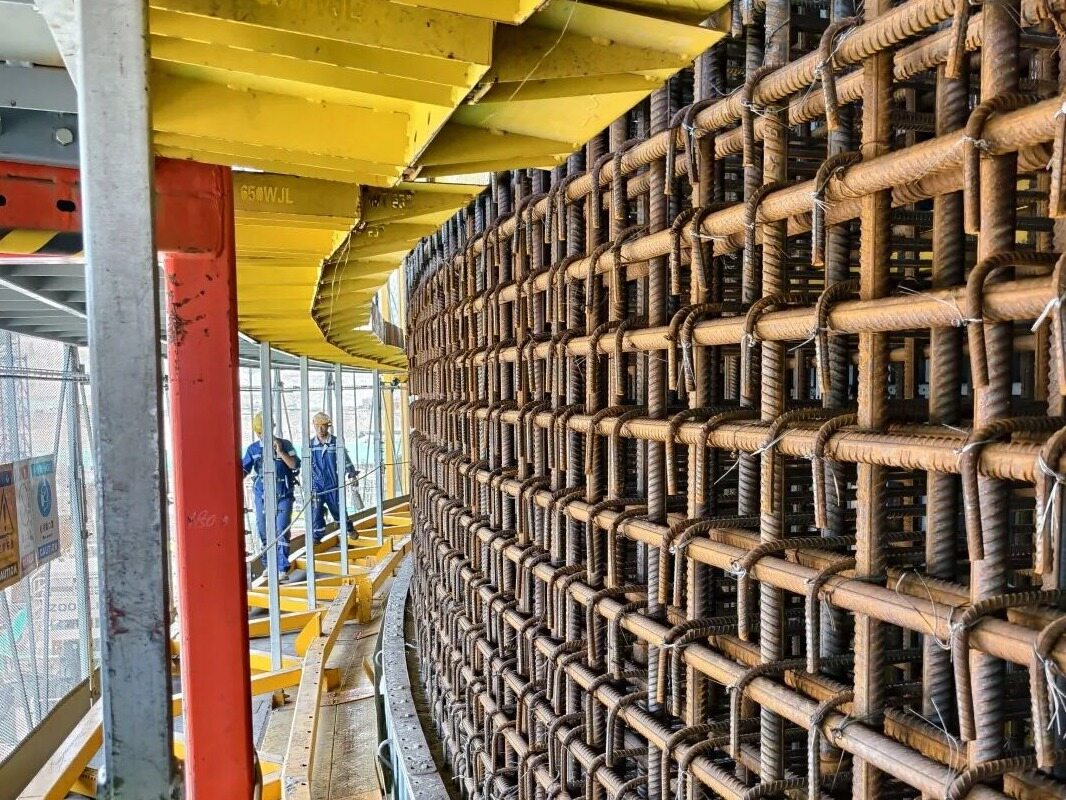
At present, the project has entered the second phase, and the civil engineering has started construction in 2025, which will run through the entire 2026. The on-site machines are roaring, and engineers are accelerating the processing of various permits, establishing engineering contracting services, and procuring key equipment to prepare for the upcoming core challenges.
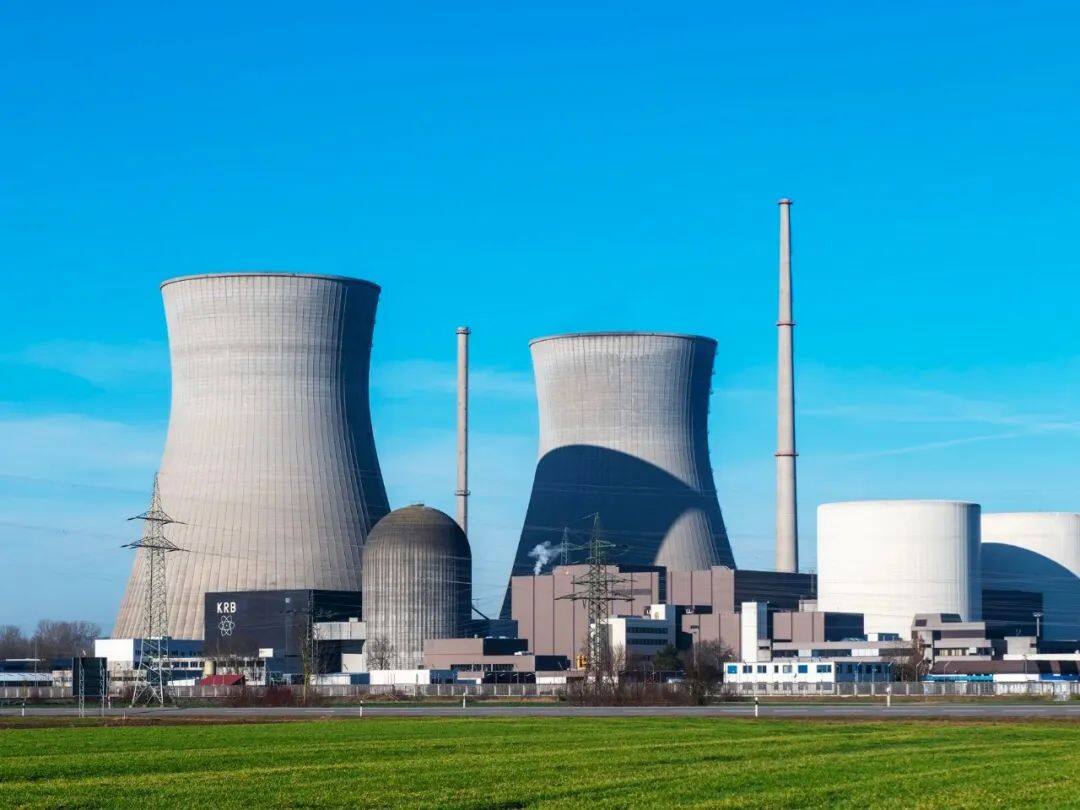
The reassurance pill of the power grid
For Romania and even the entire Eastern Europe, this renovation is far more than just an equipment overhaul. According to the plan, between 2027 and 2030, the unit will officially shut down for core retrofitting projects such as reactor tube replacement. After being reconnected to the grid in 2030, it will embark on a new 30-year service period, providing 9% of the country's clean electricity annually.keywords:New energy information network
This 9% of electricity is of great significance. Today, with the increasing proportion of intermittent new energy sources such as wind power and photovoltaics, the stable base load provided by nuclear power is like the "anchor" of the power grid, which can effectively hedge against power supply fluctuations caused by weather changes and ensure the absolute safety of regional power grids. In addition, with the comprehensive acceleration of engineering after 2026, from precision instrument manufacturing to nuclear safety equipment, from high-tech materials to digital operation and maintenance, the huge supply chain demand is releasing dividends to the global market. The rebirth of Chernawad is becoming the best window to observe the energy transition and industrial recovery in Eastern Europe.Editor/Yang Meiling
Comment

 Praise
 Collect
 Comment

 Share
Share


Write something~