 Search


- Hanoi plans nearly a thousand kilometers of rail transit, with local enterprises undertaking the construction of multiple lines
- Vietnam shifts its investment strategy, prioritizing the cultivation of local infrastructure industries and pursuing construction efficiency
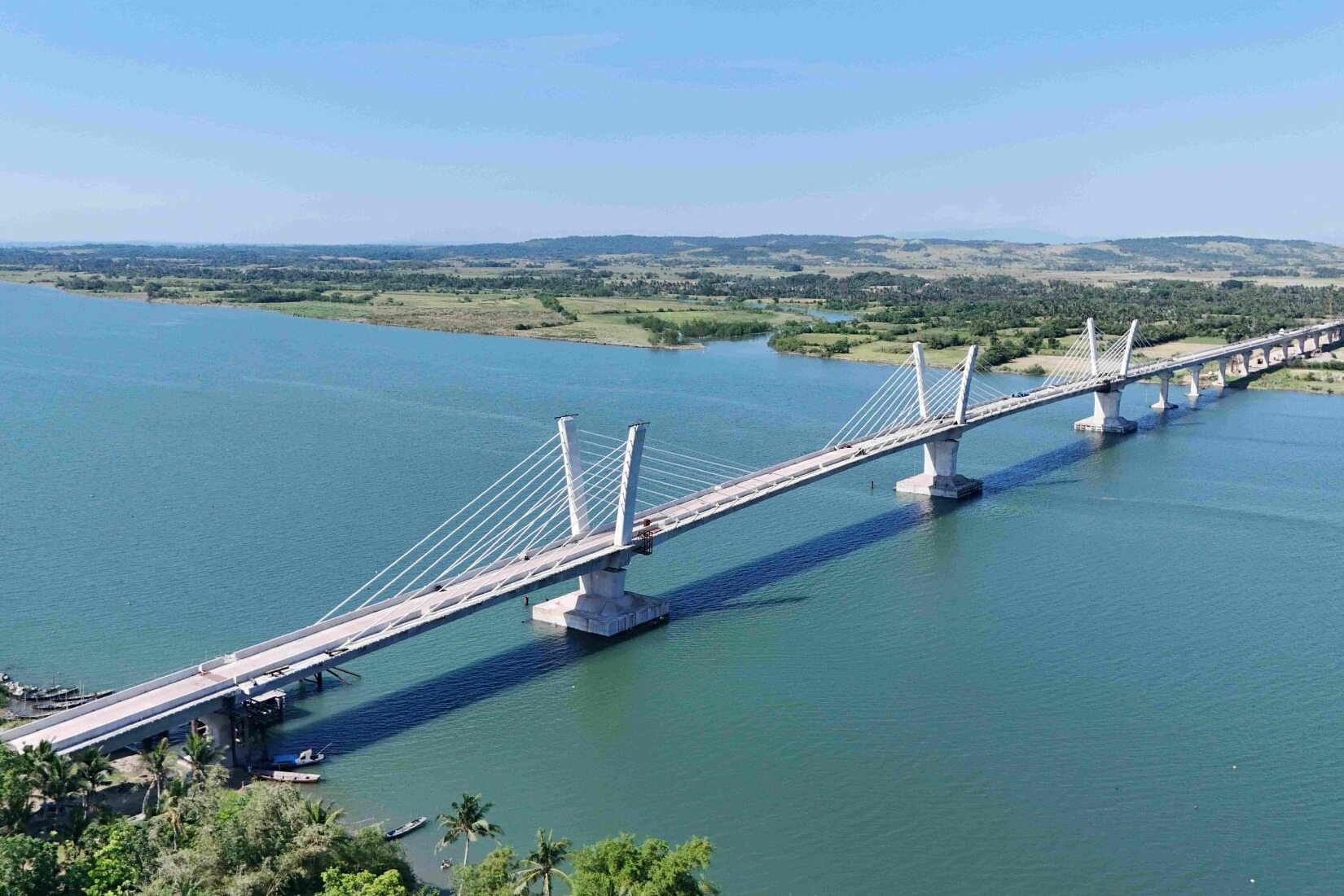
On the map of the Red River Delta, densely packed rail transit lines are spreading at an unprecedented density. The urban construction script, once dominated by foreign giants, has now been forcefully rewritten by local forces.
Hanoi plans a super large rail transit network
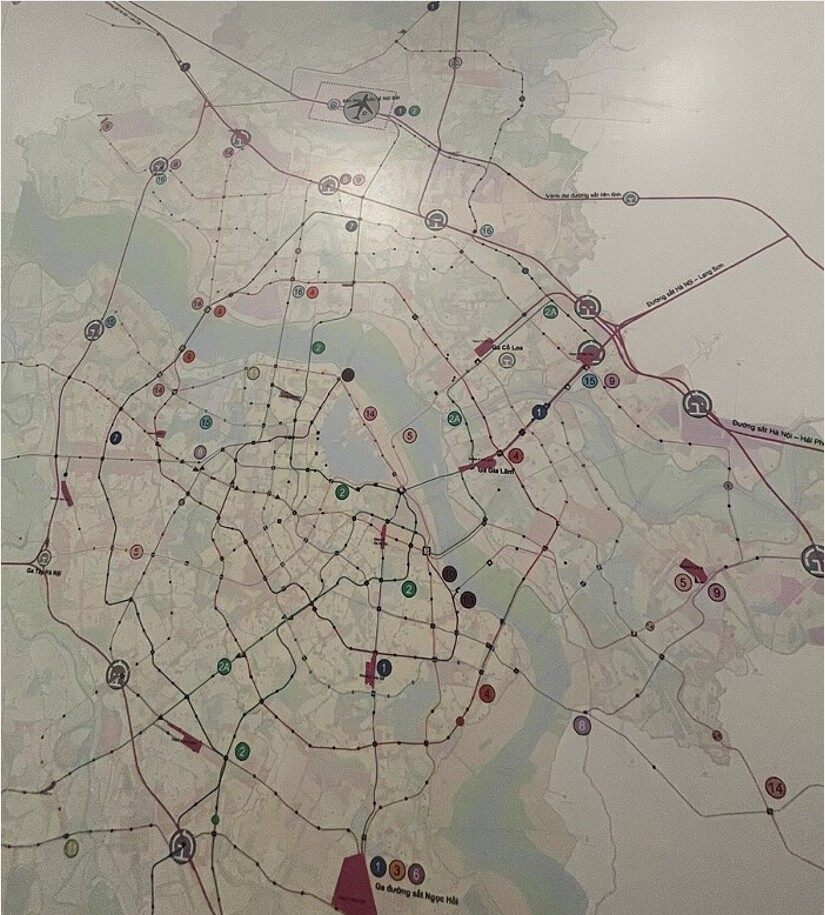
Hanoi plans to transform its urban transportation system by planning 18 rail transit lines with a total length of nearly 1000 kilometers, far exceeding the existing subway systems in Tokyo and Bangkok. Local enterprise Wenna Group has won the general contracting of five lines, while Japanese enterprises have basically missed out on projects. Currently, Hanoi only operates a 21 kilometer track, and local enterprises are rising. Japanese companies that have long been deeply involved in the local area are missing out on the market, and the industry claims that Vietnam no longer prioritizes cooperation with Japan.
Multiple factors lead to Japanese companies being eliminated
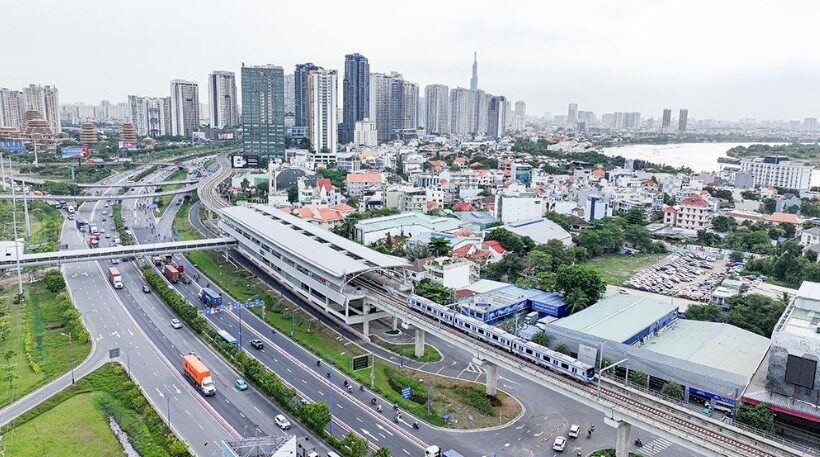
Japan once participated in the financing of Hanoi Airport Subway Line 2, but there was a huge disagreement between the two sides over the project schedule target. The Japanese train manufacturing capacity is limited, making it difficult to undertake large-scale orders. Hanoi has set a clear construction schedule, with 500 kilometers of road to be opened within ten years and a thousand kilometer road network to be completed by 2065. Wenna Group is preparing efficiently, far faster than the cumbersome process of Japanese enterprises. The logic of attracting investment in Vietnam has shifted from simply accepting foreign aid to placing greater emphasis on technology implementation and local industrial development. The lengthy approval process for Japanese companies is difficult to adapt to. Previously, the Japanese subway project in Ho Chi Minh City was deeply embroiled in a dispute over engineering fees. Although a settlement was reached, it did not reverse the overall decline of the Japanese side.
Rewriting the infrastructure landscape in Southeast Asia
The Hanoi rail transit project confirms that Japan's infrastructure competitiveness in Vietnam continues to decline. Wenna Group is synchronously laying out local high-speed rail, and local enterprises are seizing the incremental market. The shift towards cooperation with Vietnam is a barometer for the Southeast Asian industry, and relying solely on past reputation is difficult to maintain competitiveness. The Hanoi 1000 kilometer rail transit plan may become a turning point for Japanese companies to withdraw from the core Southeast Asian infrastructure market, and the era of single country aid for infrastructure has come to an end.Editor/Gong Ziwei
Comment


 Praise
 Collect
 Comment

 Share
Share


Write something~