 Search


- Energy and carbon emission constraints rewrite data center layout
- The layout of computing power is shifting towards energy orientation, and Laos' green power resources have the potential to create a regional intelligent computing base

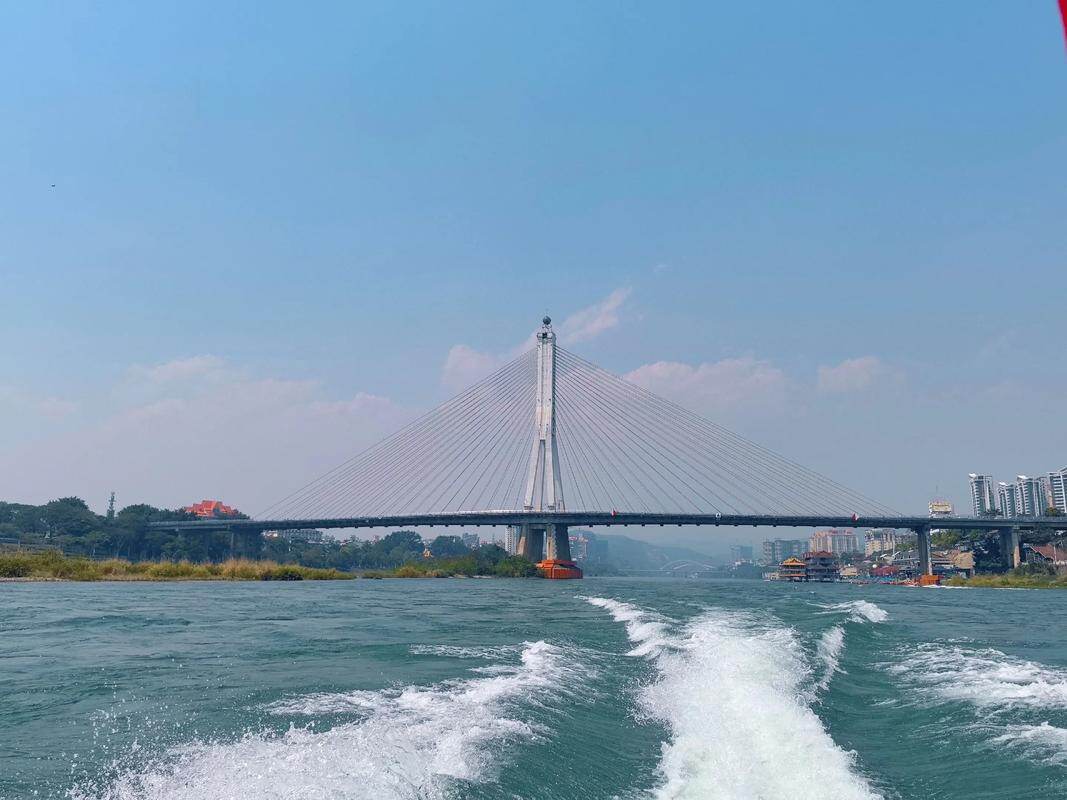
The rapids of the Mekong River have been rushing for thousands of years, once only turning into cheap electricity to be transported to neighboring countries; As the global computing power landscape restructures under the constraints of green electricity and carbon, this forgotten bottom tier depression is attempting to turn abundant hydropower into green computing power batteries for the digital age, illuminating the pyramid base with a glimmer of light.
The hierarchical division of the global computing power system has long surpassed simple hardware stacking and evolved into a comprehensive competition of resource endowment, institutional environment, and industrial ecology. The top tier of China and the United States firmly hold over 70% of the AI computing power and discourse power in the entire industry chain; The second tier, consisting of Singapore, Tokyo, and core European cities, is struggling to move under the dual constraints of land and carbon emissions; Malaysia, Thailand, and other third tier countries are working hard to take on the demand for overflow projects. Laos, which is in the fourth tier, although has abundant hydropower resources, has exposed obvious gaps in data center standards, network latency, and industrial chain integrity.
The Depression Under the Pyramid of Computing Power
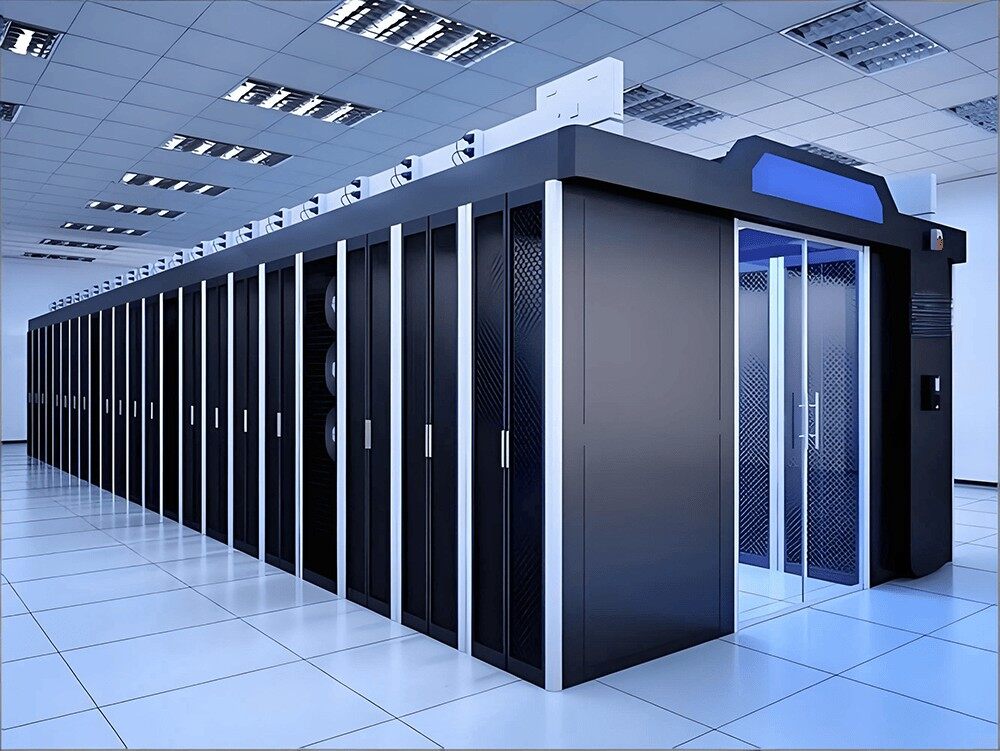
The current global computing power landscape presents a distinct Matthew effect. Laos and other fourth tier countries are not only facing obvious shortcomings such as insufficient power density in data centers and high network latency, but also systemic deficiencies in the industrial chain ecosystem. Chips and servers rely on imports, and there is an extreme shortage of operation and maintenance personnel. The stability of the local power grid is difficult to match the demanding requirements of large GPU clusters for millisecond level power fluctuations. This structural fault makes it difficult for the region to carry high-value businesses such as large model training, even with low electricity prices, and has long been trapped in low value-added basic applications such as government and finance.
Scarce chips for breakthrough at the bottom
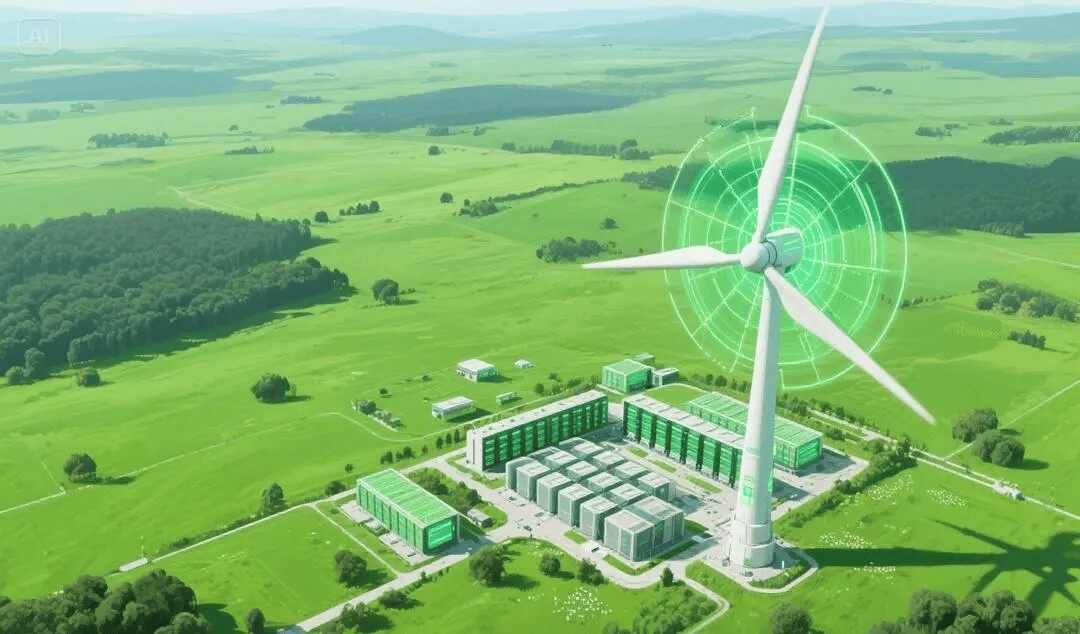
At present, as the dual carbon goals reshape the global industrial logic, energy structure is becoming a decisive factor in computing power layout. The increasingly tightening carbon emission targets in computing power nodes such as Europe, America, and Singapore have forced tech giants to focus on regions with abundant clean energy. Laos, with abundant hydropower and scenic resources along the Mekong River, seems to have seized the opportunity to enter the high-end computing club. More noteworthy is that the implementation of blockchain projects in the early years, although accompanied by controversy, has accumulated practical experience in high load power operation and maintenance for the local area. This accumulation of learning by doing constitutes an implicit competitive advantage that sets it apart from other resource-based countries. Keywords: Laos, computing power, data center
The key leap across the value chain
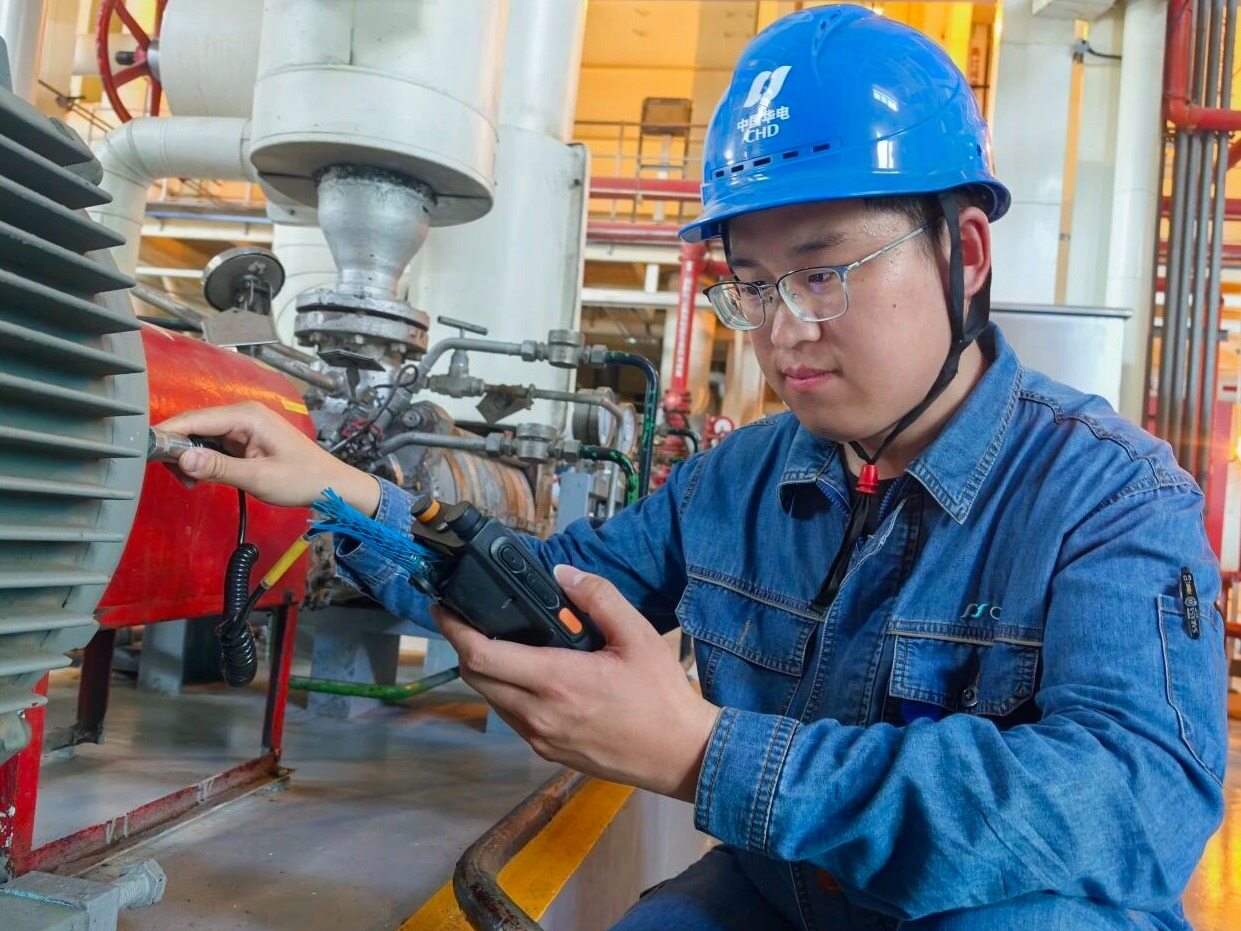
Transforming natural resource advantages into a digital economy advantage is separated by a gap in industrial integration. There is a world of difference between simply outputting electricity and outputting computing power in the value chain. In the future, the layout of computing power will inevitably be redrawn along the direction of low-cost green electricity. For Laos, whether it can truly rise as a green computing power node in Southeast Asia depends on whether it can build a software and hardware environment adapted to the digital economy - from upgrading the stability of the power grid, to introducing and cultivating professional technical talents, and then establishing cross-border data interconnection rules. This is not only a leap in the industry, but also a key exploration for resource-based countries around the world to seek identity reconstruction in the digital age.Editor/Gong Ziwei
Comment




 Praise
 Collect
 Comment

 Share
Share


Write something~