 Search


- The sustainability of an order depends on four thresholds: admission, origin, cold chain, and origin organization
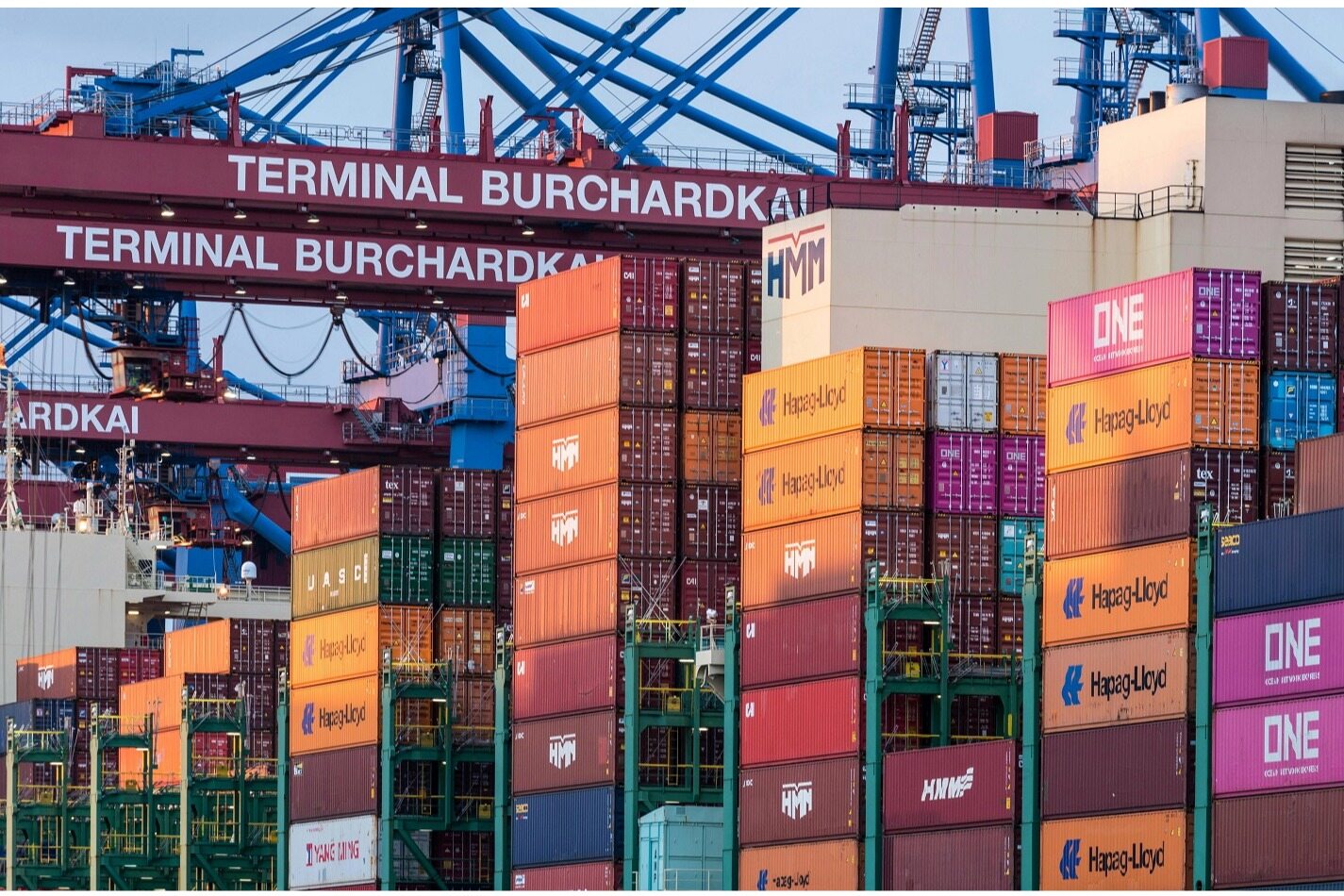
1938 billion yuan, a year-on-year increase of 23.5% - this is the amount of China's imports from Africa in the first five to six months after the implementation of the zero tariff policy. Avocado imports surged by 1.3 times, apple imports increased by 89.6%, and both aquatic products and textile raw materials saw double-digit growth. Zero tariffs have already sent African products to Chinese ports. But whether the order can be sustained depends on four gates: admission, origin, origin organization, and cold chain distribution.
The first batch to reap the dividends is the mature supply chain
Zero tariffs cover 53 African countries with diplomatic relations. Among them, 33 least developed countries have enjoyed 100% zero tariff on tax items since December 2024; Starting from May 2026, 20 non least developed countries in Africa will also join the beneficiary list, including South Africa, Egypt, Morocco, Kenya, Nigeria, Ghana, Cote d'Ivoire, and others.
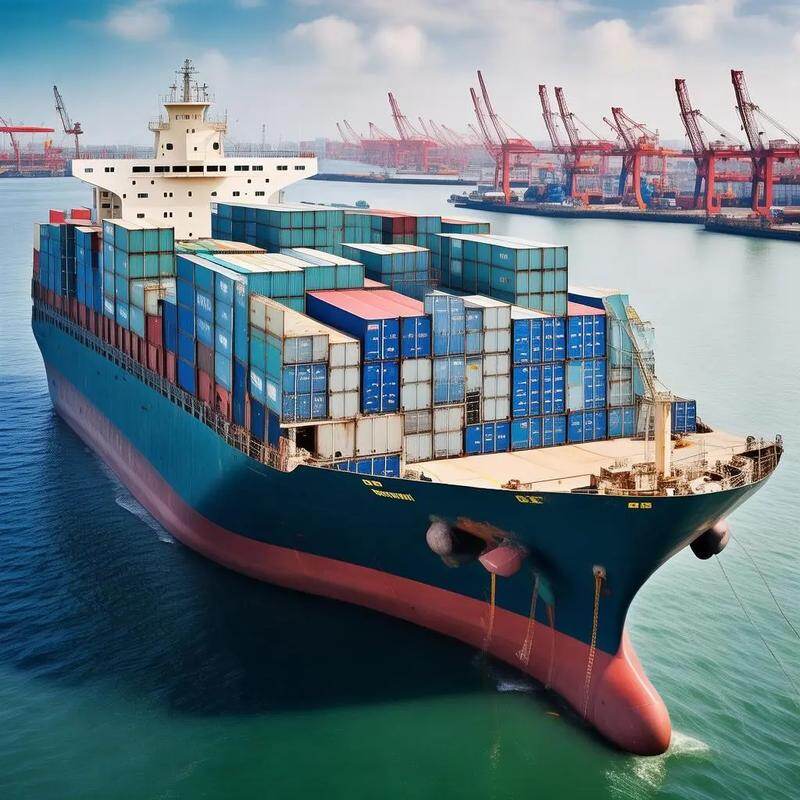
The first to benefit are those categories and production areas that have already run the entire chain. South African apples, Egyptian oranges, Kenyan avocados - they represent mature supply chains that benefit from policy dividends first. The data has confirmed this judgment: after the implementation of zero tariffs, China's imports of aquatic products and textile raw materials from Africa have achieved double-digit growth year-on-year; Avocados increased by 1.3 times, apples increased by 89.6%, oranges increased by 27.9%, and grapefruits increased by 11.9%.
For Chinese importers, the first batch of opportunities are concentrated in countries with export organization capabilities and port conditions such as South Africa, Egypt, Kenya, Morocco, Ghana, Cote d'Ivoire, Nigeria, etc.
Bilateral opportunities for import and export are opening up
The export end is also worth paying attention to. In the first half of the year, China exported 534.11 billion yuan worth of electromechanical products to Africa, an increase of 28.8%, with outstanding performance in categories such as photovoltaic products, power transmission and transformation equipment, general machinery and equipment, and automotive spare parts. Africa is trying to sell more products to China while still absorbing a large amount of Chinese equipment, components, and infrastructure supporting products.

This gives rise to two types of opportunities: one is to directly engage in import trade; Another type is to help African production areas make their goods meet the standards that the Chinese market can accept. Cashew nuts, coffee, cocoa, dried chili peppers, aquatic products - these categories need to be cleaned, dried, graded, shelled, packaged, and tested in order to enter China. Equipment manufacturers, cold chain enterprises, testing service providers, and park operators can all find orders on this line.
Zero tariffs have reduced border taxes, but enjoying benefits still requires meeting rules of origin and admission conditions. In the first half of the year, private enterprises' imports and exports to Africa increased by 25.2%, higher than the overall growth rate of 19.6%, indicating that African demand is matching the response speed of China's supply chain. For non Chinese enterprises, zero tariffs are not just about reducing taxes, they are reshaping the cooperation mode of China Africa trade - from selling raw materials to negotiating sorting, processing, packaging, and long-term supply.Editor/Cheng Liting
Comment







 Praise
 Collect
 Comment

 Share
Share


Write something~