 Search


- Nigeria's oil bidding has been launched, boosting Africa's energy cooperation and upstream investment along the the Belt and Road

On the morning of July 21, 2026, in the lobby of the Upstream Petroleum Regulatory Commission in Abuja, Nigeria, energy investors from around the world crowded their seats. Thomas, an exploration manager from Houston, is flipping through the bidding documents, while a representative of his competitor, a Chinese oil service company, is also taking notes in the corner. On that day, Nigeria officially held the launch ceremony for the 2025 oil license round commercial bidding, launching a commercial tender for 50 exploration blocks worldwide. This is one of the largest oil and gas block tenders promoted by the largest oil producing country in Africa under the framework of the petroleum industry law, with the goal of attracting $10 billion in new investment, expanding crude oil production, and increasing foreign exchange earnings.
Fifteen onshore, nineteen shallow waters, and fifteen frontiers
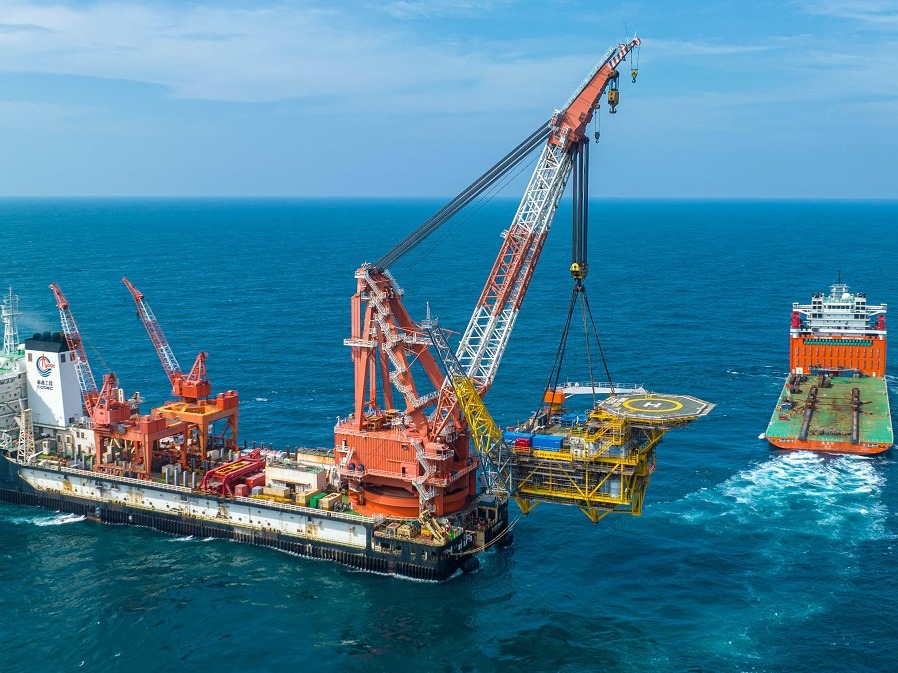
On July 21, 2026, the Upstream Petroleum Regulatory Commission of Nigeria officially launched the commercial bidding for the 2025 oil permit round. 50 exploration blocks cover four major categories: 15 onshore blocks are located in traditional oil and gas producing areas in Nigeria, with relatively complete infrastructure; 19 shallow water blocks are located near the coastline with moderate operating water depth; 15 frontier basin blocks are located in the frontier basin area bordering Nigeria and neighboring countries, with great exploration potential but weak infrastructure; One deep-water asset block is located in a deep-sea basin, with the highest technical requirements and investment intensity.
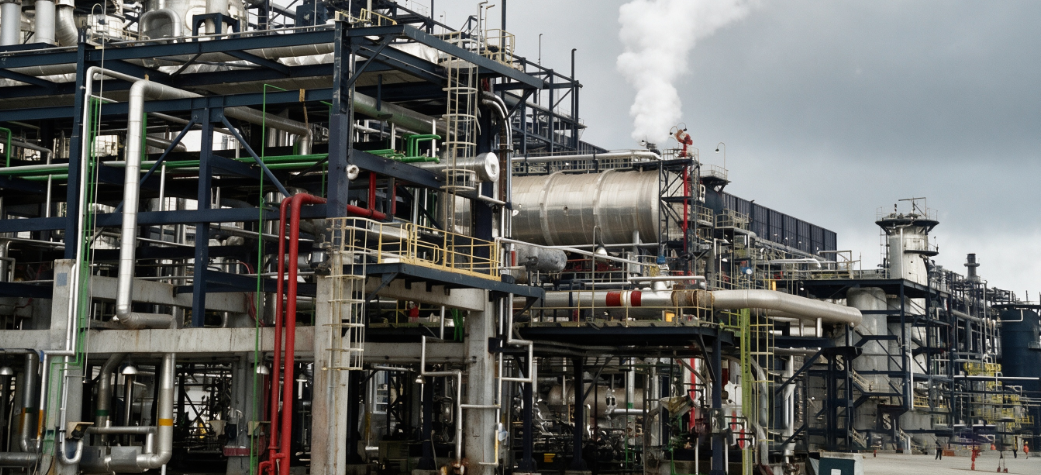
The regulatory agency stated that this measure aims to promote exploration, increase reserves, and strengthen long-term energy output. The CEO of the Upstream Petroleum Regulatory Commission stated that this licensing round is expected to release approximately 2 billion barrels of additional oil reserves, while supporting efforts to increase crude oil production. The bidding process will adopt a fully digital platform to enhance transparency, and applicants will undergo technical, financial, and regulatory evaluations before submitting their bids.
Production dilemma, oil industry law, global capital battle
Nigeria's decision to advance large-scale oil and gas block bidding at this time has a clear strategic logic behind it. In terms of production difficulties, Nigeria is the largest oil producing country in Africa, but its production has continued to decline in recent years. At the beginning of 2026, its crude oil production, including condensate oil, was about 1.6 to 1.7 million barrels per day, which is lower than OPEC quotas and production capacity limits. The natural decline of old oil fields, insufficient investment, pipeline damage, and oil theft problems jointly constitute the production dilemma. This 50 block bidding is a key measure to solve the problem of reserve replacement.
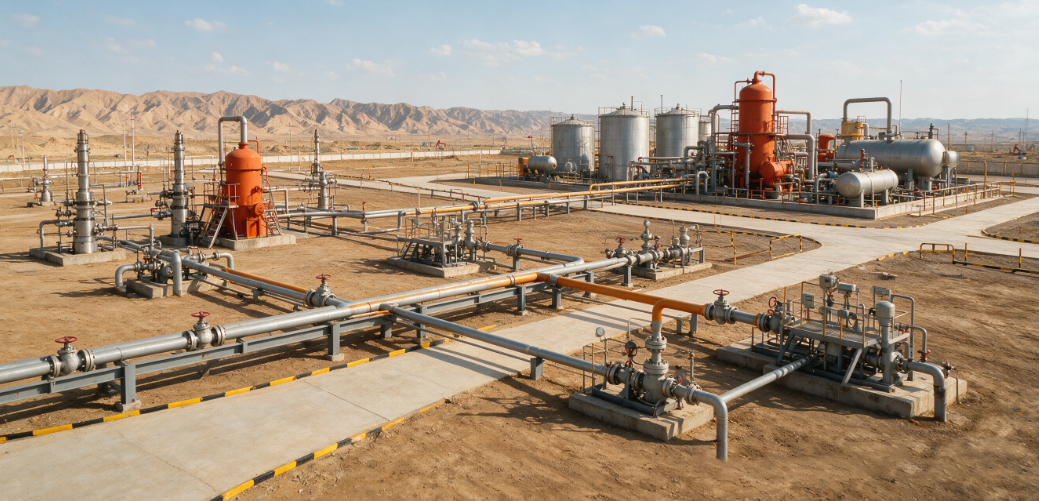
In terms of the dividends of the Petroleum Industry Law, the 2021 signing of the Petroleum Industry Law is the most significant legislative reform in Nigeria's oil and gas industry in nearly two decades. The new law has increased its attractiveness to investors and made deep-water and frontier basin development more commercially feasible. This tender is one of the largest licensing rounds since the implementation of the Petroleum Industry Law. In the context of global energy transition, Nigeria needs to lock in upstream investments through large-scale and highly transparent bidding in the increasingly fierce global capital competition.
Chinese oil service equipment enterprises welcome equipment procurement window
The bidding for 50 oil and gas blocks in Nigeria has sent multiple clear signals to Chinese oil service and equipment companies. The demand for drilling and completion equipment is about to be released, and once the bidding for 15 onshore blocks and 19 shallow water blocks is completed, large-scale exploration drilling operations will be launched. Categories such as drilling rigs, drill rods, drill bits, casing, tubing, and wellhead equipment will usher in a bulk procurement window. Keywords: Infrastructure News Network, Oil and Gas, Petroleum Exploration
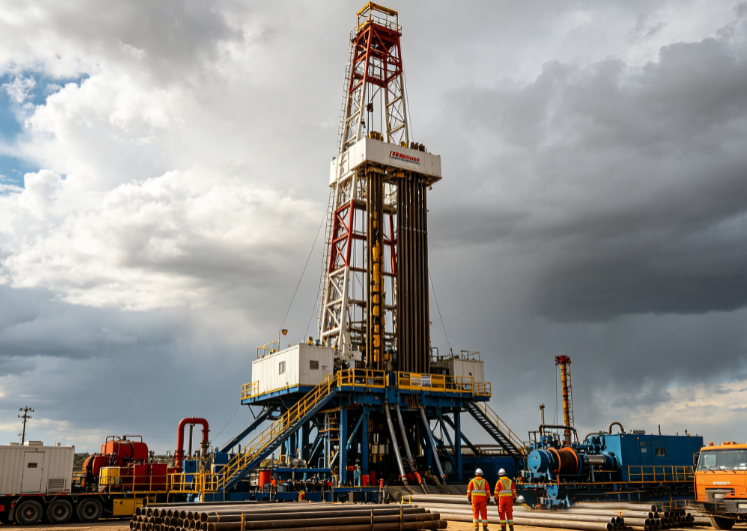
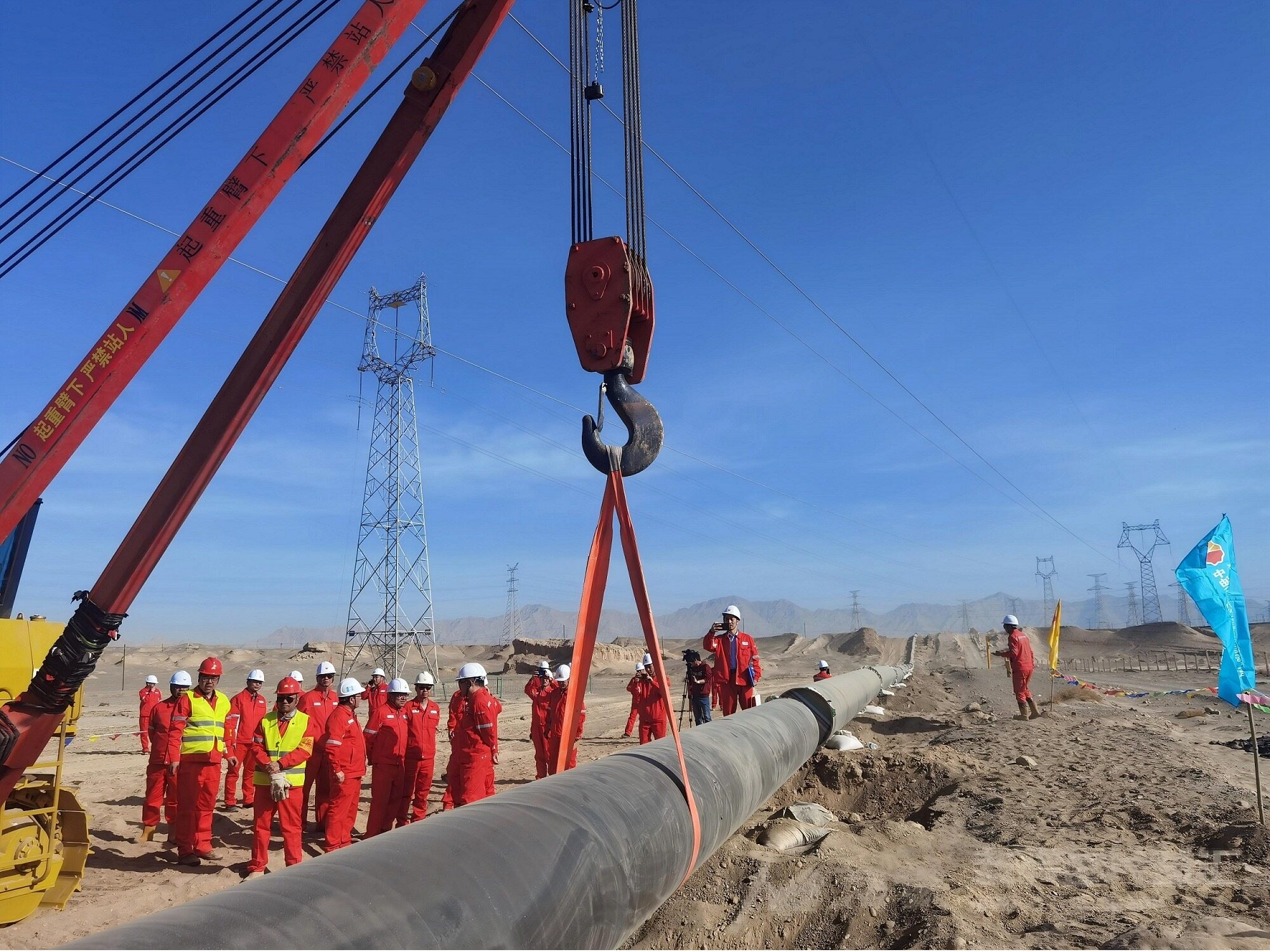
The demand for logging and testing services is increasing synchronously, and newly discovered reserves require precise evaluation. The demand for logging equipment, well testing services, and formation testing technology will rise with the increase of exploration activities. Chinese oil service companies have already accumulated mature overseas application cases in the logging field. The consumption of oilfield chemicals continues to grow, and the consumption of drilling fluid, completion fluid, and cementing cement additives is directly linked to the number of new wells, which will directly drive the export demand for oilfield chemicals in China. Deepwater equipment is a long-term track, and in this round of bidding, the investment intensity and equipment demand for one deepwater block are much higher than those on land and in shallow water. The categories of deepwater drilling platforms, underwater production systems, and subsea pipelines are opportunities worth long-term tracking for Chinese companies with deepwater equipment supply capabilities. This bidding is just an important practice of African energy cooperation along the the Belt and Road in Nigeria. After the blocks are put into production and development in succession, it will significantly increase Nigeria's crude oil production capacity and foreign exchange income, and continue to empower regional energy security and economic development.Editor/Gao Xue
Comment


 Praise
 Collect
 Comment

 Share
Share


Write something~