 Search


- After four years of preparation, the super project jointly promoted by 13 West African countries has taken a crucial step forward
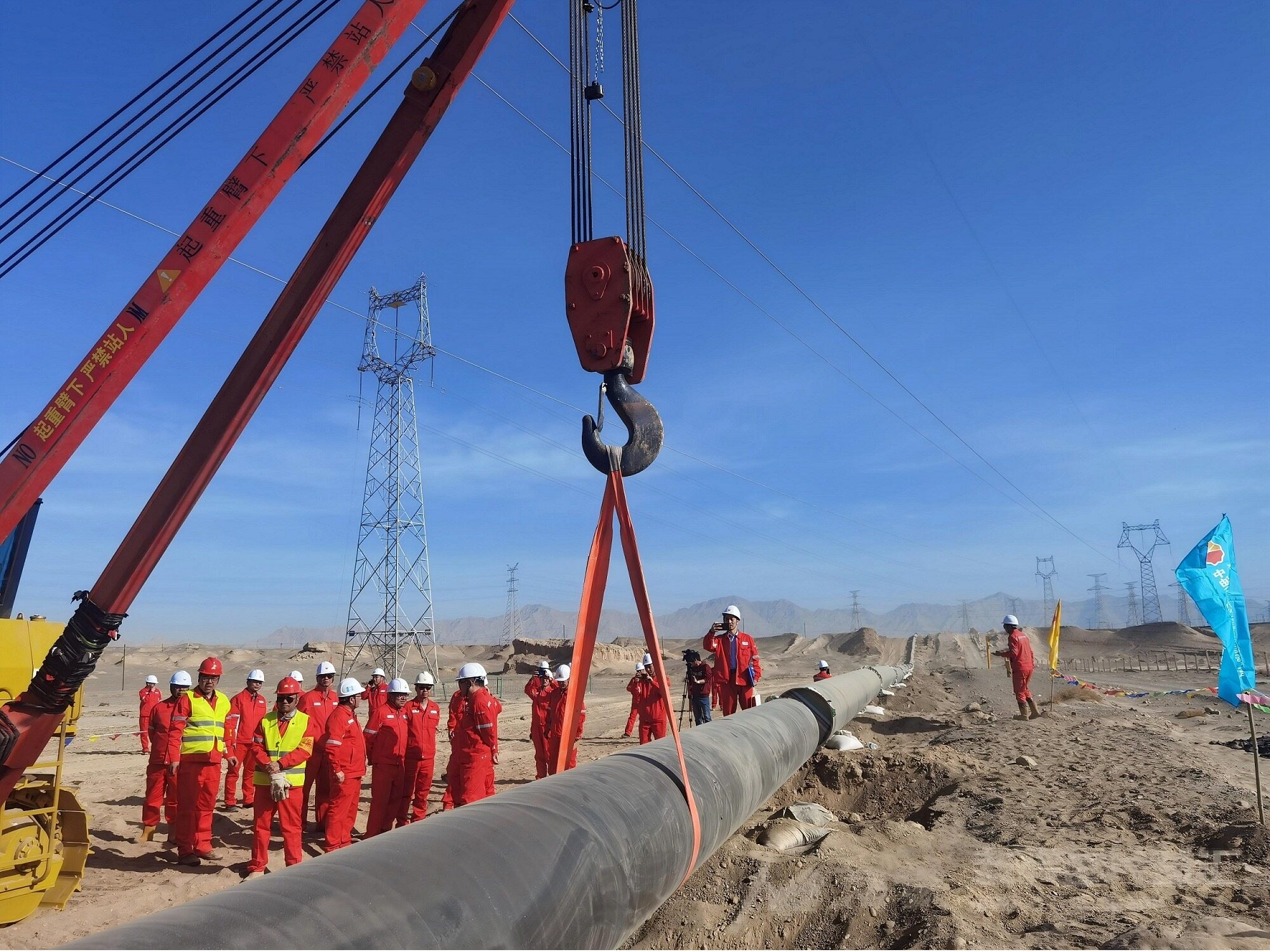
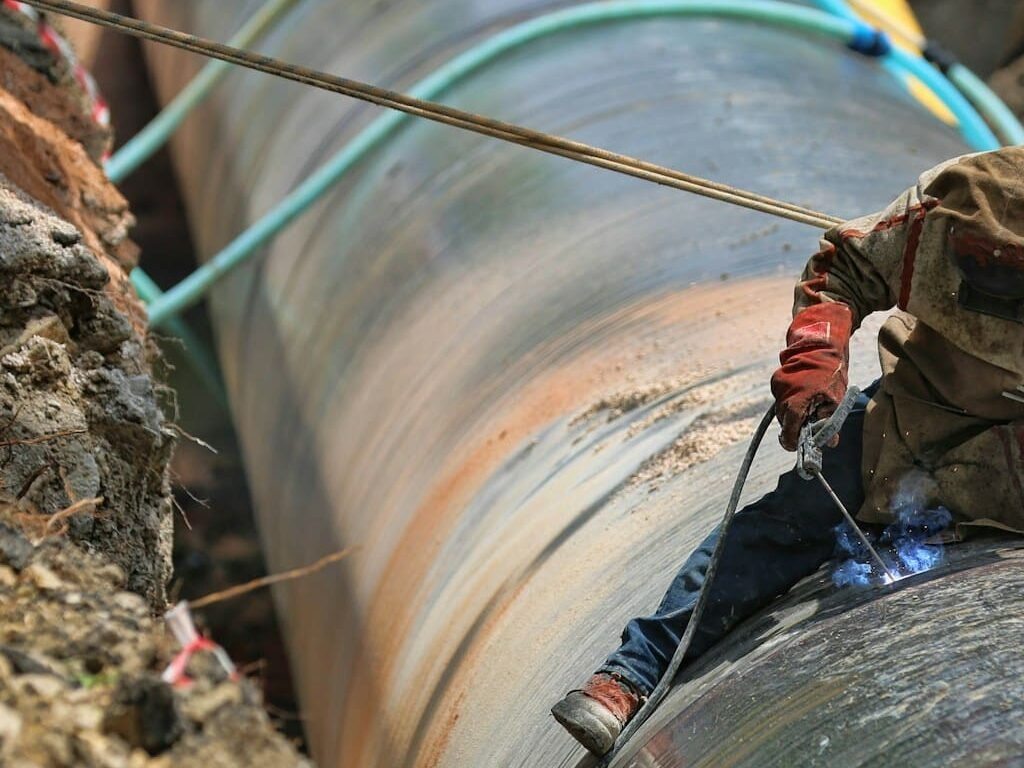
The waves of the Atlantic hit the long coastline of West Africa, and for thousands of years, this body of water has witnessed the loss of countless treasures. However, at the West African Economic Community summit held in Lungi, Sierra Leone, a force for change is gathering. With the signatures of representatives from various countries, the dust of a four-year intergovernmental agreement has settled, announcing that the 6900 kilometer long African Atlantic natural gas pipeline has officially entered the real waterway from the blueprint. This is not only a steel dragon, but also a strategic choice for West African countries to reverse the course of history and reshape their economic lifelines.
Connecting the energy backbone of West Africa
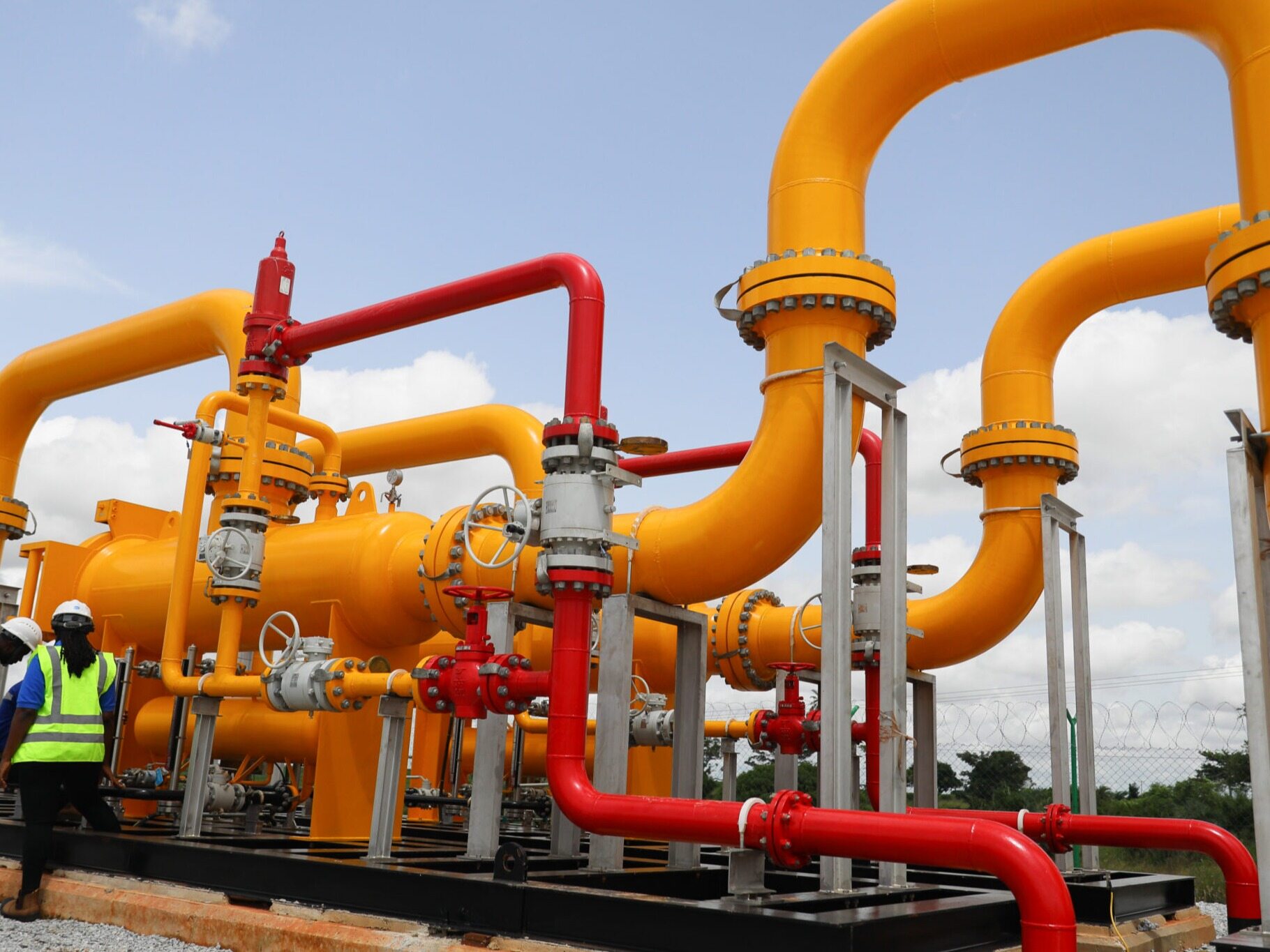
This vast energy corridor is jointly led by the Nigerian National Oil Corporation and the Moroccan National Oil and Gas Mining Authority, aiming to closely connect Nigeria's abundant natural gas fields with Morocco. The pipeline passes through 13 coastal countries along the way and radiates to the inland Sahel region through interconnected branches. The total investment of the project is as high as 25 billion US dollars, and the annual gas transmission capacity after completion can reach 30 billion cubic meters, which is large enough to rank among the world's longest pipelines.
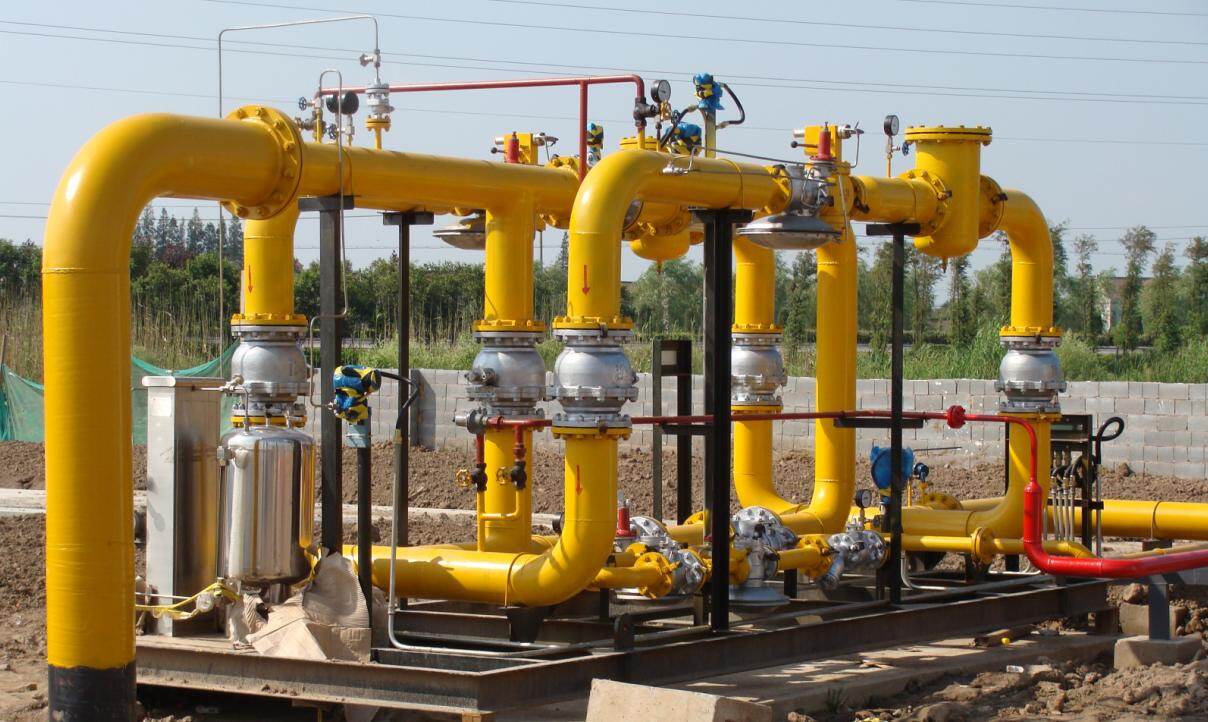
It is worth noting that the pipeline does not exist in isolation and will seamlessly integrate with the existing Maghreb Europe natural gas pipeline. This means that clean energy from the hinterland of West Africa will not only benefit hundreds of millions of people in the region, but also directly supply up to 15 billion cubic meters to the Moroccan and European markets, adding a new strategic channel to the global energy map.
Leverage the industrial engine of the region
For Sierra Leone, which has just signed the agreement, this is not just a diplomatic document, but also a significant turning point for the country's development. For a long time, the country has relied on imported refined oil products, and high energy costs have constrained the pace of industrialization. The laying of this pipeline will bring it low-cost and stable natural gas resources.
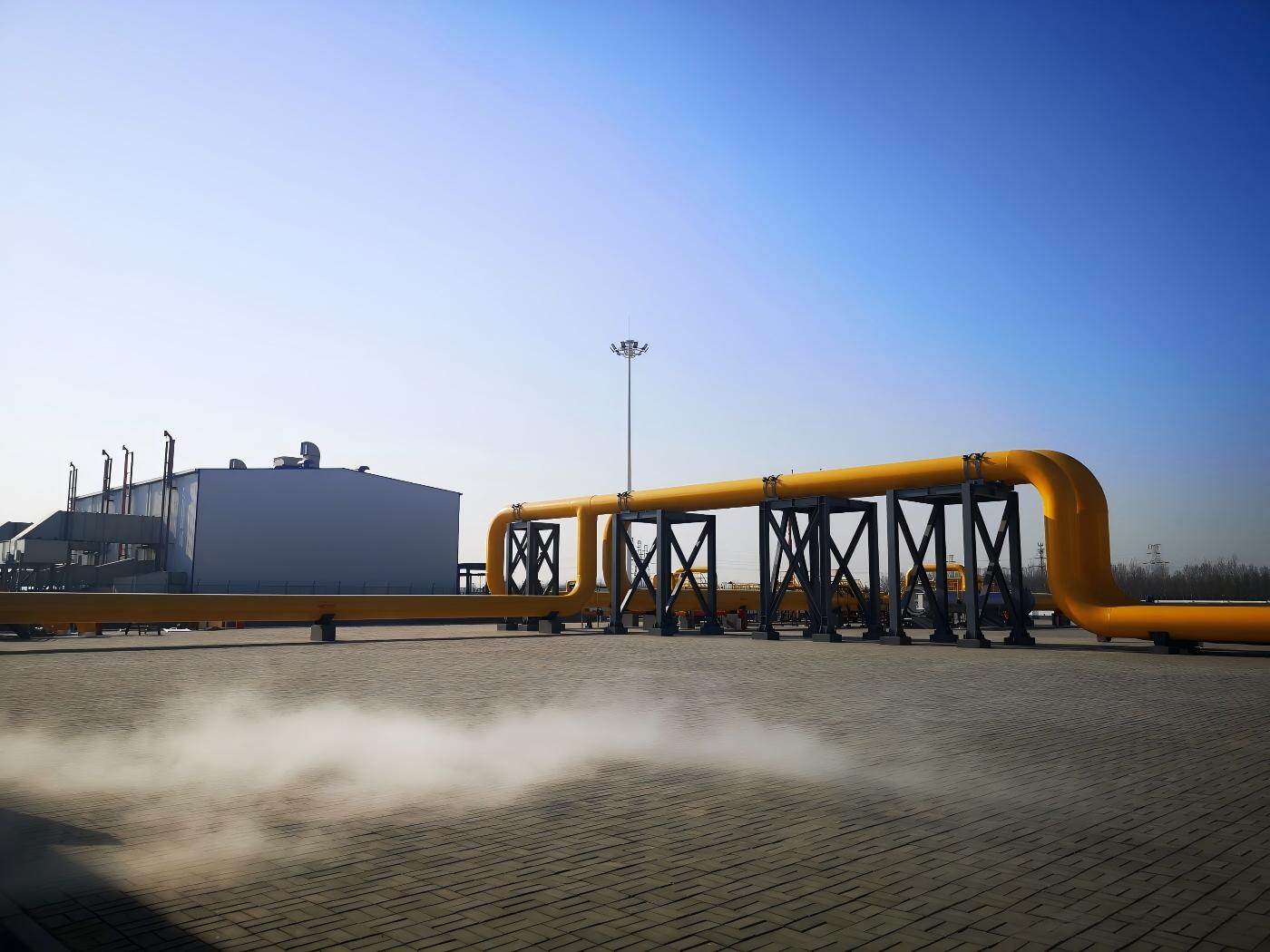
Adequate natural gas supply will be prioritized for power generation, supporting the development of industrial parks and manufacturing industries, fundamentally reducing production costs. At the same time, project construction, operation, and supporting services will create a large number of job opportunities and provide skill training opportunities for local youth. As stated by the Director of the Sierra Leone Petroleum Authority, this is a crucial step towards regional integration and shared prosperity, which will effectively help the country reduce its dependence on imported fuels and align with its core goals of energy diversification and accelerated industrial growth in the mid-2024-2030 national development plan.
On the Road to Common Prosperity
The signing of the agreement is just the first step in a long journey. As Morocco and Mauritania are about to complete their final signing ceremony, the entire intergovernmental legal framework will be completely closed. Next, participating countries will establish a senior management organization for pipeline projects composed of ministerial level representatives, and set up a dedicated project company to be fully responsible for subsequent financing, construction, and operation management.keywords:Engineering infrastructure
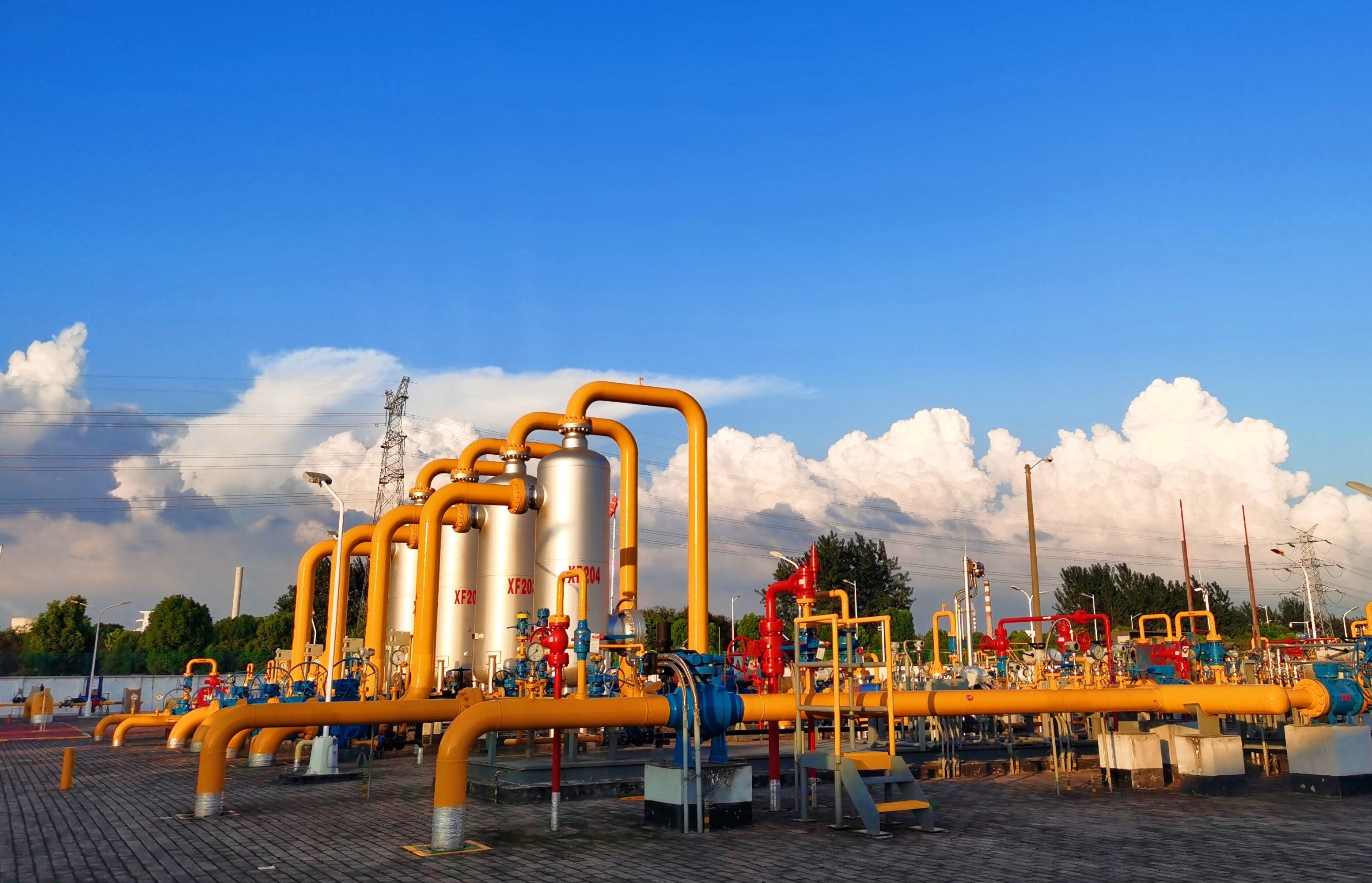
From the initial memorandum of understanding to the current intergovernmental agreements, West African countries have demonstrated rare unity and execution. This energy artery winding along the coastline carries the hope of electricity consumption from household stoves to large factories, as well as the future vision of West African countries to overcome energy poverty and achieve economic independence. When natural gas finally surges through pipelines, the West African continent is expected to usher in a new era of prosperity.Editor/Yang Meiling
Comment


 Praise
 Collect
 Comment

 Share
Share


Write something~