 Search


- 13 West African countries sign 6900 kilometer natural gas pipeline agreement, connecting Nigeria's gas fields
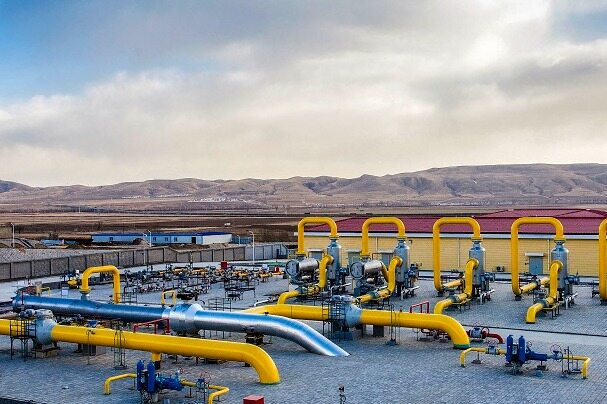
The member states of the Economic Community of West African States have signed an intergovernmental agreement to officially promote the African Atlantic Gas Pipeline project. This energy artery, jointly led by Nigeria and Morocco and passing through 13 coastal countries, will supply gas to landlocked countries in the Sahel region through interconnected pipelines and connect to the Maghreb Europe pipeline, with an annual gas transmission capacity of 30 billion cubic meters, of which 15 billion cubic meters will supply Morocco and Europe. The project is expected to invest 25 billion US dollars and become one of the world's longest pipelines after completion.
The birth of an energy corridor
The agreement was signed during the West African Economic Community summit presided over by Sierra Leone's President Bio. Bio said, "For generations, the Atlantic has taken away African wealth. With this agreement, we will reverse this situation." This pipeline will extend along the West African coastline, delivering energy, opportunities, and prosperity to households and industrial areas along the way. The project has gone through four years of diplomatic mediation and technical cooperation. Since signing the memorandum of understanding in 2022, Sierra Leone has been fully involved in legal and institutional framework negotiations, coordinating national technological investment, and safeguarding its own interests.
Dual dividends of regional integration and energy security
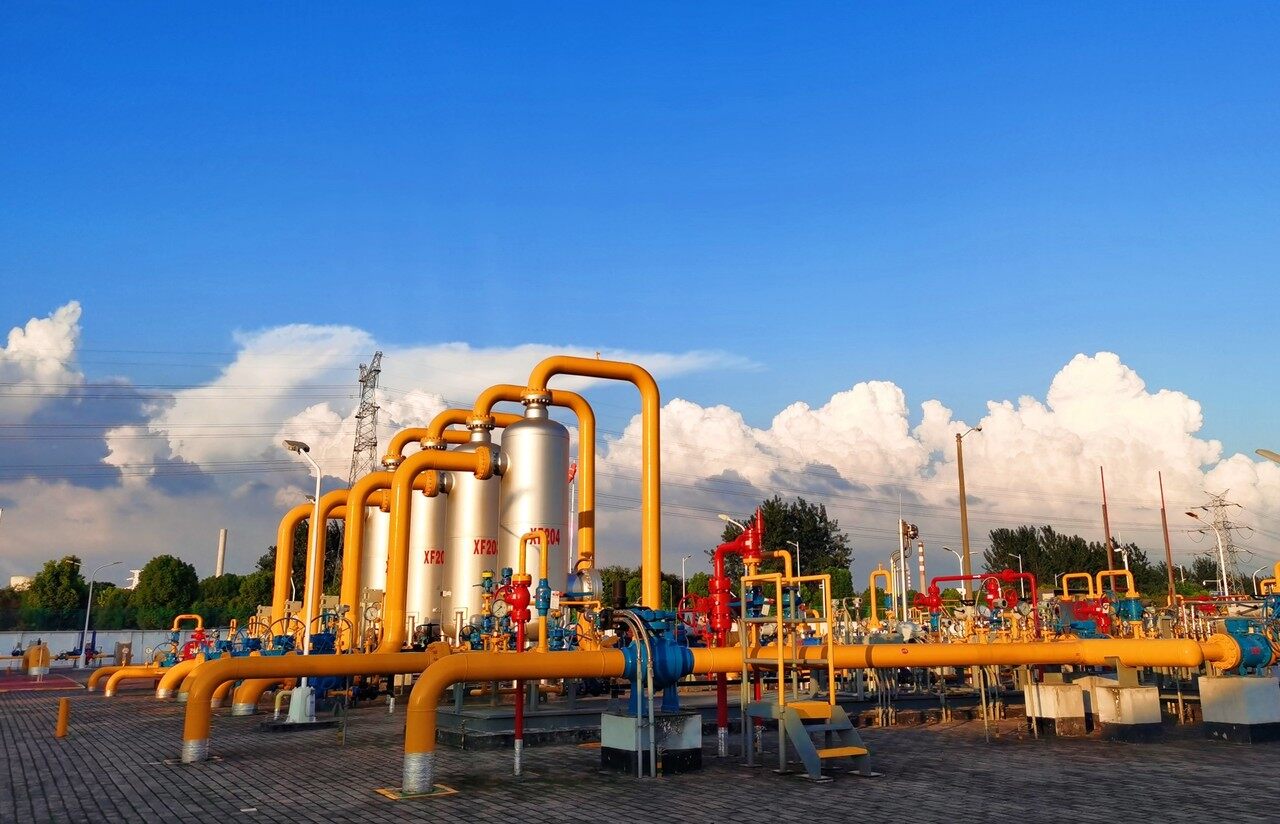
Director Mansare of the Petroleum Bureau emphasized that the agreement is related to regional integration, common prosperity, and energy security. For Sierra Leone, the pipeline will bring affordable natural gas for power generation and industrial projects, reduce dependence on imported refined oil products, create employment opportunities in construction, operation, and service sectors, and generate transit related income. The project is in line with the country's 2024-2030 mid-term national development plan, promoting energy diversification, expanding power supply, and accelerating industrial growth. Subsequently, Morocco and Mauritania will also sign an agreement to finalize the intergovernmental framework.
The project has entered the substantive promotion stage
With the implementation of the agreement, each participating country will establish a senior management body composed of ministerial level representatives and establish a specialized project company responsible for execution, financing, and construction. The project will follow the technical, financial, legal, and regulatory processes of each participating country. Once this energy corridor spanning West Africa is built, it will not only reshape the regional energy landscape, but also inject strong impetus into the industrialization and economic growth of countries along the route. Editor/Yang Beihua
Comment

 Praise
 Collect
 Comment

 Share
Share


Write something~