 Search


- Malaysia's power grid accepts surplus of 1.5 gigawatts remaining

Starting from July 27, 2026, the bidding window for Malaysia's sixth round of large-scale solar energy plans will officially open. 2650 MW of photovoltaics and 1250 MW of energy storage - this is the first time that the country requires unified allocation and storage of public new energy projects. 2500 MW of photovoltaics must be paired with energy storage, while only 150 MW are small-scale projects without energy storage. All projects must be connected to the grid by the end of 2029.
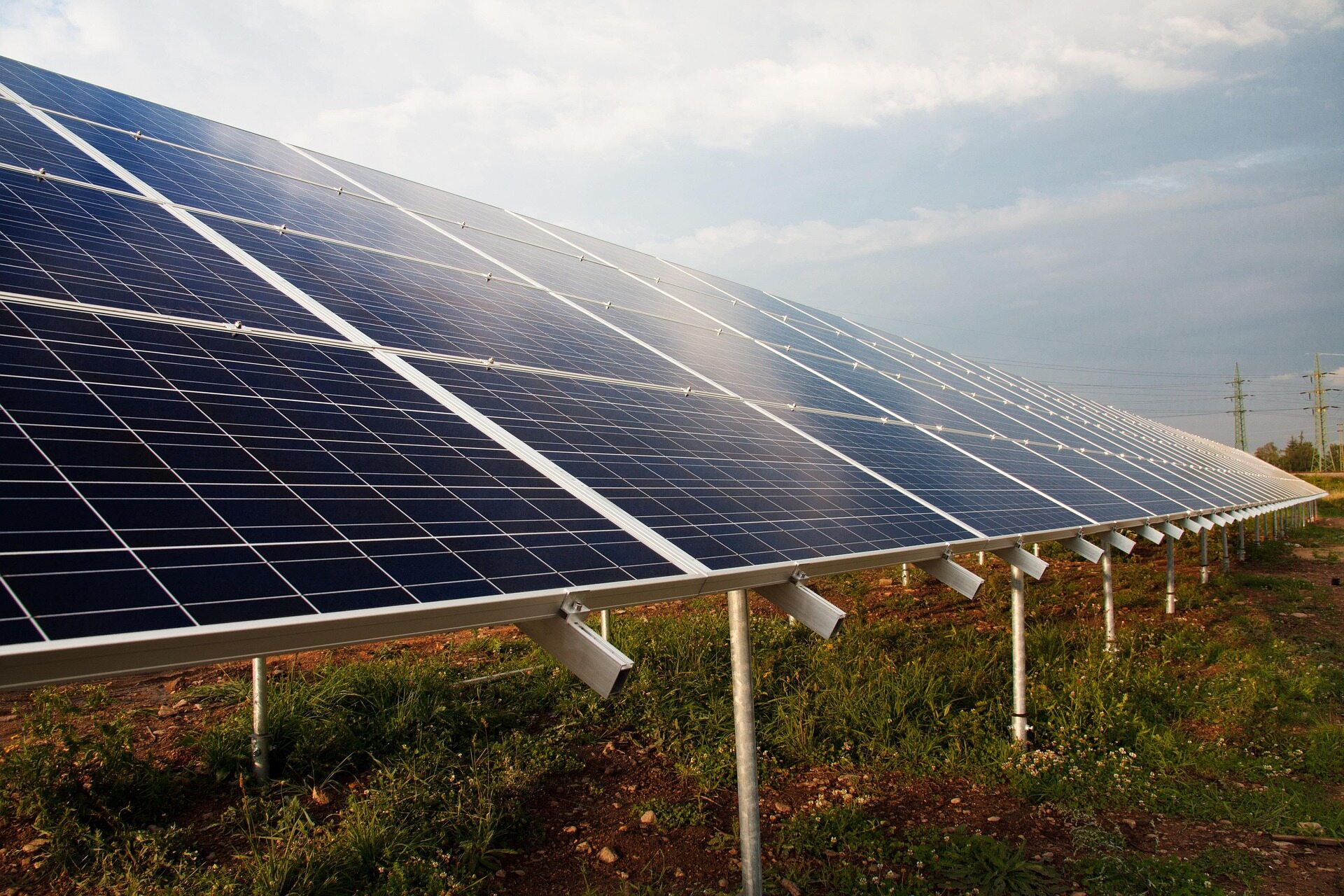
Only 1.5 gigawatts of grid connection remaining
Compulsory storage allocation is not a policy preference, but a choice forced by the power grid capacity. The maximum acceptable capacity of photovoltaics in the Malay Peninsula is about 6 gigawatts, and the current installed capacity has reached 4.5 gigawatts, with only 1.5 gigawatts of remaining space. Beyond this threshold, the regulation speed of thermal power units can no longer keep up with the fluctuations in photovoltaic output. Compulsory storage has become the only feasible solution - storing green electricity during the day and releasing it during peak electricity consumption in the evening, which is equivalent to building a 1.25 gigawatt buffer pool for the power grid.
Three types of sections, two rhythms
The bidding is divided into three independent sections. The global open section includes 2200 MW photovoltaic and 1100 MW energy storage, with individual projects ranging from 60 to 500 MW, open to all compliant developers for bidding from July 27th to August 7th. The indigenous exclusive section includes 300 MW photovoltaic and 150 MW energy storage, exclusively for Malaysian indigenous controlled enterprises, with a window period synchronized with global sections. The small-scale pure photovoltaic section of 150 MW without energy storage, with single projects ranging from 10 to 30 MW, will be tendered from August 17th to 28th. Keywords: photovoltaic storage bidding, photovoltaic
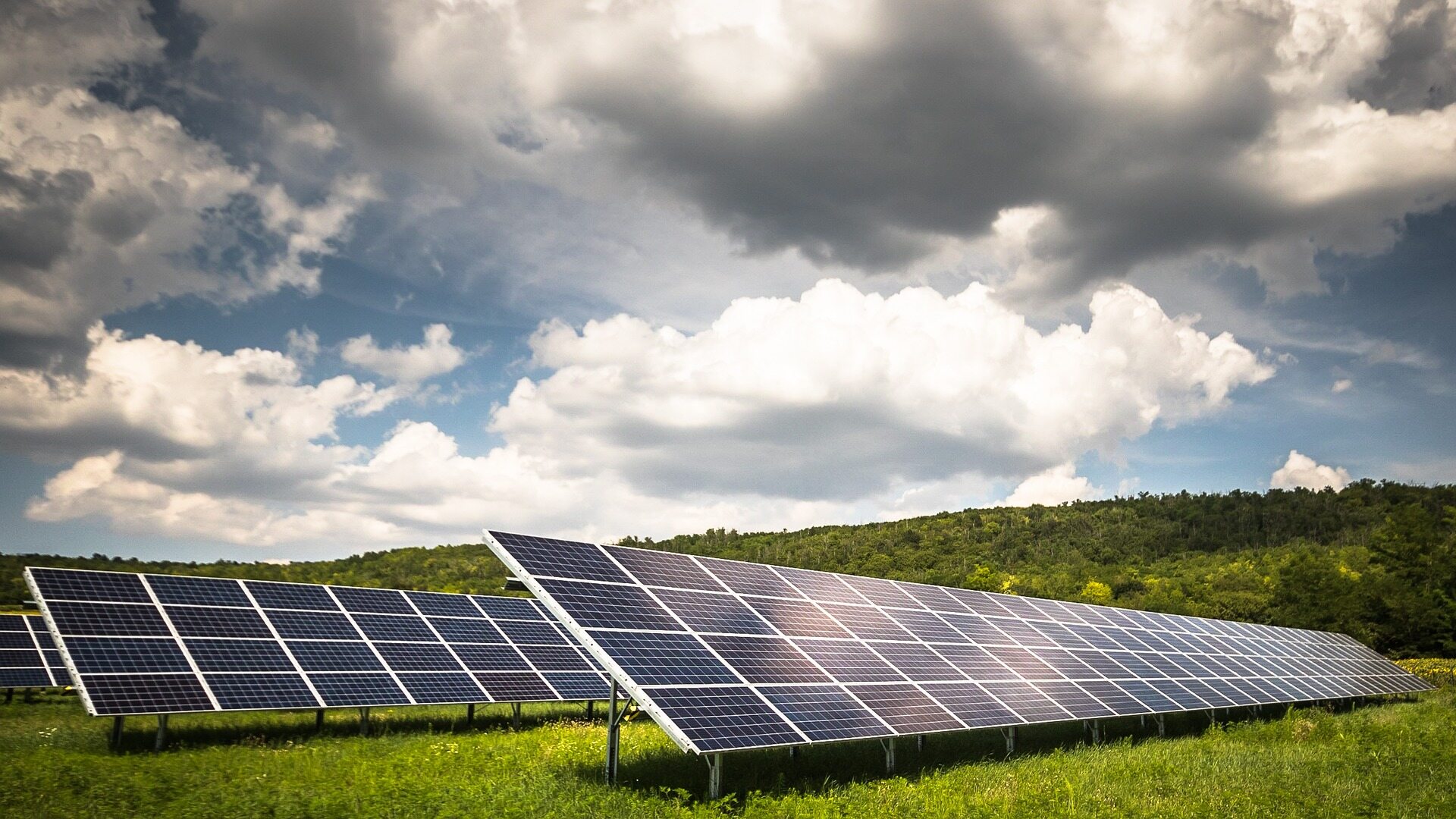
This round of bidding will attract investments of 13 billion to 15 billion ringgit. Johor is a priority area for layout, and the electricity load of data centers and manufacturing industries is rapidly increasing there. Locally manufactured photovoltaic modules can receive additional evaluation points. Overseas Chinese capital and European and American energy groups will focus on the 2200 MW large-scale section, while local leaders such as Solarvest and Samaiden are expected to monopolize the indigenous exclusive quota. The time window has already opened. Whoever can complete the bidding before August 7th will have a ticket to the Malaysian solar energy storage market for the next four years.Editor/Cheng Liting
Comment





 Praise
 Collect
 Comment

 Share
Share


Write something~