 Search


- On July 27, 2026, the Hami handover acceptance was passed
- The 537 kilometer section of G30 Lianhuo Expressway from Xingxingxia to Tuyugou has been expanded from four lanes to eight lanes
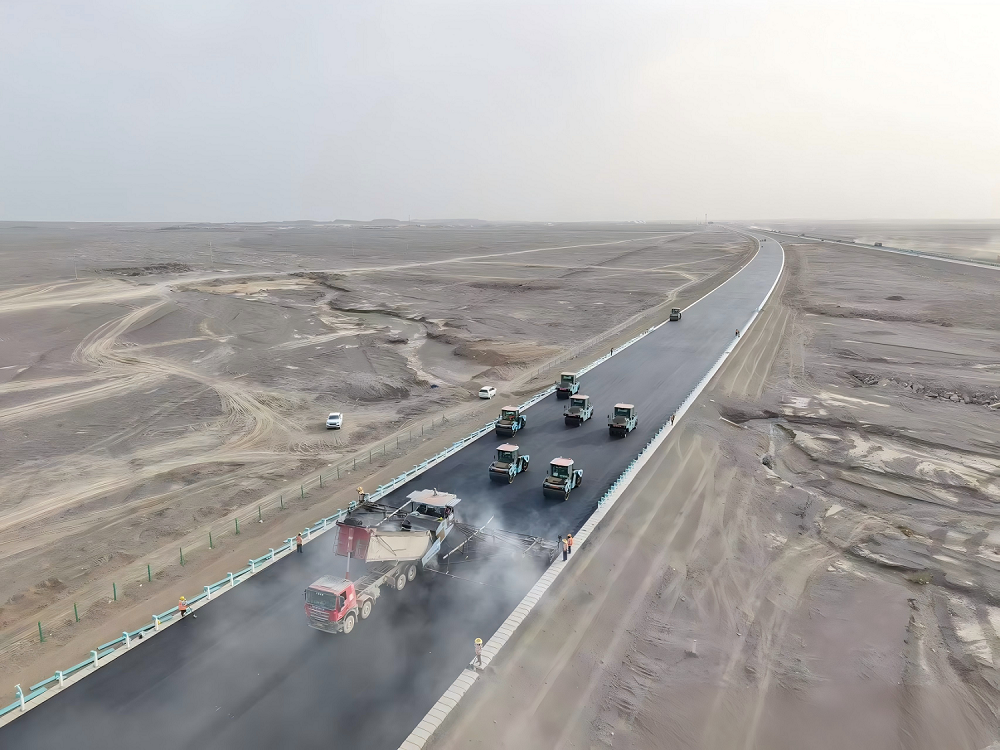
In the sandstorm of the Gobi Desert, an intelligent road roller rolled over the last layer of asphalt. Road maintenance worker Lao Zhou took off his safety helmet and wiped his sweat - he had been working on the road from Xingxingxia to Hami for more than ten years, and had seen long queues of trucks during the Spring Festival travel rush and trucks swaying in strong winds. Now the road under his feet is changing from a two-way four lane road to a two-way eight lane road, with the roadbed widened from 28 meters to 42 meters, and the designed speed increased to 120 kilometers per hour.
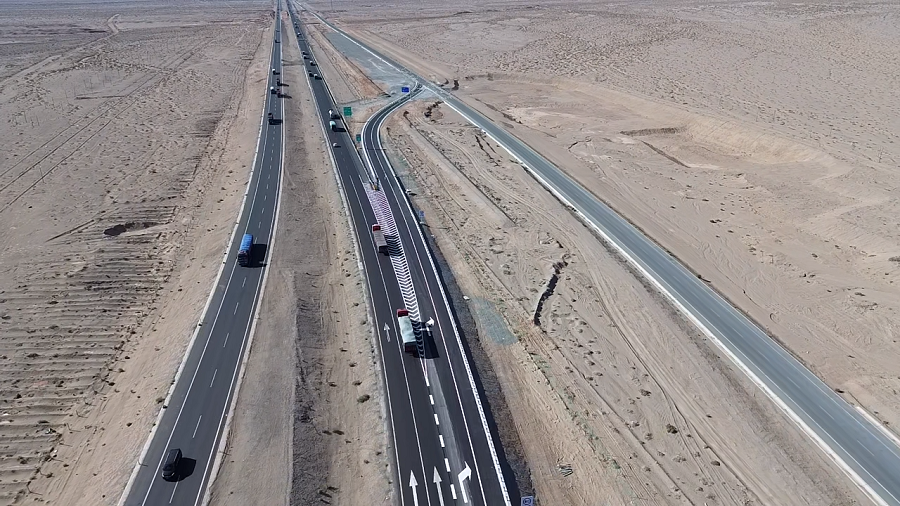
Four modifications and eight expansions
On July 27, 2026, the handover acceptance meeting for the G30 Lianhuo Expressway Xingxingxia to Hami section and Hami to Tuyugou section renovation and expansion project was held in Hami, and the project officially passed the handover acceptance. This national highway network's east-west horizontal main line, as well as the core section of the access road to and from Xinjiang, has a total length of 537 kilometers. Construction will begin at the end of 2023, making it the longest four to eight highway renovation and expansion project in China.
After the road is opened to traffic, it will change from four lanes to eight lanes, doubling its capacity and shortening the delivery time for goods entering and leaving Xinjiang by about two hours. The mainline toll station has been cancelled, and 22 ramp stations have been set up along the line. Combined with windproof facilities and strong wind warning systems, driving in the hundred mile wind zone is safer. During nearly two years of construction while opening the road, the builders have withstood the test of over 200 days of strong winds above level 8, transforming this road from a congested bottleneck into a golden passage on the Silk Road.
Building green roads in the desert
537 kilometers pass through saline soil, Karez wells, farmland, and deserts, and the project did not follow the rough old road. The old road asphalt plant's hot mix recycling, waste tire rubber powder modified asphalt, and comprehensive utilization of steel slag have been gradually launched, and the old road waste is recycled into the new road; 44 Karez wells in Turpan section will be reinforced for disaster prevention, with vertical well heads covered to prevent vibration and sand falling. Farmland and desert areas will be protected, and land will be intensively used.
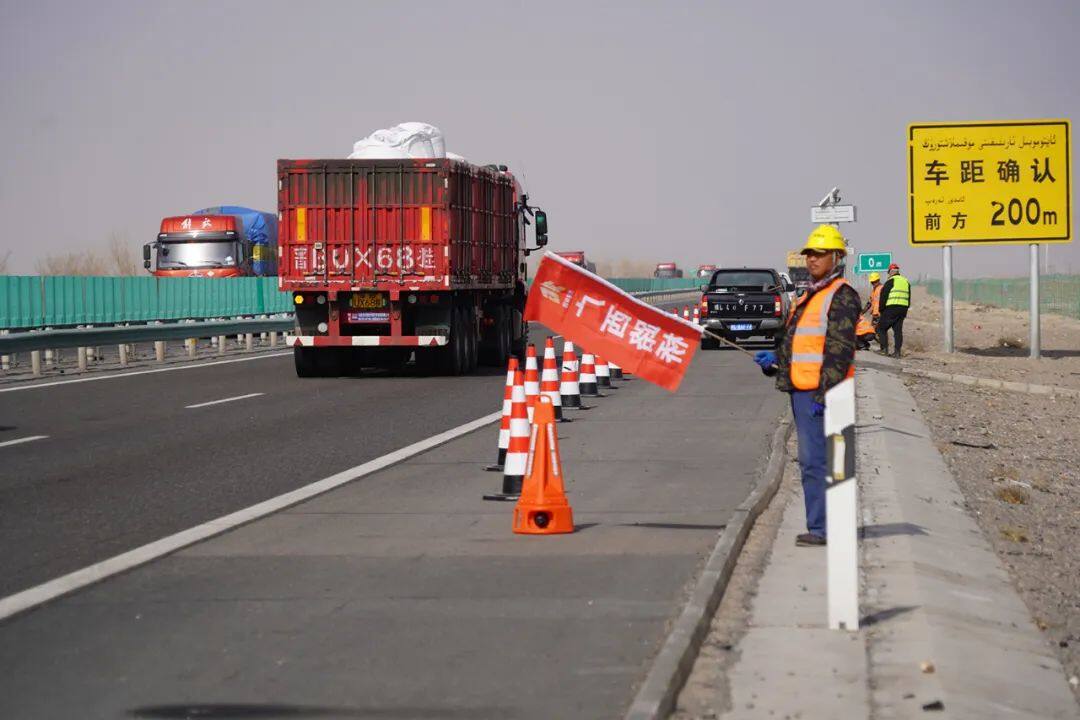
It is also a technology demonstration project for smart low-carbon renovation and expansion in arid desert areas of the Ministry of Transport: unmanned aerial vehicle intelligent inspection covers the entire line, near zero carbon smart service areas self regulate water and electricity usage, and old guardrails are dismantled and transformed into windproof walls exceeding 2000 meters. A road in the Gobi Desert, running both sports cars and data.
Connecting Eastern Xinjiang Tour
The road has widened and the service area has also come alive. The service areas of Xingxingxia, Camel Circle, Shaquanzi, Hami, etc. have been upgraded and handed over, and the parking areas have been upgraded simultaneously. Cultural and tourism themed supporting facilities have been integrated into the nodes along the line.
Looking west, the Hami Royal Tombs, Tuyugou Grottoes, Huoyanshan, and Karerjing Folk Park are connected by this corridor, transforming tourism in eastern Xinjiang from point-to-point to a single line. The truck driver saves two hours, allowing tourists to sleep half a night longer. The service area not only provides electricity for meals, but also offers a glimpse of the old scenery along the Silk Road.keywords:Engineering infrastructure
From the wind outlet of Xingxingxia to the grape trellis of Tuyugou, the 537 kilometers not only doubled the number of lanes, but also served as a bone transplant for the main artery of Xinjiang's entry and exit. Not long after, when Lao Zhou was patrolling the road again, behind him was the eight lane Denghe River, and in front of him was the morning of Dongjiang flowing in both directions.Editor/Yang Meiling
Comment






 Praise
 Collect
 Comment

 Share
Share


Write something~