 Search


- China's green power empowers Africa and builds a new pattern of symbiotic development between China and Africa
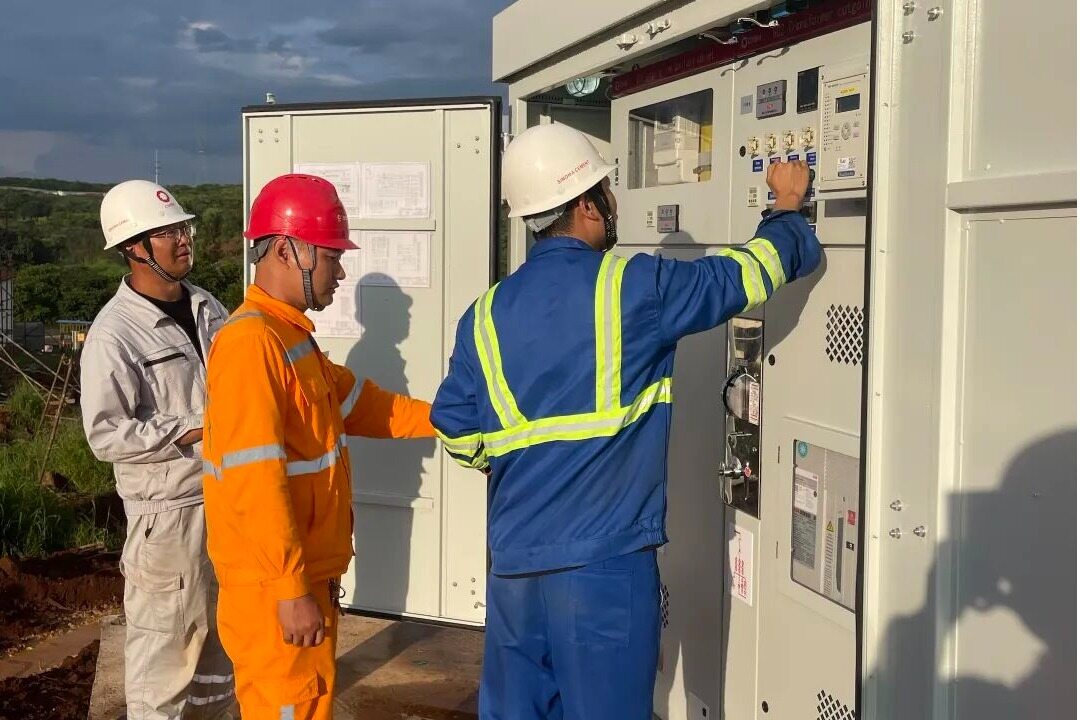
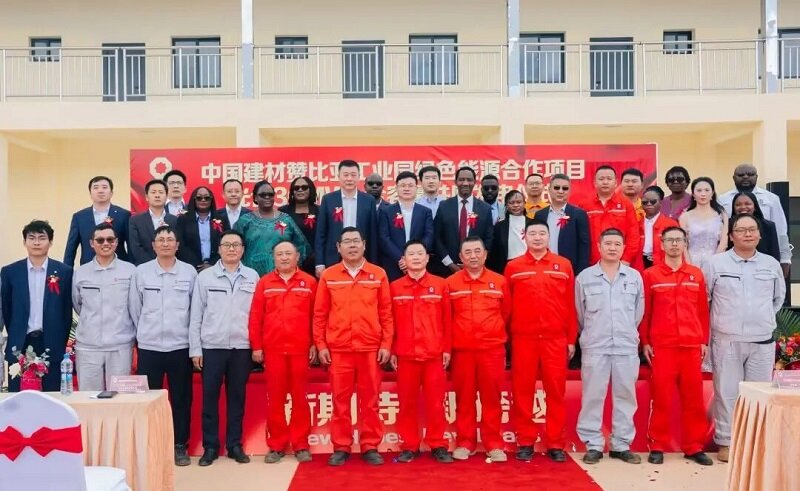
Years of drought have led to a sharp decline in hydropower in Zambia, resulting in normalized power rationing throughout the city, reduced production in factories, and difficulties in accessing electricity for people's livelihoods. Sinoma EC went to the local area to tackle the energy crisis with customized green power projects, injecting lasting green momentum into the local development.
Deeply cultivate the territory and break through the situation
Zambia, known as the kingdom of hydropower, is highly dependent on hydroelectric power generation for its electricity, with nearly half of the power load being borne by the Kariba Dam. Affected by climate change, frequent droughts and sudden drops in river water levels in the local area have highlighted the drawbacks of a single hydropower supply model. The problems of power shortage and high electricity prices continue to constrain industrial production and people's livelihood development.
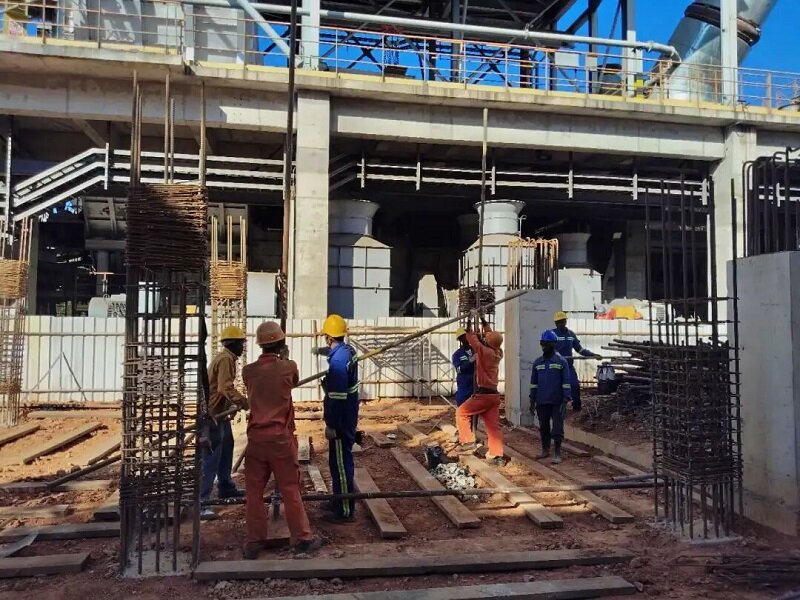
To optimize the energy structure, Zambia has introduced a renewable energy development strategy and promoted diversified energy transformation. Sinoma EC seized the opportunity, relying on years of clean energy technology accumulation and overseas landing experience, combined with local advantages in sunshine and industrial resources, to land two benchmark green power projects and accurately solve the local energy shortcomings.
Technology empowers and improves quality
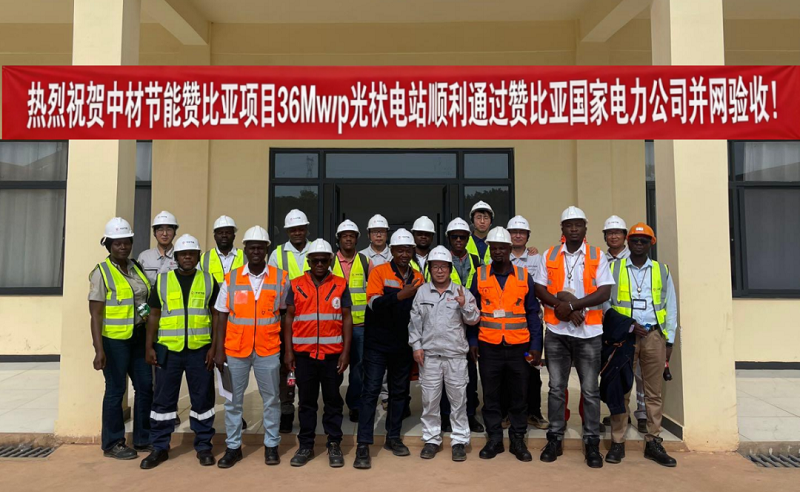
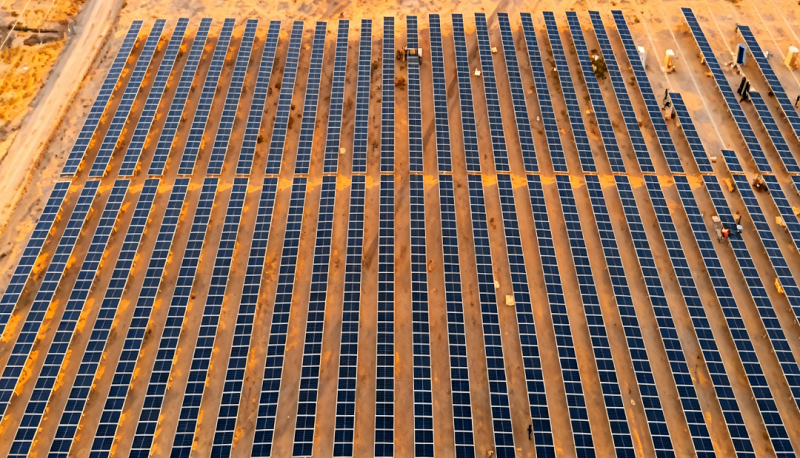
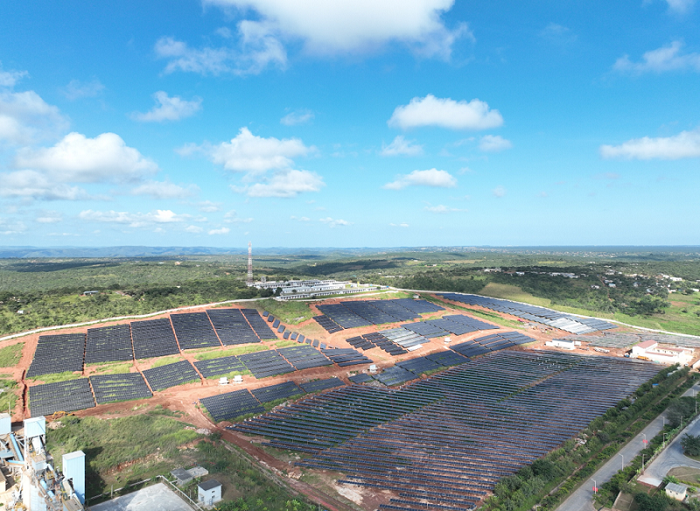
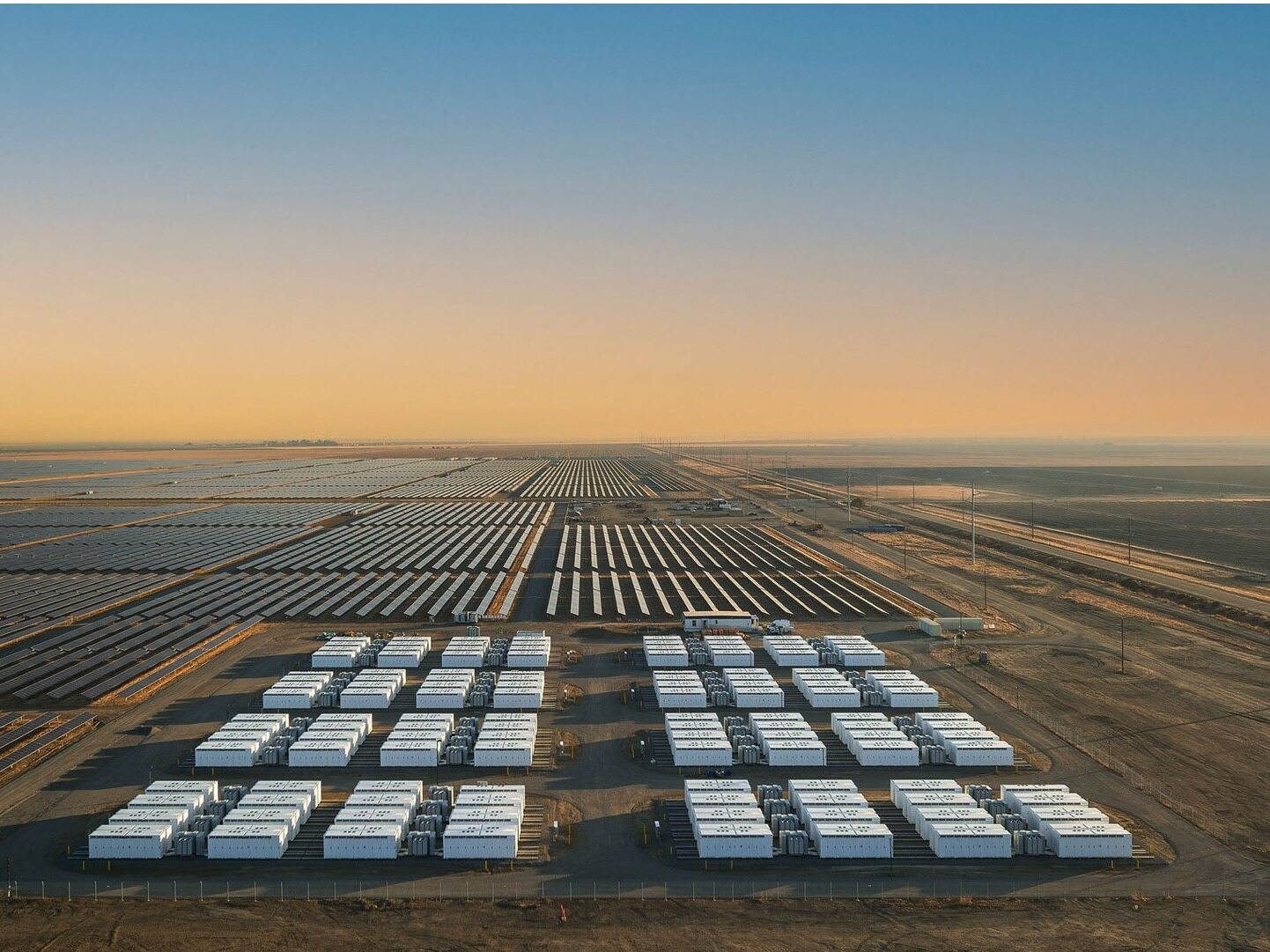
Sinoma EC innovatively creates a composite energy supply model, with its industrial park green energy project equipped with a 36MWp photovoltaic power station and a 7.5MW waste heat power generation system. Relying on advanced waste heat recovery technology, combined with an adaptive photovoltaic system, it achieves stable day and night energy supply, which can meet the full production electricity consumption of the park and increase income by connecting surplus electricity to the grid. At present, the photovoltaic power station has completed the completion acceptance and the surplus electricity has been connected to the grid. The waste heat power generation project has entered the equipment installation stage.
The synchronized landing of the Mamba 100MW photovoltaic power station adopts high weather resistant double-sided components and intelligent tracking system to maximize the exploration of solar energy resources. After the project is put into operation, the annual power generation will be about 219 million kilowatt hours, which can replace 80000 tons of coal annually, reduce carbon dioxide emissions by 170000 tons, effectively fill the power supply gap in southern Zambia, optimize the national power grid architecture, and enhance the stability of power supply throughout the region. Keywords: China Africa Green Power Cooperation, Zambia New Energy
Practical win-win and far-reaching
The construction of overseas projects has overcome difficulties throughout the process. Faced with cross-border approvals, logistics disruptions, and rainy season construction challenges, the project team has established a dedicated team for domestic and international cooperation, working together 24 hours a day to optimize transportation plans, seize construction deadlines, and fully ensure the steady progress of the project.
The implementation of the project will simultaneously drive local employment and talent cultivation. A large number of local migrant workers have been trained by the Chinese side to master professional operation and maintenance skills, stabilizing employment and improving people's livelihoods. Reliable green power supply reduces production costs for local enterprises and helps small and micro enterprises expand production and increase efficiency. This series of projects is a vivid practice of green co construction between China and Africa, providing strong support for energy transformation and sustainable development in southern Africa.Editor/Min Jing
Comment


 Praise
 Collect
 Comment

 Share
Share


Write something~