 Search


- 8 million kilowatts of transmission capacity, 40 billion kilowatt hours of electricity per year, half of which is green electricity
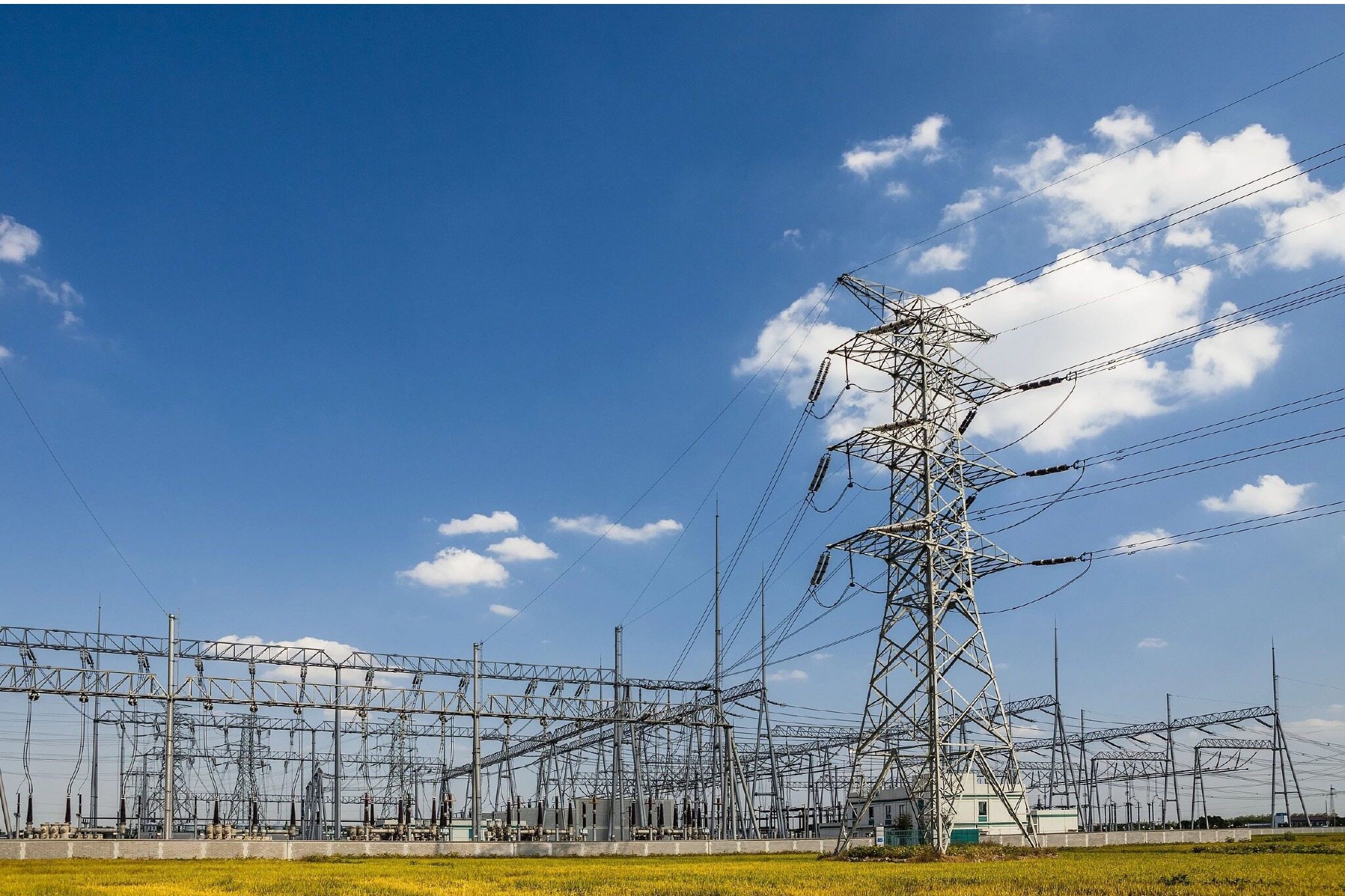
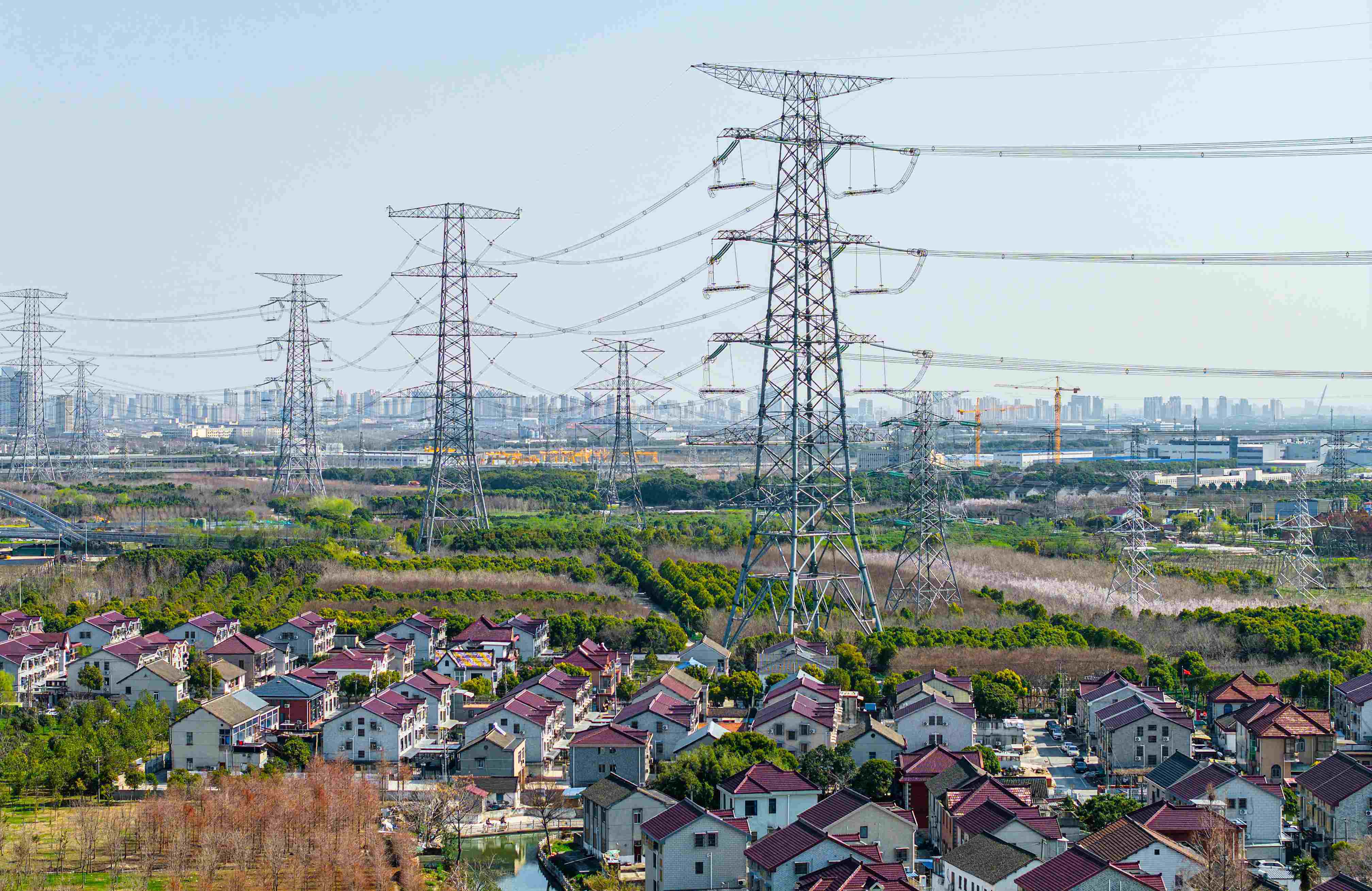
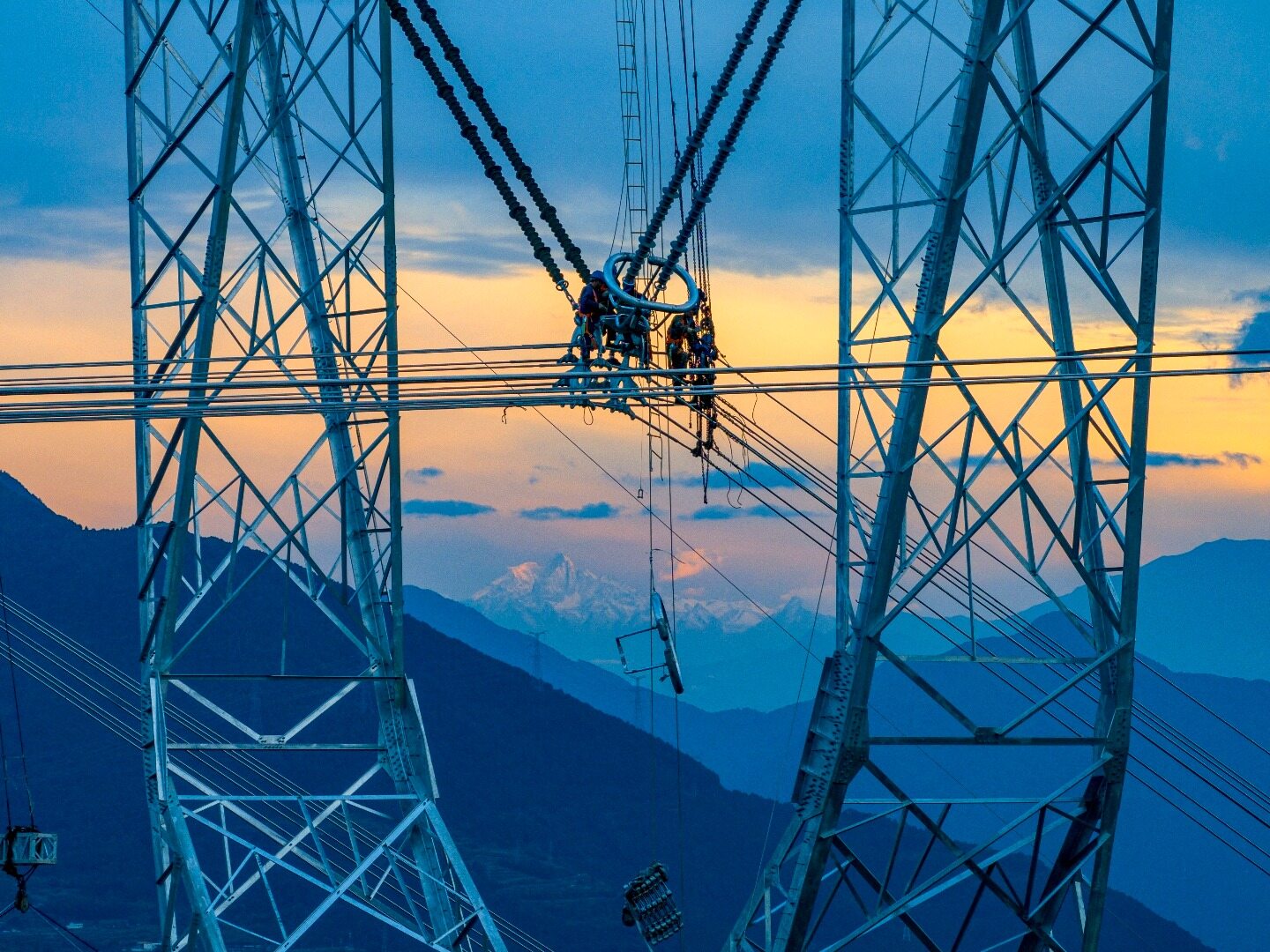
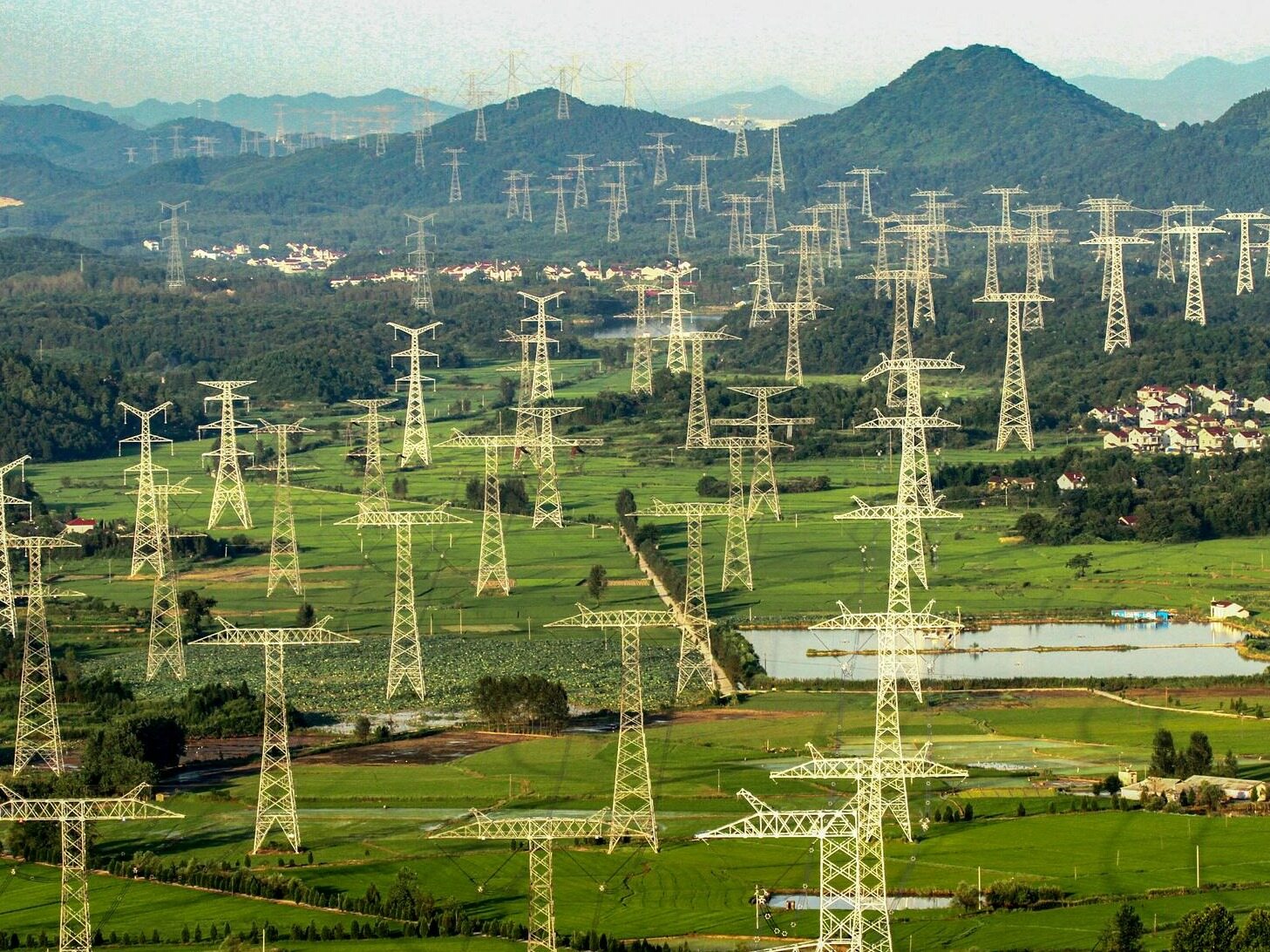
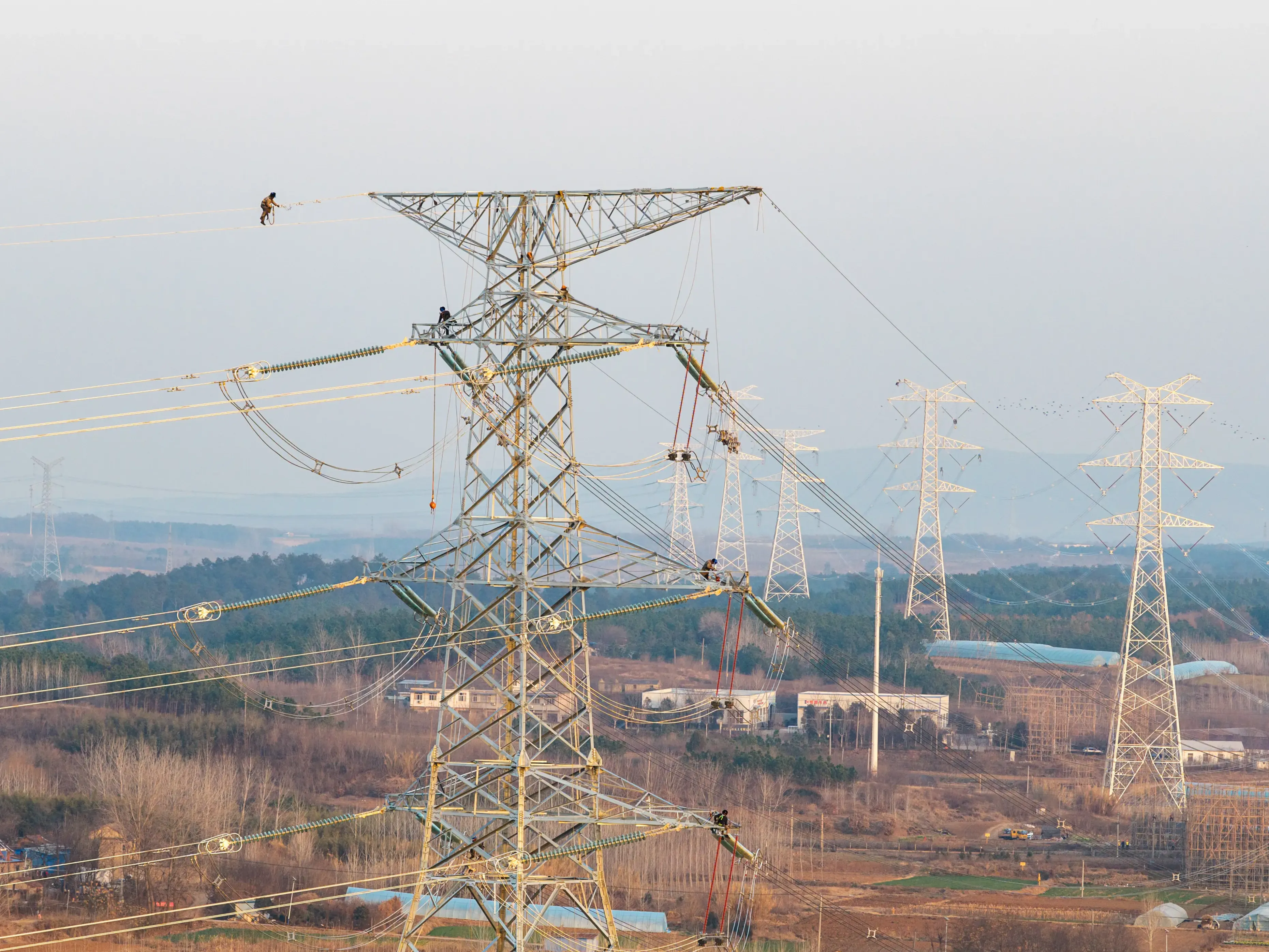
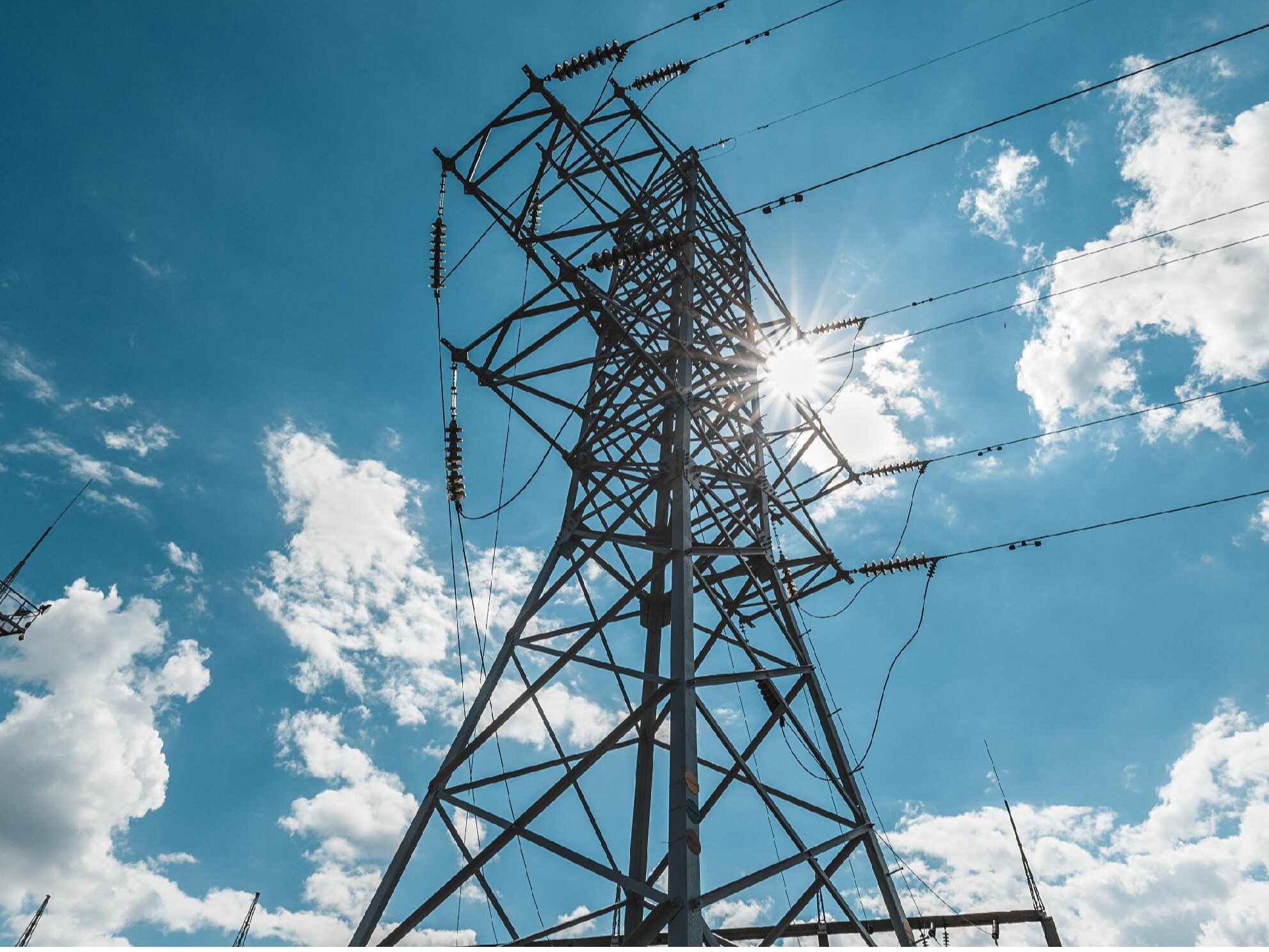
On July 30, 2026, on Chongming Island in Shanghai, the supporting river crossing project at the receiving end of the Mongolian Electric Power Project officially began construction. This 12.2 kilometer long cross river tunnel will become the only channel for green electricity to cross the Yangtze River in the Kubuqi Desert of Inner Mongolia. From the Gobi Desert to the estuary, a wind turbine rotates in the wind, and photovoltaic panels spread across the sandy sea - the clean electricity they emit will travel south along 1800 kilometers of ultra-high voltage lines, crossing the Yangtze River at a depth of 95 meters, lighting up the lights of Shanghai's thousands of households and factory production lines. This is not a concept, it is a reality that is being excavated.
Cross river throat creates five world records
The Yangtze River Crossing Project is the controlling node of the entire line from Inner Mongolia to Shanghai, with a total investment of 11.264 billion yuan. The tunnel starts from Chongming Island and runs through the main channel of the Yangtze River to Taicang, Jiangsu. A new 12.2 kilometer cross river tunnel and 1.83 kilometer land tunnel will be built. The tunnel diameter is 14.6 meters, equivalent to a standard four lane highway; The deepest burial depth is about 95 meters, equivalent to exploring more than 30 floors.
After completion, this tunnel will simultaneously set five global records: the largest designed conveying capacity, the largest GIL installation scale, the longest shield tunneling distance, the largest tunnel diameter, and the deepest buried underground in the river. There are four 500 kV GIL pipe galleries in the tunnel, which can meet the transmission demand of 8 million kilowatts in this phase and reserve a future transmission capacity of 20 million kilowatts. The project plan is to start shield tunneling in 2027, complete the tunnel in 2029, and be completed and put into operation by the end of 2030.
40 billion kilowatt hours of electricity per year
The Mengdian Shanghai project spans 6 provinces and cities, with a total length of approximately 1800 kilometers and a designed transmission capacity of 8 million kilowatts. After being put into operation, it will annually deliver about 40 billion kilowatt hours to Shanghai, equivalent to nearly 20% of the total electricity consumption of Shanghai in 2025.
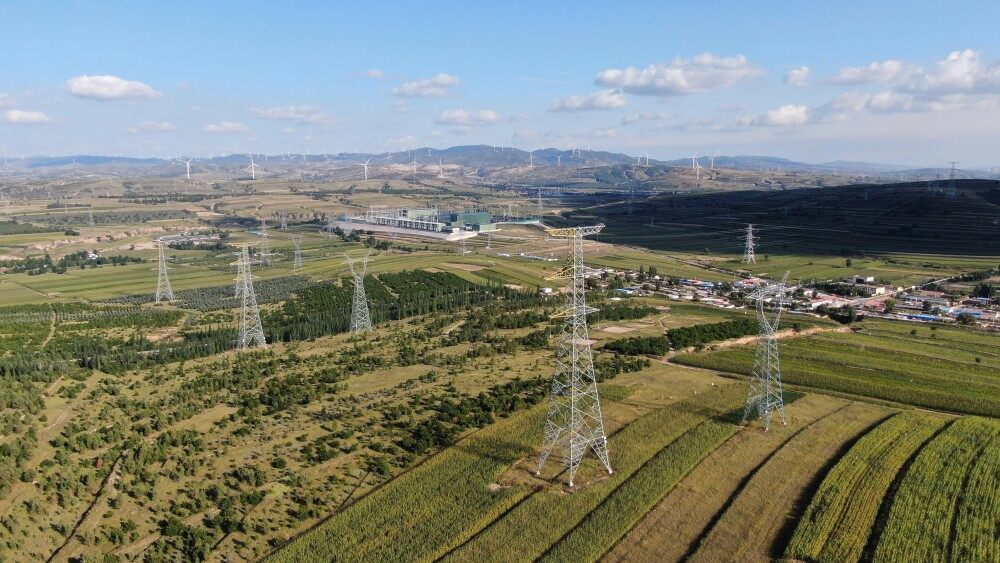
Green electricity accounts for over 50% of the total, and can replace approximately 2.46 million tons of standard coal annually, reducing carbon dioxide emissions by over 9.7 million tons. By 2025, the amount of electricity received by Shanghai from foreign sources will reach 99.84 billion kilowatt hours, accounting for 47.8% of the total electricity consumption in the society. Keywords: Mengdian entering Shanghai, ultra-high voltage
For Shanghai, this channel brings not only electricity, but also the ability to trace green electricity - high-end manufacturing, export enterprises, and computing industries can purchase traceable green electricity, reduce their carbon footprint, and exchange it for a pass to the international market. When the shield tunneling machine at the bottom of the river began to excavate, the light and wind of the sandy sea had already found their way to Shanghai.Editor/Cheng Liting
Comment

 Praise
 Collect
 Comment

 Share
Share


Write something~