 Search


- Multi point layout of nuclear power bases along the coast to provide stable and clean electricity for economically prosperous provinces
- China accelerates its nuclear power layout, continuously consolidates energy security, and promotes green and low-carbon transformation
When the lights of coastal cities shine brighter on summer nights, it is the power grid's thirst for stable power behind it. Once upon a time, the fluctuations of wind and solar energy were worrying, but now, the eight national treasures have fallen simultaneously on the shores of the Bohai Sea and the South China Sea. This is not only a reinforcement of the energy base, but also to light up an eternal lamp for the development of the next thirty years.
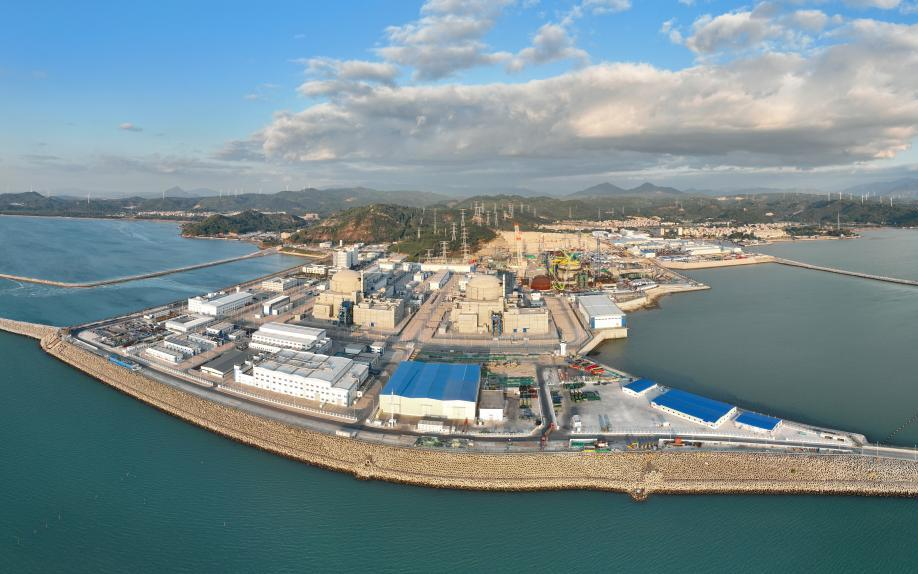
On July 31, 2026, significant progress was made in the four major nuclear power projects with a total investment of over 170 billion yuan. A total of eight million kilowatt units were officially approved for the four major projects in Zhuanghe, Liaoning, Jinqimen, Zhejiang, Taipingling, Guangdong, and Laiyang, Shandong.
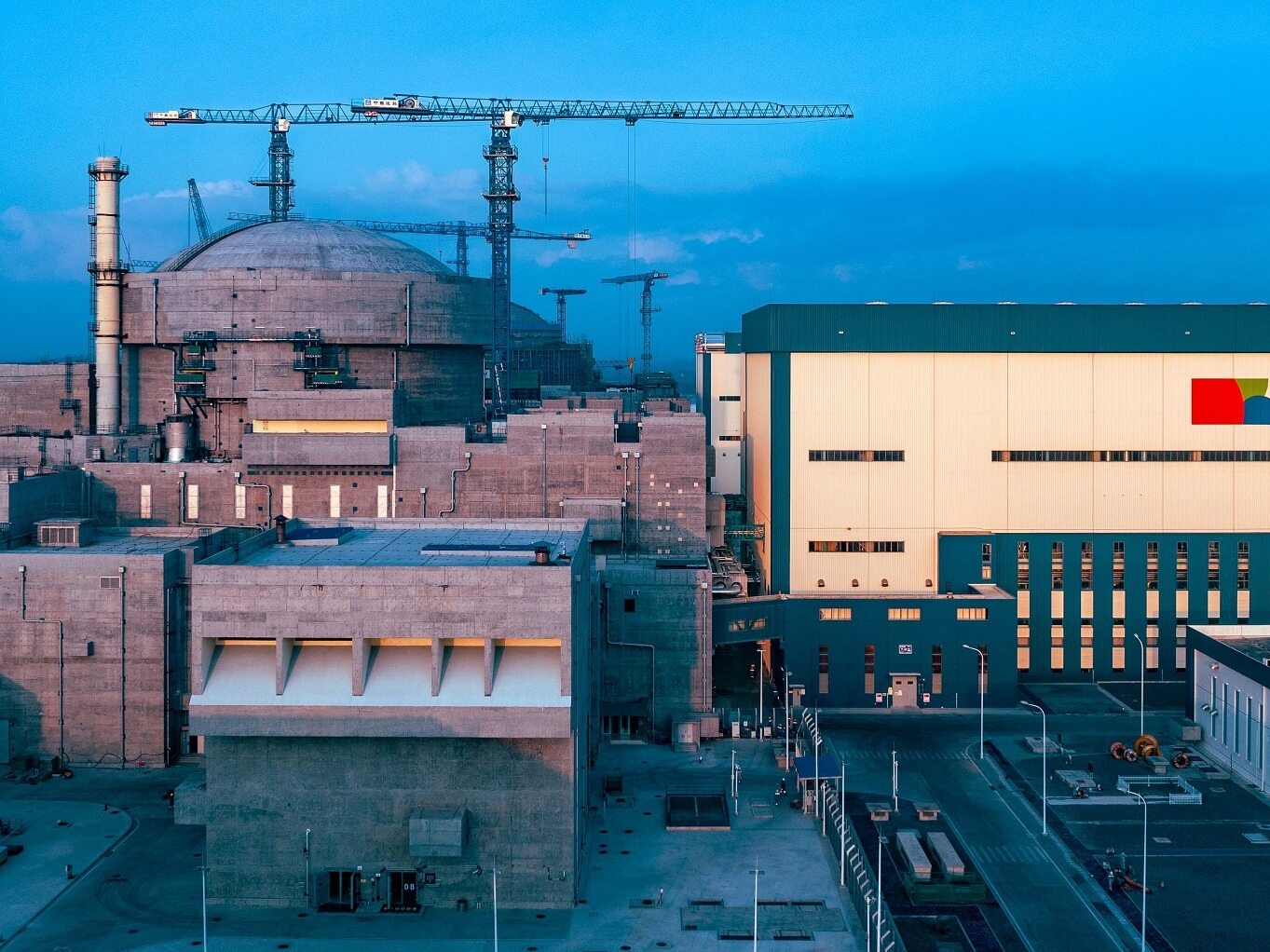
This is the first batch of nuclear power projects approved during the 15th Five Year Plan period, highlighting the need to ensure energy security and promote green transformation, with nuclear power becoming a key support. The current dual carbon campaign continues to advance, and the volatility of wind and solar new energy is prone to impact the power grid. The centralized approval of the four major nuclear power plants is an important breakthrough in China's energy strategy. The new power system formed by the complementarity of nuclear power and new energy is included in the core energy plan of the 15th Five Year Plan. This approval also marks the transition of Hualong One and Guohe One independent nuclear power technologies from demonstration projects to mass construction.
Overview of the Four Major Nuclear Power Projects
Liaoning Zhuanghe Nuclear Power Phase I Units 1 and 2: Jointly invested by China National Nuclear Corporation, Datang Group, and Dalian State owned Assets, located along the coast of Zhuanghe, Dalian, two Hualong Units 1 with a single capacity of 1.25 million kilowatts will be constructed. It is the third nuclear power base in Liaoning, with reserved space for expansion. At present, preparations for various projects are underway.
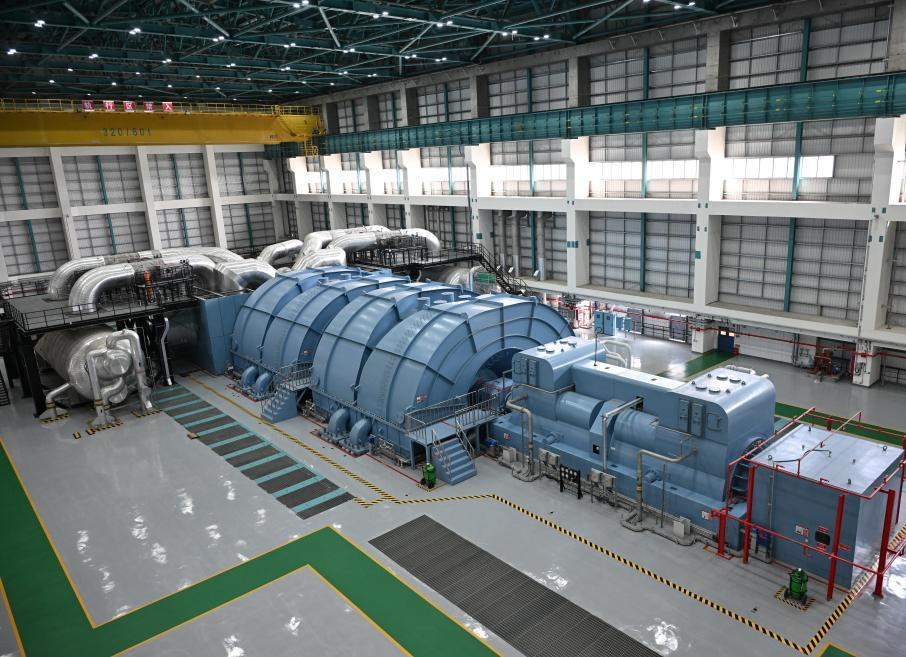
Zhejiang Jinqimen Nuclear Power Phase II Units 3 and 4: The owner is China National Nuclear Corporation, located in Xiangshan, Ningbo, and using Hualong One 2.0 technology. Six units are planned for the project, with two new units added in the second phase. After completion, the clean energy supply in eastern Zhejiang will be strengthened to ensure the power supply in the Yangtze River Delta.
Units 5 and 6 of Guangdong Taipingling Nuclear Power Phase III: developed by CGN, located in Huidong, Huizhou, using the Hualong One 2.0 version. After completion, a large-scale nuclear power cluster will be formed to support the electricity demand in the Guangdong Hong Kong Macao Greater Bay Area and enhance regional energy self-sufficiency.
Shandong Laiyang Nuclear Power Phase I Units 1 and 2: State Power Investment Corporation (SPIC) invested and located in Laiyang, Yantai, adopting Guohe No.1 technology, marking the first batch landing of Guohe No.1. After production, we will collaborate with offshore wind and photovoltaic power to create a multi energy complementary energy system in Jiaodong.
Multiple strategic values of the project
After the completion of 8 units, the annual power generation will exceed 60 billion kilowatt hours, replacing about 18 million tons of standard coal annually, reducing carbon dioxide emissions by 50 million tons, ensuring power supply to coastal provinces, and alleviating the power supply gap in extreme weather conditions. More than 170 billion yuan of investment is driving upstream and downstream industries, and the large-scale application of two major independent nuclear power technologies is promoting the upgrading of nuclear power equipment manufacturing industry. The project is distributed in Liaodong, eastern Zhejiang, eastern Guangdong, and Jiaodong Peninsula, building a multi-point clean power supply network, promoting comprehensive development of nuclear energy, and attracting industries to cluster in coastal areas with low electricity prices. Keywords: Four major nuclear power plants, Hualong One, Guohe One, energy
Long term development assessment
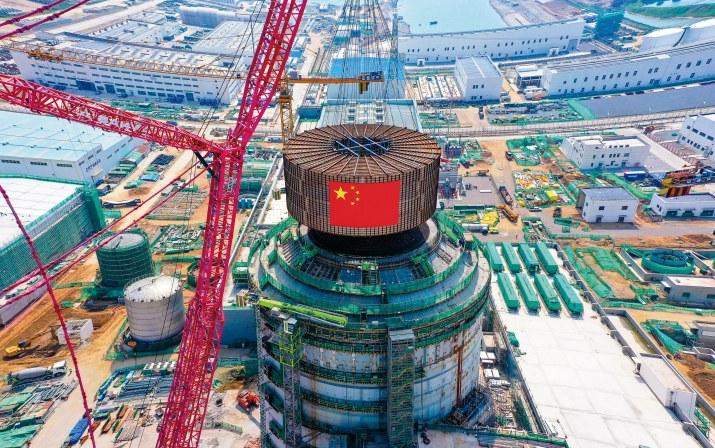
The regulatory standards for nuclear power are strict and the construction period is long, making it difficult to play a short-term role in driving the economy. It belongs to a long-term strategic layout for the development of electricity in the next thirty years. The centralized approval on July 31, 2026 is of milestone significance, as China's nuclear power officially begins a new stage of large-scale and base based construction of third-generation nuclear power on the basis of strictly adhering to the safety bottom line.Editor/Gong Ziwei
Comment

 Praise
 Collect
 Comment

 Share
Share


Write something~